Worst Cement Mixers 2026: Drum Trucks That Cost More Than They Pour
The worst cement mixers of 2026 are not the oldest trucks on the site or the plainest ones in the fleet. They are the rotating-drum concrete trucks that look unstoppable on the dealer forecourt and then wear their owners down: a drum that will not turn, a load that sets before it reaches the pour, a chute that will not discharge, or a repair bill that costs more than a month of pours. This guide names the seven worst cement mixers of 2026, based on published recall records, owner surveys and repeated owner complaints, so you can spot the pattern before you sign. A cement mixer is a rotating-drum concrete truck, built to keep ready-mix concrete turning on the road and pour it at the site. That is a different job from every neighbouring machine. Dump trucks haul loose material in a tipping bed, tow trucks recover broken vehicles with a winch and a flatbed, and fire trucks carry water, pumps and ladders to a fire. None of them turns a drum, and none of them keeps concrete workable on the way to a pour. Heavy haulers suffer the same traps at a bigger scale, and our guide to the dump trucks to avoid in 2026 shows how the same reliability problems play out on trucks that tip a load instead of turning one.
Key takeaways
- The Mack Granite is the cement mixer to avoid first: owners report drum-drive faults, slump loss and dealer-only repairs that cost far more than a mixer should.
- Drum speed and discharge matter more than horsepower: a mixer that cannot keep concrete turning or empty its drum is useless on a real pour.
- Aftertreatment and electronics are the new weak points in cement mixers, just as they are in cars: sensors and software faults strand trucks that are mechanically sound.
- Dealer support matters as much as the truck: a thin network means long waits for parts and warranty work that eats into pour days.
- Always check the recall record, the service history and a pre-purchase inspection before you buy, and test the exact truck with a full drum, not just an empty drive.
How the worst cement mixers of 2026 were chosen
Every truck below was scored on five measures. Reliability comes first: how often owners report faults, and how serious those faults are. Repair cost is second, because a dealer-only repair turns a nuisance into a disaster. Support is third, judged on the dealer network near the buyer and how long parts take to arrive. Capability is fourth: whether the truck can actually do the work its size and price promise, from keeping a full drum turning on a long run to discharging a full load without clogging. Value is fifth: the real five-year cost, including downtime and wasted loads, not the forecourt price.
Two notes before the list. First, no truck here is slow or weak on paper, and most of them are genuinely capable when they are running. They earn their place because the ownership experience lets them down, not because the engine lacks power. Second, this guide is strictly about cement mixers: rotating-drum concrete trucks that carry ready-mix to a site and pour it through a chute. A truck that only hauls dry aggregate in a tipping bed is a dump truck, not a mixer, and a truck that only pumps concrete through a boom is a pump truck. Recovery rigs suffer the same support trap, and our guide to the tow trucks to avoid in 2026 makes the same point about dealer networks and repair bills, because the lesson is the same across every working vehicle.
Comparison table: the worst cement mixers of 2026
| Rank | Cement mixer | Main problem | Buy instead |
|---|---|---|---|
| 1 | Mack Granite | Drum-drive faults, slump loss | Peterbilt 567 |
| 2 | Peterbilt 567 | Electrical faults, dealer-only fixes | Kenworth T880 |
| 3 | Kenworth T880 | Cramped cab, aftertreatment trouble | Freightliner 114SD |
| 4 | Freightliner 114SD | Premium price, costly parts | Volvo VHD |
| 5 | International HV Series | Heavy, pricey, poor visibility | Western Star 4700 |
| 6 | Volvo VHD | Transmission complaints, parts cost | Mack Granite |
| 7 | Western Star 4700 | Thin dealer network, weak resale | Freightliner 114SD |
The worst cement mixers of 2026
1. Mack Granite: the cement mixer to avoid first
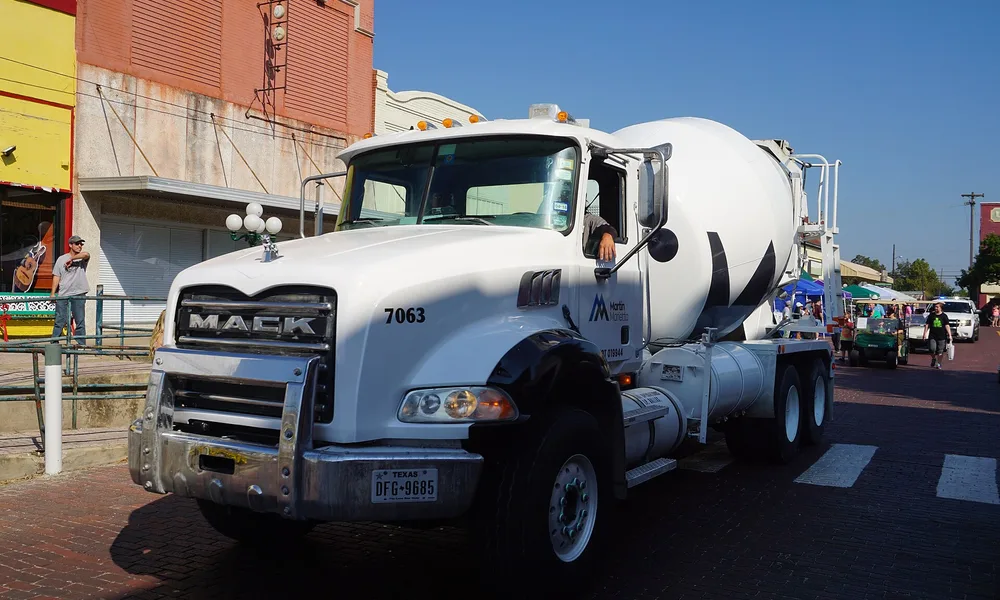
The Mack Granite is the best-known mixer chassis in America, and that is exactly why its faults sting. Owners report a drum drive that fails under a full load, concrete that loses slump on a long run because the drum will not hold its speed, and electrical faults that only a dealer can clear with factory software. A mixer that cannot keep its load workable is useless to a ready-mix firm. Buy a Peterbilt 567 instead: a smoother drum drive, a simpler discharge and a cab built for a working day on the road.
2. Peterbilt 567: clever, and dealer-only when it breaks
The Peterbilt 567 looks like a smart buy, with a strong engine and a cab drivers love. Electrical faults are the most reported problem: warning lights that come and go, sensors that fail early, and fault codes that only a dealer can clear. A mixer that cannot be fixed quickly is useless mid-schedule. The Kenworth T880 does the same job with a far bigger dealer network and simpler electrics.

3. Kenworth T880: a good truck in a cab too small for the job
The Kenworth T880 is a well-built mixer chassis, and its place on this list needs explaining, because the problem is specific: the cab and the aftertreatment. The day cab is cramped for a driver who spends ten hours in it. The diesel particulate filter regenerates often in stop-start site work, and when it fails the truck derates itself to a crawl. The Freightliner 114SD costs more but gives the driver room to work, with a wider cab and simpler aftertreatment.
4. Freightliner 114SD: brilliant, and brutally expensive to keep
The Freightliner 114SD is a superb mixer to drive, with a strong chassis, a smooth drum drive and a cab that feels built for a long working life. The problem is what it costs to own. The purchase price is among the highest in the class, and parts prices follow the same pattern: a single dealer visit for a drum or hydraulic job can run to four figures. The Volvo VHD holds its value better and its parts are easier to find.
5. International HV Series: heavy, pricey and hard to see out of
The International HV Series is one of the most common mixer chassis on the road, with a strong Cummins engine option. The faults are about weight and visibility. The truck is heavy before it picks up a load, so payload suffers, and the high cab makes tight building sites harder than they need to be. Owners report blind spots around workers on foot, and the premium price only makes sense for operators who run it hard every day. The Western Star 4700 gives you the same mixer ability with a better view from the cab and a stronger dealer network.
6. Volvo VHD: strong chassis, fragile transmission
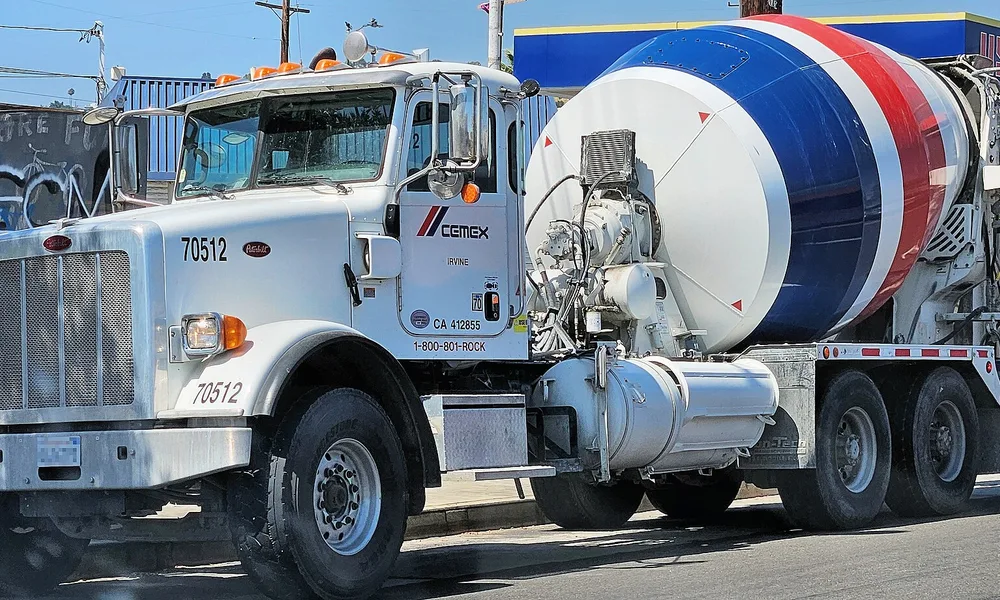
The Volvo VHD is built for hard vocational work, with a tough frame and a reputation for surviving jobs that break lighter trucks. Owners report that the automated transmission is the weak point: it hesitates on steep site roads and in the worst cases needs a dealer-only reset that takes the truck off the road for days. Electrical niggles are the second complaint: sensors that fail early and warning lights that come and go. The Mack Granite has a smoother transmission tune and a wider dealer network, and it is the safer buy for most fleets.
7. Western Star 4700: the smallest network of all
The Western Star 4700 is the cheapest mixer on this list, and it shows why price alone is a poor guide. The truck itself is simple and the engine is willing, but the dealer network is the smallest of any brand sold in America. Owners report waiting weeks for parts and struggling to find a mechanic who knows the machine. Resale is poor, because buyers know the support problem and price it in. The Freightliner 114SD costs more but comes with a real dealer network and far stronger resale.
What to buy instead of the worst cement mixers
The pattern across this list is simple: buy the truck with the strongest dealer near you, not the cheapest price on the internet. A Peterbilt 567, a Kenworth T880 or a Freightliner 114SD will cost more than the cheapest option, but they come with dealers who stock parts and resale values that hold up. Lighter work vehicles suffer the same support trap, and our guide to the pickup trucks to avoid in 2026 makes the same point about dealer networks and repair bills, because the lesson is the same across every working vehicle. Before you buy, test the truck with a full drum, check the recall record, and ask the dealer how long a common drum part takes to arrive.
Checklist: buying a cement mixer in 2026
- Test the drum with a full load of concrete on your own run, and check the drum speed and the discharge chute.
- Check the drum for wear, cracks and concrete build-up, and ask for the full service history of the drum drive.
- Check how far your nearest dealer is, and ask how long a common part takes to arrive.
- Look up the recall record and any service bulletins for the exact model year before you sign.
- Compare the real out-the-door price, including the drum, the chute and the upfit, not the chassis price alone.
- Test the truck on a real pour, and check that the concrete holds its slump from the plant to the site.
Frequently asked questions
What is the worst cement mixer to buy in 2026?
The Mack Granite, because owners report drum-drive faults, slump loss and dealer-only repairs that strand a full load. It is the most common mixer chassis in America, so its faults affect more operators than any rival.
Are cement mixers and dump trucks the same thing?
No. A cement mixer carries ready-mix concrete in a rotating drum and pours it through a chute, while a dump truck hauls loose material in a tipping bed. The chassis can be similar, but the body and the job are completely different.
How much does a cement mixer cost to run?
The purchase price is only the start. Drum-drive repairs, hydraulic work, aftertreatment faults and dealer-only electrical fixes can add thousands a year, which is why the real five-year cost matters more than the forecourt price.
Which cement mixer has the best dealer support?
Peterbilt and Kenworth have the widest vocational dealer networks in America, which is why they are the safer buys. Western Star has the smallest network, and owners report the longest waits for parts.
Should I buy a new or used cement mixer?
A used mixer can be good value if the drum and the drive have a full service history, but a used mixer with a worn drum is a money pit. Always test it with a full drum before you sign.
What should I check before buying a cement mixer?
Test the drum under a full load, check for wear and concrete build-up, look up the recall record, and confirm that a dealer near you stocks parts and can clear fault codes quickly.
Bottom line
The worst cement mixers of 2026 are the ones that cannot finish a pour: drums that stall, loads that set on the road, electronics only a dealer can fix, and dealer networks too thin to help. Buy the truck with the strongest dealer near you, test it with a full drum, and the mixer will make the pour easier instead of getting in its way.