Worst Flatbed Trucks 2026: Open-Deck Haulers That Fail Under Load
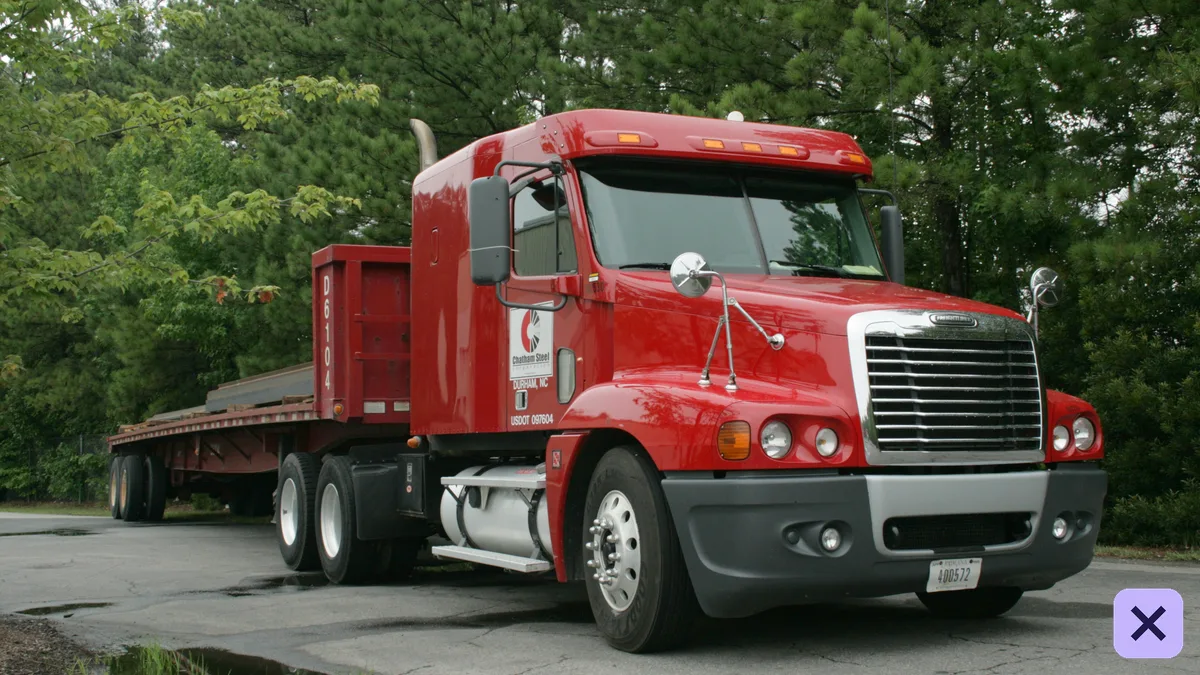
The worst flatbed trucks of 2026 are not the oldest trucks on the lot or the plainest ones in the fleet. They are the open-deck haulers that look unstoppable on the dealer forecourt and then wear their owners down: a deck that flexes under a steel load, tie-down points that pull out, a tarp that tears loose on the motorway, or a repair bill that costs more than a month of hauling. This guide names the seven worst flatbed trucks of 2026, based on published recall records, owner surveys and repeated owner complaints. A flatbed truck is a truck with an open deck and no walls or roof, so cargo is loaded by crane or forklift and held down with straps and chains, and it is a different machine from the trucks around it: a dump truck hauls loose bulk in a bed that tilts, a tow truck recovers broken vehicles with a winch, and a pickup hauls light personal loads. Our guide to the dump trucks to avoid in 2026 shows the same reliability problems on trucks that haul loose material instead of strapped-down freight.
Key takeaways
- The Ford F-550 Super Duty is the flatbed truck to avoid first: a harsh ride, a deck that flexes under load, thirsty running and an upfit bill that keeps growing after the sale.
- Deck and tie-downs matter more than engine power: a flatbed that flexes, or whose anchor points pull out, cannot carry a real load safely.
- Load securement is the hidden fault in flatbed trucks: a shifting load, worn straps and a tarp that will not stay put turn every motorway mile into a worry.
- Aftertreatment and electronics are the new weak points in flatbed trucks, just as they are in cars: sensors and software faults strand trucks that are mechanically sound.
- Always check the recall record, the deck inspection before you buy, and test the exact truck with a real strapped load, not just an empty drive.
How the worst flatbed trucks of 2026 were chosen
Every truck below was scored on five measures. Reliability comes first: how often owners report faults, and how serious those faults are. Repair cost is second, because a dealer-only repair turns a nuisance into a disaster. Support is third, judged on the dealer network near the buyer and how long parts take to arrive. Capability is fourth: whether the truck can actually do the work its size and price promise, from carrying a full deck of steel or lumber without flexing to holding a tall load steady. Value is fifth: the real five-year cost, not the forecourt price.
Two notes before the list. First, no truck here is slow or weak on paper, and most of them are genuinely capable when they are running. They earn their place because the ownership experience lets them down, not because the engine lacks power. Second, this guide is strictly about freight flatbed trucks: rigid and tractor-trailer trucks with an open deck that haul steel, lumber, machinery and building materials, not recovery carriers and not dump trucks. A tow truck may have a flatbed, but it carries broken vehicles on it, and our guide to the tow trucks to avoid in 2026 judges recovery rigs on winches, not on decks and tie-downs.
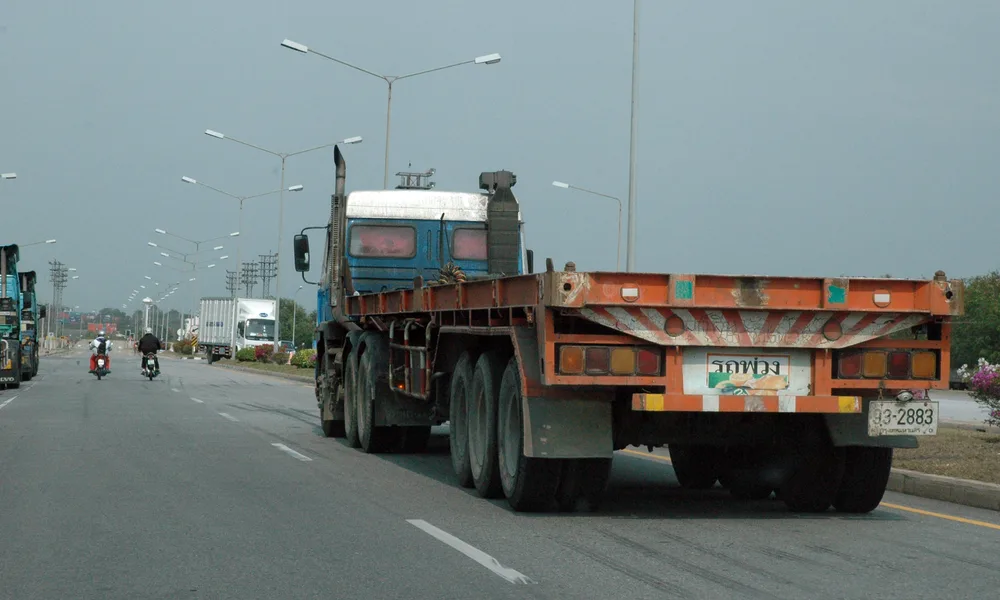
Comparison table: the worst flatbed trucks of 2026
| Rank | Flatbed truck | Main problem | Buy instead |
|---|---|---|---|
| 1 | Ford F-550 Super Duty | Deck flex, harsh ride, thirst | Ram 5500 Chassis Cab |
| 2 | Ram 5500 Chassis Cab | Electrical faults, transmission trouble | Ford F-600 Super Duty |
| 3 | International CV Series | Dealer-only electronics, small deck | Chevrolet Silverado 5500HD |
| 4 | Freightliner M2 106 | Cramped cab, aftertreatment trouble | Kenworth T370 |
| 5 | Kenworth T370 | Pricey parts, tall deck hard to load | Peterbilt 337 |
| 6 | Mack MD6 | Costly workshop, weak resale | Kenworth T270 |
| 7 | Hino L6 | Thin dealer network, cold starting | Isuzu NPR-HD |
The worst flatbed trucks of 2026
1. Ford F-550 Super Duty: the truck to avoid first
The Ford F-550 Super Duty is the best-known medium-duty flatbed chassis in America, and that is exactly why its faults sting. Owners report a punishing ride: the stiff suspension suits a full deck, so half empty, every bump reaches the cab. Deck flex is the second complaint: the deck twists under a heavy steel load, which works the straps loose and makes the load shift on bends.Buy a Ram 5500 Chassis Cab instead: a smoother ride, a stiffer deck and a cab built for a working day.
2. Ram 5500 Chassis Cab: clever, and dealer-only when it breaks
The Ram 5500 Chassis Cab looks like a smart buy, with a strong Cummins diesel option and a cab that is roomier than most medium-duty rivals. Owners report that the promise fades when something goes wrong. Electrical faults are the most reported problem: warning lights that come and go, sensors that fail early, and fault codes that only a dealer can clear with factory software.The Ford F-600 Super Duty does the same job with a far bigger dealer network and simpler electrics.
3. International CV Series: a short deck in a small cab
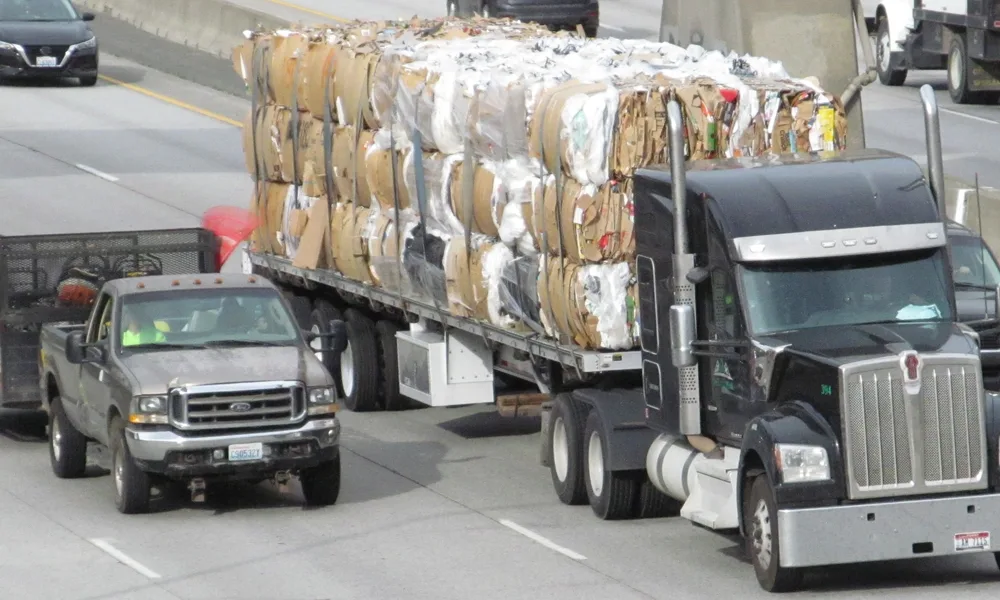
The International CV Series is a well-built flatbed chassis, and its place on this list needs explaining, because the problem is specific: the cab. The day cab is cramped for a driver who spends ten hours in it, with limited legroom, a narrow seat and storage that fills up fast. The deck is the second complaint: the standard flatbed is shorter than most rivals, so long lumber and steel overhang the rear, which limits what the truck can legally carry.The Chevrolet Silverado 5500HD costs more but gives the driver room to work, with a wider cab and a better seat.
4. Freightliner M2 106: a good truck in a cab too small for the job
The Freightliner M2 106 is the best-selling medium-duty truck in America, and its place on this list needs explaining, because the problem is specific: the cab. The day cab is cramped for a driver who spends ten hours in it, with limited legroom, a narrow seat and storage that fills up fast.The Kenworth T370 costs more but gives the driver room to work, with a wider cab and a better seat, and its aftertreatment is simpler to live with on short hauling runs.
5. Kenworth T370: brilliant, and brutally expensive to keep
The Kenworth T370 is a superb medium-duty flatbed to drive, with a strong PACCAR engine, a solid chassis and a cab that feels built for a long working life. The problem is what it costs to own. The purchase price is among the highest in the class, and parts prices follow the same pattern: a single dealer visit for a suspension, brake or deck repair can run to four figures.The Peterbilt 337 is no bargain either, but it holds its value better.

6. Mack MD6: strong on paper, costly in the workshop
The Mack MD6 promises a lot for the money: a solid medium-duty chassis, a tough reputation and a price below the premium brands. Owners report that the promise fades in the workshop. Repair bills are the most repeated complaint, with dealer labour rates turning small jobs into large ones, and the deck hardware wears faster than expected, so tie-down points and tarp rails need replacing sooner than on rivals.The Kenworth T270 does the same job with a smoother ride and a far bigger parts network.
7. Hino L6: capable, but support is the gamble
The Hino L6 is a capable flatbed chassis for the money, with a simple diesel engine and a deck that genuinely carries what it claims. The problem is everything around the truck. The dealer network is thin, so many owners drive hours for warranty work, and parts can take days to arrive when a strap rail or a deck board fails.Resale is weak too, because the next buyer faces the same thin network. The Isuzu NPR-HD does the same job with a far wider dealer network and stronger resale.
What to avoid when buying a flatbed truck
The most common flatbed truck regret is not a bad truck but a wrong match: a deck too short for the load, too few tie-down points, a headache rack that will not stop a shifting load, or a dealer too far away to fix the truck quickly. Avoid the trap by checking three things before you pay: the real deck condition, including the boards, the steel frame and every tie-down point, not just the headline engine power; the load securement gear, straps, chains and tarp, under a real load, not just a look in the yard; and the total price with the deck, headache rack, tie-downs and tarp gear fitted, not the bare chassis price. Pickups are often bought as light flatbeds, but they are personal trucks, and our guide to the pickup trucks to avoid in 2026 covers them on their own terms.
Checklist: buying a flatbed truck in 2026
- Test the deck with a real strapped load, and check for flex, twist and shifting on bends.
- Inspect every tie-down point, strap and chain, and the deck boards and steel frame, for wear and rust.
- Check the tarp, the tarp rails and the headache rack, and try loading with a forklift.
- Ask for the recall record, the service history and the upfit invoice before you sign anything.
- Map the nearest dealer for your chassis and ask how long a deck, brake or suspension part takes to arrive.
- Drive the exact truck for a full shift, loaded and empty, and check the cab, the mirrors and the ride.
Frequently asked questions
Which flatbed truck should I avoid first in 2026?
The Ford F-550 Super Duty, because of its harsh ride, flexing deck, thirsty running and an upfit bill that keeps growing after the sale. A Ram 5500 Chassis Cab is the safer buy.
What matters more than engine power in a flatbed truck?
Deck strength and tie-downs. A flatbed that flexes, or whose anchor points pull out, cannot carry a real load safely, however strong its engine looks on paper.
Are flatbed trucks the same as tow trucks?
No. A tow truck is a recovery vehicle with a winch, wheel lift or flatbed carrier that rescues broken vehicles. A flatbed truck is a freight hauler with an open deck that carries steel, lumber and machinery. A tow flatbed carries cars; a freight flatbed carries cargo.
Are flatbed trucks the same as dump trucks?
No. A dump truck hauls loose bulk in a bed that tilts to unload it. A flatbed truck hauls strapped-down freight on an open deck that never tilts, and it is loaded and unloaded by crane or forklift.
Why do flatbed trucks cost so much to repair?
Because many faults are electronic and dealer-only, and deck work adds a second bill: new boards, rails and tie-downs after years of heavy loads. Sensors and software locks mean an owner cannot reset fault codes without dealer tools.
Is a cheaper flatbed truck chassis a false economy?
Often, yes. A cheap chassis with a thin dealer network means long waits for parts, weak resale and downtime that costs more than the saving on the purchase price. Buy the truck with the support behind it, and the deck with the inspection record to prove it.
Bottom line
The worst flatbed trucks of 2026 are the ones that let a hauling firm down where it hurts: a deck that flexes, tie-downs that pull out, a tarp that tears loose, a cab that exhausts the driver, or a dealer-only repair that strands the truck while a customer waits. A flatbed truck is a freight hauler with an open deck, not a dump truck, a tow truck or a pickup, and it should be judged on freight hauling alone. Check the deck, the tie-downs, the recall record and the dealer near you before you buy, and the truck will earn its keep instead of eating it.


