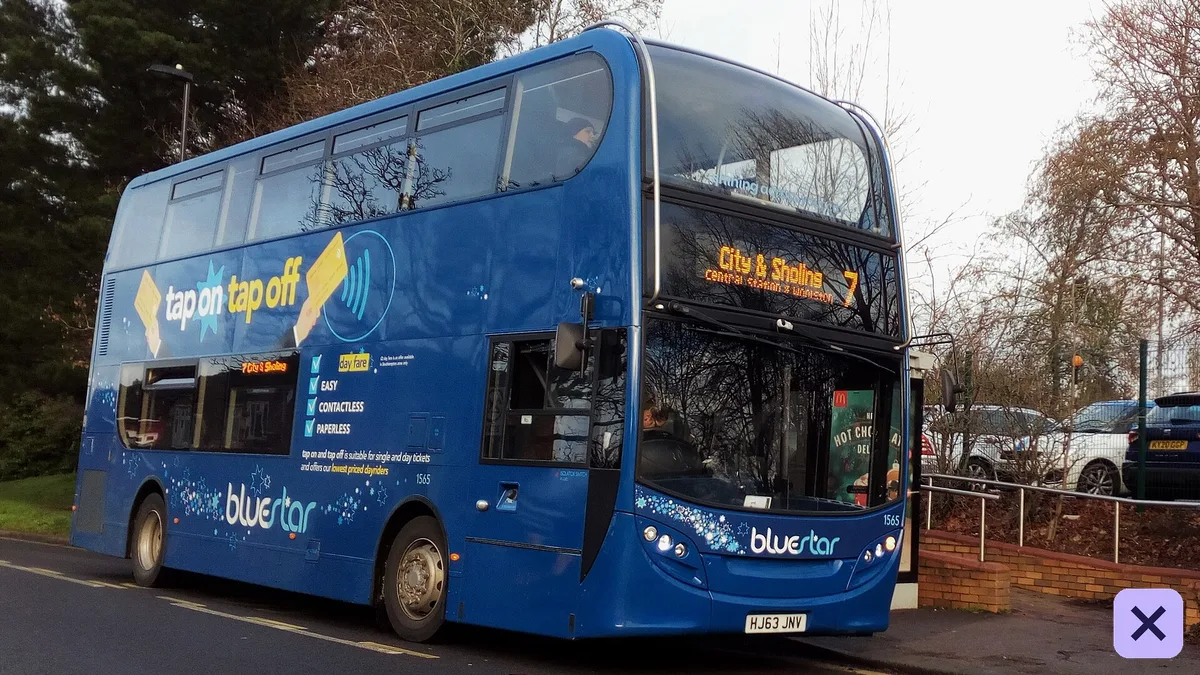
Tour Buses to Avoid in 2026: Coaches That Spoil the Sightseeing
The worst tour buses of 2026 are not the slowest vehicles on the road or the plainest ones in the fleet. They are the coaches that look smart in the depot and then wear their passengers and their operators down: seats that punish riders on a long scenic route, air conditioning that quits in a heatwave, an audio guide that crackles through the commentary, or a repair bill that arrives far earlier than the fleet budget planned for. This guide names the seven worst tour buses of 2026, based on published recall records, operator reports and repeated passenger complaints, so you can spot the pattern before you sign.
First, the distinction that matters. A tour bus is a sightseeing or coach bus bought by a tour operator: open-top double-deckers for city sightseeing, and long-distance motorcoaches for multi-day tours, judged on what passengers feel over hours in the seat, the view from the window, and the luggage space below. A city or school bus is a different vehicle, bought by a fleet for daily routes and judged on route reliability, and our guide to the worst buses of 2026 covers those. A van is smaller again, and our guide to the vans that let buyers down in 2026 shows how the same problems play out on smaller vehicles. This guide is only about the buses that carry tourists.
Key takeaways
- The Prevost H3-45 is the tour bus to avoid first: a superb coach with running costs and repair bills that only the biggest operators can carry.
- Air conditioning and seats are the weak points that passengers notice first: a tour bus that cannot stay cool or comfortable fails at its basic job.
- Open-top sightseeing buses live or die by the weather: a leaky roof or a dead audio guide ruins the tour, whatever the chassis.
- Dealer and parts support matters as much as the bus: a thin network means long waits for parts and warranty work that takes vehicles off the road.
- Always check the recall record, the service history and a pre-purchase inspection before you buy, and test the exact bus on a full tour route, not just around the depot.
How the worst tour buses of 2026 were chosen
Every bus below was scored on five measures. Reliability comes first: how often operators report faults, and how serious they are. Repair cost is second, because a dealer-only repair turns a nuisance into a disaster. Support is third, judged on the dealer network and how long parts take to arrive. Passenger comfort is fourth: whether riders can sit, see and breathe comfortably for a full tour. Value is fifth: the real five-year cost, including downtime and lost tour days, not the forecourt price.
Two notes before the list. First, no bus here is slow or ugly, and most of them are genuinely useful when they are running. They earn their place because the ownership experience lets them down, not because the engine is weak. Second, this guide does not re-rank the coaches already judged as fleet buses: the premium motorcoach covered in our bus guide is judged there on fleet terms, and the coaches below are judged here on tour terms, where passenger comfort and sightseeing matter most.
Comparison table: the worst tour buses of 2026
| Rank | Tour bus | Main reported problems | Who should avoid it |
|---|---|---|---|
| 1 | Prevost H3-45 | Premium price, costly repairs, heavy running costs | Small operators with one coach |
| 2 | Van Hool CX45 | Thin dealer cover, slow parts, costly electronics | Buyers far from a Van Hool dealer |
| 3 | Temsa TS 45 | Air conditioning faults, rattling interior, resale | Operators running hot summer tours |
| 4 | Setra S 417 TC | High purchase price, dealer-only repairs | Buyers watching the five-year cost |
| 5 | Alexander Dennis Enviro500 | Leaky open-top roof, noisy upper deck, hard ride | Operators in wet or cold climates |
| 6 | Higer KLQ6109GS | Thin support, parts delays, dated comfort | Buyers who cannot afford downtime |
| 7 | Converted ex-city buses | Wrong seats, no luggage space, tired running gear | Anyone selling a premium tour |
The worst tour buses of 2026
1. Prevost H3-45: the tour bus to avoid first
The Prevost H3-45 is the coach that every tour operator dreams about: a quiet, powerful, beautifully built motorcoach with the best ride in the class and a cabin that feels like a lounge. Passengers love it, drivers love it, and on a long scenic tour it is the best seat in the business. The problem is everything that comes after the sale: parts and repairs cost far more than on any rival coach, and fuel and tyre bills are heavy too. For a large operator with a fleet and a workshop, it is a fine flagship; for a small operator with one coach, a single big repair can wipe out a season’s profit.
2. Van Hool CX45: clever, and dealer-only when it breaks
The Van Hool CX45 is a handsome European coach with a light, airy cabin and a ride that passengers praise, and operators report that it is a genuinely pleasant bus to travel in. The problem is support: the dealer network in North America is thin, parts take longer to arrive, and the electronics that run the modern coach need dealer-only diagnostics that independent workshops cannot do. Owners report that a small electrical fault can leave a coach off the road for days while parts are shipped. The CX45 suits an operator with a dealer nearby and a spare coach; it punishes anyone who buys one far from support.
3. Temsa TS 45: a good coach at the wrong price for hot tours
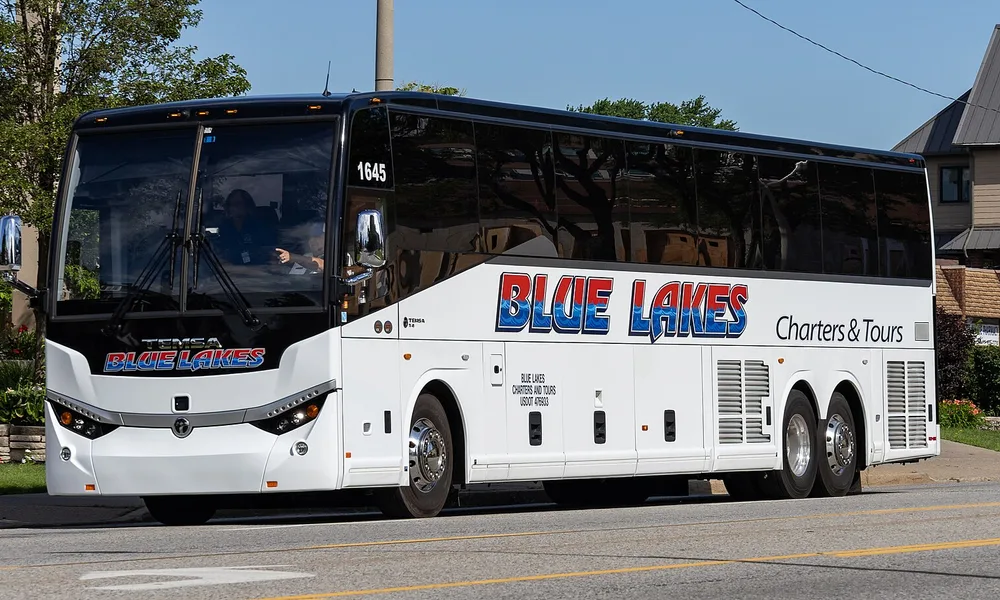
The Temsa TS 45 is a popular choice for tour operators because it is cheaper to buy than the premium European coaches, and it looks the part: a modern motorcoach with a bright cabin and good luggage space below. Operators report that the value is real, but the air conditioning is the weak point, and on a hot summer tour that is the only thing passengers remember. Owners report repeated air conditioning faults, a rattling interior that gets worse with mileage, and resale values that fall faster than the premium brands.
4. Setra S 417 TC: brilliant, and brutally expensive to keep
The Setra S 417 TC is the premium coach of the European tour world, and it earns the reputation: a quiet cabin, superb seats, and a ride that makes a six-hour scenic route feel short. Passengers who ride in one remember it, and operators who buy one rarely regret the comfort. The problem is the price, and then the price again, every time something needs fixing: parts are expensive and repairs often need dealer-only tools and training.
5. Alexander Dennis Enviro500: a harsh ride with a leaky roof
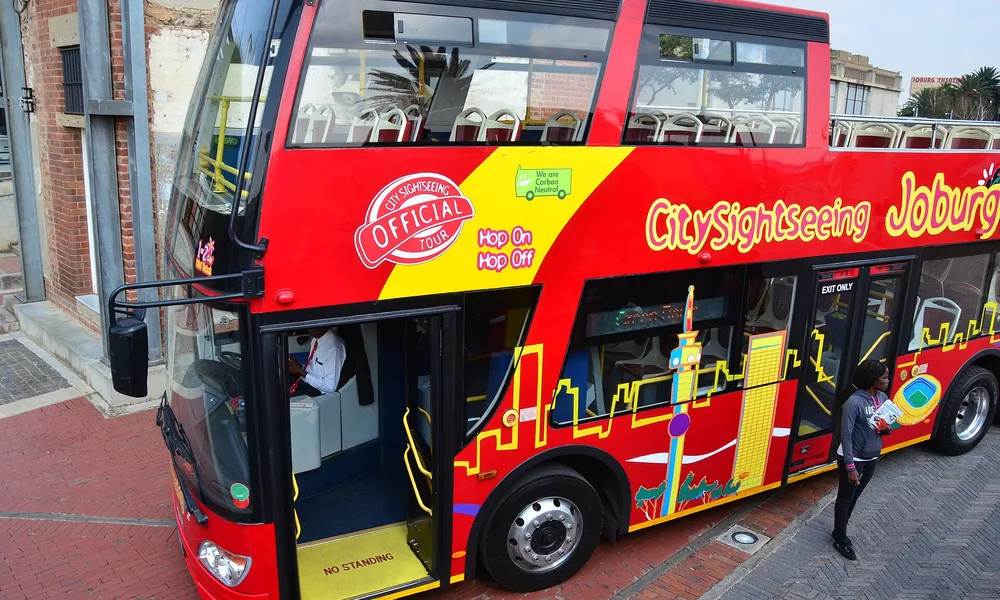
The Alexander Dennis Enviro500 is the open-top double-decker that runs sightseeing tours in cities around the world, and it is easy to see why operators choose it: two decks of seats, a great view from the top, and a familiar, proven design. Passengers report that the view is superb on a fine day, and the problems arrive with the weather: leaks around the open-top roof, a hard ride, and a noisy upper deck that makes the audio guide hard to hear. In a dry, warm city it is a fine sightseeing bus; in a wet climate, the leaks and the noise turn a premium tour into a soggy complaint.

6. Higer KLQ6109GS: capable, but support is the gamble
The Higer KLQ6109GS is the open-top double-decker that runs sightseeing tours in cities from Astana to many others, and it is a striking bus: bright, cheerful, and built for the job, with an open upper deck that gives tourists the view they paid for. Operators report that the bus itself is sound and the price is attractive next to European double-deckers. The problem is support: the dealer network is thin and warranty work can leave a bus off the road for weeks. For a small operator with one bus, the support gamble is too big.
7. Converted ex-city buses: strong on paper, costly in the workshop
The cheapest way into the tour business is to buy a retired city bus, paint it, and put it on a sightseeing route, and plenty of operators do exactly that. The problem is that a city bus was never built for touring: the seats are hard and upright, there is no luggage space below, the windows are small, and the running gear is tired after a decade of city routes. Passengers notice all of it within the first hour. A converted city bus can work for a budget hop-on, hop-off loop, but anyone selling a premium tour should avoid it.
What to avoid when buying a tour bus in 2026
The most common tour bus regret is not a bad bus but a wrong match: a coach bought for city sightseeing, an open-top bus bought for a wet climate, or a premium coach bought by an operator who cannot afford its repairs. Avoid the trap by checking four things before you pay: the air conditioning on a hot day with a full load, not in a cool depot; the seats on a two-hour ride, not a ten-minute sit; the luggage space with the group’s actual bags; and the dealer network near your base. The same checks work on other passenger vehicles too, and our guide to the worst RV campers of 2026 makes the same point about comfort and support.
Checklist: buying a tour bus in 2026
- Ride the exact bus for two hours with a full load, and test the air conditioning on a hot day.
- Check the seats, the legroom and the view from the back rows, where the worst seats always hide.
- Test the audio guide from every seat, and check the canopy and roof seals with a hose before you sign.
- Check the recall record, the service history and the warranty, and ask who does warranty work near your base.
- Load the luggage bay with the group’s actual bags, and check the door seals and the lift if you carry wheelchairs.
- Price the five-year cost, including tyres, brakes and lost tour days, not just the forecourt price.
Frequently asked questions
What is the worst tour bus to buy in 2026?
The Prevost H3-45: the best coach to ride in, and the most expensive to own, with costs only the biggest operators can carry.
Are tour buses the same as city buses?
No. A city bus runs short daily routes for commuters. A tour bus carries tourists on scenic routes and multi-day tours, with comfortable seats, luggage space and a guide system.
Are electric tour buses a mistake in 2026?
Not always, but range falls sharply in cold weather and with a full load, and charging takes planning a diesel coach never needs.
How important is the dealer network when buying a tour bus?
It matters as much as the bus. A thin network means long waits for parts, and every day a tour bus is off the road is a day of refunds and lost bookings.
Should I buy a converted city bus for tours?
Only for a budget hop-on, hop-off loop. The seats, windows and luggage space were built for city hops, not a full day of sightseeing.
What should I check on a used motorcoach?
The air conditioning under load, the seats in the back rows, the luggage bay, the service history, and the recall record. Then drive it loaded for a full tour route.
Bottom line
The worst tour buses of 2026 are the ones that make the sightseeing day harder: seats that punish riders, air conditioning that quits in the heat, roofs that leak, and dealer networks that leave buses off the road. Buy the bus that matches the tour, check the comfort as carefully as the engine, and the bus will make the trip instead of ruining it.