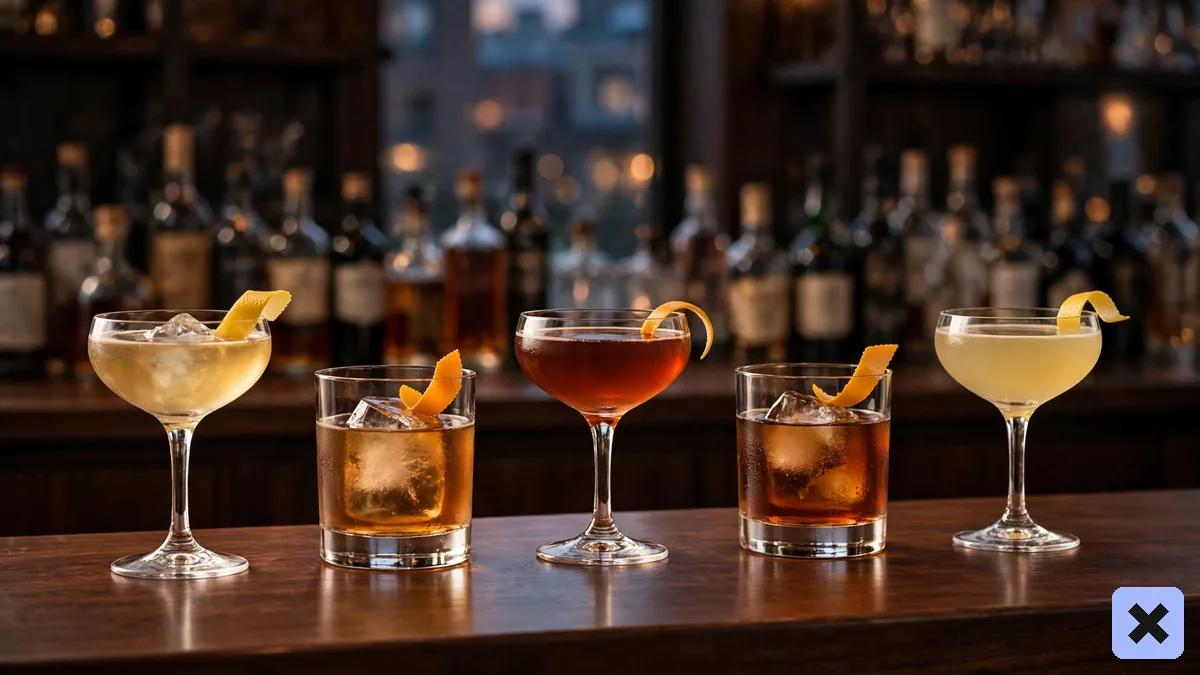
Walk into almost any cocktail bar tonight and you will see the same scene at tables all around you. Someone orders a drink that arrives under a glass dome filled with smoke, another gets a glittering blue concoction that looks better on camera than it tastes in the glass, and a third pays a small fortune for a thimble of something topped with foam or a miniature garden. The worst cocktail trends bars should retire have turned drinking into theatre, and the audience is starting to notice that the show is better than the drink.
The problem is not experimentation. Every classic was once a strange new idea. The problem is trends that survive long after they stop serving the drinker, because they photograph well or let a bar charge more for less.
This is a clear-eyed look at the cocktail trends that have outstayed their welcome, why they fail, and what good bars do instead. If you love cocktails, you do not need gimmicks to enjoy them. You need balance, honest measures, fresh ingredients, and a bartender who cares more about flavour than about your phone camera.
Key takeaways
- Smoke, glitter, and colour-changing drinks usually mask weak balance rather than improving it.
- Dessert-style cocktails and oversweet sours hide poor spirits instead of showcasing good ones.
- Tiny pours at luxury prices and gimmick garnishes charge you for theatre, not taste.
- Overlong, novelty-chasing menus make ordering stressful and slow the whole bar down.
- The best bars retire a trend when it stops serving the drinker, and replace it with classics done well.
How a Good Trend Turns Bad
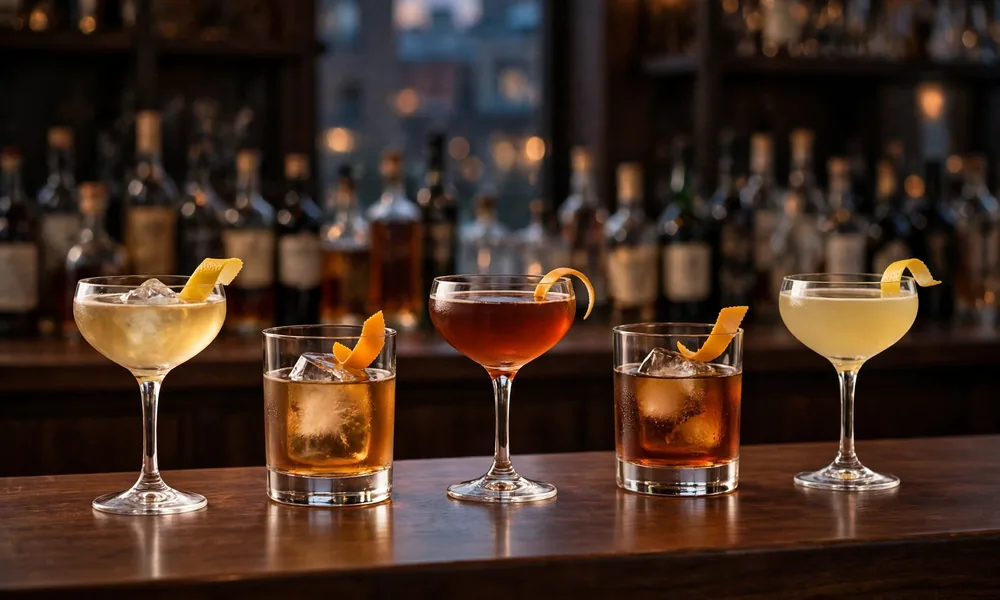
Every trend on this list started with a reasonable idea. Smoke can add aroma to a spirit-forward drink, a little sweetness can round off sharp citrus, and a striking garnish can signal care. The trouble begins when the idea becomes the point of the drink and flavour becomes an afterthought.
A good test is simple. Take away the smoke, the glitter, the foam, and the garnish, and ask whether anything worth drinking remains. If the answer is no, the trend is not enhancing the cocktail. It is hiding it. Gimmicks also cost time and slow service on a busy night.
The Worst Cocktail Trends Bars Should Retire
The trends below are not rare curiosities. They appear on menus in big cities and small towns alike, and they share one trait: the drink is worse because of them, not better. Retiring them would not make bars boring. It would make them better.
Smoking Every Drink on the Menu
A smoked Old Fashioned can be a pleasure when the smoke is light, the wood is well chosen, and the drink underneath is balanced. That is not what most bars serve. Too often the smoke is so heavy that it overwhelms the whiskey, the glass smells like a campfire for the rest of the evening, and the first sip tastes of ash rather than spirit.
Smoke also drifts. One table’s smoked cocktail becomes every nearby table’s smoked evening, whether those guests wanted it or not. Smoke suits a rare drink, not a whole menu. A great Old Fashioned does not need a fog machine. It needs good bourbon or rye, the right amount of sugar, bitters, and a clean citrus peel.
Glitter, Colour-Changing Drinks, and Neon Potions
Edible glitter and colour-changing cocktails were made for social media, and it shows. They photograph beautifully and taste like an afterthought, because the ingredients chosen for their colour are rarely the ingredients chosen for flavour. A drink that shifts from blue to purple when you add citrus might be fun for ten seconds, but you still have to drink the rest of it.
Glitter adds no flavour, no aroma, and no texture worth having. It adds sparkle, and sparkle is not a flavour. Bars should retire the potions and let the drink speak for itself.
Dessert Cocktails That Drink Like Pudding
A dessert cocktail has its place at the end of a meal, but the trend has gone too far. Menus are crowded with drinks built on chocolate syrup, caramel sauce, whipped cream, and liqueurs so sweet that the base spirit disappears entirely. These are milkshakes with a splash of alcohol, not cocktails.
The trouble is not sweetness itself. A Daiquiri is sweet, a Margarita is sweet, and both are classics. The trouble is sweetness used as a substitute for balance. Sugar is the cheapest flavour a bar can sell, and it hides the spirit entirely.
Tiny Pours at Luxury Prices
Nothing damages trust faster than a cocktail that costs a fortune and arrives in a glass that looks half empty. The trend of shrinking pours while raising prices is easy to spot: a small coupe with a modest measure, a tall price, and a garnish doing the heavy lifting of justifying the cost.
Guests notice when a cocktail feels generous and when it feels stingy. A bar charging a premium should deliver one, starting with an honest measure. Value is not about cheap drinks; it is about feeling that the price matches what is in the glass, and that is exactly what good value actually looks like in fine dining, where the best rooms earn their prices with quality rather than gimmicks.
Gimmick Garnishes That Get in the Way
A garnish should do one of three things: add aroma, add a little flavour, or signal what is in the drink. The worst cocktail trends ignore all three and treat the glass as a stage. Whole herb sprigs that poke you in the nose, towers of fruit that collapse into the drink, and caviar on a Martini all share the same flaw. They make the drink harder to enjoy.
A garnish that falls into the glass, or one you must remove before drinking, is an obstacle, not a garnish. Good garnishes are simple and purposeful: a twist of lemon over a Martini, a lime wedge on a Gimlet, a cherry in a Manhattan. Bars should retire the garnish arms race and return to garnishes that serve the drink.
Menus That Chase Every Novelty at Once
Some bars try to be everything at once: smoked drinks, glitter drinks, frozen drinks, dessert drinks, and a page of house creations with names longer than their ingredient lists. The result is a menu that reads like a catalogue of trends rather than a point of view, and guests take forever to choose.
This mirrors a familiar restaurant problem, where a menu that tries to do too much leaves guests confused and kitchens stretched thin. A bar with forty novelty drinks cannot make all of them well. A strong menu is short and confident: classics made properly, a few house drinks, and the flexibility to make a guest’s favourite even when it is not listed.
What the Best Bars Do Instead
The best bars are not anti-fun. They serve drinks that are joyful, surprising, and memorable. The difference is that their surprises come from flavour, not from props. A perfectly balanced Daiquiri can be more surprising than a smoking potion, precisely because so few bars make one well.
Good bars respect the classics: fresh citrus, clear ice, good spirits, measured recipes, and staff who taste every drink before it leaves the bar. There is a broader lesson here about how hype distorts taste, because trends spread fastest when they look impressive rather than when they taste good. The bars that last ignore the hype cycle and focus on whether the drink in the glass is delicious.
Retire or Keep: A Quick Guide
If you are deciding whether a trend deserves a place on a menu, the table below is a useful starting point. It separates the trends that add something real from the ones that only add noise.
| Trend | The problem | Keep it if | Better choice |
|---|---|---|---|
| Smoked cocktails | Smoke overwhelms the spirit and drifts across the room | The smoke is light and suits one specific drink | A clean, well-balanced Old Fashioned |
| Glitter and colour-changing drinks | Colour is chosen for the camera, not for flavour | Never as a house style | A drink coloured honestly by its ingredients |
| Dessert cocktails | Sugar and cream hide the spirit entirely | One or two balanced options at the end of a meal | A classic sour with fresh citrus |
| Tiny luxury pours | Guests feel short-changed and trust drops | Never; price should match the pour | An honest measure at a fair price |
| Gimmick garnishes | They block, collapse, or change the drink | The garnish adds aroma or flavour | A simple twist, wedge, or cherry |
| Novelty-chasing menus | Too many drinks, none made truly well | Never as a strategy | A short menu of classics done properly |
How to Spot a Trend Worth Retiring
You do not need to be a bartender to judge whether a cocktail trend has run its course. Use this checklist the next time a menu leans heavily on theatre.
- Remove the gimmick test: imagine the drink without the smoke, glitter, foam, or garnish, and ask whether it would still be worth ordering.
- Check the balance: you should be able to taste the spirit, the citrus or vermouth, and the sweetener working together.
- Watch the pour: the glass should look generous for the price, not like a tasting sample with a luxury tag.
- Smell before you sip: if the first thing you notice is smoke or a garnish in your nose, the drink is fighting you.
- Count the menu: a short menu with a clear point of view usually beats a long list of novelty drinks.
- Ask the bartender: a good bartender will explain why a drink works; a trend-chasing bar will talk about how it looks.
Frequently Asked Questions
Are smoked cocktails always bad?
No. A lightly smoked, balanced drink can be enjoyable. The trend worth retiring is smoking as a default flourish on every drink, where smoke overwhelms the spirit. Used rarely and with intent, smoke has a place. Used everywhere, it becomes noise.
Why do bars keep serving trends guests complain about?
Because trends sell in the short term. A glittering drink gets photographed and shared, bringing new guests through the door. The cost appears later, when those guests do not return because the drink was forgettable.
Is it wrong to order a sweet or dessert cocktail?
Not at all. A well-made dessert cocktail at the end of a meal can be a pleasure. The problem is a menu where sweetness replaces balance, so every drink tastes like syrup and none tastes like its spirit.
How can I tell if a cocktail is good value?
Look at the spirit, the freshness of the ingredients, the size of the pour, and the skill of the preparation. A fairly priced drink made well is good value even when it is not cheap. A small, sugary, heavily garnished drink at a premium price is not.
Do classic cocktails ever go out of fashion?
Classics fall in and out of fashion but never disappear, because they are built on balance rather than novelty. A Martini made well today tastes much as it did decades ago. Trends come and go; balanced recipes endure because they work.
What should I order instead of a novelty cocktail?
Ask the bartender for a classic made properly, or for the house drink they are proudest of. A good bartender would rather make you a great Daiquiri or Negroni than a smoking potion.
The Bottom Line
The worst cocktail trends bars should retire put theatre ahead of taste: heavy smoke, glitter potions, pudding-like dessert drinks, tiny pours at luxury prices, gimmick garnishes, and novelty-chasing menus. None makes a cocktail taste better, and all make the evening worse for someone.
Retiring these trends would not make bars dull. It would make them honest, and honesty is what the best bars have always sold. Fresh ingredients, balanced recipes, and generous pours will always beat a smoke machine. Next time you order, skip the spectacle and ask for the drink made well.


