
The worst comedy podcasts 2026 produced share one unhappy talent: they take a commute, a workout or a quiet evening, a premise that sounded funny in the pitch meeting, and turn all of it into forty minutes you will never get back. Comedy audio is the hardest kind of podcast to get right, because it asks a show to be funny without a face, a set or an edit you can see, and when the timing, the writing or the chemistry fails, there is nowhere to hide. This guide ranks the worst types of comedy podcast from 2026, the formats and habits that fail most often, so you can spot them in the first five minutes and skip them. It ranks types of show rather than naming individual shows, because the same failures repeat across hundreds of feeds.
Key takeaways
- The worst comedy podcasts fail on laughs first: if nothing makes you laugh in five minutes, it will not get funny later.
- Hosts laughing at their own jokes is the biggest warning sign: if the makers are the only ones laughing, it is an in-joke, not a comedy.
- Rambling is the most common failure: a show with no point and no ending is a chat that forgot to be funny.
- Ads break comedy faster than any other genre, because a joke needs timing and a mid-joke sponsor read destroys it.
- Judge a show by one full episode, not by its trailer or its download count.
How the worst comedy podcast types were ranked
Each type below is scored on four measures: laugh rate, originality, listenability and respect for the listener’s time. Laugh rate is the simplest test. Count the real laughs, not the polite smiles. A good comedy podcast lands a genuine laugh every few minutes. The worst types go ten minutes or more between laughs, and the laughs they do get are small and tired. Originality matters because comedy depends on surprise. Listenability covers sound, pacing and whether the show is easy to follow while you are doing something else, which is how most people listen. Respect for time is the measure the worst types fail hardest. The scores below are worst scores out of ten, with ten meaning the most punishing listen of the year.
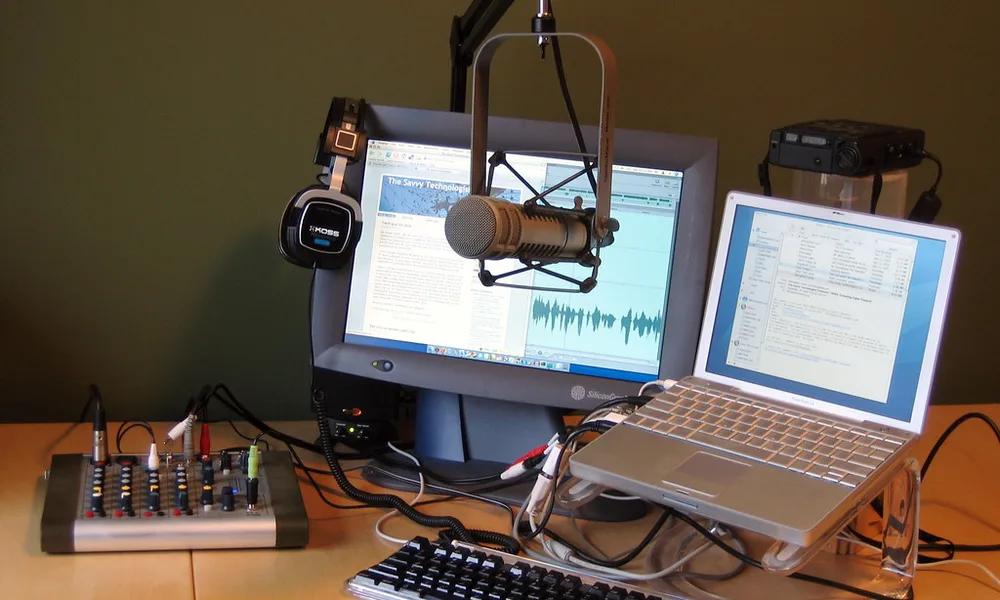
Comparison table: the worst comedy podcasts 2026
| Worst type | Main flaw | Time wasted | Worst score |
|---|---|---|---|
| The Self-Laughing Hosts | Hosts laugh, listeners do not | High | 10 out of 10 |
| The Rambling Two-Host Chat | No point, no structure, no ending | Very high | 10 out of 10 |
| The Shouty Hot-Take Show | Volume instead of jokes | Medium | 9 out of 10 |
| The Recycled-Joke Clip Show | Jokes you have heard before | Medium | 9 out of 10 |
| The Guest Who Hijacks Every Episode | Guest talks, hosts disappear | High | 8 out of 10 |
| The Ad-Stuffed Half Hour | Sponsors break every joke | High | 8 out of 10 |
| The Improv Show That Never Lands | Scenes with no ending | Medium | 8 out of 10 |
Two types share the top score because they fail in opposite ways. The Self-Laughing Hosts are loud with laughter and empty of jokes. The Rambling Two-Host Chat is quiet, loose and just as empty.
1. The Self-Laughing Hosts: the only people laughing are making the show
The Self-Laughing Hosts are the worst type of comedy podcast in 2026 because they break the basic contract of comedy in the first minute. The hosts tell a story, crack up before the punchline, spend a minute laughing at each other’s laughter, and then move on without ever delivering a joke the listener can join in with. If you want a wider view of the habits that make listeners skip any genre, our guide to The Worst Podcast Trends Listeners Skip covers long intros, fake urgency and misleading titles in detail.
2. The Rambling Two-Host Chat: no point, no structure, no ending
The Rambling Two-Host Chat is the most common bad comedy podcast, and the easiest to start, which is why there are so many of them. Two friends press record, talk about their week, drift into a story about a neighbour, remember a film they saw, argue briefly about food, and then realise forty minutes have passed and nothing funny has happened. The five-minute test works here. If five minutes in you cannot say what the episode is about, it is not about anything, and the remaining thirty-five minutes will not fix that.
3. The Shouty Hot-Take Show: volume instead of jokes
The Shouty Hot-Take Show mistakes energy for humour. The hosts speak loudly, interrupt each other, declare that something is the worst thing ever or the funniest thing ever, and treat strong opinions as a substitute for jokes. It makes it harder to listen to, especially on a commute or a run, where loud audio is genuinely tiring. The shouty show aims everywhere and hits nothing. If a show makes you reach for the volume button in the first two minutes, reach for the skip button instead.
4. The Recycled-Joke Clip Show: jokes you have heard before
The Recycled-Joke Clip Show is built from other people’s material. The hosts play clips, read out old jokes, retell stories that were already famous online, and add a thin layer of reaction on top. The reaction is the only original part, and it is rarely enough. Comedy depends on surprise, and there is no surprise in a joke you have already seen as a video, a post or a meme. If you have seen it, you do not need to hear it again with someone laughing over the top.

5. The Guest Who Hijacks Every Episode: the hosts disappear
The Guest Who Hijacks Every Episode is a strange failure, because the guest is often interesting and the episode is often listenable, yet the show still fails as comedy. The pattern is simple: the hosts book a guest, the guest starts talking, and the hosts never get the conversation back. The guest tells long stories, promotes a project, answers questions nobody asked, and the comedy hosts become an audience, laughing politely and saying very little. The best comedy podcasts treat guests as ingredients, not as the whole meal: the guest arrives, adds something specific, and leaves before the show loses its shape.
6. The Ad-Stuffed Half Hour: sponsors break every joke
The Ad-Stuffed Half Hour is the type that fails on trust as much as on laughs. The episode opens with a sponsor read, runs a second one ten minutes in, drops a mid-roll ad in the middle of a story, and closes with a discount code read at length. Comedy needs timing, and every ad break is a cut in the middle of a rhythm the show was only just building. The warning sign is the ratio. If the episode description spends more words on the sponsor than on the content, the show has already told you its priorities. A show with one honest sponsor read at the start is fine. A show that stops every eight minutes to sell you something is not a comedy podcast with ads. It is an ad break with jokes in between.
7. The Improv Show That Never Lands: scenes with no ending
The Improv Show That Never Lands is the most frustrating type on this list, because the talent is real and the result is still unlistenable. A group of quick, funny performers start a scene, find a game, and then cannot end it. The scene goes on for ten minutes, then fifteen, circling the same joke, adding characters nobody needs, and slowly losing the energy it started with. The show needed an edit, and nobody did one.
What the best comedy podcasts of 2026 do instead
The good comedy podcasts of the year share a small set of habits that the worst types ignore. They open with a joke, a question or a premise in the first minute, so the listener knows why they pressed play. The same failures sink other genres too, as our ranking of the year’s weakest travel shows in Worst Travel Podcasts 2026 shows. They also keep episodes honest about what they are: the title matches the content, the guest is introduced properly, and the show does what it promised in the first minute.
Checklist: spot a bad comedy podcast in five minutes
- Have you laughed, properly laughed, in the first five minutes? If not, the episode is unlikely to fix that later.
- Can you say what the episode is about?
- Are the hosts laughing more than you are? If so, you are outside the joke, not inside it.
- Has an ad already broken a joke or a story? One early sponsor read is fine, two is a pattern.
- Is the show telling you jokes you have already heard online, in a video or as a meme?
- Would the episode still work if you removed the guest, the clips and the shouting?
If three or more answers are no, unsubscribe and pick another show. The same test works for road trips, where a show must hold a whole car, as our guide to Best Podcasts for Road Trips 2026 explains.
Frequently asked questions
Are the worst comedy podcasts of 2026 the same as the least popular ones?
Not exactly. Popularity measures downloads, and a show can be widely downloaded and still be a bad listen, especially if it has famous hosts or a big marketing budget. This ranking looks at the types of failure that repeat across the year’s weakest comedy shows.
Why rank types instead of naming individual shows as the worst?
Because the same failures repeat across hundreds of feeds, and a show that fails one listener may suit another. Types let you spot the next bad show before you subscribe.
Can a comedy podcast be good if it has no script?
Yes, and the best loose shows of the year prove it. The difference is shape: a good unscripted show still has a topic, a game or a question that gives the episode somewhere to go. A bad one has no shape at all.
How many episodes should I try before giving up on a show?
One full episode is enough for the five-minute test, and two episodes are enough to be fair. If a show fails the laugh test twice, it is not going to pass on the third try. Comedy either lands quickly or it does not land.
Do ads always ruin a comedy podcast?
No. One honest sponsor read at the start, or a short break between segments, is fine and keeps good shows free. The problem is frequency and placement: ads in the middle of a joke break the rhythm comedy needs,
What is the fastest way to find a good comedy podcast?
Listen to the first five minutes of an episode, not the trailer. Trailers are edited highlights, and a show can cut a great trailer from a mediocre run.
Bottom line
The worst comedy podcasts 2026 gave us were not bad because their hosts were untalented or their ideas were unfunny. They were bad because they forgot that comedy is a promise to the listener: laugh soon, laugh often, and respect the time you are asking for. Give a show five minutes, count the real laughs, and if there are none, unsubscribe without guilt. Start with a show a friend recommends, try one full episode, and let the laughs decide. The good shows reward the same five minutes with a laugh you will remember at the end of the episode.


