
Worst Parenting Podcasts 2026
The worst parenting podcasts in 2026 are not the quiet shows recorded in a kitchen after bedtime. They are the loud ones that turn the hardest job in the world into a contest, a sales pitch, or a source of shame. A tired parent searching for help at 2am needs calm, honest advice that respects how different every family is. The worst shows do the opposite: they pick one rigid method, call it the only truth, and shame every listener who cannot follow it. Our guide to the worst interview podcasts found the same carelessness in interview shows, but parenting podcasts fail in their own way: the listener is vulnerable and bad advice lands on real children.
This guide ranks the eight worst types of parenting podcasts, judged on what a parent actually gets: how honest the advice is, how much it respects different families, how often it stops to sell something, and how it leaves you feeling. The types below are patterns to avoid. No acclaimed show is named here as worst: the point is the pattern, not the person.
Key takeaways
- The worst parenting podcasts sell one rigid method as the only truth, and shame every parent who cannot follow it.
- Sleep-training wars, mum-guilt, and screen-time panic are the three most common traps in the genre.
- A host who has never worked with real families is not an expert.
- Product plugs, paid courses, and coaching upsells are the clearest warning sign in a parenting feed.
- Check the episode description, the guest list, and the first five minutes before you subscribe.
How we judged the worst parenting podcasts
We judged every type on the same seven measures. Honesty came first: is the advice grounded in evidence and real experience, or just confident opinion dressed up as science? Respect for difference came second, because a method that only works for one kind of family is not a universal rule. Selling pressure came third, covering the courses, books, and gadgets pushed in every episode. Emotional cost was fourth: does the show leave you calmer, or anxious and guilty? Expertise was fifth, asking whether the host has training or real professional experience. Balance was sixth, covering shows that only ever present one side. Listener respect was seventh, covering shows that waste an hour or treat exhausted parents as a market to mine. A type that fails on three or more measures ranks high on our worst list.
The worst types of parenting podcasts at a glance
| Type | Main fault | Warning sign | Emotional cost |
|---|---|---|---|
| The sleep-training war show | One method, no exceptions | Other methods called abuse | Very high |
| The mum-guilt machine | Shame as entertainment | Every episode ends in tears | Very high |
| The discipline guru | One answer for every child | No mention of age or temperament | High |
| The screen-time panic show | Fear without solutions | Screens called poison | High |
| The perfect-parent pressure show | Unrealistic standards | Every day looks effortless | High |
| The product-pushing show | Selling, not helping | A course in every episode | Medium |
| The trauma-dump confessional | Children used as content | Private family rows aired | High |
| The expert-free anecdote show | One family as proof | My child did this, so yours will | Medium |
The eight worst types of parenting podcasts in detail
1. The sleep-training war show
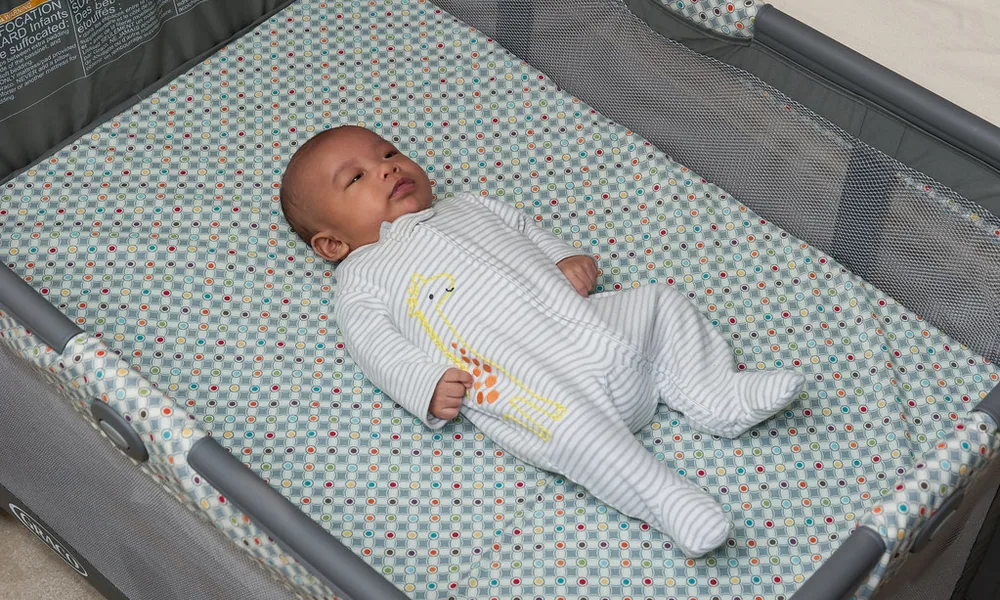
Sleep is the rawest nerve in early parenting, and this show presses it. The host has one method, usually the one that worked for their own child, and treats every other approach as neglect. Parents who rock, feed, or co-sleep are told they are ruining their child for life. The show never mentions that children differ, or that exhausted parents sometimes need to survive the night rather than follow a plan. The worst versions sell a sleep course at the end of every episode, which tells you what the show is really for. If a podcast makes you feel panicked about a bad night, it has failed at the one thing a sleep show should do: help you rest.
2. The mum-guilt machine
Every episode finds a new thing mothers should feel bad about: work, weaning, the lunchbox, the birthday party, the phone in the playground. The hosts trade stories of their own failures with a laugh, then turn the knife on listeners who write in for help. The point was to make you feel seen in your worst moment and keep you listening for the next one. A good show should reduce guilt, not manufacture it. If you finish an episode feeling worse about yourself, unsubscribe.
3. The discipline guru with one answer
The discipline guru ignores that every child is different. Their answer is always the same, whatever the age or temperament. The show is built around stories of children transformed in a week, with no mention of the families where the method failed. Real child development is slow, messy, and full of setbacks, but that does not make good audio, so the guru edits it out. Parents who follow a rigid script can end up in battles that damage trust, because the method matters more than the child in front of them. Look for hosts who talk about age, temperament, and repair after a row. A host who never says it depends has not met enough children.
4. The screen-time panic show
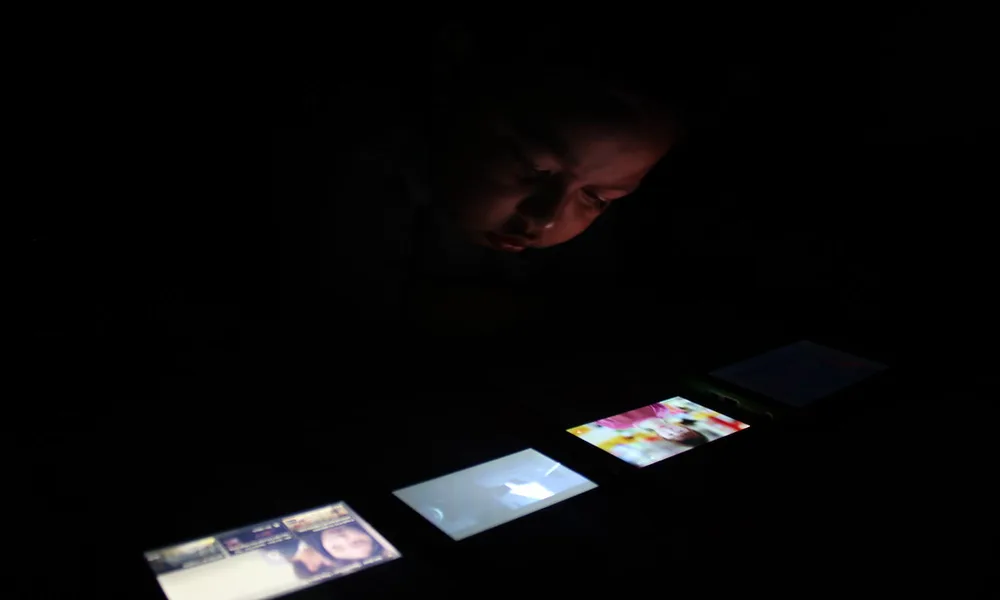
Screens are part of modern childhood, and parents need practical help managing them. This show offers panic instead. Every episode warns that tablets are rewiring brains and ruining a generation, usually with a study quoted so selectively it would not survive a second look. There is never a realistic plan for a rainy Sunday, a long car journey, or a parent who needs twenty minutes to cook dinner. The result is parents who feel guilty about the only tool that gives them a break. A useful show talks about what children watch, for how long, and what else fills the day. A bad one just shouts about the danger and leaves you to cope alone.
5. The perfect-parent pressure show
The host’s mornings run like clockwork and nothing is ever shouted, spilled, or late. The show is presented as inspiration, but it functions as a standard nobody can meet, because the hard parts have been edited out. Listeners compare their chaotic Tuesday with a polished recording and conclude they are failing. Real parenting is repetitive and frequently unsuccessful, and a show that never admits that is selling a fantasy. The hosts worth your time talk about the mornings that fell apart, not the ones that looked good on camera.
6. The product-pushing parenting show
The episode starts with a relatable struggle and ends with a discount code. The product might be a sleep trainer, a feeding gadget, or a coaching course that costs more than a family holiday. The host never mentions a free alternative and never says the product did not work for someone. Our guide to the worst celebrity podcasts found the same trick in fame-driven shows, but in parenting it is worse, because the buyer is exhausted and worried about their child. A show that only ever recommends one brand is an advert, not advice. If every episode ends at a checkout page, the show is not on your side.
7. The trauma-dump confessional
Honesty about the hard parts of parenting can be a gift, but this show takes it too far. Hosts and guests share intimate details about their children’s behaviour and private struggles, often without any sign that the child agreed or even knows the story is public. A child’s worst day becomes content that will live online forever. The audience is invited to judge the child alongside the host. Children cannot consent to becoming podcast characters, and a host who forgets that has crossed a line no amount of warmth can excuse. The best parenting shows protect the children they talk about, even when the story would be better with names attached.
8. The expert-free anecdote show
Two parents chat about what worked for them and present their experience as a guide for everyone else. The problem is that one family is not evidence. When a listener writes in with a problem that does not fit the hosts’ experience, the answer is a shrug or a joke. The show never brings in a professional, never checks a claim, and never corrects itself. Anecdotes are a fine starting point for a conversation. They are a poor basis for advice that other families will follow at 2am. Enjoy the chat if you like it, but do not treat it as guidance.

How to find a parenting podcast worth your time
Start with the episode description, not the chart position. A good show names the topic, the guest, and what you will learn, in plain language. A bad one promises a secret, a transformation, or a single trick that changes everything. Check the guest list across five episodes: if every guest is selling a course or a book, the show is a shop. If the guests include teachers, health visitors, and researchers, the show is doing real work. Listen to five minutes of the middle of an episode and ask whether the host listens to the guest or just waits to talk. Our guide to the worst comedy podcasts makes the same point about a different genre: the middle of an episode is where a bad show cannot hide. Finally, notice how you feel when it ends. A good show leaves you calmer, with one small thing to try.
Parenting podcast red-flag checklist
- One method is presented as the only correct way to raise a child.
- Every episode ends with a product, course, or coaching upsell.
- The host shames parents who make different choices.
- No expert, researcher, or professional ever appears as a guest.
- Children’s private struggles are shared in detail for entertainment.
- You feel worse about your parenting after listening than before.
Frequently asked questions
What makes a parenting podcast bad?
A bad parenting podcast gives rigid advice, shames parents who choose differently, and leaves listeners more anxious than before. The worst sell one method as the only truth and use guilt or fear to keep you listening.
Are all parenting podcasts with sponsors bad?
No. Sponsorship is normal, and a show can carry adverts and still give honest advice. The warning sign is a show where every recommendation points to the same product or course.
How can you tell a bad parenting podcast from the episode description?
Look for promises of a single secret or a method that works for every child. Good shows describe a specific topic and a real guest. Bad ones promise a miracle and hide the detail.
Should you stop listening after one bad episode?
One weak episode does not condemn a show. But if two episodes in a row rely on shame, panic, or selling, the pattern is the show, and it is time to unsubscribe.
Why do bad parenting podcasts top the charts?
Parenting is emotional, and fear and guilt are powerful hooks. A show that promises to fix your child’s sleep tonight will always attract tired parents, even when the advice is thin. Charts measure downloads, not quality.
What is the single biggest red flag in a parenting podcast?
A host who never says it depends. Children differ by age, temperament, and family life, so advice that ignores those differences is not advice. It is a slogan, and slogans do not raise children.
The bottom line
The worst parenting podcasts in 2026 fail for the same reason: they treat exhausted parents as an audience to frighten, shame, or sell to, rather than people doing a difficult job who deserve honest help. The patterns are easy to spot: one rigid method, guilt as entertainment, panic about screens, and a product at the end of every episode. Skip those shows and spend the time on hosts who admit that parenting depends on the child, the day, and the family in front of you.


