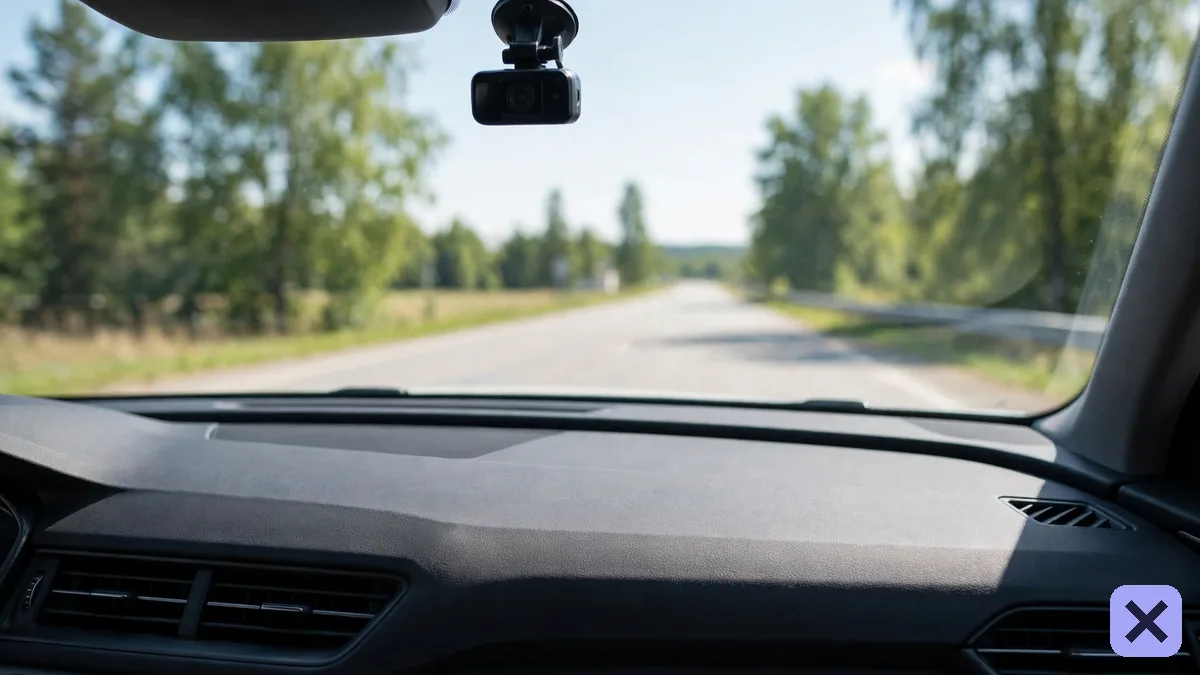
A dash cam is supposed to be the cheapest insurance you will ever buy. It sits quietly on your windscreen, records everything, and on the one day you actually need it, it pays for itself many times over. That is the promise. The reality is that some of the worst dash cams for value cost a small fortune and still fail at the single job they exist to do.
The worst dash cams for value are not always the most expensive ones, and they are not always the cheapest ones either. Value lives in the gap between what a camera costs and what it reliably delivers, and that gap is where most buyers get caught out. A camera that records beautiful footage in daylight but turns into a smeary mess at night is poor value at any price.
This guide looks at the worst dash cams for value by type, explains the hidden costs that quietly double what you thought you were paying, and shows you how to spot a bad-value camera before you buy. The goal is simple: spend once, spend wisely, and end up with footage you can actually use.
Key takeaways
- The worst dash cams for value fail at night, overheat in summer, or lock your footage behind a subscription.
- A low headline price often hides the real cost: a memory card, a hardwire kit, and a replacement within a year.
- Good night vision and reliable loop recording matter far more than touchscreens and voice control.
- Always check real night footage from ordinary drivers before trusting the pictures on the box.
- A mid-priced camera from a proven brand usually beats both the cheapest and the most expensive option.
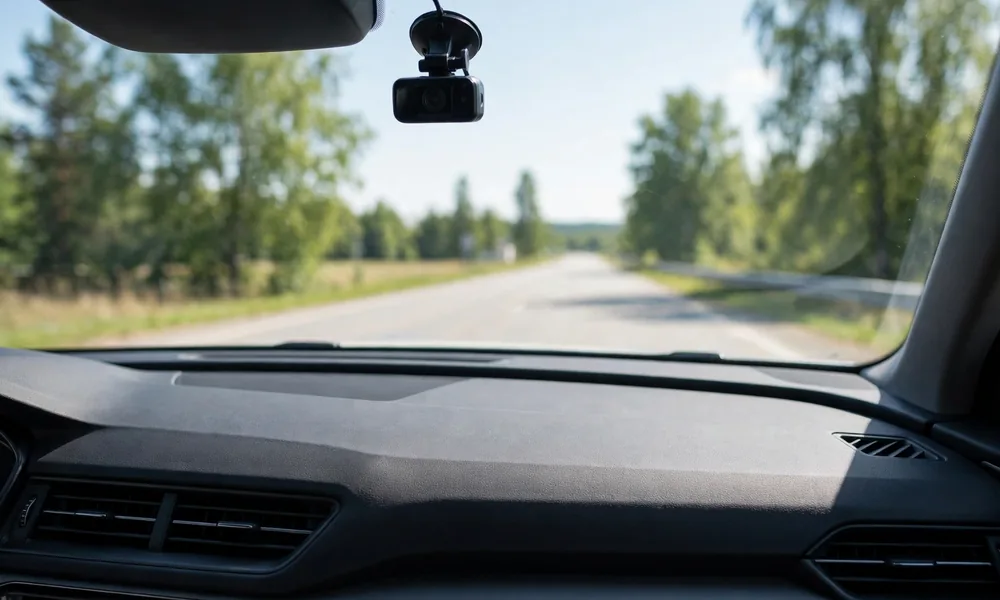
What Value Actually Means in a Dash Cam
A dash cam is a safety device with one core job: record a clear, continuous, time-stamped video of the road, in all conditions, and keep that video safe until you need it. Everything else is secondary, and anything that gets in the way of that core job destroys value. Judge a camera by its footage first, not by its feature list.
A camera that produces sharp, readable number plates at night is worth more than one with a beautiful touchscreen. A camera that survives three summers on a hot windscreen is worth more than one that dies in August.
The Price Tag Is Only the First Cost
The number on the shelf is rarely the number you end up spending. Many cheap dash cams arrive without a memory card, so your first drive records nothing until you buy one. Others include a tiny, slow card that corrupts within weeks, forcing you to buy a proper high-endurance card anyway. Add a hardwire kit for parking mode, and a bargain can easily cost twice its headline price.
Expensive cameras have their own version of this problem: some charge a monthly fee for cloud storage or even for viewing your own clips. Before you buy, add up the camera, the card, the fitting, and a year of any subscription. That total is the real price.
The Worst Dash Cams for Value, by Type
Bad-value dash cams come in recognisable types, and once you know the patterns you can spot them from a mile away. They are about design choices that reliably produce disappointment, at every price point.
The Bargain-Bin Camera That Fails When It Matters
The cheapest dash cams look like an unbeatable deal until you look at what they actually record. The lens is often a narrow plastic optic that flares badly in sunlight, the sensor is a generation or two behind, and the processor cannot handle a busy scene without smearing the detail. In daylight the footage can look acceptable on a phone screen. At night, number plates dissolve into white blobs, and in rain the image falls apart completely.
The build quality is usually just as compromised: cheap mounts wobble, suction cups fall off in the heat, and batteries swell and die. A dash cam that cannot capture a number plate is not a dash cam at all. Buying one is one of the most common car-buying mistakes in miniature: choosing on price alone.
The Overpriced Flagship With Features Nobody Uses
At the other end of the market sits the flagship dash cam that costs as much as a small television and justifies the price with a feature list that reads like a gadget catalogue. Voice control, gesture control, a large touchscreen, and driver alerts all sound impressive in a product listing. In practice, most drivers use none of them after the first week.
A large touchscreen is a distraction on a windscreen and a point of failure in heat, and dash cam driver alerts are almost always worse than the ones built into a modern car. It is the same pattern as car features that quietly inflate repair bills: cost without usefulness. A flagship can still be good value if its recording quality is genuinely the best available, but for most drivers the sweet spot sits well below the top of the range.
The Subscription-Locked Camera
Some modern dash cams sell the hardware cheaply, then charge a monthly fee for the features that make it useful. Cloud backup, remote viewing, and even downloading clips to your phone can sit behind a paywall. The camera works without the subscription, but only in a crippled form.
This is one of the worst value traps in the whole category, because the cost never stops. A modest camera with a monthly fee can easily become the most expensive camera you have ever owned within two years. If viewing your own footage requires a monthly payment, walk away.
The Hidden Costs That Destroy Value
The sticker price is only the beginning of what a dash cam costs to own. The table below sets out the extras that catch most buyers by surprise over the first year.
| Hidden cost | What it is | Typical extra cost | How to avoid it |
|---|---|---|---|
| Memory card | High-endurance card, often not included | Low to moderate | Buy a high-endurance card from the start |
| Hardwire kit | Needed for parking mode | Moderate | Check whether parking mode matters to you |
| Subscription | Cloud storage or app features | Moderate, every month | Choose a camera that works fully offline |
| Replacement mount | Cheap mounts fail in heat | Low, but annoying | Prefer adhesive mounts over suction cups |
| Early replacement | Cheap camera dies within a year | The full price again | Buy a proven model, not the cheapest |
| Professional fitting | Neat cable routing and hardwiring | Moderate | Fit it yourself if the routing is simple |
The single biggest hidden cost is early replacement. A camera that dies after a year costs you twice, usually at the worst possible moment. A slightly more expensive camera that lasts four or five years is almost always cheaper in the long run. Multiply any monthly fee by thirty-six and add it to the purchase price.
How to Spot a Bad-Value Dash Cam Before You Buy
Spotting a bad-value dash cam comes down to knowing what to check and in what order. You need patience, a sceptical eye, and a willingness to look past the marketing.
Read the Night Footage, Not the Box
The box will tell you about resolution, field of view, and features. It will not tell you whether the camera can read a number plate at night in the rain, because that is the test most bad cameras fail. Search for independent video reviews and skip straight to the night driving sections.
Pay attention to how the footage behaves in motion, not just in still frames. Pause a moving clip and look at the plates of passing cars. A good camera keeps them readable, while a bad one smears them into streaks.
What Good Value Actually Looks Like
Good value in a dash cam is not exciting, and that is the point. It is a mid-priced camera from a brand with a track record, with a proven sensor, a glass lens, and reliable loop recording. It records clear footage day and night, starts automatically, and lets you retrieve your clips without a subscription or a struggle.
The best-value cameras use a sensor combination reviewers praise for night performance, support a large, high-endurance memory card, and come from a manufacturer that still provides firmware updates a year or two after launch. Most drivers do not need a touchscreen or voice control. What they need is reliable recording.
The same judgement applies everywhere else in the car world: buy for real-world use rather than for a specification sheet, which is why sports cars that disappoint as daily drivers make such a useful cautionary tale: impressive on paper, frustrating in practice, and expensive to learn from.
Checklist: Before You Spend a Penny
Run through this checklist before you buy. If a camera fails more than one item, it is probably poor value, however tempting the price.
- Watch real night footage from an independent reviewer and confirm number plates are readable.
- Add up the full cost: camera, high-endurance memory card, fitting, and three years of any subscription.
- Confirm the camera records automatically, loops reliably, and protects impact clips without your input.
- Check that the camera works fully without a subscription, including viewing and downloading your clips.
- Make sure the mount is adhesive or otherwise secure, and the cable is long enough for a neat route.
- Verify the brand provides firmware updates and support, and that spare mounts and cables are available.
Frequently Asked Questions
What is the worst dash cam for value?
There is no single worst model, because value depends on price and performance together. The worst value comes from cameras that cannot record readable footage at night, cameras that lock features behind a subscription, and flagships loaded with features most drivers never use.
Is a cheap dash cam better than no dash cam?
Only if it reliably records readable footage, and many of the cheapest ones do not. A camera that fails at night or corrupts its memory card can give you a false sense of security. If your budget is tight, look for a proven older model from a reputable brand.
Do I need 4K in a dash cam?
Not necessarily. Genuine 4K at a good bitrate is useful, but a well-made 1080p camera with a large sensor and a fast lens will beat a cheap 4K camera in most real situations. Sensor size, lens quality, and bitrate matter more than resolution alone.
Are dash cam subscriptions worth paying for?
For most drivers, no. Cloud backup and remote viewing can be useful if you park in risky areas or manage a fleet, but for ordinary private use they are rarely worth a monthly fee. Recording, viewing, and downloading your own footage should work without any subscription.
How long should a good dash cam last?
A good dash cam should last at least three to five years with normal use. Heat is the main enemy, so a camera that survives several summers on a windscreen is a good sign. Replace the memory card every year or two and update the firmware when the manufacturer releases updates.
Should I buy a front and rear dash cam?
A front and rear system is worth it if both cameras are genuinely capable, because rear-end collisions are common and hard to prove without rear footage. Many dual-channel systems pair a good front camera with a weak rear unit, so check the rear footage separately. If the rear camera is poor, buy a strong single-channel camera instead.
The Bottom Line
The worst dash cams for value all make the same mistake: they ask you to pay for something other than reliable footage, whether a brand name, a feature list you will never use, a subscription that never ends, or a bargain that turns out to be no camera at all. Buy the camera that records clearly, starts automatically, and lets you keep your own footage without paying rent on it.


