
Worst Documentaries About Education 2026
The worst documentaries about education in 2026 are not the ones with the smallest budgets. They are the ones that take a subject that shapes every child’s life and turn it into a scare story, a sales pitch, or a simple morality tale. Schools are complicated, and a good film sits with that complexity. A bad one picks a villain and films until the story fits. The worst waste your evening and leave you less informed, because they replace understanding with outrage. Our guide to the worst documentaries about history found the same shortcuts in history films, but education films fail in their own way: the people they misrepresent are real teachers and real children, and the damage lands in real classrooms.
This guide ranks the eight worst types of education documentaries, judged on what a viewer actually gets: how honest the evidence is, how fairly the people in it are treated, and how much of your time it respects. The types below are patterns to avoid, recognisable from the trailer. No acclaimed film is named here as worst: the point is the pattern, not the production.
Key takeaways
- The worst education documentaries pick a single villain, usually teachers, parents, or tests, and blame the whole system on them.
- College-admissions panic and testing-industry exposés are the two most common traps in the genre.
- A film that never shows a real classroom is not an investigation.
- Miracle-school stories and classroom-tech hype usually hide the money and the selection.
- Check the date, the funding, and who was not interviewed before you trust an education film.
How we ranked the worst education documentaries
We ranked each type on five measures. Evidence came first: does the film show real classrooms and real people, or just a narrator and cherry-picked clips? Fairness was second, asking whether teachers, parents, and pupils are shown as people or as villains and victims. Breadth was third, covering whether the film looks at the whole system or only the parts that suit its argument. Honesty about money was fourth, from hidden sponsors to miracle schools that quietly select their pupils. Respect for your time was fifth, because a film that stretches one idea across two hours wastes an evening you will not get back. A type that fails on three or more measures ranks high on our worst list.
The worst types of education documentaries at a glance
| Type | Main fault | Warning sign | Harm score |
|---|---|---|---|
| The testing-industry exposé | No teachers heard | Tests blamed for everything | 7/10 |
| The college-admissions panic film | Fear without context | Only elite colleges shown | 7/10 |
| The blame-the-teacher exposé | One villain for a system | Teachers never answer back | 8/10 |
| The classroom-tech hype film | Product dressed as progress | Every scene has a device | 6/10 |
| The teacher-burnout misery film | Suffering as spectacle | No solutions offered | 6/10 |
| The one-miracle-school film | Selection hidden | Results with no comparison | 7/10 |
| The nostalgic back-to-school film | Past invented as golden age | School was better in my day | 5/10 |
| The parent-blame film | Families as the problem | No mention of funding | 6/10 |
The eight worst types of education documentaries in detail
1. The testing-industry exposé that never meets a teacher
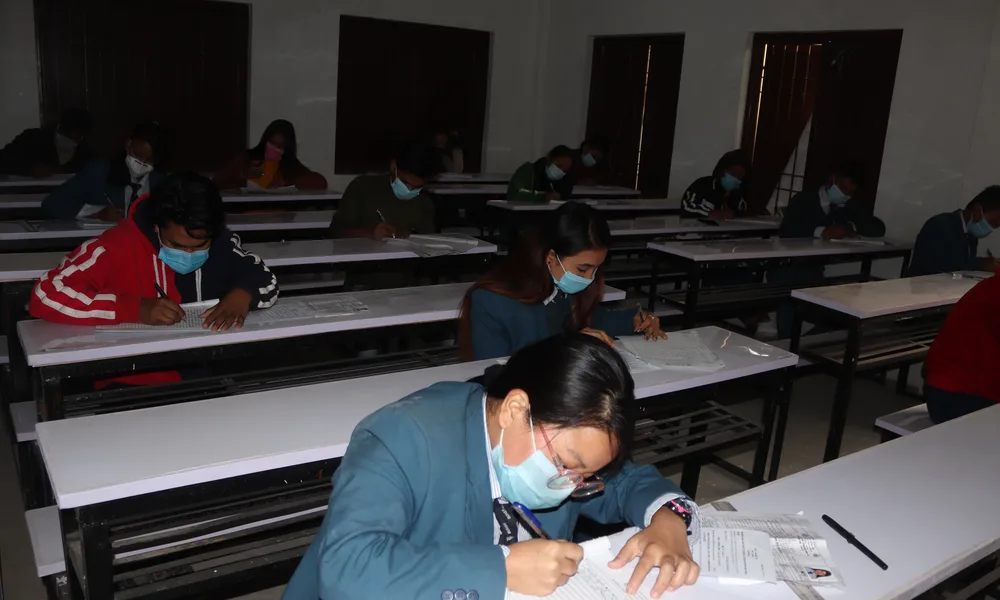
Tests shape children’s lives, and a serious film about them would be welcome. This one is not. It spends two hours on the companies that sell tests and the stress they cause, and never once sits in a classroom to ask a teacher what a test actually shows. Pupils appear in slow motion looking miserable. The film treats every test as a conspiracy and every score as meaningless, which is easy to say from a studio and hard to defend in a school. A film that ignores the people who live with those problems is not exposing anything. It is using children’s stress as scenery. A real exposé would show the test, the classroom, and the teacher in the same frame, and let all three speak.
2. The college-admissions panic film
This film is aimed at parents who are already worried, and it works hard to make them more worried. The camera follows teenagers applying to the same few elite colleges, while the narrator warns that a single grade could close every door. Nobody mentions the thousands of good colleges that are not in the film. The admissions process is presented as a lottery rigged against ordinary families. Parents come away convinced they must spend money they do not have on tutors and coaches. If a documentary makes you feel that your child’s future depends on one application, it is not informing you. It is frightening you into a purchase.
3. The blame-the-teacher exposé
Every failing system needs a villain, and this film chooses the easiest one in the building. Teachers are filmed looking tired, and a narrator explains that if only teachers worked harder or followed the film’s favourite method, everything would improve. The teachers are rarely interviewed, and when they are, their answers are cut short. Nothing is said about class sizes or funding. The film’s heroes are usually outsiders with a plan, filmed far from any school bell. A film that blames teachers for problems created far above the classroom is lazy, and it makes it harder to recruit the people schools need most.
4. The classroom-tech hype film
Tablets, laptops, and learning apps are filmed in golden light while children smile at screens and a narrator explains that education has finally been transformed. The film never shows the lessons where the wifi failed or the children learned less than they did with a book and a pencil. It never asks who paid for the devices. Our guide to the worst documentaries about science found the same hype in science films, but in schools the cost is measured in budgets that could have paid for teachers. Technology can help in a classroom, but a film that only shows the launch day is an advert with a narrator.
5. The teacher-burnout misery film
Teachers are exhausted, and a film that says so honestly could do real good. This one does not. It collects the worst moments of the worst weeks and presents suffering as the whole story of teaching. There is no context and no attempt to ask what would help. The teachers in the film are shown crying, quitting, or breaking down, and then the credits roll. Viewers leave feeling pity, not understanding, and nothing about the system has been explained. Burnout is real and deserves serious reporting. A film that only films the tears is using teachers’ pain as entertainment.

6. The one-miracle-school film
Every education debate loves a miracle school: one building, one headteacher, one method, and results that defy every statistic. This film finds one and films it like a fairy tale. What the film does not show is the selection: the families who applied and were turned away, the pupils who left, the extra funding, or the long hours that cannot be copied by an ordinary school. Without those details, the miracle is meaningless, but the film presents it as a blueprint for every school in the country. A real success story would show the whole school and ask what it would cost to do the same everywhere else.
7. The nostalgic back-to-school film
This film opens with a blackboard and a narrator who remembers when schools were proper. The past is filmed in warm light, the present in cold grey, and the argument writes itself: discipline was stricter and standards were higher. Nobody mentions the children who were failed by that past, or the subjects that girls and poor children were never taught. The film interviews people who remember their schooldays fondly, because memory edits out the bad parts. Nostalgia is a feeling, not evidence, and a documentary that treats it as proof is not doing history. It is doing comfort television for viewers who would not want to send their own children back to the school they remember.
8. The parent-blame film
When a film cannot explain why schools struggle, it often turns to parents. This one argues that children fail because their parents do not read to them or do not help with homework. The families in the film are judged by a narrator who has never had to work two jobs or raise children alone. Nothing is said about funding, housing, or the hours that working parents do not have. The film’s solution is always the same: parents should try harder, as if effort alone could fix a system. A bad film just points a camera at a tired family and calls the problem solved. Education is a shared job, and a film that blames one side of the partnership has not understood the work at all.
How to spot a bad education documentary in five minutes
Watch the trailer and ask who is actually on screen. A good education film shows classrooms, teachers, and pupils doing ordinary things. A bad one shows slow-motion children and empty corridors. Then check the credits for a funder that sells tests, devices, or courses. If one group is blamed for everything, the film has decided its answer. Our guide to the worst documentaries about health makes the same point about a different subject: a film that only interviews people who agree with it is not an investigation. Finally, ask what the film wants you to do. A good film leaves you with questions and a clearer picture. A bad one leaves you angry and ready to buy the solution.
Viewer checklist
- One group is blamed for every problem in the whole system.
- No teacher is allowed to finish an answer on camera.
- The film never shows a real classroom doing ordinary work.
- A miracle school is presented with no mention of selection or funding.
- The funder sells the tests, devices, or courses the film praises.
- You feel angry or frightened, but no clearer about what would help.
Frequently asked questions
Are the worst education documentaries always inaccurate?
Not always. Some contain true facts arranged to mislead. A film can quote a real statistic and still lie by leaving out the context or the people who disagree.
How can I tell if an education documentary is funded by an interested company?
Check the credits and the film’s website. If a test company, device maker, or tutoring chain funded the film, every claim about their product needs independent checking.
Are long education documentary series always bad?
No. A long series can do justice to a complicated system. Length is only a warning sign when the extra episodes repeat one idea instead of adding new evidence or new voices.
Should I trust a documentary with a famous presenter?
A famous presenter is not evidence for or against a film. Ask whether the presenter visits real schools and lets people who disagree speak. Fame can open doors, but it cannot replace reporting.
What is the most harmful type of bad education documentary?
The blame-the-teacher film, because it targets the people schools need most. Films that drive teachers out of the profession do damage that lasts long after the credits roll.
Where can I find good education documentaries instead?
Look for films that show real classrooms over time, interview teachers, parents, and pupils, and admit what is not yet known. Festival programmes and public broadcasters are safer starting points than streaming recommendations.
The bottom line
The worst documentaries about education in 2026 fail for the same reason: they choose a simple story over a complicated truth, and they ask real teachers, parents, and children to pay for it. Whether the villain is a test, a teacher, a parent, or a device, the pattern is the same: one idea, one enemy, and no room for the people who live in schools. Skip those films and spend the evening on documentaries that sit in real classrooms. Your time is better spent on a film that leaves you thinking than on one that leaves you angry.


