The worst documentaries about science in 2026 are not the ones with the weakest cameras. They are the ones that waste your evening, mislead you about how science works, or turn a remarkable discovery into a cartoon. Science documentaries have never looked better, which makes the bad ones harder to spot: a glossy trailer and a famous narrator can hide a film that is recycled, staged or simply dull. This guide ranks the worst offenders so you can skip them and spend the night on something worth watching.
What separates a weak science documentary from a good one is rarely the budget. The best films are patient, honest and specific, spending years with researchers to explain an idea well. The worst are impatient: they reuse footage, dress up a lab demonstration as a breakthrough, stretch a ten-minute idea into a six-part series, or push a message so hard that the science disappears behind it.
This guide ranks the ten worst documentaries about science to watch in 2026, judged on what a viewer feels: how much of the footage is new, how accurate the science is, how honest the storytelling feels, and how much of your time it respects. The picks below are types of production to avoid, so you can recognise them in a streaming catalogue in under a minute. For the other side of the coin, our guide to the best documentaries about science in 2026 shows what the good ones get right.
Key takeaways
- Recycled footage and staged experiments are the two clearest signs of a weak science documentary.
- A single expert repeating one claim is not evidence, however confident the narration sounds.
- Sensational claims about cures, aliens or hidden truths are almost always a warning sign.
- Outdated films that were never revised can teach science that researchers abandoned years ago.
- Check the date, the experts and the sources before you trust a science documentary.
Worst science documentaries at a glance
| Worst type | Main flaw | Time wasted | Trust score |
|---|---|---|---|
| The recycled compilation | Old footage, new title | Full film | 2.1/10 |
| The staged experiment | Faked results | Full film | 1.8/10 |
| The single-expert echo chamber | One voice, no challenge | Full film | 2.4/10 |
| The hype-first sensationalist | Claims before evidence | Full film | 2.0/10 |
| The padded multi-part stretch | One idea, six episodes | Hours | 3.2/10 |
| The animation-only explainer | No real evidence shown | Full film | 3.5/10 |
| The hidden-truth conspiracy film | Secret knowledge framing | Full film | 1.5/10 |
| The celebrity-fronted vanity doc | Star over substance | Full film | 3.0/10 |
| The outdated classic | Never revised | Full film | 3.8/10 |
| The advert disguised as a documentary | Selling, not explaining | Full film | 1.9/10 |
The scores rate how far each type can be trusted as a source of science. A low score does not mean the film is unwatchable as entertainment, only that it should not be your source for understanding the subject.
1. The recycled compilation
The recycled compilation is the laziest bad science documentary, and the most common. It takes footage from older, better series, adds a new voiceover and a new title, and sells the result as a fresh film. The narration may describe a recent discovery while the pictures show footage filmed a decade earlier.
The giveaway is the mismatch between words and pictures: the narrator describes a specific experiment while the screen shows generic laboratory footage.
2. The staged experiment
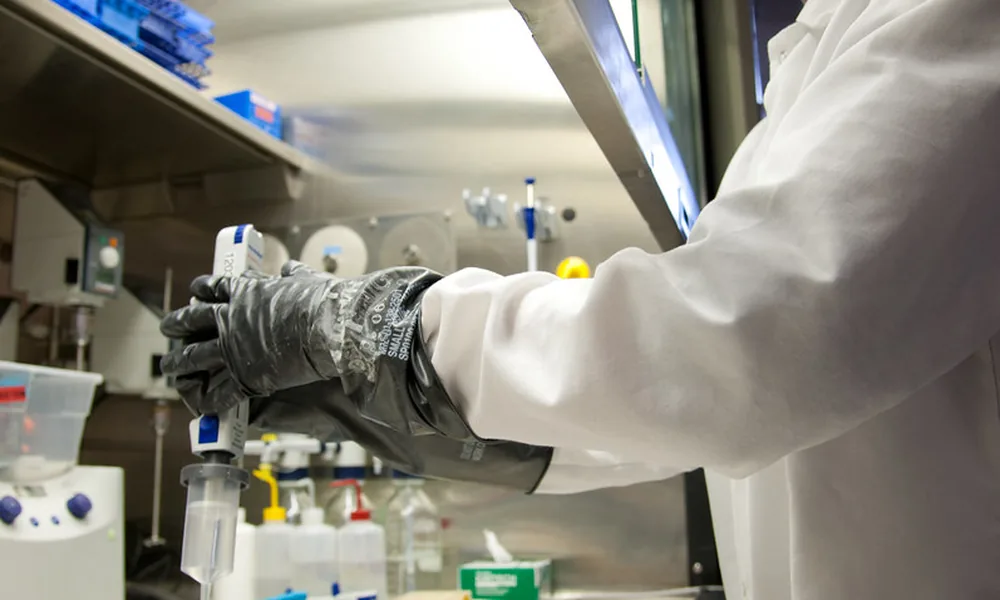
The staged experiment is the most dishonest type on this list. The film presents a demonstration as if it happened naturally, when it was set up, rehearsed or edited to produce the result the filmmakers wanted. An animal that supposedly behaved spontaneously was trained or filmed in captivity and presented as wild.
This matters because documentaries are how most people meet science, and a staged experiment damages trust in every honest film that follows it. The warning signs are results that arrive too neatly and experiments with no failed attempts.
3. The single-expert echo chamber
The single-expert echo chamber builds a whole film around one confident voice and never lets anyone disagree with it. The expert may be a genuine researcher, but the film presents their view as the settled consensus, without mentioning colleagues who disagree. Science advances through argument, and a documentary that hides the argument is not showing you science.
These films are persuasive because the expert is articulate and the production is polished. The test is simple: does anyone push back? If not, you are watching a lecture dressed up as a documentary.
4. The hype-first sensationalist
The hype-first sensationalist opens with a claim that sounds too good to be true, and it usually is. A miracle cure, unlimited energy, a signal from an alien civilisation: the trailer promises a revolution, and the film spends an hour walking the claim back to something small and ordinary.
These films are easy to spot once you know the pattern. The narration uses words like revolutionary and breakthrough, while the researchers on screen speak carefully and qualify everything they say. The gap between the narration and the interviews is the tell.
5. The padded multi-part stretch
The padded multi-part stretch takes an idea worth twenty minutes and turns it into six episodes. The first episode is usually decent, because it contains the actual subject. The rest is repetition, slow-motion replays and recaps of what you have already seen.
Streaming services love this format because it keeps viewers watching, but it is a bad deal for anyone who wants to learn. Watch the first episode, then read a good article about the subject, which will tell you in fifteen minutes what the series takes six hours to avoid saying.
6. The animation-only explainer
The animation-only explainer is not always bad, but at its worst it is a cartoon with a science label. The film explains black holes or the human brain entirely through graphics, with no real footage, no laboratory and no researcher on screen. The animations may be beautiful, but they are illustrations, not evidence.
The problem is not animation itself. Good films use animation to show what cameras cannot, such as the inside of a cell, and anchor every graphic in real data. The bad version never anchors anything.

7. The hidden-truth conspiracy film
The hidden-truth conspiracy film claims that mainstream science is hiding something important, and that only this film will tell you the truth. The structure is always the same: a few out-of-context quotes, a dramatic musical sting, and the suggestion that the absence of evidence is itself proof of a cover-up.
These films are dangerous because they borrow the style of real documentaries: the interviews, the archive footage, the authoritative voiceover. Real science welcomes challenge and publishes its methods so others can check them. A conspiracy film asks you to trust it because nobody else will tell you the truth.
8. The celebrity-fronted vanity doc
The celebrity-fronted vanity documentary puts a famous face in front of the camera and lets the science follow behind. The star visits a laboratory, wears a white coat and explains the experiment in words the researchers would never use. The film is really about the celebrity’s curiosity, and the science is a backdrop.
A good presenter earns the role by understanding the subject, and many do. The bad version is obvious from the trailer: the star’s name is bigger than the subject, and the film spends more time on their reactions than on the research.
9. The outdated classic
The outdated classic is the saddest type on this list, because it was once good. Made ten or twenty years ago, it explained its subject well at the time, but science moved on and nobody revised it. The film still streams, still looks polished, and still teaches ideas that researchers abandoned years ago.
There is no villain here, only neglect. Streaming catalogues rarely label a documentary’s date clearly, and a film from 2008 can sit beside one from 2025. Check the release year before you press play, and treat any science film more than a decade old as history. For a sense of how the same subject is handled well today, compare with the best documentaries about space in 2026, where recent films replace the old ones.
10. The advert disguised as a documentary
The advert disguised as a documentary is a sales pitch with a film crew. It may promote a supplement, a diet or a device, and it presents customer stories and friendly experts as if they were independent evidence. The giveaway is what is missing: no independent researchers, no failed trials, and a website address at the end where you can buy the thing being praised.
These films are the hardest to spot when they are well made, because they use the same locations and interview style as honest documentaries. The test is the money: who paid for the film, and who profits if you believe it? If the film ends with a product, it was never a documentary.

How to spot a bad science documentary in five minutes
You do not need to watch a whole film to judge it. Check the release date first, then the experts: are they named, and do they work in the field they are discussing? Watch the first five minutes and ask whether the film shows you real research or only talks about it. Finally, search for the film’s claims: if no independent source backs them up, the film is asking for trust it has not earned.
Treat a documentary as a starting point, not a verdict. A good film will make you curious enough to read further, and its claims will survive that reading. A bad film falls apart the moment you check it. The same judgement applies across the genre, as our guide to the worst documentaries about nature in 2026 shows for a neighbouring subject.
Viewer checklist
- Check the release date before you press play, and treat films over ten years old as history.
- Look for named experts who work in the field, not just confident presenters.
- Watch for the gap between dramatic narration and cautious interviews.
- Ask whether the film shows real research or only animations and montages.
- Check who funded the film and whether anyone profits if you believe it.
- Verify one central claim elsewhere before you repeat it to anyone.
Frequently asked questions
Are all science documentaries with celebrities bad?
No. Some celebrity presenters understand their subject deeply and ask excellent questions. The warning sign is a film where the star’s reactions matter more than the research.
How can I tell if a science documentary is outdated?
Check the release year and search for the subject with the current year. If recent articles describe a different consensus, the film is teaching old science.
Why do bad science documentaries look so polished?
Production quality and accuracy are unrelated. A big budget buys good cameras, music and graphics, but it cannot buy honesty. Some of the worst films on this list look better than the best ones.
Is a documentary bad if it uses animation?
Not at all. Animation is essential for subjects cameras cannot reach, such as the inside of a cell. The problem is a film that uses only animation and never anchors its graphics in real data.
Should I trust a documentary that cites a single study?
Be cautious. A single study is a starting point, not a conclusion, and early results often fail to replicate. A trustworthy film explains what other studies found.
What is the safest way to learn science from documentaries?
Watch films that show real research, name their experts and welcome disagreement, then check one central claim against an independent source.
Bottom line
The worst documentaries about science in 2026 are the recycled compilation, the staged experiment and the hidden-truth conspiracy film, because they waste your time and leave you with ideas that are wrong. The other types are less dishonest but still poor value: padded series, celebrity vanity projects, outdated classics and adverts dressed as films all ask for hours of your attention and give back very little.