
Worst Documentaries About Technology 2026
The worst documentaries about technology in 2026 are not the ones with the weakest cameras. They are the ones that waste your evening, mislead you about how technology actually works, or turn a fascinating subject into a sales pitch. Technology is the easiest documentary subject to get wrong, because the truth is usually complicated, slow and full of trade-offs, while a film wants a hero, a villain and a twist. Our guide to the worst documentaries about crime found the same faults in true-crime films, but technology documentaries fail in their own ways, through founder myths, robot scares, gadget adverts and Silicon Valley fairy tales. This guide ranks the seven worst types of technology documentaries, so you can spot them from the trailer and spend your evening on a film that respects both the subject and you.
Key takeaways
- The worst technology documentaries replace complicated truth with a simple hero, villain or scare.
- Founder myths and Silicon Valley fairy tales erase the luck, the failures and the people who did the work.
- AI doomsday films and surveillance scares use fear instead of evidence.
- Gadget films that are secretly adverts are the most common worst type of all.
- Check the date, the experts and who paid for the film before you trust what it tells you.
How we judged the worst technology documentaries
We judged every type on the same seven measures. Accuracy came first: does the film describe the technology the way it actually works. Balance was second, since a film that only interviews fans of its hero, or only critics of its villain, is not telling the whole story. Evidence was third, covering films that assert a claim without showing a single test, document or independent expert. Independence was fourth, because a film funded by the company it praises cannot be trusted to criticise it. Freshness was fifth, from the film that treats a five-year-old gadget as breaking news to the one that recycles last decade’s footage. Clarity was sixth, covering films that drown a simple idea in jargon or dress up a simple idea as a revolution. Respect for your time was seventh, covering the ninety-minute film with a ten-minute idea. Types that fail on three or more of these measures rank highest on our worst list.
The worst types of technology documentaries at a glance
| Type | Main fault | How fast you notice | Fixable? | Annoyance level |
|---|---|---|---|---|
| The founder hagiography | Hero worship, no criticism | Under 10 minutes | Hard | High |
| The AI doomsday demo | Fear instead of evidence | First robot shot | Yes | Very high |
| The gadget unboxing film | A 90-minute advert | Under 5 minutes | Yes | Very high |
| The Silicon Valley myth | Garage-to-billions fairy tale | First montage | Hard | High |
| The surveillance scare | Every camera is watching you | Under 10 minutes | Yes | High |
| The startup crash post-mortem | Schadenfreude, no lessons | Mid-film | Yes | Medium |
| The internet nostalgia trip | Dial-up jokes, nothing new | First flashback | Yes | Medium |
The seven worst types of technology documentaries in detail
1. The founder hagiography
Every technology documentary seems to need a genius, and the founder hagiography gives you one whether the facts support it or not. The film opens with a young visionary in a garage, cuts to a montage of late nights and whiteboards, and ends with a billionaire on a stage while an orchestra swells. The failures are skipped, the co-founders are forgotten, the luck is edited out, and the hard questions are never asked. A good film about a founder shows the whole person, including the bad decisions and the people who carried them. The hagiography shows a statue, and statues do not teach you anything about how technology is actually built.

2. The AI doomsday demo
The AI doomsday film has one shot, and it uses it in the first five minutes: a robot hand, a glowing eye, a server room in the dark, and a narrator warning that the machines are coming for us. The rest of the film is a parade of worst cases, each presented as if it had already happened, with no working system shown, no expert asked to explain what the technology can actually do today, and no distinction between a research demo and a real product. A good documentary about artificial intelligence is specific: it shows a system working, explains what it can and cannot do, and lets you judge the risk for yourself. The doomsday demo never lets you judge anything, because it has already decided that you should be afraid.
3. The gadget unboxing film
The gadget unboxing film is the most common worst technology documentary of all, and the easiest to spot, because it is an advert with a runtime. The camera lingers on the box, the cable, the logo, while a narrator praises the design in the same words as the press release. There is no testing, no comparison, no mention of the price, the flaws or the rivals, and no reason the film exists except that the product exists. The same trick shows up across every documentary subject, and our guide to the worst documentaries on streaming shows how many catalogue films are adverts wearing a documentary’s clothes. A real technology film asks whether a gadget is worth your money. The unboxing film never asks, because it already knows the answer it was paid to give.
4. The Silicon Valley myth
The Silicon Valley myth is the founder hagiography told at the scale of a whole place. The film shows a garage, a dorm room, a coffee shop, and then, through the magic of a montage, a campus, a fortune and a revolution. What it leaves out is everything that made the story possible: the money, the connections, the timing, the failures, and the thousands of people whose work was bought, copied or forgotten. A good film about Silicon Valley shows the system, including the investors, the monopolies and the luck. The myth shows a fairy tale, and fairy tales do not help anyone build anything real.
5. The surveillance scare
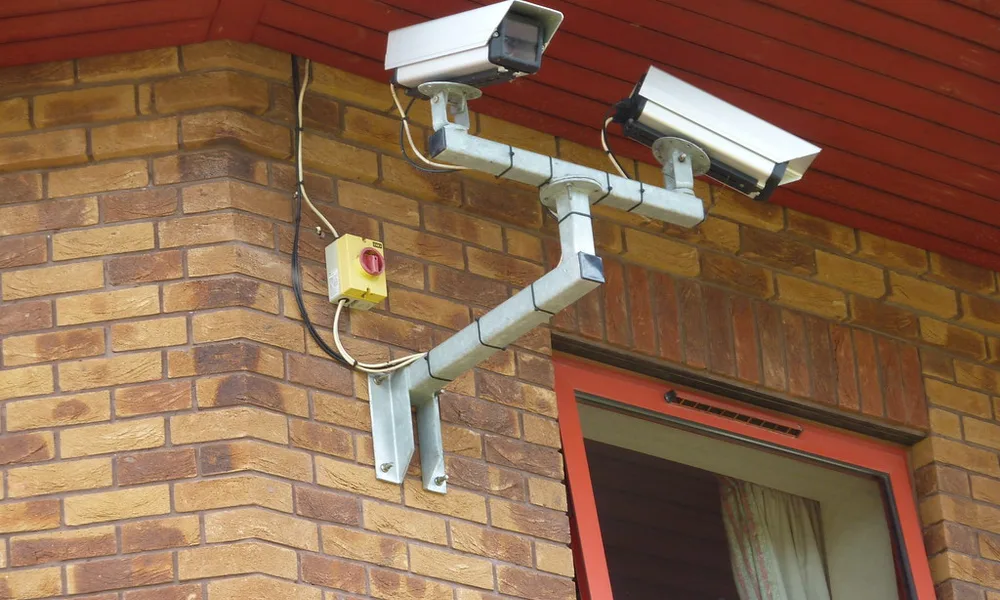
The surveillance scare film starts with a camera on a wall and ends with a warning that you are being watched everywhere, always, by everyone. The camera is real, and the worry is worth discussing, but the film never does the work of explaining how surveillance actually works: who collects the data, what the law allows, what the technology can and cannot do, and what you can do about it. Instead it strings together ominous music, night-vision footage and anonymous experts, until the viewer feels watched but understands nothing. A good documentary about surveillance is careful and specific, because the subject matters too much for scaremongering. The scare film is not careful, and it leaves its audience frightened, misinformed and no safer than before.
6. The startup crash post-mortem
Every few years a famous startup collapses, and the post-mortem films arrive within months, all telling the same story: the arrogant founder, the wild spending, the office parties, the fall. The facts are usually right, and the film is still bad, because it is built for schadenfreude rather than understanding. It lingers on the excess, interviews the angriest ex-employees, and never asks the interesting questions: what did the investors know, what did the regulators miss, and what should change so it does not happen again. A good post-mortem is sober and useful, and it leaves you smarter about how companies fail. The crash film leaves you entertained, and that is all it wanted.
7. The internet nostalgia trip
The internet nostalgia film is the easiest technology documentary to make, and the laziest. It opens with a dial-up tone, cuts to a montage of old screens, floppy disks and chat rooms, and spends ninety minutes reminding you that things used to be different. The jokes land, the music is familiar, and nothing new is said. The film never asks what the early internet got right that the modern one lost, or what it got wrong that we are still paying for, because those questions would need research, interviews and thought. Nostalgia is a fine starting point for a documentary, but it is a terrible ending. If a film’s only argument is that you remember the thing it is showing you, it has no argument at all.
How to spot a bad technology documentary in five minutes
Start with the trailer, and count how many claims it makes without showing evidence. A film that promises a revolution, a secret or a genius in the first minute is usually selling you a feeling, not a fact. Check the date on the subject: if the gadget, the company or the breakthrough is five years old and the film treats it as breaking news, move on. Look at the experts in the credits and the trailer, because a film that only interviews fans of its subject, or only its critics, has already chosen its conclusion. The same faults show up across every documentary subject, and our guide to the worst documentaries about nature shows how recycled footage and single-expert echo chambers ruin films about any topic. Finally, check who paid for the film, because a documentary funded by the company it praises is an advert, and adverts are not documentaries, however good they look.

Technology documentary red-flag checklist
- Check the date, and skip films that treat old gadgets or old news as breaking.
- Count the experts, and distrust a film that only interviews one side.
- Look for who funded the film before you trust what it tells you.
- Skip films where the trailer promises a revolution, a secret or a genius.
- Watch for fear without evidence, especially in films about AI and surveillance.
- Switch off when a film is really an unboxing, a founder portrait or a nostalgia montage.
Frequently asked questions
What makes a technology documentary bad?
A bad technology documentary replaces complicated truth with a simple story. It worships a founder, scares you about AI, advertises a gadget, or retells a Silicon Valley fairy tale, without evidence, balance or independent experts.
Are all documentaries about AI bad?
No. The best AI documentaries are specific, showing real systems working and explaining what they can and cannot do. The problem is the doomsday film that uses a robot shot and a warning instead of evidence.
How can you tell a technology documentary is secretly an advert?
Look for praise with no criticism, no price, no rivals and no testing. Then check the funding: if the company in the film paid for the production or approved the cut, it is an advert.
Should you trust a technology documentary with a famous narrator?
A famous voice proves nothing about the facts. Judge the film by its experts, its evidence and its funding, not by who reads the script.
Are older technology documentaries always outdated?
No. A good older film can still explain an idea well. The problem is the film that presents old technology as current, or teaches claims that researchers abandoned years ago.
What is the single biggest red flag in a technology documentary?
A film that only tells one side. If every expert agrees with the film’s conclusion and nobody is challenged, the film is a lecture, not a documentary.
The bottom line
The worst documentaries about technology in 2026 all make the same mistake: they choose a simple story over a complicated truth. Pick films that show evidence, interview both sides, name their funders and explain how the technology actually works, and skip the ones that worship founders, scare you about robots or sell you a gadget. Five minutes with the trailer will save you an evening, and the good technology films are worth the search.


