The worst energy drinks for taste do not fail because they lack energy. They fail because the first sip is a shock: syrupy sweetness, a chemical aftertaste, or a sour punch that makes you wish you had reached for water instead. The can promises focus and power, but the flavour is what you actually live with for the next twenty minutes.
That gap between promise and taste is the whole story of this category. Energy drinks are built around caffeine, sugar or sweeteners, and a sharp acidic bite, and when those parts are out of balance the result is hard to finish. Some are so sweet they coat the mouth. Others are so artificial they taste more like a cleaning product than a drink. A few manage to be both at once.
This guide looks at the worst energy drinks for taste by flavour fault, not by brand name or caffeine content. It explains what goes wrong in each style, how to spot a bad-tasting can before you buy it, and what to drink instead when you want energy without the grimace.
Key takeaways
- The worst energy drinks for taste are usually too sweet, too artificial, too sour, or too flat, and the worst combine several faults at once.
- Sugar-free versions often trade sugar for a bitter, metallic aftertaste that lingers long after the last sip.
- Warm, old, or poorly stored cans taste noticeably worse, even when the drink was acceptable cold and fresh.
- A short ingredient list and a flavour you actually enjoy matter more than caffeine content or bold packaging.
- Water, tea, coffee, and a short rest usually beat a bad-tasting energy drink for real, lasting energy.
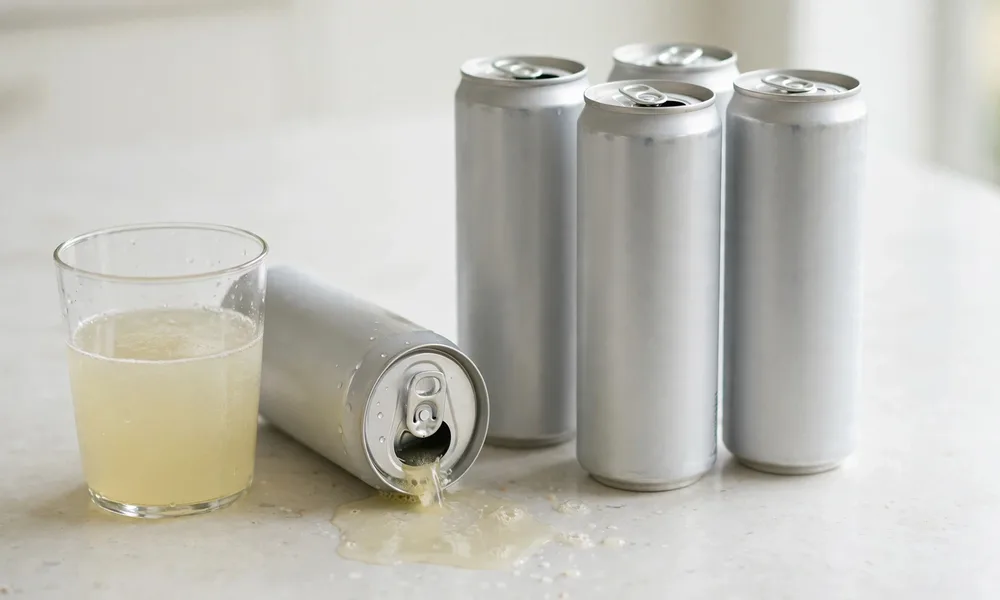
Why So Many Energy Drinks Taste Bad
Energy drinks start with a difficult job. They must hide the bitterness of caffeine, deliver sweetness or sourness strong enough to feel exciting, and stay stable on a shelf for months. That pushes makers toward heavy sugar, intense flavourings, and high acidity, and the result often tastes harsh rather than refreshing.
Caffeine itself is bitter, and a typical can contains far more of it than a cup of tea. To cover it, makers add sugar or sweeteners, then add acid to sharpen the flavour. When it is wrong, the sweetness turns syrupy and the caffeine bitterness leaks through anyway.
Carbonation adds another problem. Fizz can lift a flavour and make a drink feel fresh, but it can also carry sharp, chemical notes straight to the nose. A flat energy drink loses that lift and tastes like sweet, stale syrup. That is why the same drink can taste acceptable ice cold and dreadful at room temperature: cold and fizz hide faults that warmth exposes. Bright cans set expectations the liquid rarely meets, as the worst smoothie trends for taste promise fresh fruit and deliver something sugary and artificial instead.
The Worst Energy Drinks for Taste, Ranked by Flavour Fault
The drinks below are grouped by the flavour fault that ruins them, from the most common complaint to the most avoidable. You will recognise most of these styles on any supermarket shelf, whatever the brand on the can.
Syrupy Sweet Originals
The classic original energy drink is often the worst place to start. It is intensely sweet, with a thick, syrupy texture that coats the mouth and leaves a sticky feeling on the teeth. The first sip can feel exciting, but by halfway through the can the sweetness becomes tiring, and finishing it feels like a chore.
These drinks rely on sugar to mask caffeine bitterness, and they use a lot of it. The result is hard to describe as anything other than sweet: no real fruit, no freshness, just a heavy, medicinal sweetness with a faint chemical edge. Served warm, they are almost undrinkable.
Artificial Fruit Bombs
Fruit-flavoured energy drinks are some of the worst offenders because the fruit flavour is rarely convincing. Berry, citrus, and tropical versions often taste like sweets rather than fruit: loud, one-note, and strangely perfumed, with a sweetness that sits on top of the flavour instead of blending into it.
Real fruit flavour is subtle, while energy drink flavouring is designed to be noticed from the first sip. Makers push it hard so the drink stands out, and the result tastes fake. A berry version may smell pleasant when the can opens, then taste like cough syrup once you drink it.
Sugar-Free Chemical Aftertaste
Sugar-free energy drinks solve one problem and create another. Without sugar, the caffeine bitterness has less to hide behind, so makers lean on sweeteners that bring their own flavours. The most common complaint is a metallic, bitter aftertaste that arrives after the sweetness fades and stays long after the drink is finished.
Some sugar-free drinks taste fine for the first two or three sips, which makes the aftertaste more disappointing. The drink starts clean and light, then the sweetener flavour builds with every sip until the whole can tastes chemical.
Sour Candy Overload
Sour energy drinks borrow their flavour from sour sweets, and they borrow the worst part of them too. The sourness is not the gentle tang of citrus; it is a harsh, mouth-puckering acid hit that overwhelms everything else in the can. The first sip makes your face tighten, and the second sip is a decision rather than a pleasure.
These drinks are often marketed as fun and extreme, but extreme sourness is tiring to drink. The acid coats the mouth, the sweetness underneath tastes flat by comparison, and the finish is chalky rather than clean.
Flat, Warm and Stale-Tasting Cans
Sometimes the worst-tasting energy drink is not a bad recipe but a bad can. Drinks stored warm, shaken, or kept past their best lose carbonation and gain a stale, flat flavour. The fizz that once lifted the drink is gone, and what is left is sweet, dull liquid with a faint metallic note from the can.
This is the most avoidable fault on this list, and also the most common in practice. A can left in a hot car or on a warm shop shelf will taste far worse than the same drink served cold from a fridge.
What Makes an Energy Drink Taste Worse
Bad taste in energy drinks usually comes from a small set of causes, and knowing them helps you read a can before you buy it. The table below sums up the main faults, what they taste like, and how to avoid them.
| Flavour fault | What it tastes like | How to avoid it |
|---|---|---|
| Too much sugar | Thick, syrupy, sticky sweetness | Choose a smaller can or a lightly sweetened style |
| Artificial sweeteners | Bitter, metallic aftertaste | Try one sip first, or pick a sugar version in a small size |
| Overdone sourness | Harsh acid hit, chalky finish | Avoid extreme sour flavours entirely |
| Fake fruit flavour | Perfumed, sweet-like, one-note | Pick plain or citrus styles over tropical blends |
| Flat or warm storage | Dull, stale, heavy syrup | Buy cold, drink cold, check the date |
| Clashing herbal notes | Bitter, earthy, medicinal | Skip herbal blends unless you enjoy that flavour |
The pattern is simple: the more a drink tries to do at once, the more likely it is to taste bad. The best-tasting energy drinks tend to be simpler: one clear flavour, moderate sweetness, and enough fizz to stay fresh.
How to Spot a Bad-Tasting Energy Drink Before You Buy
You cannot taste a sealed can, but you can read the signs. Start with the flavour name: the louder and more complicated it sounds, the more likely the drink relies on flavouring rather than balance. Simple flavours are a safer bet than one promising three fruits and a herbal boost.
Check the sweetness next. A very high sugar content in a large can means a long, syrupy drink, while a sugar-free label means you should expect some sweetener aftertaste. A smaller can is the smartest test: if you dislike it, you have wasted less money, and if you like it, you can buy a bigger one next time. Buy from a cold shelf and check the date. The same caution applies to desserts, where a pretty presentation can hide a poor flavour, as the worst dessert trends that look better than they taste show in a different aisle of the same shop.
Checklist: Before You Open Another Energy Drink
- Choose a simple flavour you already enjoy, not a loud new flavour that promises everything at once.
- Buy the smallest can available when trying a new drink for the first time.
- Make sure the can is properly cold and in date before you pay for it.
- Pour it into a glass if you can, so you can see whether it is flat or stale before drinking.
- Take one slow sip and wait a few seconds for the aftertaste before deciding whether to finish it.
- Stop and switch to water if the aftertaste is bitter, metallic, or chemical, rather than forcing the can down.
Better Ways to Get Energy Without the Bad Taste
The honest answer to a bad-tasting energy drink is often not a better energy drink but a different approach altogether. Cold water is the most overlooked option: dehydration feels a lot like tiredness, and a large glass of water with a short walk does more for afternoon energy than a can of syrup. It also leaves no aftertaste and costs almost nothing.
Tea and coffee are the next best options, and they taste like themselves rather than a laboratory blend. A cup of green tea gives gentle caffeine with a clean flavour, while a proper coffee gives a stronger lift with real depth. That is why the worst tea trends for flavour are the ones that pile on extras instead of letting the tea speak.
Food and rest matter more than any drink. A small meal with protein and a short break will steady your energy for hours, while an energy drink gives a sharp peak and a tired crash.
Frequently Asked Questions
Why do energy drinks taste so bad?
They taste bad when caffeine bitterness, heavy sweetness, strong acid, and artificial flavouring are out of balance. Cold and fizz hide some of those faults, which is why the same drink tastes worse warm or flat.
Which energy drink flavour tastes the worst?
There is no single worst flavour, but extreme sour, fake tropical, and heavily sweetened original styles get the most complaints.
Do sugar-free energy drinks taste worse than sugary ones?
Often, yes, but for a different reason. Sugary versions taste syrupy and heavy, while sugar-free versions taste thinner with a chemical aftertaste. Which is worse depends on whether you dislike sweetness or aftertaste more.
Does an energy drink taste better cold?
Almost always. Cold dulls sweetness and bitterness, while fizz lifts the flavour. A warm energy drink tastes heavier, sweeter, and more chemical, so always chill the can properly before opening it.
Can an energy drink go bad in the can?
It can lose quality even before its date. Heat, age, and poor storage flatten the fizz and stale the flavour, so a can stored warm for months will taste noticeably worse than a fresh, cold one.
What should I drink instead of an energy drink?
Water, tea, or coffee are the simplest swaps. A small meal and a short break also help more than a second can when the tiredness is really hunger or lack of sleep.
The Bottom Line
The worst energy drinks for taste fail in predictable ways: too sweet, too artificial, too sour, too flat, or too chemical in the finish. The can may promise energy, but the flavour is what you actually live with for the next twenty minutes, and a bad one is not worth finishing. Choose a simple flavour, buy it cold and small, and trust the aftertaste: if the first sip already disappoints, the rest of the can will not improve it. Water, tea, and coffee are usually the better call.