
Why the Worst Fantasy TV Shows of 2026 Lose Their Magic
The worst fantasy TV shows of 2026 are not the ones with the strangest worlds. Fantasy lives on strange worlds, and a wild idea can carry a series a long way. The shows that fail waste a good idea across a whole season: prophecies that never advance, episodes that explain the world instead of living in it, quests that change nothing, and finales that only set up the next season. This guide ranks the worst kinds of fantasy TV series in 2026, so you can spot the patterns before a show owns your evenings. A quick note on scope: this is about TV series only, not films and not books. Fantasy movies compress a quest into two hours, and fantasy books build worlds in prose. Television stretches a story across seasons, and that is where these shows fail: in a season that goes nowhere.
Key takeaways
- The worst fantasy TV shows fail on respect for your time: a season that ends where it began is a season you will never get back.
- A prophecy is the clearest warning sign: if the chosen one is no closer to the goal in episode eight than in episode one, the story is stalling.
- Magic needs rules the show actually follows: if a spell solves every problem, or a different rule appears every episode, the stakes are fake.
- Filler quests are the TV version of padding: a side journey that changes nothing about the characters or the world is a show out of story.
- Before you commit to a series, watch a mid-season episode, not the premiere, and check whether the world, the magic and the story still work.
How the worst fantasy TV shows of 2026 were ranked
Every type below was scored on five measures. Story comes first: does something actually happen across the season, and do the characters change because of it? Worldbuilding is second, because a fantasy world should feel lived in, not like a backdrop. Magic is third: a system with costs and limits creates drama, and a system that does whatever the plot needs creates none. Pacing is fourth, because a season must earn every episode, and a quest that exists only to fill a schedule is a failure of planning. Casting is fifth, because a hero with no inner life can break the spell fast.
Two notes before the list. First, no single show is named as the worst, because the same broken patterns appear across many series. The same logic applies to the neighbours of this guide: our ranking of the worst fantasy books of 2026 covers novels, and our guide to the worst fantasy movies of 2026 covers films, which fail in a single sitting rather than across a season. A bad film wastes an evening, and a bad fantasy series wastes a year.

Comparison table: the worst fantasy TV shows of 2026
| Rank | Fantasy TV type | Biggest flaw | Who gets hurt most |
|---|---|---|---|
| 1 | The four-season prophecy | The chosen one never advances | Everyone waiting for payoff |
| 2 | The lore-dump episode | Characters explain, never live | Viewers who wanted story |
| 3 | The filler quest episode | A journey that changes nothing | Viewers with limited evenings |
| 4 | The mid-season budget cliff | Effects collapse halfway through | Viewers who believed the world |
| 5 | The recast that breaks the spell | A new face, no explanation | Long-time fans |
| 6 | The spin-off-bait finale | Nothing resolves, only teases | Viewers who wanted an ending |
| 7 | The grimdark season | Misery with no meaning | Viewers who wanted hope |
The worst fantasy TV shows of 2026
1. The four-season prophecy: the chosen one never advances
Every fantasy series has a prophecy, but the worst ones turn it into a treadmill. The chosen one is named in the first episode, given a quest, a map and a destiny, and then spends four seasons walking towards a goal that never gets closer. The hero does not grow, the world does not change, and the story does not move, because movement would end the series and the series is the product. A good prophecy creates urgency: every step costs something, every victory changes the world, and the ending is earned. The worst ones treat destiny as a reason to stall.
2. The lore-dump episode: characters explain, never live
Fantasy worlds need explaining, but the worst shows explain them instead of showing them. A lore-dump episode is an hour of characters telling each other things they already know: the history of the kingdom, the rules of the magic, the bloodlines of the families, all delivered in dialogue that no real person would ever say. A good fantasy series lets you learn the world by living in it: a market where the customs are visible, a ritual where the rules are shown, a quarrel where the history matters. The worst ones stop the story to deliver a lecture, and the lecture is always longer than the story it interrupts. By the end you know every ancient king and care about none of them.
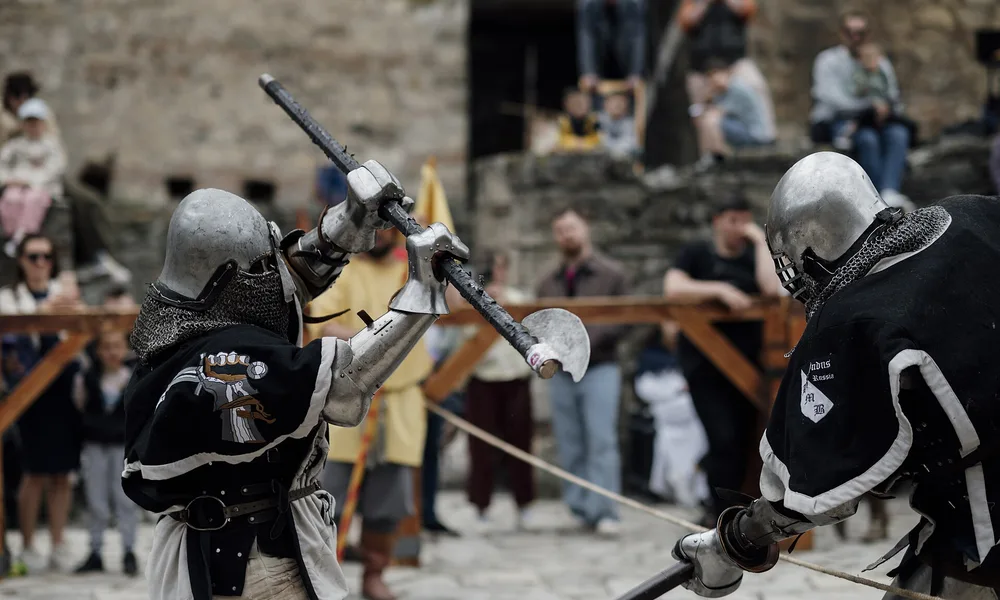
3. The filler quest episode: a journey that changes nothing
Every fantasy series has side quests, but the worst ones build whole episodes out of them. A filler quest sends the heroes to a village they will never mention again, to fetch an object they will never use again, from a person they will never meet again. The quest takes an hour, the heroes return exactly as they left, and the next episode pretends it never happened. A good side quest still shows you something new: a character makes a choice that reveals who they are, a place changes how the heroes see the world, a small victory costs something real. The worst filler quests are errands dressed as adventure.
4. The mid-season budget cliff: effects collapse halfway through
Fantasy television lives or dies on belief, and the worst shows spend all their belief in the first three episodes. The premiere has a dragon, a battle and a castle that look like a film, and by episode six the dragon is a shadow, the battle is a conversation about a battle, and the castle is a corridor. A good series plans its money across the season, saving spectacle for the moments that matter and letting character carry the quiet episodes. The worst ones front-load the trailer moments and then ask the audience to pretend the world is still big. By the finale, the kingdom fits inside a single room.
5. The recast that breaks the spell: a new face, no explanation
A fantasy series asks you to believe in a person, and the worst ones break that belief with a recast. The hero returns after a break with a different face, a different voice and a different manner, and the show carries on as if nothing changed. The problem is not the new actor, who may be fine, it is the spell: fantasy runs on continuity, on a world that feels real because its people stay real. A good series handles a change with care, writing it into the story or choosing a moment where it costs least. The worst ones swap the face and keep the dialogue.

6. The spin-off-bait finale: nothing resolves, only teases
A season finale should end something, and the worst fantasy finales end nothing. The villain escapes, the quest is revealed to be only the first of three, the hero learns a secret that raises ten new questions, and the final scene is a teaser for a spin-off that may never exist. A good finale can leave threads open while still resolving the season: a victory that costs something, a choice that changes a character, an ending that would satisfy even if nothing followed. The worst ones treat the finale as a pitch meeting.
7. The grimdark season: misery with no meaning
Fantasy can be dark, but the worst shows confuse darkness with depth. A grimdark season is ten episodes of betrayal, torture and death, with no kindness, no humour and no hope to measure the darkness against. A good dark fantasy earns its darkness: the cruelty costs someone, the suffering changes someone, and the light, when it comes, matters because the dark was real. The worst ones pile on misery because misery is easy, and by the end of the season the audience is not moved, only tired. Darkness without meaning is not mature storytelling, it is a show that has run out of anything else to say.
What to watch instead of the worst fantasy TV shows
The fix for a bad fantasy series is not a bigger budget, it is a series that respects the hours you give it. Look for shows where the season actually ends, where the magic has rules the show follows, and where the characters change because of what happens to them. Watch a mid-season episode before you commit: by episode five, the lore dumps and filler quests will have shown themselves. The same checks work for other kinds of television too, and our guide to the worst reality TV shows of 2026 makes the same point about judging a series by its middle, because the traps are the same whether the show is scripted fantasy or unscripted drama.
Checklist: picking a fantasy TV show in 2026
- Watch a mid-season episode, not the premiere, and check whether the story has actually moved since episode one.
- Ask whether the magic has rules the show follows, or whether a new spell appears whenever the plot needs rescuing.
- Check whether the season resolves anything, or whether every finale only sets up the next season and a spin-off.
- Look for filler quests: a side journey that changes nothing about the characters or the world is a show out of story.
- Notice whether the effects and locations shrink halfway through the season, and whether the story hides it.
- Confirm the cast is stable and the characters grow, and use the cancellation window if a season turns out to be stalling.
Frequently asked questions
How many episodes should I give a new fantasy show before quitting?
Three episodes, and make one of them a mid-season episode. If it has done none of those by then, it is unlikely to start.
Are prophecies always bad in fantasy TV?
No. A good prophecy creates urgency: every step costs something and the ending is earned. The problem is a prophecy used as a treadmill.
Is grimdark fantasy always miserable?
No. Dark fantasy works when the darkness costs someone and the light matters. The warning sign is misery with no meaning.
Why do fantasy shows end on cliffhangers so often?
Because a cliffhanger keeps viewers subscribed, and a spin-off teaser keeps a franchise alive. The test is whether the season still resolves something.
Do long fantasy series need to be long?
Only if the story needs the length. A tight season with a real ending beats a sprawling padded one.
What should I watch instead of a bad fantasy series?
Look for a series where the season ends, the magic follows its own rules, and the characters change. A mid-season episode tells you in an hour.
Bottom line
The worst fantasy TV shows of 2026 all make the same mistake: they confuse running long with telling stories. Endless prophecies, lore dumps, filler quests, budget cliffs, unexplained recasts, spin-off-bait finales and misery without meaning are all versions of the same failure, a series that asks for a season of your evenings and gives you a story that never arrives. Judge a fantasy show by its middle, by whether its magic has rules, and by whether its season actually ends.


