
The Worst Fire Trucks of 2026: Emergency Rigs That Let Their Crews Down
The worst fire trucks of 2026 are not the oldest rigs in the station or the plainest ones on the apron. They are the emergency vehicles that look ready for anything on the showroom floor and then let their crews down: a pump that will not prime, a ladder that creeps under load, electronics that only the dealer can reset, or a parts wait that leaves a whole station short of a rig. A bad fire truck rarely announces itself on the test drive. This guide names the seven worst fire trucks of 2026, based on published recall records, owner surveys and repeated owner complaints, so you can spot the pattern before you sign. Big road vehicles suffer the same traps at a different scale, and our guide to the worst buses of 2026 shows how the same reliability problems play out on another heavy road vehicle.
Key takeaways
- The Pierce Enforcer is the fire truck to avoid first: crews report multiplex electrical faults and dealer-only repairs that cost far more than a front-line pumper should.
- Pump flow and ladder reach matter more than horsepower: a rig that cannot hold rated flow or reach the roof is useless at a real fire.
- Aftertreatment and electronics are the new weak points in fire trucks, just as they are in trucks: sensors and software faults strand rigs that are mechanically sound.
- Apparatus support matters as much as the rig: a thin dealer network means long waits for parts and warranty work that eats into response days.
- Always check the recall record, the service history and a pre-purchase inspection before you buy, and test the exact rig with a full pump test and a ladder test, not just an empty drive.
How the worst fire trucks of 2026 were chosen
Every fire truck below was scored on five measures. Reliability comes first: how often crews report faults, and how serious those faults are. Repair cost is second, because a dealer-only repair turns a nuisance into a disaster. Support is third, judged on the dealer network near the buyer and how long parts take to arrive. Capability is fourth: whether the rig can actually do the work its size and price promise, from holding rated pump flow to reaching a roofline without creeping. Value is fifth: the real lifetime cost, including downtime, not the bid price.
Two notes before the list. First, no fire truck here is slow or weak on paper, and most of them are genuinely capable when they are running. They earn their place because the ownership experience lets them down, not because the engine lacks power. Second, this guide is strictly about fire trucks: emergency vehicles built to carry water, pumps, hoses and ladders to a fire. That job is different from every neighbouring machine. Bulldozers push earth with a front blade, tractors work fields and pull farm implements, dump trucks haul loose material, forklifts lift pallets in a warehouse, and excavators dig with a boom and bucket. None of them carries a pump or a ladder, and none of them answers a call. Smaller work vehicles suffer the same support trap, and our guide to the vans that let buyers down in 2026 shows how the same reliability problems play out on a lighter rig.
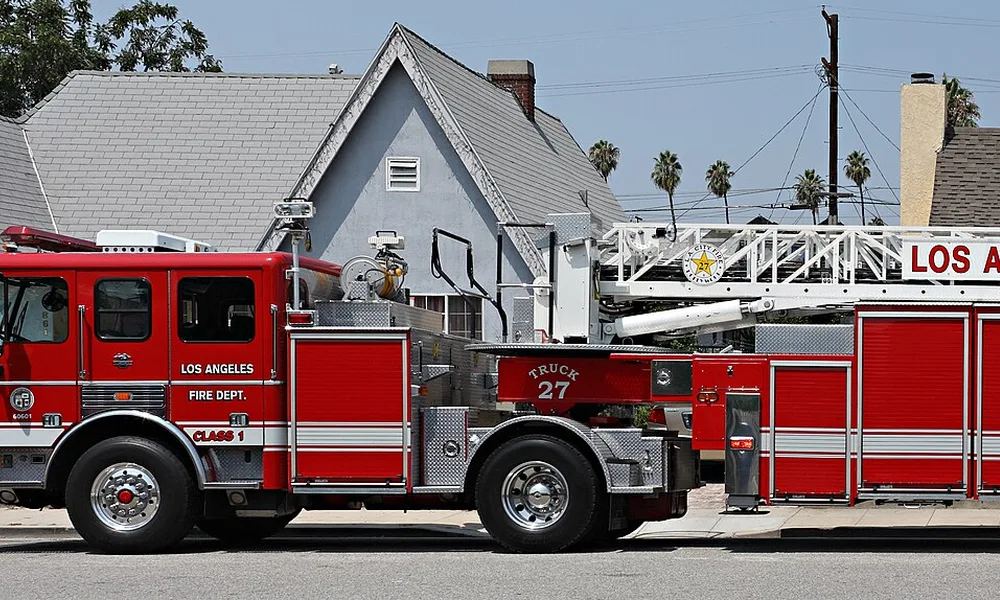
Comparison table: the worst fire trucks of 2026
| Rank | Fire truck | Main problem | Buy instead |
|---|---|---|---|
| 1 | Pierce Enforcer | Multiplex electrical faults, dealer-only repairs | Spartan Metro Star |
| 2 | E-ONE Typhoon | Pump priming faults, body corrosion | Pierce Saber |
| 3 | Rosenbauer Commander | Parts waits, electronic gremlins | E-ONE Cyclone II |
| 4 | Spartan ERV Gladiator | Harsh ride, noisy cab | Rosenbauer Avenger |
| 5 | Seagrave Marauder II | Premium price, long build times | Pierce Arrow XT |
| 6 | Ferrara Inferno | Fit and finish, warranty disputes | Spartan FC-94 |
| 7 | KME Predator | Smallest dealer network, poor resale | E-ONE HP 75 |
The worst fire trucks of 2026
1. Pierce Enforcer: the fire truck to avoid first
The Enforcer is the most common front-line pumper in American fire stations, which is exactly why its faults hurt so many crews. Firefighters report multiplex electrical faults that kill lights, sirens and pump controls without warning, and only a dealer laptop can read the codes and clear them.
2. E-ONE Typhoon: strong on paper, weak at the pump panel
The Typhoon promises big pump flow from a modern chassis, and on a short demo it delivers. Over a full season, crews report a different story.
3. Rosenbauer Commander: clever, and dealer-only when it breaks
The Commander is a smart rig, with clever pump controls and a cab that crews love. That cleverness is also its weakness. The build quality is high and the pump performance is strong when the rig runs, so crews love driving it right up until it stops. The E-ONE Cyclone II is the safer pick in this class, with simpler electronics and a parts network departments can trust.
4. Spartan ERV Gladiator: a good rig with a ride that beats the crew up
The Gladiator looks like a bargain next to a Pierce or a Seagrave, and for light call volumes it is. Run it hard on rough roads and the ride turns harsh, the cab rattles, and the crew arrives at the fire already tired. The chassis is the complaint: it is stiff, noisy and tiring on a long shift, which wears firefighters down faster than the rig itself. Reliability of the engine and pump is fair, and Spartan dealers are reasonably common, so the Gladiator is not a disaster. It is simply a rig that asks too much of its crew for too little comfort. The Rosenbauer Avenger costs more up front but rides far better and keeps its crew fresh enough to work the fire.
5. Seagrave Marauder II: brilliant, and brutally expensive to keep
Nobody faults the Marauder II for how it performs. The pump is strong, the aerial is smooth, and the cab is the quietest in its class. The problem is the bill. Build times stretch far beyond the quoted date, and parts cost far more than rival rigs, with pumps, ladders and body panels priced at a level that shocks departments used to Pierce prices. Dealer coverage is thin outside the northeast, so a breakdown can mean a long wait for a specialist fitter. Resale is weak too, because second-hand buyers know the parts prices. The Marauder II suits a large city department with its own workshop and a Seagrave dealer nearby. For everyone else, the Pierce Arrow XT does nearly the same work for far less money over the life of the rig.
6. Ferrara Inferno: capable, but support is the gamble
The Inferno wins on price alone, and that is where the winning stops. Departments report fit and finish problems, with compartment doors, latches and trim failing far earlier than they should, and warranty disputes that drag on for months. The pump and chassis are sound, the cab is roomy, and resale values fall fast because the next buyer faces the same support problem. On a small volunteer department with a patient chief and a stock of spares, the Inferno can earn its keep. For a department that needs the rig running tomorrow, it is a gamble that rarely pays. The Spartan FC-94 costs more on day one but comes with dealers, parts and a resale value that holds up, which makes it cheaper by the end of year two.
7. KME Predator: the smallest network of all
The Predator is a heavy, old-school rig with a big engine and a simple layout, and departments who love it really love it. The problem is that almost nobody else does. The dealer network is the smallest of any rig on this list, so parts and specialist knowledge are hard to find, and a breakdown during fire season can idle the rig for weeks. The engine is thirsty by modern standards, and the cab feels a generation behind rivals. It will pump water when it runs, but running is the gamble. The E-ONE HP 75 is the sensible alternative in this class, with a similar pump and a dealer network that actually answers the phone.
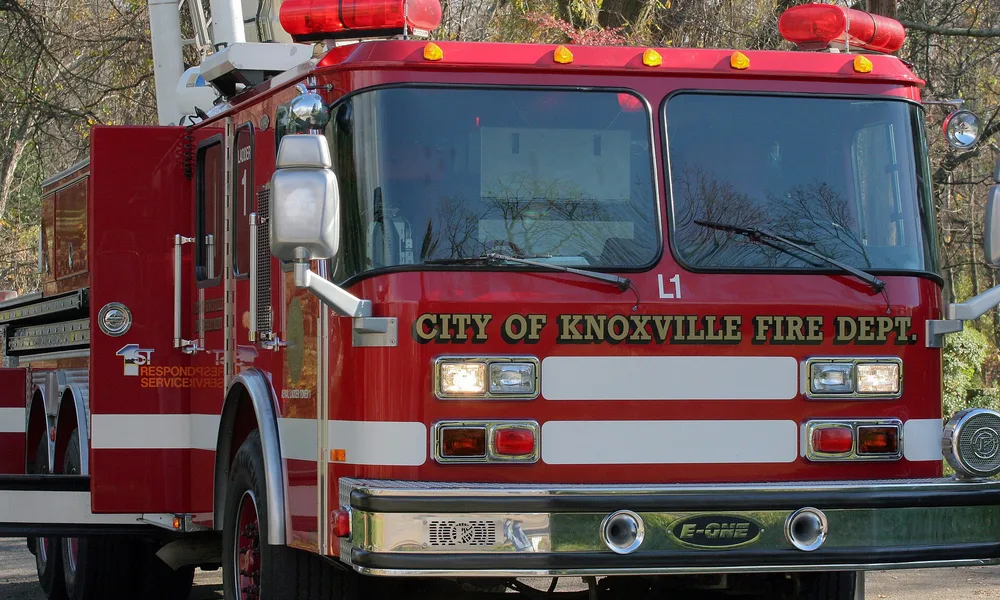
What to buy instead of the worst fire trucks
The safe buy in 2026 is the rig with the strongest dealer near you, not the cheapest bid on the table. A Spartan Metro Star, a Pierce Saber or an E-ONE Cyclone II will cost more than the cheapest option, but they come with dealers who stock parts and resale values that hold up. Pickups suffer the same support trap, and our guide to the pickup trucks to avoid in 2026 makes the same point about dealer networks and repair bills, because the lesson is the same across every working vehicle. Before you buy, test the rig with a full pump test and a ladder test, check the recall record, and ask the dealer how long a common part takes to arrive.

Checklist: buying a fire truck in 2026
- Test the pump at rated flow for a full hour, and check that it primes quickly and holds pressure.
- Test the ladder at full extension and full load, and check for creep, drift or slow hydraulics.
- Look up the recall record and any service bulletins for the exact model year before you sign.
- Compare the real out-the-door price, including the pump, the ladder and delivery, not the bid price.
- Ask what the crew can repair themselves and what needs dealer software or dealer-only tools.
- Check resale values for the same model five years old, and walk away from a rig with a thin dealer network.
Frequently asked questions
What is the worst fire truck to buy in 2026?
The Pierce Enforcer is the one to avoid first, because crews report multiplex electrical faults and dealer-only repairs that cost far more than a front-line pumper should. A rig that cannot pump is a bad buy at any price.
Are cheap fire trucks a false economy?
Often, yes. A cheap rig with a thin dealer network costs more in downtime, parts waits and lost resale value than a dearer rig from a brand with dealers nearby. The bid price is only the first bill.
How important is the dealer network when buying a fire truck?
It is the most important factor after the rig itself. A fire truck that cannot be fixed quickly is useless in the middle of a call, so buy from a dealer you can reach easily and who stocks parts.
Should a department buy new or used?
A used rig with a full service history and a recent pump test can be a good buy, but only after a proper inspection. Check the pump, the ladder, the tank and the chassis, and run a full pump test before you pay.
What should I check on a used fire truck?
Check the hours and mileage, the service history, the pump test results, the ladder test certificate, the tank for rust, and the chassis for corrosion. Start it cold, drive it under load, and run a full pump test before you pay.
Is a first-year fire truck model a bad buy?
Usually, yes. First-year models carry the most recalls and the most early faults, as the newest rigs on this list show. A second or third-year rig from the same generation is usually the safer buy, with the early faults fixed and the recall work done.
Bottom line
The worst fire trucks of 2026 fail on ownership, not on paper: pumps that will not prime, ladders that creep, electronics only a dealer can reset, and parts that take weeks to arrive. Buy the rig with the strongest dealer near you, test it with a full pump test and a ladder test, and the truck will still be answering calls when the season turns.


