
Worst Crane Trucks 2026: Mobile Cranes That Cost More Than They Lift
The worst crane trucks of 2026 are not the oldest rigs in the yard or the plainest ones on the site. They are the mobile cranes that look unstoppable on the dealer forecourt and then wear their owners down: a telescopic boom that creeps under load, an outrigger system that takes an age to set up, electronics that only the dealer can reset, or a repair bill that costs more than a month of lifts. This guide names the seven worst crane trucks of 2026, based on recall records, owner surveys and repeated complaints, so you can spot the pattern before you sign. Heavy haulers suffer the same traps at a different scale, and our guide to the dump trucks to avoid in 2026 shows how the same reliability problems play out on trucks that haul loose material instead of lifting it.
Key takeaways
- The Liebherr LTM 1500-8.1 is the crane truck to avoid first: a huge lift chart undermined by dealer-only electronics and ruinous running costs.
- Boom stability and outrigger setup matter more than maximum lift: a crane that creeps or takes hours to rig is useless on a real site.
- Aftertreatment and electronics are the new weak points in crane trucks: sensors and software faults strand machines that are mechanically sound.
- Dealer support matters as much as the crane: a thin network means long waits for parts and warranty work that eats into lifting days.
- Always check the recall record and service history before you buy, and test the exact crane with a real load at full reach, not just an empty boom.
How the worst crane trucks of 2026 were chosen
Every crane below was scored on five measures. Reliability comes first: how often owners report faults, and how serious those faults are. Repair cost is second, because a dealer-only repair turns a nuisance into a disaster. Support is third, judged on the dealer network near the buyer and how long parts take to arrive. Capability is fourth: whether the crane can actually do the work its size and price promise, from holding a load steady at full boom extension to rigging quickly on a tight site without overheating. Value is fifth: the real five-year cost, including downtime, not the forecourt price.
Two notes before the list. First, no crane here is weak on paper, and most of them are genuinely capable when they are running. They earn their place because the ownership experience lets them down, not because the engine lacks power. Second, this guide is strictly about crane trucks: mobile cranes mounted on a road-going truck chassis, with a telescopic boom, outriggers and a hook block for lifting loads. That job is different from every neighbouring machine. Dump trucks haul loose material in a tipping bed, tow trucks recover broken vehicles with a winch and wheel lift, and fire trucks carry water, pumps and ladders. None of them lifts a load on a boom. Recovery rigs suffer the same support trap, and our guide to the tow trucks to avoid in 2026 shows how the same pattern of electronics and dealer-only failures plays out on another specialist truck.

Comparison table: the worst crane trucks of 2026
| Rank | Crane truck | Main problem | Buy instead |
|---|---|---|---|
| 1 | Liebherr LTM 1500-8.1 | Dealer-only electronics, huge costs | Liebherr LTM 1060-3.1 |
| 2 | Grove GMK4100L-1 | Boom creep, slow rigging | Grove GMK3050-1 |
| 3 | Tadano ATF 400G-6 | Aftertreatment faults, cramped cab | Tadano GR-1000XL |
| 4 | Link-Belt HTC-8675 Series II | Premium price, costly parts | Link-Belt HTC-86110 |
| 5 | Terex Crossover 8000 | Heavy, pricey, poor visibility | Terex Crossover 6000 |
| 6 | Manitowoc TMS9000-2 | Transmission complaints, parts cost | Grove TMS9000-2 |
| 7 | Kato NK-250E | Thin dealer network, weak resale | Kato NK-200H |
The worst crane trucks of 2026
1. Liebherr LTM 1500-8.1: the crane truck to avoid first
The Liebherr LTM 1500-8.1 is the biggest mobile crane most hire firms will ever consider, and that is exactly why its faults sting. Owners report a lift chart that impresses on paper and a machine that punishes the firm that runs it: the multiplex electronics throw faults only a dealer laptop can read and clear, so a Friday sensor failure can strand the crane until Monday. Fuel use is the second complaint: moving eight axles to every job drinks heavily, and the tyres alone cost more than a small car. Buy a Liebherr LTM 1060-3.1 instead: a smaller crane that does most real jobs, with a far bigger support network and costs a hire firm can plan around.
2. Grove GMK4100L-1: clever, and dealer-only when it breaks
The Grove GMK4100L-1 looks like a smart buy, with a long boom and a roomy carrier cab. Owners report the promise fades when something goes wrong. Boom creep is the most reported problem: the boom drifts slowly under a suspended load, forcing the operator to keep correcting and slowing every lift. The outriggers are the second complaint, taking far longer to set than the brochure suggests, so a job that should start at eight is still being rigged at nine. A crane that cannot be fixed quickly is useless mid-contract, and the Grove leaves too many owners waiting for a dealer engineer. The Grove GMK3050-1 does the same job with simpler hydraulics and a bigger dealer network.
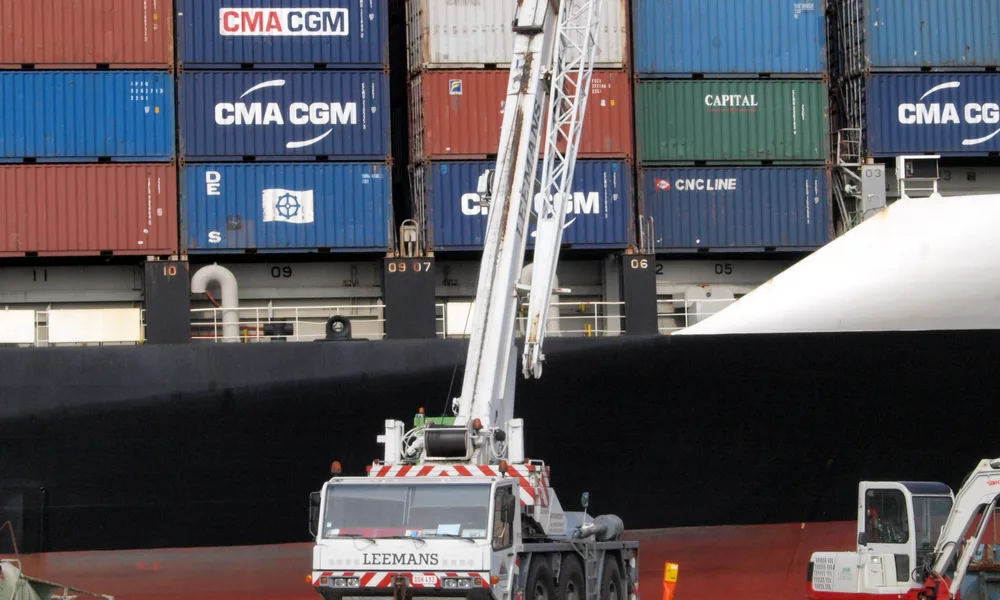
3. Tadano ATF 400G-6: a good crane in a cab too small for the job
The Tadano ATF 400G-6 is well built, and its place here needs explaining, because the problem is specific: the cab and the aftertreatment. The carrier cab is cramped for a ten-hour operator, with limited legroom, a narrow seat and storage that fills up fast. The diesel particulate filter regenerates often in stop-start site work, and when it fails the crane derates itself to a crawl, the last thing you need with a load in the air. The Tadano GR-1000XL costs less, gives the operator room to work, and its aftertreatment is simpler to live with on short site moves.
4. Terex Crossover 8000: brilliant, and brutally expensive to keep
The Terex Crossover 8000 is superb to operate, with a strong boom, a solid chassis and a cab built for a long working life. The problem is what it costs to own. The purchase price is among the highest in the class, and parts prices follow: a single dealer visit for a hydraulic or boom job can run to four figures. This is not a crane for a tight budget. A smaller hire firm that stretches to buy one will feel the running costs every month. The Terex Crossover 6000 is no bargain either, but it holds value better and its parts are easier to find.
5. Link-Belt HTC-8675 Series II: heavy, pricey and hard to see out of
The Link-Belt HTC-8675 Series II is capable, and earns its place here for three linked reasons: weight, price and visibility. The carrier is heavy for its lift class, which means more road permits, more tyre wear and fewer sites it can reach. The purchase price sits well above rivals with the same lift chart, and the resale value falls fast once the warranty ends. Visibility from the carrier cab is the third complaint: thick pillars and a high boom rest leave blind spots that make tight manoeuvres stressful. Operators say the crane itself lifts well, but the cost of getting it to the job and keeping it there is too high. The Link-Belt HTC-86110 is lighter, cheaper and easier to place on site.

6. Manitowoc TMS9000-2: strong boom, weak gearbox
The Manitowoc TMS9000-2 promises a lot for its size, and on a short demo it delivers. Over a full season, owners report a different story. Transmission complaints dominate the owner surveys: harsh shifts, overheating on long road moves, and a gearbox that needs dealer-only software to diagnose. Parts waits are the second complaint, with boom seals and hydraulic valves taking weeks to arrive. A crane that waits for parts earns nothing. Buy a Grove TMS9000-2 instead, with the same lift class and a support network that answers.
7. Kato NK-250E: the smallest network, the weakest resale
The Kato NK-250E is the cheapest way into a 25-tonne truck crane, and the price is the trap. Owners report the thinnest dealer network in this class, with some regions having no authorised service point, so a warranty repair means a long tow or a long wait. Resale is the second problem: buyers know the support is thin, so used values fall fastest here, and a firm trading up finds it lost more in depreciation than it saved at purchase. The crane itself is simple and honest, with a boom that lifts what the chart promises, but simplicity is not enough when the nearest parts stock is a country away. The Kato NK-200H is the safer pick, with a slightly smaller lift and a support network owners can rely on.
What to avoid when buying a crane truck
The most common crane truck regret is not a bad crane but a wrong match: a huge all-terrain crane bought for short city jobs, a boom that cannot reach the roofline, or a dealer network that ends fifty miles from the yard. Avoid the trap by checking three things before you pay: the real lift chart at full reach, not the headline maximum; the outrigger footprint and setup time on a tight site; and the total cost with transport, permits and servicing, not the forecourt price. The same checks work on other heavy machines too, and our guide to the excavators to avoid in 2026 makes the same point about reach and support, because the traps are the same everywhere.
Checklist: buying a crane truck
- Test the exact crane with a real load at full boom extension, not just an empty boom lift in the yard.
- Check the lift chart at the reach you actually work at, and confirm the outriggers fit the sites you serve.
- Read the recall record and the full service history, and book an independent pre-purchase inspection.
- Ask the nearest dealer how long boom seals, sensors and hydraulic valves take to arrive.
- Add transport, road permits, tyres and servicing to the purchase price and compare the real five-year total.
- Confirm the operator cab fits a full shift, with a seat, visibility and controls that do not tire the driver.
Frequently asked questions
What is the worst crane truck to buy in 2026?
The Liebherr LTM 1500-8.1 tops this list. Its lift chart is huge, but dealer-only electronics and ruinous running costs make it the riskiest buy for most hire firms.
How is a crane truck different from a dump truck?
A crane truck lifts loads with a telescopic boom, outriggers and a hook block. A dump truck hauls loose material in a tipping bed and lifts nothing.
How is a crane truck different from a tow truck?
A tow truck recovers broken vehicles with a winch and wheel lift. A crane truck lifts construction loads on a boom and has no recovery equipment.
What matters most when choosing a crane truck?
Boom stability at full reach, outrigger setup time and dealer support matter more than maximum lift. A crane that creeps or waits for parts earns nothing.
Should I buy a big all-terrain crane for city work?
Usually not. A big crane costs more to move, needs more permits and takes longer to rig. A smaller truck crane does most city jobs faster.
How do I check a used crane truck before buying?
Check the recall record and service history, inspect the boom, wire rope and outriggers, and test it loaded at full reach under an independent inspector.
Bottom line
The worst crane trucks of 2026 look unbeatable on the lift chart and then cost too much to run: dealer-only electronics, creeping booms, slow rigging and thin support. Buy the crane that matches the jobs you actually do, test it loaded at full reach, and check the dealer network before you sign.


