
The Worst Excavators of 2026: Diggers That Cost More Than They Dig
The worst excavators of 2026 are not the oldest machines on the site or the plainest ones in the fleet. They are the digging and construction machines that look unstoppable on the dealer forecourt and then wear their owners down: hydraulics that fade halfway through a trench, an aftertreatment system that strands a loaded machine on the side of a job, a bucket that will not break hard ground, or a repair bill that costs more than a month of digging. A bad excavator rarely announces itself on the test drive. This guide names the seven worst excavators of 2026, based on published recall records, owner surveys and repeated owner complaints, so you can spot the pattern before you sign. Heavy haulers suffer the same traps at a different scale, and our guide to the dump trucks that cost more than they haul shows how the same reliability problems play out on the road.
Key takeaways
- The Caterpillar 320 is the excavator to avoid first: owners report fading hydraulics and dealer-only repairs that cost far more than a digging machine should.
- Hydraulic power and digging force matter more than engine power: an excavator that cannot break hard ground or hold a grade is useless for real site work.
- Aftertreatment and electronics are the new weak points in excavators, just as they are in trucks: sensors and software faults strand machines that are mechanically sound.
- Dealer support matters as much as the machine: a thin network means long waits for parts and warranty work that eats into digging days.
- Always check the recall record, the service history and a pre-purchase inspection before you buy, and test the exact machine digging in real ground, not just an empty drive.
How the worst excavators of 2026 were chosen
Every excavator below was scored on five measures. Reliability comes first: how often owners report faults, and how serious those faults are. Repair cost is second, because a dealer-only repair turns a nuisance into a disaster. Support is third, judged on the dealer network near the buyer and how long parts take to arrive. Capability is fourth: whether the machine can actually do the work its size and price promise, from digging a trench to grade to lifting a full bucket without tipping. Value is fifth: the real five-year cost, including downtime, not the forecourt price.
Two notes before the list. First, no excavator here is slow or weak on paper, and most of them are genuinely capable when they are running. They earn their place because the ownership experience lets them down, not because the engine lacks power. Second, this guide is strictly about excavators: digging and construction machines with a boom, a stick and a bucket on tracks, not farm machines and not hauling trucks. Tractors work fields and pull implements, dump trucks haul loose material away from the site, and an excavator digs the hole in the first place. Our guide to the off-road vehicles to avoid in 2026 covers lighter machines for rough ground, and the faults there follow the same pattern of electronics and support failures.

Comparison table: the worst excavators of 2026
| Rank | Excavator | Main problem | Buy instead |
|---|---|---|---|
| 1 | Caterpillar 320 | Fading hydraulics, dealer-only repairs | Hyundai HX210AL |
| 2 | Komatsu PC210LC-11 | Aftertreatment and sensor faults | Doosan DX225LC-7 |
| 3 | John Deere 210G LC | Cramped cab, thirsty running | Kobelco SK210LC-11 |
| 4 | Kubota KX040-4 | Small hydraulics, premium price | Yanmar ViO35-6A |
| 5 | Bobcat E35 | Thin dealer network, parts waits | Takeuchi TB290 |
| 6 | Volvo EC220E | Premium price, costly parts | Sany SY215C |
| 7 | Hitachi ZX210LC-6 | Weak resale, cold-start trouble | JCB 220X |
The worst excavators of 2026
1. Caterpillar 320: the excavator to avoid first
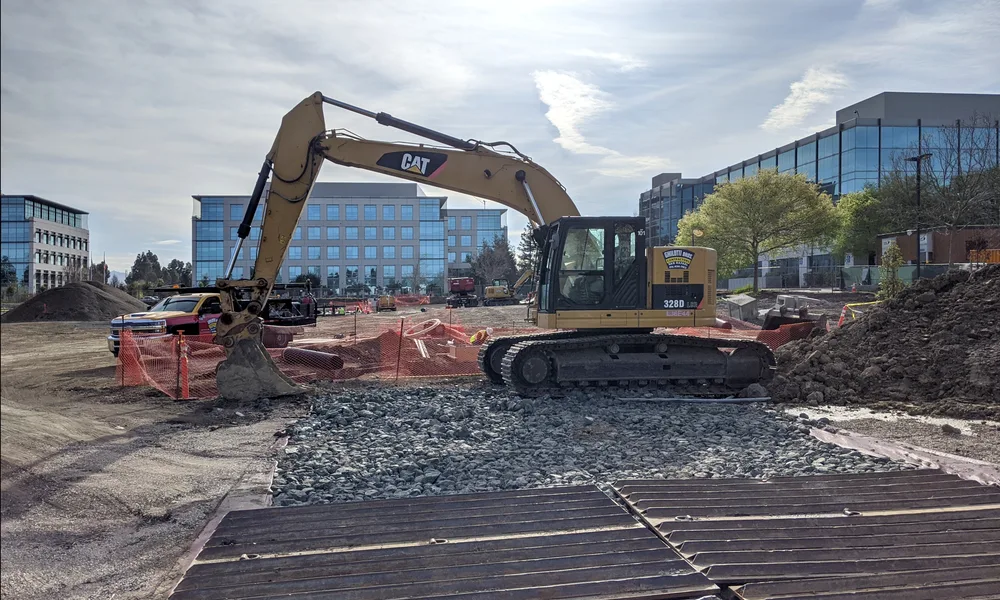
The Caterpillar 320 is the best-selling excavator in America, and that is exactly why its faults sting. Owners report hydraulics that fade as the oil warms up, so the bucket slows halfway through a trench and the machine struggles to hold a grade. The machine is also famous for repairs only a dealer can do. Software locks mean an owner cannot reset fault codes or replace some parts without dealer tools, and dealer labour rates turn a small job into a large bill. The machine is also expensive to keep once the warranty ends, with parts prices that surprise owners who bought on the strength of the badge. Buy a Hyundai HX210AL instead: steadier hydraulics, simpler servicing, and running costs that stay sensible for years.
2. Komatsu PC210LC-11: clever, and dealer-only when it breaks
The Komatsu PC210LC-11 looks like a smart buy, with a strong engine and a cab that is roomier than most rivals in its class. Owners report that the promise fades when something goes wrong. Aftertreatment faults are the most reported problem: the diesel particulate filter regenerates often in stop-start site work, and when it fails the machine derates itself to a crawl. An excavator that cannot be fixed quickly is useless in the middle of a job, and the PC210LC-11 leaves too many owners waiting. The Doosan DX225LC-7 does the same job with a far bigger dealer network and simpler aftertreatment, and it is the safer buy for most fleets.

3. John Deere 210G LC: a good machine in a cab too small for the job
The John Deere 210G LC is a well-built excavator, and its place on this list needs explaining, because the problem is specific: the cab. The cab is cramped for an operator who spends ten hours in it, with limited legroom, a narrow seat and storage that fills up fast. The Kobelco SK210LC-11 costs more but gives the operator room to work, with a wider cab and a better seat, and it sips fuel by comparison. If you run long days, the cab is where the money goes.
4. Kubota KX040-4: a good mini at the wrong price
The Kubota KX040-4 is the mini excavator most small contractors are shown first, and it is easy to see why. Its place on this list is about value, not breakdowns. The hydraulics are weak for the class, so the bucket is slow in hard ground and the machine struggles to lift a full load of wet soil. The price is the real problem. A KX040-4 with a cab and a thumb costs as much as a larger machine from a rival brand, and that larger machine will dig deeper, lift more and work faster.
5. Bobcat E35: capable, but support is the gamble
The Bobcat E35 is a strong mini excavator for the money, with a simple engine and a bucket that genuinely digs what it claims. But many owners do not live near a good Bobcat dealer for excavators. The dealer network is patchy for construction machines, and owners report long waits for parts that a Kubota or Caterpillar dealer would have on the shelf. Resale is also weaker, so the saving on the purchase price shrinks when you sell. Buy the Takeuchi TB290 instead if resale and dealer support matter to you, and only choose the Bobcat if your local dealer is strong and established.
6. Volvo EC220E: brilliant, and brutally expensive to keep
The Volvo EC220E is a superb excavator to operate, with smooth hydraulics, a solid undercarriage and a cab that feels built for a long working life. The problem is what it costs to own. The purchase price is among the highest in the class, and parts prices follow the same pattern: a single dealer visit for a hydraulic or undercarriage job can run to four figures. The Sany SY215C is no bargain either, but it holds its value better for the price and its parts are easier to find.
7. Hitachi ZX210LC-6: the smallest network of all
The Hitachi ZX210LC-6 is built to a price, and owners say it shows. The plastics feel thin and the controls are stiff and vague. Electrical niggles are the most reported fault: warning lights that come and go, a starter that clicks instead of turning, and sensors that fail early. It is a bad excavator to own unless you live next to a dealer and plan to keep it forever. The JCB 220X costs a little more and feels built to last longer, with a simpler electrical system and a stronger dealer network behind it.
What to buy instead of the worst excavators
The pattern across this list is simple: buy the excavator with the strongest dealer near you, not the cheapest price on the internet. A Hyundai HX210AL, a Doosan DX225LC-7 or a Kobelco SK210LC-11 will cost more than the cheapest option, but they come with dealers who stock parts and resale values that hold up. Farm machines suffer the same support trap, and our guide to the worst tractors of 2026 makes the same point about dealer networks and repair bills, because the lesson is the same across every working machine. Before you buy, test the machine digging in real ground on your own site, check the recall record, and ask the dealer how long a common part takes to arrive.
Checklist: buying an excavator in 2026
- Test the bucket digging in real ground on your own site, and check the digging force and the cycle speed.
- Check how far your nearest dealer is, and ask how long a common part takes to arrive.
- Look up the recall record and any service bulletins for the exact model year before you sign.
- Compare the real out-the-door price, including the bucket, the thumb and delivery, not the headline price.
- Ask what the owner can repair themselves and what needs dealer software or dealer-only tools.
- Check resale values for the same model three years old, and walk away from a machine with a thin dealer network.
Frequently asked questions
What is the worst excavator to buy in 2026?
The Caterpillar 320 is the one to avoid first, because owners report fading hydraulics and dealer-only repairs that cost far more than a digging machine should. An excavator that slows down halfway through a trench is a bad buy at any price.
Are cheap excavators a false economy?
Often, yes. A cheap excavator with a thin dealer network costs more in downtime, parts waits and lost resale value than a dearer machine from a brand with dealers nearby. The purchase price is only the first bill.
How important is the dealer network when buying an excavator?
It is the most important factor after the machine itself. An excavator that cannot be fixed quickly is useless in the middle of a job, so buy from a dealer you can reach easily and who stocks parts.
Should I buy a new or used excavator?
A second or third-year machine from the same generation is usually the safer buy, with the early faults fixed and the recall work done. A brand-new machine costs more and carries the most early faults.
What should I check on a used excavator?
Check the hours, the service history, the pins and bushes, the tracks, and the hydraulic fluid for dirt or water. Start it cold, dig in real ground, and lift a full bucket before you pay.
Is a first-year excavator model a bad buy?
Usually, yes. First-year models carry the most recalls and the most early faults, as the newest machines on this list show. A second or third-year machine from the same generation is usually the safer buy, with the early faults fixed and the recall work done.
Bottom line
The worst excavators of 2026 fail on ownership, not on paper: hydraulics that fade, electronics only a dealer can reset, buckets that cannot break hard ground, and parts that take weeks to arrive. Buy the excavator with the strongest dealer near you, test it digging in real ground on your own site, and the machine will still be digging when the season turns.


