Off-Road Vehicles to Avoid in 2026
The worst off-road vehicles of 2026 are not the slowest machines on the trail, and they are not the ugliest. They are the trail rigs that look unstoppable in the brochure and then wear their owners down: a roof that leaks in the first rain, a warning light nobody can explain, a repair bill that costs more than a month of payments, or a fault that strands a family miles from home. This guide names the seven worst off-road vehicles of 2026, based on owner surveys, recall records and repeated owner complaints, so you can spot the pattern before you sign. Mainstream SUVs suffer the same traps, as our guide to the worst SUVs of 2026 shows.
Key takeaways
- The Ford Bronco is the off-roader to avoid first: leaks, electrical faults and engine trouble, despite real trail ability.
- The Ineos Grenadier is the most expensive mistake here: a huge price, a tiny dealer network and early-build faults.
- The Mercedes-Benz G-Class costs more to own than almost anything here: thirsty, heavy and ruinously expensive to service.
- The rigs to avoid are often specific engines, not whole brands: a thirsty V8 or a first-year hybrid is the risk.
- Always check the recall record and a pre-purchase inspection before you buy, and test the exact vehicle on a rough road.
How the worst off-road vehicles of 2026 were chosen
Every vehicle below was scored on five measures. Reliability comes first: how often owners report faults, and how serious those faults are. Repair cost is second: a cheap fix is a nuisance, while a dealer-only part is a disaster. Recalls are third: a long recall list is a sign the maker is still fixing the vehicle after selling it. Running cost is fourth, judged on fuel, tyres and servicing over three years. Depreciation is fifth: the real cost of owning it, not the showroom price.
Two notes before the list. First, no vehicle here is slow or ugly, and most of them are genuinely capable off road. They earn their place because the ownership experience lets them down, not because they cannot climb a hill. Second, this list judges dedicated trail-bred four-wheel drives, not the mainstream family SUVs ranked elsewhere and not the pickups ranked in our guide to the pickup trucks to avoid in 2026. A trail rig is bought for mud, rocks and river crossings, and judged on what breaks when the going gets rough.

Comparison table: the worst off-road vehicles of 2026
| Rank | Vehicle | Main problem | Buy instead |
|---|---|---|---|
| 1 | Ford Bronco | Leaks, electrics, engine trouble | Toyota 4Runner |
| 2 | Ineos Grenadier | Price, dealer network, early faults | Land Rover Defender |
| 3 | Mercedes-Benz G-Class | Servicing cost, thirst, weight | Lexus LX 600 |
| 4 | Toyota Land Cruiser | Price, thirst, hybrid complexity | Lexus GX 550 |
| 5 | Land Rover Defender | Electronics, air suspension, depreciation | Toyota 4Runner |
| 6 | Jeep Gladiator | Thirst, price, Wrangler faults | Toyota Tacoma |
| 7 | Toyota Sequoia | Engine worries, thirst, price | Chevrolet Tahoe |
The worst off-road vehicles of 2026
1. Ford Bronco: the off-roader to avoid first
The Bronco is the most exciting off-roader on the road, and the least reliable one in its class. Owner surveys place it near the bottom year after year: hardtops and soft tops that leak in heavy rain, electrical faults, and trouble with the 2.7-litre V6, including valve problems that have left owners waiting for replacement engines. The trail ability is real, with proper low-range gearing and serious ground clearance, but most owners spend far more time on the road than on the trail, and that is where it wears them down. Buy a Toyota 4Runner instead: slower and plainer, but far cheaper to own and far less likely to strand you.
2. Ineos Grenadier: the most expensive mistake here
The Grenadier was built to be the tough, simple off-roader Land Rover stopped making, and in many ways it is. The problem is everything around it. It costs as much as a luxury SUV, yet the dealer network is tiny, so a fault can mean a long tow and a long wait for parts. Early cars have suffered water leaks, electrical niggles, a rough ride and a driving position tall drivers hate. The BMW-sourced engine is strong, but fuel economy is poor and the steering is vague on the road. Buy a Land Rover Defender instead: more dealers, more comfort and a far easier ownership experience.
3. Mercedes-Benz G-Class: ruinous to run
The G-Class is an icon, and one of the most expensive vehicles on this list to keep. The V8 versions are enormously thirsty, the servicing bills are luxury-car bills, and even simple repairs cost far more than on any rival here. Owners also report electrical faults, expensive suspension work and rapid tyre wear from the sheer weight. What they get instead is a heavy, thirsty status symbol that depreciates hard once the warranty ends. Buy a Lexus LX 600 instead: nearly as capable, far cheaper to service and backed by a dealer network that answers the phone.
4. Toyota Land Cruiser: the price is the problem
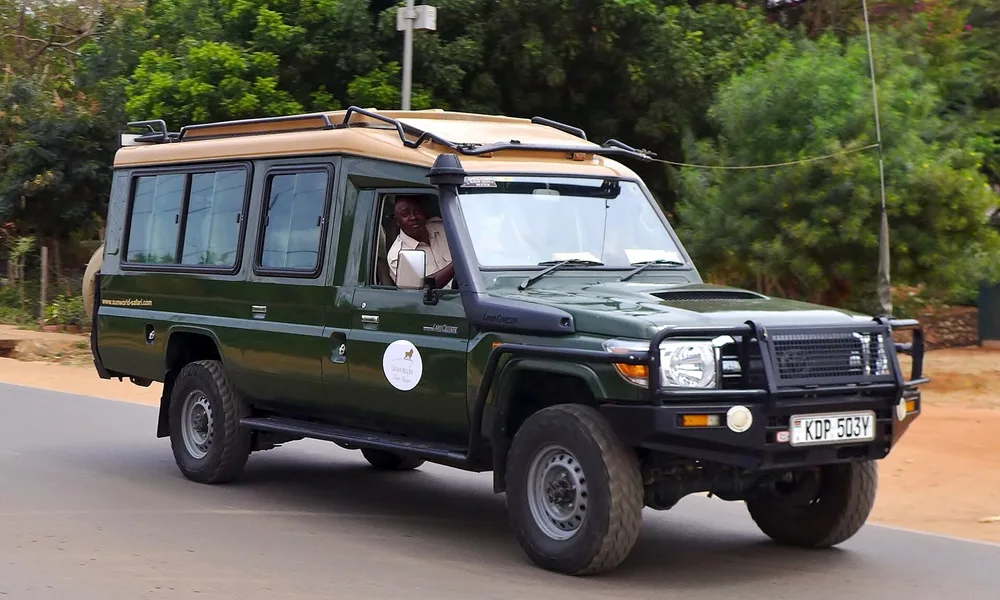
The Land Cruiser name promises unstoppable reliability, and the new Land Cruiser mostly delivers it, but the price is hard to defend. It costs far more than the 4Runner it shares so much with, yet it is slower, thirstier and less practical, with a hybrid battery eating into cargo space and a small fuel tank limiting range exactly where range matters most: far from a petrol station. Owners also report infotainment glitches and a firm ride on rough roads. Buy a Lexus GX 550 instead: the same mechanical package with a better interior and a stronger warranty.
5. Land Rover Defender: brilliant, then broken
The modern Defender is one of the best off-roaders ever made, and one of the most frustrating to own. Owners report the same faults again and again: electrical gremlins, air suspension that sags or fails, water leaks and warning lights that come and go. The dealer network is better than Ineos, but repair bills are still huge, and some faults take repeated visits to fix. Depreciation is steep, so the real cost of owning one is far higher than the monthly payment suggests. It is comfortable, capable and genuinely desirable, which makes the faults harder to forgive. Buy a Toyota 4Runner instead: less glamorous and less capable on paper, but far more likely to start every morning and far cheaper when something goes wrong.
6. Jeep Gladiator: a pickup with Wrangler problems
The Gladiator is a Wrangler with a pickup bed, and it inherits the Wrangler’s problems along with its charm: steering wander, electrical faults, water leaks and build quality a decade behind the price. It is also thirsty, noisy and expensive for a mid-size pickup, with a long wheelbase that hurts it on tight trails and a bed too short for serious work. For the same money, a proper pickup does the work better and a proper off-roader does the trails better. Buy a Toyota Tacoma instead: tougher, cheaper to run and far easier to live with daily.

7. Toyota Sequoia: big, thirsty and worrying
The Sequoia shares its twin-turbo V6 with the Tundra, and that is the problem: the Tundra’s engine has been hit by main bearing failures and a major recall, and Sequoia owners have reported the same worries. Add thirsty fuel economy, a high price and a third row that is cramped for the size of the vehicle, and the Sequoia is a hard sell. The engine worry hangs over every example, and a big SUV with an engine question mark is a bad buy. Buy a Chevrolet Tahoe instead: simpler, cheaper to run and easier to fix.
What goes wrong with off-road vehicles
The pattern across this list is simple: complexity is the enemy of reliability. Locking differentials, air suspension, hybrid systems and big touchscreens all add failure points a simpler vehicle never has. The worst offenders are also the newest designs: a first-year model, a new engine or a new platform is always a risk, because the maker is still finding the faults after selling the car. Two-wheel machines suffer the same traps, as our guide to the worst motorcycles of 2026 shows. Before you buy any off-roader, check the recall record, read owner forums for the exact model year and engine, and pay for a pre-purchase inspection by a mechanic who knows that model. Test it on a rough road, not just around the block, and listen for knocks, whines and rattles the seller hopes you will miss. A specialist inspection costs a few hundred, but it can save thousands, and a seller who refuses one is telling you everything you need to know about the vehicle.
Checklist: buying an off-road vehicle in 2026
- Check the recall record and the service history for the exact model year and engine, not just the badge.
- Test the vehicle on a rough road and a steep hill, and listen for knocks, whines and rattles.
- Ask what a dealer-only repair costs: air suspension, electronics and hybrid batteries are the expensive ones.
- Work out the real fuel cost over three years, not just the price on the windscreen.
- Check how far the nearest dealer is, and how long parts take to arrive where you actually drive.
- Walk away from any first-year model or new engine unless the price reflects the risk.
Frequently asked questions
What is the worst off-road vehicle of 2026?
The Ford Bronco: the weakest reliability record in its class, with leaks, electrical faults and engine trouble, and most owners use it on the road where those faults hurt most.
Are expensive off-roaders more reliable?
No. The G-Class and the Grenadier are two of the most expensive vehicles here and two of the costliest to own. Price buys comfort and status, not reliability, and the most expensive rigs often have the most complex systems to go wrong.
Should I buy a first-year off-road model?
Only if the discount is large and you can live with teething problems. First-year models and new engines carry the most risk, and the faults usually appear after the warranty has started running down.
Is the Land Cruiser still reliable?
Mostly yes, but the new Land Cruiser is expensive, thirsty and compromised by its small fuel tank and hybrid packaging. It is a good vehicle at the wrong price, which is why it appears on this list.
What should I check before buying a used off-roader?
The recall record, the service history, the underbody for rust and damage, and the electronics: test every switch, screen and locking differential. Pay for an independent inspection by a specialist in that model.
Which off-roader should I buy instead?
The Toyota 4Runner is the safest all-round choice: simple, tough and cheap to own. The Lexus GX 550 and Toyota Tacoma are the best alternatives if you need luxury or a pickup bed.
Bottom line
The worst off-road vehicles of 2026 are the ones that make ownership harder than the trail: the Bronco with its leaks and engine trouble, the Grenadier with its price and tiny dealer network, and the G-Class with its ruinous running costs. Buy the simplest, best-supported rig you can afford, check the recall record and the exact engine before you sign, and test it on a rough road. The trail will test it soon enough. Walk away from any rig with a patchy service history or a seller who will not let you inspect it.