The Worst SUVs of 2026
The worst SUVs of 2026 are not the slowest cars on the road, and they are not the ugliest. They are the SUVs that look right in the showroom and then wear their owners down: a warning light nobody can explain, a gearbox that hesitates at junctions, a repair bill that costs more than a month of payments, or a fault that strands a family miles from home. This guide names the seven worst SUVs of 2026, based on published owner surveys, recall records and repeated owner complaints, so you can spot the pattern before you sign. Sedans suffer the same traps, and our guide to the worst sedans of 2026 shows how the same reliability problems play out in a lower, lighter body.
Key takeaways
- The Jeep Wrangler is the SUV to avoid first: the weakest reliability record in its class, with steering, electrical and build faults reported year after year.
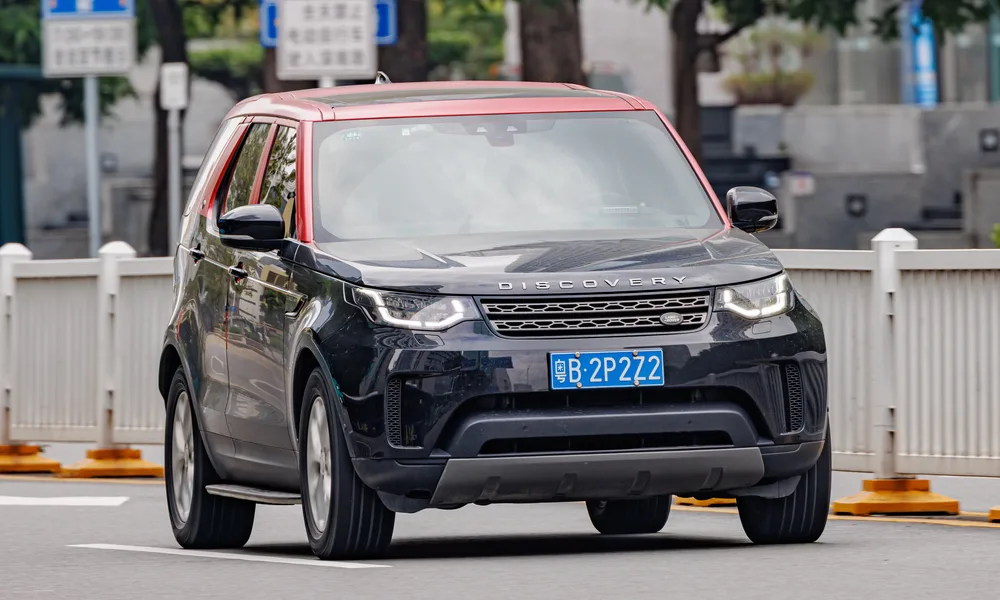
- Land Rover’s Discovery is the most expensive mistake on this list: air suspension and electronics faults, huge repair bills and some of the fastest depreciation in the class.
- The trucks to avoid are often specific engines and configurations, not whole brands: a thirsty V8 or an early build of a new generation is the risk.
- This list sticks to petrol, diesel and hybrid SUVs; electric SUVs have their own ranking.
- Always check the recall record, the warranty and a pre-purchase inspection before you buy, and test the exact SUV, not just the model.
How the worst SUVs of 2026 were chosen
Every SUV below was scored on five measures. Reliability comes first: how often owners report faults, and how serious those faults are. Repair cost is second, because a fault you can fix cheaply is a nuisance, while a fault that needs a dealer-only part is a disaster. Recalls are third: a long recall list is a sign the maker is still fixing the SUV after selling it. Running cost is fourth, judged on fuel, tyres and servicing over three years. Depreciation is fifth: the real cost of owning the SUV, not the price on the showroom ticket.
Two notes before the list. First, no SUV here is slow or ugly, and most of them are genuinely pleasant to drive. They earn their place because the ownership experience lets them down, not because the engine is weak. Second, this list judges petrol, diesel and hybrid SUVs only.
Comparison table: the worst SUVs of 2026
| Rank | SUV | Main problem | Buy instead |
|---|---|---|---|
| 1 | Jeep Wrangler | Reliability, steering, electrics | Toyota 4Runner |
| 2 | Land Rover Discovery | Air suspension, electronics, cost | Lexus GX |
| 3 | Nissan Pathfinder | CVT legacy, electronics, thirst | Honda Pilot |
| 4 | Dodge Durango | Ageing platform, electrics, thirst | Toyota Highlander |
| 5 | Jeep Grand Cherokee | Electrical faults, air suspension | Honda Passport |
| 6 | Volkswagen Atlas | Electronics, recalls, reliability | Kia Telluride |
| 7 | Ford Explorer | Transmission, recalls, infotainment | Toyota Highlander |
The worst SUVs of 2026
1. Jeep Wrangler: the SUV to avoid first
The Wrangler is the most recognisable SUV on the road, and the least reliable one in its class. Owner surveys place it near the bottom year after year, and the complaints are consistent: steering that wanders at motorway speed, the dreaded death wobble on rough roads, electrical faults, water leaks, and build quality that feels a decade behind the price. It is also thirsty and noisy on a long drive. The off-road ability is real, but most owners spend far more time on the motorway than on a trail. Buy a Toyota 4Runner instead: just as tough off road, far better built, and with a reliability record the Wrangler cannot match.
2. Land Rover Discovery: the most expensive mistake on this list
The Discovery is a superb family SUV to drive, with a comfortable ride, a clever seven-seat cabin and genuine off-road ability. The problem is what it costs to own. Air suspension faults are common and expensive, electronics fail in ways that need dealer-only diagnostics, and a single repair can run to thousands. Owner surveys consistently place Land Rover near the bottom for reliability, and the Discovery loses value faster than almost any rival, so the total cost of ownership is brutal. The Lexus GX does the same job with Toyota reliability, lower repair bills and far stronger resale values.

3. Nissan Pathfinder: the CVT shadow still hangs over it
The current Pathfinder is a big improvement on the car it replaced, with a proper nine-speed automatic instead of the continuously variable transmission that caused so many failures. But the shadow of those CVT years still hangs over the name, and owners of recent cars still report infotainment glitches, electrical niggles and fuel economy that trails the class leaders. The three-row cabin is roomy and the ride is comfortable, yet the Pathfinder feels a generation behind its rivals on refinement and technology. The Honda Pilot is the smarter three-row buy: roomier, more efficient, better built and worth more when you sell it.
4. Dodge Durango: an old platform showing its age
The Durango is one of the oldest designs still on sale, and it feels like it. The platform dates back more than a decade, the cabin is showing its age, and owner surveys place its reliability near the bottom of the class, with electrical faults and trim problems the most common complaints. The V8 versions are fast and sound wonderful, but they are also thirsty, and the fuel bills add up fast for a family SUV. The Toyota Highlander does the same family job with far better reliability, much lower fuel bills and a cabin that feels a decade newer.
5. Jeep Grand Cherokee: a good SUV with bad electronics
The Grand Cherokee is the Wrangler’s civilised sibling, and it is a genuinely good SUV: comfortable, quiet, capable off road and pleasant to live with. Its problem is electronics. Owners report Uconnect infotainment faults, air suspension failures on higher trims, electrical glitches that drain the battery, and a recall list that keeps growing, including recalls for rear-view camera and electrical faults. The V6 is the safer engine choice, while the thirstier V8s and the complex plug-in hybrid add more to go wrong. The Honda Passport is the calmer alternative: simpler, better built and far cheaper to keep on the road.

6. Volkswagen Atlas: big, roomy and let down by its electronics
The Atlas is the biggest SUV Volkswagen sells in America, and its three-row cabin is one of the roomiest in the class, with adult-sized space in the third row and a huge boot. The problem is the electronics. Owners report infotainment screens that freeze or reboot, driver assistance faults, and electrical niggles that need dealer visits to fix. Volkswagen recalled the Atlas over a door wiring harness fault that could disable the airbags, which is the kind of fault that should never reach customers. Reliability surveys place it below the class average. The Kia Telluride is the better big family SUV: roomier in the ways that matter, better built and backed by a longer warranty.
7. Ford Explorer: a family favourite with a troubled record
The Explorer is one of America’s best-selling three-row SUVs, and it is easy to see why: a roomy cabin, strong towing and a choice of engines. Its reliability record is the problem. Owners report faults in the ten-speed automatic gearbox, including harsh shifting and hesitation, and Ford has recalled the Explorer over a rear axle bolt that could fracture, which can cause a loss of drive power. Infotainment glitches and build quality niggles add to the list, and the early cars of the current generation are the worst offenders. The Toyota Highlander is the steadier choice: calmer to own, cheaper to run and easier to sell on.
What to avoid when buying an SUV in 2026
The most common buyer regret is not a bad SUV but a wrong match: a first-year model bought before its faults were fixed, a thirsty V8 bought for a school run, or a complex air-suspension flagship bought on a tight budget. Avoid the trap by checking four things before you pay: the recall record; the service history; the three-year running cost; and whether the SUV fits your real driving. The same checks matter for trucks too, and our guide to the worst pickup trucks of 2026 makes the same point about first-year trucks and thirsty engines, because the traps are the same everywhere.
Checklist: buying an SUV without regret
- Check the recall record for the exact model year and confirm all recall work is documented before you pay.
- Ask when the next major service is due and get a written quote for it.
- Test drive the exact SUV you are buying, including a motorway run, where steering wander and wind noise show up.
- Check fuel and insurance costs over three years, not just the ticket price.
- Confirm the third row and boot genuinely fit your family and luggage, not just the brochure figures.
- Read recent owner forums for the model year you are buying, not just the launch reviews.
Frequently asked questions
What is the worst SUV to buy in 2026?
The Jeep Wrangler tops this list, because its reliability record is the weakest in the class and its steering, electrical and build faults are reported year after year. The Land Rover Discovery follows close behind, mainly because its repair bills and depreciation make it the most expensive mistake on the list.
Are Jeep SUVs unreliable?
Owner surveys consistently place Jeep near the bottom for reliability, with the Wrangler and Grand Cherokee both reporting more faults than the class average. The problems centre on electronics, steering and build quality rather than the engines, and later model years are usually better than the launch cars.
Which SUV brands are the most reliable?
In the largest owner surveys, Toyota and Lexus consistently come out on top, with the fewest reported problems, followed by Honda and Mazda. The European premium brands report more faults, largely because their SUVs carry more complex electronics and air suspension.
Should I avoid first-year SUV models?
Yes, where you can. First-year models carry the most recalls and the most early faults, as the Explorer and the Grand Cherokee both show. A second or third-year SUV from the same generation is usually the safer buy, with the early faults fixed and the recall work done.
How much does it cost to run a large SUV?
A thirsty V8 SUV can cost thousands a year more in fuel than a hybrid rival, and an air suspension repair on a Land Rover can run to four figures. Price fuel, servicing and insurance over three years before you buy.
Is a used worst-list SUV ever worth buying?
Sometimes, if the price reflects the risk. A late-model SUV with a full service history, all recall work documented and a warranty can be a good buy at the right price. Never buy one without a pre-purchase inspection, and walk away from any seller who cannot show the service records.
Bottom line
The worst SUVs of 2026 are not bad cars to drive: they are bad cars to own. The Wrangler, the Discovery and the Durango all reward you on the road and punish you in the workshop, with electrical faults, thirsty engines or repair bills that dwarf the purchase price. Buy the simpler SUV instead: a Toyota, a Honda or a Lexus will start every morning and cost far less to keep. And if you plan to tow with your SUV, check our guide to the worst towing vehicles of 2026 first, because the wrong SUV with a heavy trailer is a costly mistake.