
Worst Utility Trucks 2026: Service Rigs That Cost More Than They Fix
The worst utility trucks of 2026 are not the oldest work trucks in the yard or the plainest ones on the road. They are the service rigs that look unstoppable on the dealer forecourt and then wear their owners down: a utility body whose compartments leak in the first winter, a crane that stalls halfway through a lift, a cab that beats the crew up over a ten-hour shift, or a repair bill that costs more than a month of call-outs. This guide names the seven worst utility trucks of 2026, based on published recall records, owner surveys and repeated complaints, so you can spot the pattern before you sign.
First, the distinction that matters. A utility truck is built around a service body: lockable compartments for tools, a crane or an aerial lift, and a power take-off that runs equipment at the job site. A pickup truck is a different vehicle, bought for carrying a load in an open bed and towing a trailer, and our guide to the pickup trucks to avoid in 2026 judges those on their own terms. A tow truck is different again: it recovers broken vehicles with a winch or a flatbed. The same chassis can wear more than one body, but this guide judges the utility-body upfit, not the recovery rig.
Key takeaways
- The Ford F-600 Super Duty is the utility truck to avoid first: a harsh ride, thirsty running and an upfit bill that keeps growing after the sale.
- Body quality matters as much as the chassis: leaking compartments and rusting floors ruin a service truck long before the engine gives up.
- Cranes and power take-offs are the new weak points in utility trucks: hydraulics and electronics strand trucks that are mechanically sound.
- Dealer support matters as much as the truck: a thin network means long waits for parts and warranty work.
- Always check the recall record, the service history and a pre-purchase inspection before you buy, and test the exact truck with a loaded body, not just an empty drive.
How the worst utility trucks of 2026 were chosen
Every truck below was scored on five measures. Reliability comes first: how often owners report faults, and how serious they are. Repair cost is second, because a dealer-only repair turns a nuisance into a disaster. Support is third, judged on the dealer network and how long parts take to arrive. Capability is fourth: whether the truck can do the work its size promises, from lifting a load with the crane to keeping tools dry through a wet winter. Value is fifth: the real five-year cost, including downtime, not the forecourt price.
Two notes before the list. First, no truck here is slow or ugly, and most of them are genuinely useful when they are running. They earn their place because the ownership experience lets them down, not because the engine is weak. Second, this guide is strictly about utility-body service trucks. Heavy haulers suffer the same traps at a bigger scale, and our guide to the worst tow trucks of 2026 shows how the same reliability problems play out on trucks that recover broken vehicles instead of carrying a crew’s tools.

Comparison table: the worst utility trucks of 2026
| Rank | Utility truck | Main reported problems | Who should avoid it |
|---|---|---|---|
| 1 | Ford F-600 Super Duty | Harsh ride, thirsty running, expensive upfit | Small crews who need a daily driver |
| 2 | International MV Series | Electrical faults, cramped cab, slow parts | Buyers far from an International dealer |
| 3 | Freightliner M2 106 | Aftertreatment faults, cab noise, body rattles | Crews who spend all day in the cab |
| 4 | Peterbilt 337 | Premium price, costly repairs, tight cab | Buyers watching the five-year cost |
| 5 | Kenworth T280 | Heavy steering, poor visibility, pricey parts | Drivers working tight city streets |
| 6 | Isuzu NRR | Underpowered when loaded, thin dealer cover | Buyers who haul heavy tools daily |
| 7 | Hino L7 | Support gamble, slow warranty, dated cab | Buyers who cannot afford downtime |
The worst utility trucks of 2026
1. Ford F-600 Super Duty: the utility truck to avoid first
The F-600 is the biggest truck in Ford’s Super Duty family, and on paper it is the obvious service truck: a heavy chassis, a strong diesel, and room for a full utility body with a crane. In service, owners report that the size becomes the problem. The ride is harsh when the body is empty, the fuel bills are heavy, and the upfit costs keep growing, because the bigger chassis needs bigger cranes, bodies and tyres. The cab is noisy and hard-riding, with dealer-only electronics faults on top. It is a capable truck, but for most crews it is more truck than the job needs.
2. International MV Series: clever, and dealer-only when it breaks
The International MV is a familiar sight on utility fleets, and it is easy to see why buyers choose it: a straightforward chassis, a strong engine, and a price that undercuts the premium brands. Owners report that the truck itself is sound, but the ownership experience is where it falls down. Electrical faults are the most repeated complaint, and each one means a dealer visit. The cab is cramped for a three-person crew, and parts support is slow far from an International dealer, so a truck waiting for a part is not earning.
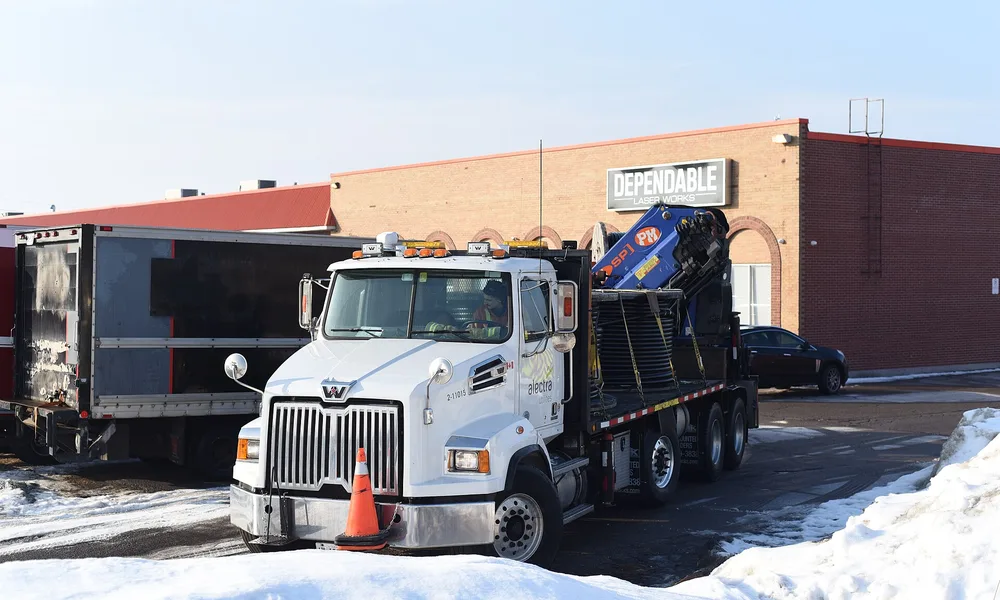
3. Freightliner M2 106: a good truck in a cab too noisy for the job
The Freightliner M2 106 is the best-selling medium-duty truck in America, and fleets buy it because it is cheap to buy and easy to find. As a utility truck, though, owners report a familiar set of complaints. Aftertreatment faults are the most expensive: sensors and filters that strand a mechanically sound truck and need dealer-only diagnostics. The cab is noisy at motorway speed, the seats wear crews out on long days, and the utility body rattles and leaks sooner than owners expect, with sticking doors and failing seals.
4. Peterbilt 337: brilliant, and brutally expensive to keep
The Peterbilt 337 is the premium choice in this class, and it looks it: a handsome truck with a strong engine and a cab that feels a class above its rivals. Owners report that the driving experience is genuinely good. The problem is everything that comes after the sale: parts and repairs cost far more than the equivalent parts on a Ford or a Freightliner, the dealer network is thinner, and the cab is tighter than the price suggests, with less storage for a working crew than the cheaper trucks manage. Buyers who stretched to buy it find the five-year cost is the real shock.
5. Kenworth T280: heavy, pricey and hard to see out of
The Kenworth T280 shares much of its running gear with the Peterbilt, and it shares the same strengths: a strong chassis, a good engine, and a cab that feels well built. Owners report the same weakness too, which is cost: parts are expensive and the dealer network is thinner than the mainstream brands. The T280’s own problem is visibility: the long bonnet and the high cab make tight city streets and crowded job sites harder than they need to be, and the steering is heavy at low speed. It is a good truck for open roads and big sites, and a frustrating one for the stop-start work most utility crews actually do.
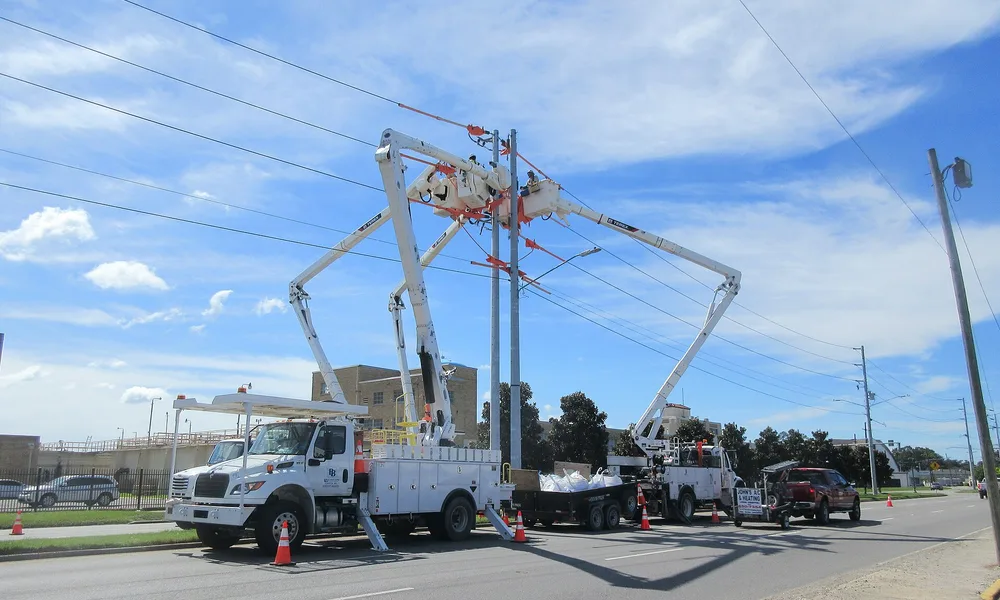
6. Isuzu NRR: capable, but underpowered when it matters
The Isuzu NRR is a cab-over truck, which gives it a tight turning circle and a cab that is easy to get in and out of all day, and owners report that it is a likeable truck to work from. The problem is power: the diesel is small for the class, and once the utility body is loaded with tools, parts and a crane, the truck feels sluggish on hills and motorways. Support is the second gamble, with a thin dealer network outside the big cities and long waits for parts. The NRR suits light, urban work with a modest load, and it struggles with the heavy service-body life that defines a real utility truck.
7. Hino L7: strong on paper, costly in the workshop
The Hino L7 is a solid, well-built truck with a reputation for durability, and owners report that the chassis and the engine are genuinely tough. The problem is what happens when something does go wrong: the dealer network is the thinnest in this class, parts take longer to arrive, and warranty work can leave a truck off the road for weeks rather than days. The cab is also dated next to its rivals, with fewer comforts for a working crew. For a small crew with one truck, the support gamble is too big.
What to avoid when buying a utility truck in 2026
The most common utility truck regret is not a bad truck but a wrong match: a chassis too big for the work, a body too small for the tools, or a crane that cannot reach the job. Avoid the trap by checking four things before you pay: the real payload of the finished truck, not the chassis rating; the crane’s reach and lift at full extension, not at the base; the compartment seals and door latches, which leak and stick sooner than any engine fault; and the dealer network near your depot. The same checks work on other work trucks too, and our guide to the dump trucks to avoid in 2026 makes the same point about payload and dealer support.
Checklist: buying a utility truck in 2026
- Weigh the finished truck with a full body, tools and crew, and compare it with the real payload.
- Test the crane at full reach with a real load, and check the power take-off under load, not just at idle.
- Open every compartment door, check the seals, and hose the body down to find leaks before you sign.
- Check the recall record, the service history and the warranty, and ask who does warranty work near your depot.
- Drive the exact truck loaded, on the roads you work, and sit in the cab for a full hour before you decide.
- Price the five-year cost, including tyres, brakes and downtime, not just the forecourt price.
Frequently asked questions
Which utility truck should I avoid first in 2026?
The Ford F-600 Super Duty: more truck than most crews need, with a harsh ride, heavy fuel bills and upfit costs that keep growing.
Are utility trucks the same as pickup trucks?
No. A pickup carries a load in an open bed and tows a trailer. A utility truck carries a crew and their tools in a lockable service body, usually with a crane or an aerial lift.
Are utility trucks the same as tow trucks?
No. A tow truck recovers broken vehicles; a utility truck carries tools and powers equipment at a job site.
What matters more than engine power in a utility truck?
Body quality and dealer support. Leaking compartments and a crane that stalls matter more than horsepower, and a thin dealer network turns a small fault into weeks off the road.
Why do utility trucks cost so much to repair?
Because the body, the crane and the chassis each need specialist parts and labour, and modern electronics often need dealer-only diagnostics.
How do I test a utility truck before I buy it?
Load the body with the tools you actually carry, test the crane at full reach, run the power take-off under load, and drive it loaded for an hour.
Bottom line
The worst utility trucks of 2026 are the ones that make the working day harder: bodies that leak, cranes that stall, cabs that wear crews out, and dealer networks that leave trucks off the road. Buy the truck that matches the work, check the body as carefully as the engine, and the truck will earn its keep instead of eating it.


