
The Worst Cherry Pickers of 2026: Aerial Lifts That Strand Crews at Height
The worst cherry pickers of 2026 are not the oldest lifts in the yard or the plainest ones on the site. They are the aerial work platforms that look unstoppable on the dealer forecourt and then wear their owners down: a boom that drifts at full height, controls that only a dealer can reset, a platform that sways in a light wind, or a repair bill that costs more than a month of jobs. This guide names the seven worst cherry pickers of 2026, based on published recall records, owner surveys and repeated owner complaints, so you can spot the pattern before you sign. A cherry picker is an aerial work platform, also called a bucket truck or boom lift: a truck or chassis with a hydraulic boom that lifts a small platform carrying workers, not loads, up to a roof, a sign or a power line. That is a different job from a crane truck. A crane lifts heavy loads on a hook at the end of a telescopic boom; a cherry picker lifts people in a bucket, and it is rated for people and their tools, never for a steel beam. The crane trucks have their own traps, and our guide to the crane trucks to avoid in 2026 shows how the same reliability problems play out on machines that lift loads on a hook instead of people in a platform.
Key takeaways
- The Altec AA55 is the cherry picker to avoid first: owners report boom-drift faults, control failures and dealer-only repairs that cost far more than a lift should.
- Boom stability and platform control matter more than maximum height: a lift that drifts or sways at height is useless on a real job.
- Aftertreatment and electronics are the new weak points in cherry pickers, just as they are in cars: sensors and software faults strand machines that are mechanically sound.
- Dealer support matters as much as the lift: a thin network means long waits for parts and warranty work that eats into working days.
- Always check the recall record, the service history and a pre-purchase inspection before you buy, and test the exact lift at full height with a real load, not just a ground check.
How the worst cherry pickers of 2026 were chosen
Every lift below was scored on five measures. Reliability comes first: how often owners report faults, and how serious those faults are. Repair cost is second, because a dealer-only repair turns a nuisance into a disaster. Support is third, judged on the dealer network near the buyer and how long parts take to arrive. Capability is fourth: whether the lift can actually do the work its size and price promise, from holding a platform steady at full height to working on a tight site without overheating. Value is fifth: the real five-year cost, including downtime, not the forecourt price.
Two notes before the list. First, no lift here is short on paper, and most of them are genuinely capable when they are running. They earn their place because the ownership experience lets them down, not because the boom lacks reach. Second, this guide is strictly about cherry pickers: aerial work platforms and bucket trucks that lift workers in a platform on a hydraulic boom. That job is different from every neighbouring machine. A crane truck lifts loads on a hook, a dump truck hauls loose material in a tipping bed, and a tow truck recovers broken vehicles with a winch. None of them carries a worker in a bucket. Heavy haulers suffer the same traps at a bigger scale, and our guide to the dump trucks to avoid in 2026 shows how the same reliability problems play out on trucks that haul a load instead of lifting a crew.
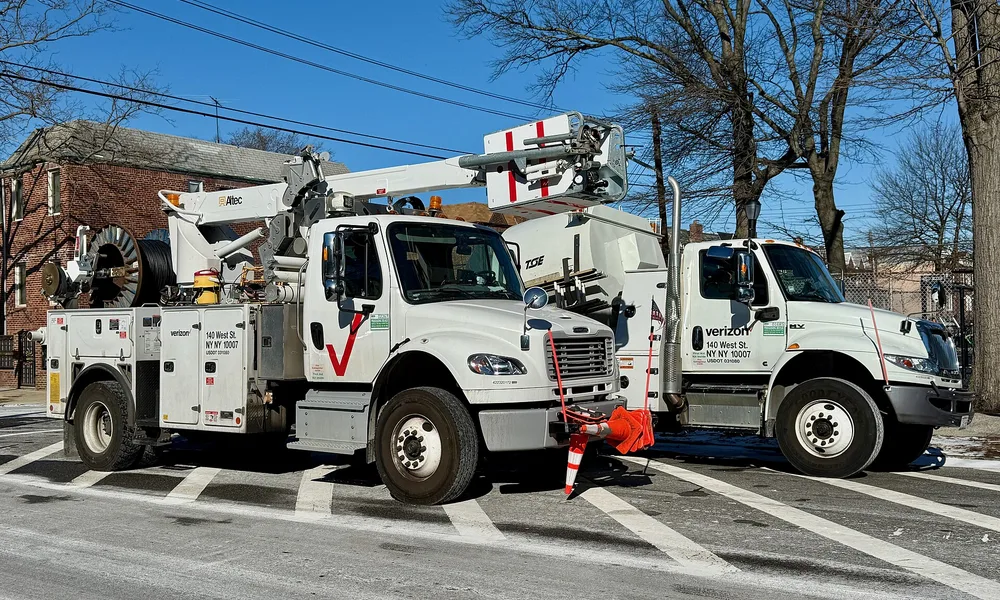
Comparison table: the worst cherry pickers of 2026
| Rank | Cherry picker | Main problem | Buy instead |
|---|---|---|---|
| 1 | Altec AA55 | Boom drift, control failures | JLG 600S |
| 2 | JLG 600S | Electrical faults, dealer-only fixes | Genie Z-80/60 |
| 3 | Genie Z-80/60 | Cramped platform, aftertreatment trouble | Terex Hi-Ranger TL48 |
| 4 | Terex Hi-Ranger TL48 | Premium price, costly parts | Versalift VST-47 |
| 5 | Versalift VST-47 | Heavy, pricey, poor visibility | Skyjack SJ86 T |
| 6 | Skyjack SJ86 T | Boom wear, parts cost | Altec AA55 |
| 7 | Haulotte HA20 RTJ Pro | Thin dealer network, weak resale | JLG 600S |
The worst cherry pickers of 2026
1. Altec AA55: the cherry picker to avoid first
The Altec AA55 is the best-known bucket truck in America, and that is exactly why its faults sting. Owners report a boom that drifts at height, platform controls that fail without warning, and electrical faults that only a dealer can clear with factory software. A lift that cannot hold its platform steady is useless to a line crew. Buy a JLG 600S instead: a steadier boom, simpler controls and a cab built for a working day on the road.
2. JLG 600S: clever, and dealer-only when it breaks
The JLG 600S looks like a smart buy, with a long reach and a platform crews trust. Electrical faults are the most reported problem: warning lights that come and go, sensors that fail early, and fault codes that only a dealer can clear. A lift that cannot be fixed quickly is useless mid-schedule. The Genie Z-80/60 does the same job with a far bigger dealer network and simpler electrics.
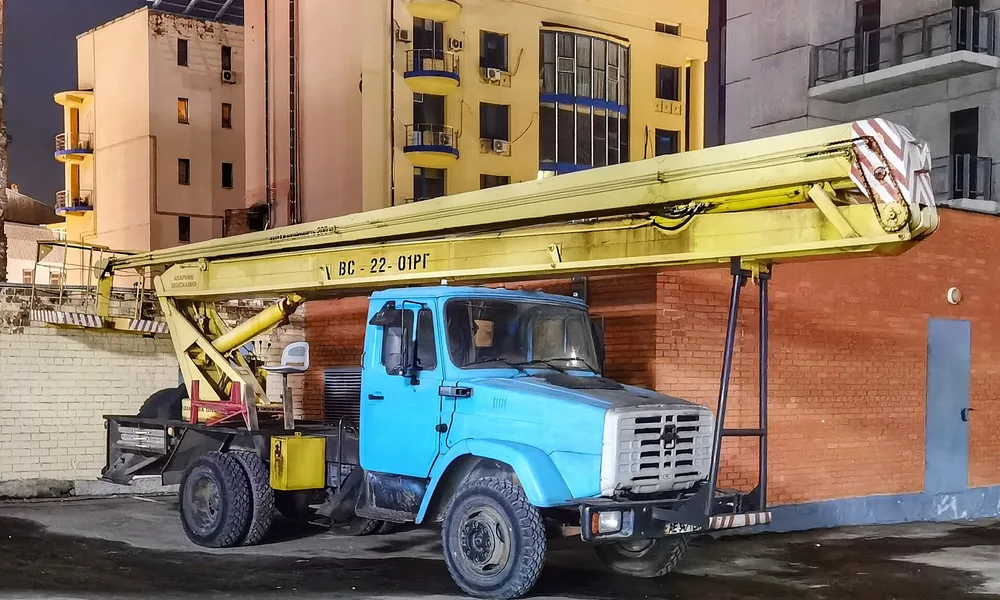
3. Genie Z-80/60: a good lift in a platform too small for the job
The Genie Z-80/60 is a well-built boom lift, and its place on this list needs explaining, because the problem is specific: the platform and the aftertreatment. The platform is cramped for two workers with tools, and the diesel particulate filter regenerates often in stop-start site work. When it fails, the machine derates itself to a crawl. The Terex Hi-Ranger TL48 costs more but gives the crew room to work, with a wider platform and simpler aftertreatment.
4. Terex Hi-Ranger TL48: brilliant, and brutally expensive to keep
The Terex Hi-Ranger TL48 is a superb lift to use, with a strong boom, a smooth platform and controls that feel built for a long working life. The problem is what it costs to own. The purchase price is among the highest in the class, and parts prices follow the same pattern: a single dealer visit for a boom or control job can run to four figures. The Versalift VST-47 holds its value better and its parts are easier to find.
5. Versalift VST-47: heavy, pricey and hard to see out of
The Versalift VST-47 is one of the most common bucket trucks on the road, with a strong boom and a good reach. The faults are about weight and visibility. The truck is heavy before it picks up a crew, so payload suffers, and the high cab makes tight streets harder than they need to be. Owners report blind spots around workers on foot, and the premium price only makes sense for operators who run it hard every day. The Skyjack SJ86 T gives you the same lifting ability with a better view from the cab and a stronger dealer network.
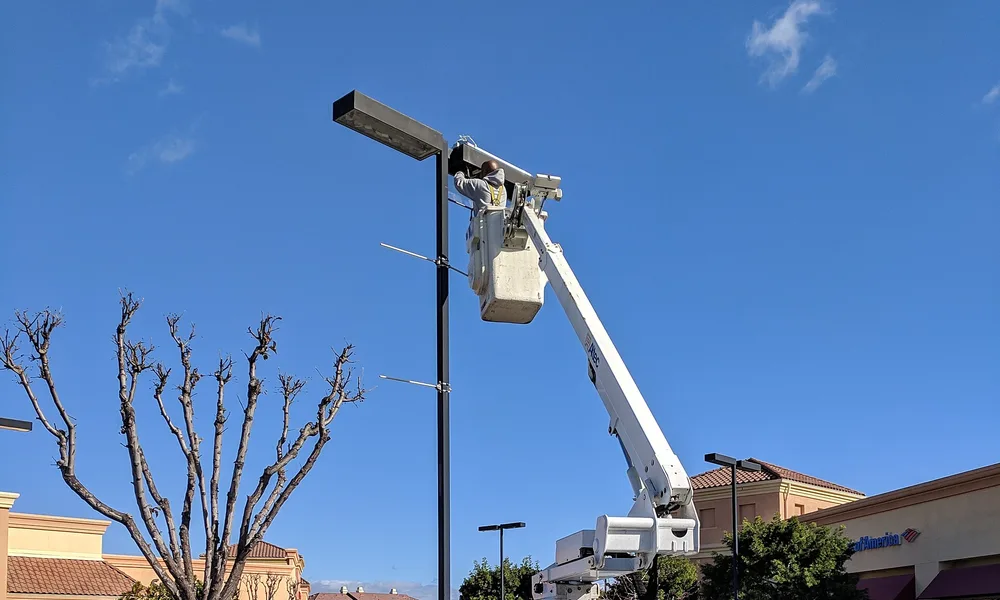
6. Skyjack SJ86 T: strong boom, fragile controls
The Skyjack SJ86 T is built for hard site work, with a tough boom and a reputation for surviving jobs that break lighter lifts. Owners report that the platform controls are the weak point: joysticks that wear early, switches that fail in the rain and in the worst cases a platform that will not respond at height. Hydraulic niggles are the second complaint: hoses that leak and valves that stick. The Altec AA55 has a smoother control tune and a wider dealer network, and it is the safer buy for most fleets.
7. Haulotte HA20 RTJ Pro: the smallest network of all
The Haulotte HA20 RTJ Pro is the cheapest lift on this list, and it shows why price alone is a poor guide. The machine itself is simple and the boom is willing, but the dealer network is the smallest of any brand sold in America. Owners report waiting weeks for parts and struggling to find a mechanic who knows the machine. Resale is poor, because buyers know the support problem and price it in. The JLG 600S costs more but comes with a real dealer network and far stronger resale.
What to buy instead of the worst cherry pickers
The pattern across this list is simple: buy the lift with the strongest dealer near you, not the cheapest price on the internet. A JLG 600S, a Genie Z-80/60 or a Terex Hi-Ranger TL48 will cost more than the cheapest option, but they come with dealers who stock parts and resale values that hold up. Lighter work vehicles suffer the same support trap, and our guide to the pickup trucks to avoid in 2026 makes the same point about dealer networks and repair bills, because the lesson is the same across every working vehicle. Before you buy, test the lift at full height, check the recall record, and ask the dealer how long a common control part takes to arrive.
Checklist: buying a cherry picker in 2026
- Test the lift at full height with a real crew and tools, and check the boom hold and the platform controls.
- Check the boom for wear, cracks and hydraulic leaks, and ask for the full service history of the controls.
- Check how far your nearest dealer is, and ask how long a common part takes to arrive.
- Look up the recall record and any service bulletins for the exact model year before you sign.
- Compare the real out-the-door price, including the boom, the platform and the upfit, not the chassis price alone.
- Test the lift on a real job, and check that the platform holds steady from the ground to full height.
Frequently asked questions
What is the worst cherry picker to buy in 2026?
The Altec AA55, because owners report boom-drift faults, control failures and dealer-only repairs that strand a crew at height. It is the most common bucket truck in America, so its faults affect more operators than any rival.
How is a cherry picker different from a crane truck?
A cherry picker lifts people in a bucket on a hydraulic boom, while a crane truck lifts heavy loads on a hook at the end of a telescopic boom. A cherry picker is rated for workers and their tools, never for a steel beam or a pallet.
How is a cherry picker different from a dump truck?
A dump truck hauls loose material in a tipping bed and never lifts anyone, while a cherry picker carries a crew in a platform to work at height. The chassis can be similar, but the body and the job are completely different.
Which cherry picker has the best dealer support?
Altec and JLG have the widest aerial-lift dealer networks in America, which is why they are the safer buys. Haulotte has the smallest network, and owners report the longest waits for parts.
Should I buy a new or used cherry picker?
A used lift can be good value if the boom and the controls have a full service history, but a used lift with a worn boom is a money pit. Always test it at full height before you sign.
What should I check before buying a cherry picker?
Test the platform at full height, check for wear and hydraulic leaks, look up the recall record, and confirm that a dealer near you stocks parts and can clear fault codes quickly.
Bottom line
The worst cherry pickers of 2026 are the ones that cannot finish a job at height: booms that drift, controls that fail, electronics only a dealer can fix, and dealer networks too thin to help. Buy the lift with the strongest dealer near you, test it at full height, and the cherry picker will make the job easier instead of getting in its way.


