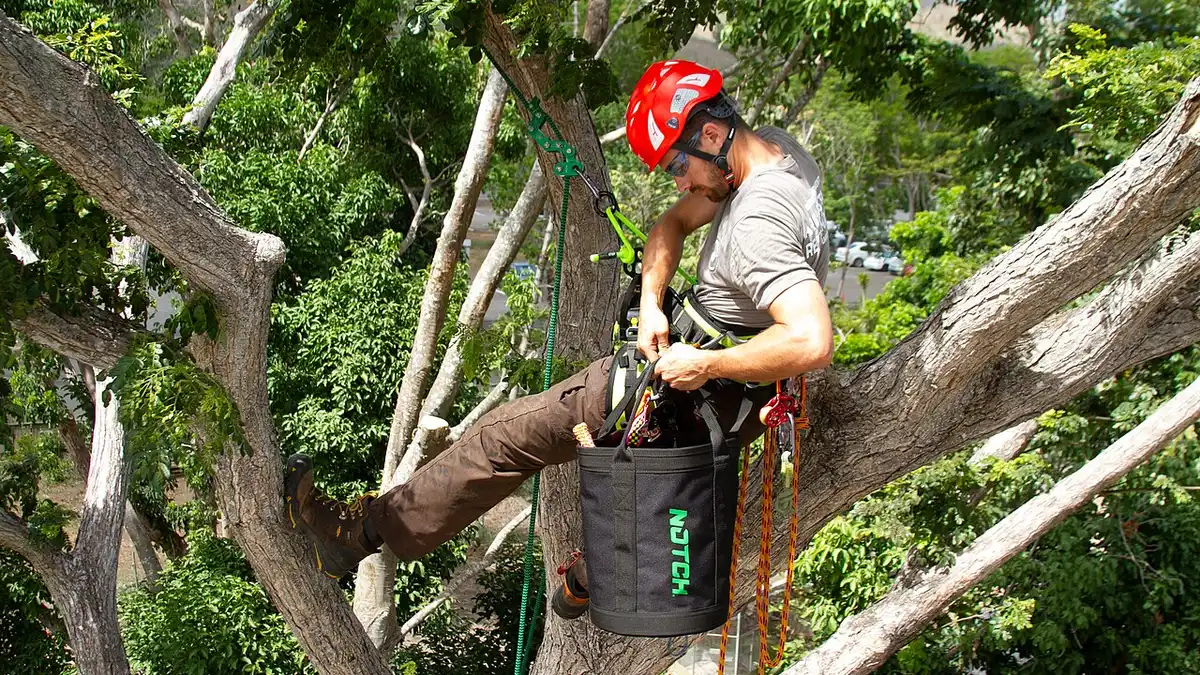
Avoid the Worst Gardeners of 2026
The worst gardeners of 2026 rarely ruin a garden in a single visit. They wear it down slowly, week after week: the lawn cut shorter until it turns brown, the hedge hacked at the wrong season until it stops flowering, the weeds left to seed, and shrubs pruned so hard they never recover. A gardener is different from a landscaper, because the work is regular care, not a one-off build: the same person coming back again and again to mow, weed, prune and feed. That routine makes a bad one far more costly than a bad one-off job, because the damage is done a little at a time and only shows up months later. This guide ranks the worst types by the patterns that repeat across visits, so you can spot trouble before your garden pays for it.
Key takeaways
- A bad gardener is recognised over weeks, not one visit: the same scalped lawn, the same seeding weeds and the same shrinking visit are the signs.
- Agree a written task list for every visit, with the jobs, the beds and the time, and check it against what actually got done.
- Never let anyone mow the lawn to the ground, shear a hedge in full flower, or prune a shrub at the wrong time of year.
- Ask what was fed, sprayed or cut on every visit, and keep a log, because the damage shows up months later.
- Pay per visit until the round has run reliably for a season.
How the worst gardeners of 2026 were chosen
Every type below was scored on five measures. Plant knowledge comes first: does the gardener know what they are cutting, when to cut it and what will grow back? Consistency is second: does the same standard arrive every visit, or does the work shrink as the weeks go on? Care is third: how the gardener treats soil, roots and young plants, and whether they own their mistakes. Reliability is fourth: a regular gardener who vanishes leaves a garden that reverts in weeks. Value is fifth: the real cost once dead plants and replanting are counted, not the hourly rate alone.
Two notes before the list. First, this guide is about regular garden care: the weekly or fortnightly visit to the same garden, working through a routine list of mowing, weeding, pruning and feeding. Design and building work, such as patios, turf laying and drainage, is a different job. Second, no single person is named as the worst, because the same bad patterns appear in many gardens. Readers who judge the tools will find our guides to the worst rakes of 2026 and the worst hand trowels of 2026 useful, and our guide to the best garden soil in 2026 shows what good groundwork looks like.

Comparison table: the worst gardeners of 2026
| Rank | Gardener type | Worst habit | Who gets hurt most |
|---|---|---|---|
| 1 | The lawn-scalpers | Mowing the lawn to the ground | Lawns that turn brown in dry spells |
| 2 | The hedge-butchers | Shearing shrubs at the wrong time | Shrubs that never flower again |
| 3 | The weed-blind | Weeds left to seed | Beds that are weeds in a season |
| 4 | The plant-killers | Wrong feed, wrong spray, wrong season | Expensive plants and young trees |
| 5 | The blow-and-go crew | In and out in twenty minutes | Households paying for a full visit |
| 6 | The ghost gardeners | The regular round quietly stops | Gardens that revert in a few weeks |
| 7 | The one-tool gardeners | Blunt shears, one strimmer for all jobs | Stems torn, bark stripped, plants stressed |
Avoid the worst gardeners of 2026
1. The lawn-scalpers: the cut that kills the grass
The worst gardeners of 2026 are the lawn-scalpers, who cut the grass shorter every visit until almost nothing is left. A lawn mown to the ground looks tidy for a day, and then the sun hits the exposed soil, the roots dry out, and brown patches take a season to recover. Scalping is easy to spot: the lawn is the same height as the path, the mower leaves pale stripes, and the edges are chewed rather than cut. Agree a cutting height at the start of the season, and check it after the first visit. A gardener who will not raise the blades is killing your lawn a little at a time.
2. The hedge-butchers: shearing at the wrong time, in the wrong way
The hedge-butchers treat every shrub like a hedge. They shear flowering shrubs in full bloom, cut spring-flowering wood in autumn so next year’s flowers are gone, and hack shrubs back to bare stems mid-season. A good gardener asks what each shrub is before cutting, prunes after flowering rather than before, and never takes more than a third of a plant in one go. Before you hand over the shears, ask how they will treat your best flowering shrub. If the answer is to cut everything back hard now, find someone else, because the flowers you lose this year were grown last year.
3. The weed-blind: the lawn gets mown, the weeds get ignored
The weed-blind mow the lawn, blow the paths, and walk straight past the beds. The weeds are left to flower, seed and spread, so within a season the borders are more weed than plant, and a ten-minute job now takes a full day with a fork. Pick three beds and check them every visit for a month. If the same weeds are taller each time, the gardener is not weeding at all. Put weeding on the written task list, and treat a bed that is never touched as a decision.

4. The plant-killers: the wrong feed, the wrong spray, the wrong season
The plant-killers do their damage with confidence and a spray bottle. They feed acid-loving plants with the wrong fertiliser, spray weedkiller on a windy day so it drifts onto the borders, and prune frost-tender plants just before the cold arrives. The defence is a question, asked before the work starts: what are you feeding, spraying or cutting today? A gardener who knows will name the product and the plant; a plant-killer will wave a hand and say it is all the same stuff. Keep a note of what was used on each visit, and photograph any plant that looks scorched or wilted. If the gardener cannot explain what they sprayed, stop them spraying anything until they can.
5. The blow-and-go crew: twenty minutes and gone
The blow-and-go crew are paid for a visit and behave as if they are paid by the minute. The mower goes over the lawn, the blower clears the path, and they are gone in twenty minutes, with the beds unweeded, the hedge untrimmed and the pots unwatered. Pick three small jobs and check them after every visit: are the pots watered, are the clippings in the bin, is the edge along the path actually cut? Agree the hours and the task list in writing at the start, and note arrival and departure times for a month. If the visit keeps shrinking while the price stays the same, the crew is short-changing you a little at a time.
6. The ghost gardeners: the round that quietly stops
The ghost gardeners are the ones you never have to sack, because they disappear. The round runs well for a few months, then a visit is missed, then another, then the gardener stops answering messages while the standing order keeps going out. By the time you notice, you have paid for visits that never happened and the garden needs rescue work. Protect yourself the same way as with any regular trade: pay per visit until the round has run reliably for a full season, and keep a note of each visit date. If two visits are missed without a call, cancel the payment first and find a replacement second.

7. The one-tool gardeners: blunt shears and a strimmer for everything
The one-tool gardeners turn up with a strimmer, a pair of blunt shears and nothing else, and use them for every job. Blunt shears do not cut stems; they crush and tear them, leaving ragged wounds that let disease in. A strimmer used against a tree trunk strips the bark in a ring, which can kill the tree outright, and the same strimmer scalps the lawn edge. Look at the tools before the work starts: clean, sharp blades and the right tool for the job, or one battered strimmer for everything. If the shears are rusted and blunt, the garden will carry the marks of that visit for a year.
What to avoid when hiring a gardener
The most common regret is not a bad gardener but a vague booking: no written task list, no agreed cutting height, no plan for the beds, and no record of what was fed or sprayed. Avoid it by checking four things before the first visit: the written task list with the beds and the hours, the mowing height for the season, what the gardener will feed and spray and when, and whether the price is per visit rather than a standing order. Ask for a trial month, judge the lawn and the beds after four visits, and keep a note of what was done each time.
Checklist: hiring a gardener
- Agree a written task list for every visit, with the beds, the jobs and the hours.
- Set the mowing height for the season, and never let anyone cut the lawn to the ground in dry weather.
- Ask what will be fed, sprayed or cut on each visit, and keep a note of the products and the plants.
- Check three beds after every visit for a month, and treat weeds that are never touched as a warning.
- Pay per visit for the first full season, and note every visit date so a missed round shows up fast.
- Look at the tools before the work starts: sharp, clean blades and the right tool for each job.
Frequently asked questions
How often should a gardener visit?
Every one to two weeks in the growing season suits most gardens, dropping to monthly in winter. A garden left for a month in summer needs rescue work, and the bill shows it.
How short should my lawn be cut?
Never more than a third of the blade at once, and longer in dry weather so the roots stay shaded. A lawn cut to the ground turns brown in the first dry spell.
When should hedges and shrubs be pruned?
After flowering for spring-flowering shrubs, and never hard mid-season. A shrub sheared in full bloom loses the flowers it grew last year.
Should weeding be part of a regular garden visit?
Yes, and put it on the written task list. Weeds left to seed for a month turn a ten-minute job into a full day with a fork.
How do I know if my gardener is damaging plants?
Look for torn stems, scorched leaves, bark stripped from tree trunks and plants that wilt after a visit. Ask what was fed or sprayed, and photograph anything that looks wrong.
What should I do if my gardener keeps missing visits?
Two missed visits without a call is the line. Cancel any standing order first, then find a replacement, because a garden reverts fast.
Bottom line
Avoid the worst gardeners of 2026 by watching the patterns, not the promises: scalped lawns, butchered hedges, weeds left to seed, plants killed by the wrong feed or spray, twenty-minute visits, vanished rounds and blunt tools. Agree the task list and the mowing height in writing, and ask what was done on every visit.