Bent Blades, Broken Handles: The Worst Hand Trowels of 2026
The worst hand trowels of 2026 are not the oldest tools in the shed or the cheapest ones on the rack. They are the trowels that look perfectly useful in the garden centre and then fail at the first real job: a blade that bends on the first stone, a handle that snaps off in your hand, a socket that works loose after a week of planting, or a trowel so narrow and flimsy that it moves soil one teaspoon at a time. A hand trowel is the smallest digging tool most gardeners own, and it is also the one they reach for most often, so a bad one wastes time on every single job. This guide ranks the seven worst hand trowel types of 2026, by what actually goes wrong, so you can spot the pattern before you buy.
Key takeaways
- A thin stamped-steel trowel is the type to avoid first: it bends on stones and clay, and once it bends it never digs straight again.
- Plastic trowels are toys, not tools: the blade flexes, the neck cracks, and the handle snaps in real soil.
- The handle join matters more than the blade: a loose socket or a single rivet turns a trowel into a wobbling hazard.
- Match the trowel to the job: a narrow transplanting trowel cannot dig a planting hole, and a wide scoop cannot cut into turf.
- Check the blade thickness, the socket, the handle length and the grip before you buy, and test the trowel against a stone, not a bag of compost.
How the worst hand trowels of 2026 were chosen
Every type below was scored on five measures. Blade strength comes first: can the blade cut into real garden soil, clay and stony ground without bending, flexing or folding? Handle strength is second, judged on the grip, the socket and the join, because a trowel whose handle snaps or wobbles is useless no matter how good the blade is. Digging ability is third: does the trowel actually move soil, cut a clean hole and lift a plant, or does it scrape and slip? Durability is fourth, judged on rust, cracking and wear over a season, because a trowel that rusts through or splits at the handle in its first year is disposable.
Two notes before the list. First, this guide is strictly about hand trowels: small one-handed digging tools with a short handle and a single blade, judged on blade, handle and digging. A garden fork is a different tool that levers and lifts with tines, and a shovel is a two-handed tool with a long handle for bigger digging, while powered soil machines such as tillers and cultivators break ground on a different scale altogether, as our guide to the worst tillers of 2026 shows. Second, no single trowel is named as the worst, because the same bad patterns appear in many tools, and what matters is learning to recognise them for your own garden.
Comparison table: the worst hand trowels of 2026
| Rank | Trowel type | Main problem | First warning sign |
|---|---|---|---|
| 1 | Thin stamped-steel trowels | Blade bends on stones and clay | The blade flexes when you press it |
| 2 | Plastic trowels | Blade flexes, neck cracks, handle snaps | The blade bends in your hand |
| 3 | Trowels with loose handles and sockets | Head wobbles, then comes off | The blade twists on the handle |
| 4 | Narrow transplanting trowels used for digging | Too small to dig a real hole | Planting takes three times as long |
| 5 | Telescopic and folding trowels | Joints slip, wobble and jam with grit | The handle moves more than the blade |
| 6 | Gimmicky multi-feature trowels | Extra features ruin the digging | A serrated edge that catches on roots |
| 7 | Wide flat scoop trowels | Cannot cut into soil or turf | The blade skates across the ground |
The worst hand trowels of 2026
1. Thin stamped-steel trowels: the blade bends on the first stone
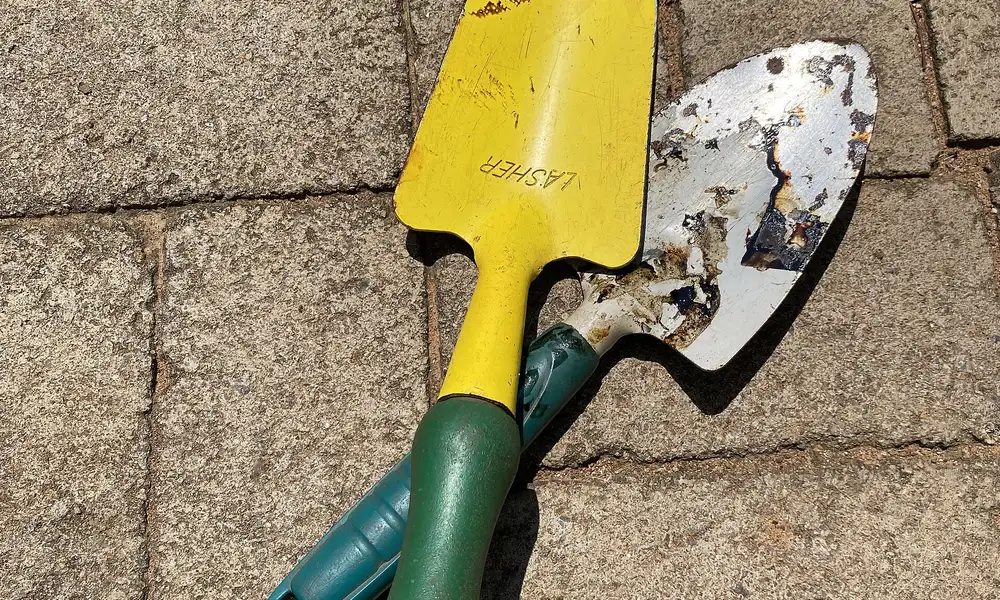
The thin stamped-steel trowel tops this list because it fails at the one job a trowel exists to do, and it fails in the first five minutes. It looks like a proper trowel on the rack: a shiny blade, a comfortable handle, a price that feels like a bargain. In real soil the blade is pressed from thin sheet steel, with no forging and no temper, so the first stone or the first patch of dry clay folds it.
2. Plastic trowels: toys that snap in real soil
The plastic hand trowel is the single worst buy in this list for anyone who actually gardens. In a bag of soft compost it feels fine, which is exactly how it gets sold. In real garden soil, especially clay or soil that has dried out in summer, the blade flexes instead of cutting, the neck cracks where the blade meets the handle, and the handle snaps off in your hand, usually mid-task with soil under your nails.
3. Trowels with loose handles and sockets: the head comes off
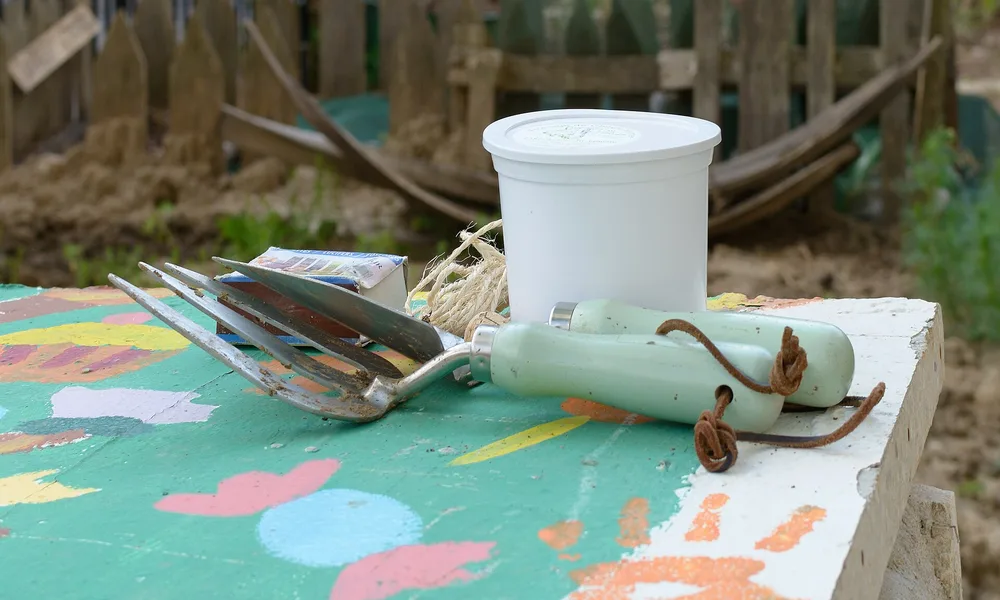
The join between blade and handle is where cheap trowels fail most often, and it is the fault buyers check least. A good trowel has a deep socket, a solid tang or at least two rivets, so the blade cannot twist or work loose. A bad one has a blade pressed onto a thin handle and held by a single small screw, or a plastic socket that cracks in cold weather.
4. Narrow transplanting trowels used for digging: the wrong tool for the hole
The narrow transplanting trowel is a good tool used badly, and it earns its place on this list because so many gardeners buy it as their only trowel. It is built for one narrow job: lifting seedlings out of trays and slipping them into small holes in soft compost. Its blade is long, thin and pointed, which is perfect for that job and useless for digging a planting hole in real soil.
5. Telescopic and folding trowels: every joint is a weak point
Telescopic handles and folding blades sound clever: one tool that adjusts to any length, or folds away for storage. In practice, every joint is a weak point, and a trowel has no room for weak points. Telescopic handles slip under load, wobble sideways, and eventually jam with grit, so the handle shortens itself mid-dig. Folding trowels develop play at the hinge until the blade moves more than the handle does, which gives the gardener no control and sore wrists.
6. Gimmicky multi-feature trowels: features that ruin the digging
The garden multi-tool trowel, with a serrated edge, a bottle opener, a ruler stamped on the blade and a handle that unscrews to reveal a secret compartment, is designed for gift shops, not gardens. Each added feature makes the main job worse: the serrated edge catches on roots and tears them instead of cutting, the hollow handle flexes under load, the ruler markings fill with soil, and the whole thing is heavier and more awkward than a plain trowel. You pay extra for features you will never use and get a worse tool in return.
7. Wide flat scoop trowels: they cannot cut into soil
The wide flat scoop trowel looks generous and useful, and in a bag of compost it is: it lifts a big scoop and pours it neatly into a pot. In the garden it fails, because a wide flat blade cannot cut. It skates across the surface of the soil, slides off turf, and refuses to bite into clay or compacted ground, so the gardener ends up pressing harder and harder until the blade bends or the wrist gives out.
What to avoid when buying a hand trowel
The most common trowel regret is not a bad brand but a wrong match: a plastic trowel bought for clay soil, a narrow transplanting trowel bought as an only tool, or a folding trowel bought for a job that needs a fixed blade. Avoid the trap by checking four things before you pay: the blade thickness and stiffness, tested by pressing it against a hard surface; the socket or tang, which should be deep, tight and fixed with more than one rivet; the handle, which should fit a gloved hand without slipping; and the blade shape, which should suit the job you actually do most. The same checks work for the rest of your hand tools too, and our guide to the worst cultivators of 2026 makes the same point about thin metal and weak joins, because the traps are the same everywhere.
Checklist: buying a hand trowel that lasts
- Press the blade against the shop floor: a good trowel is stiff and does not flex or bend.
- Check the socket or tang: deep, tight, and fixed with at least two rivets or a solid bolt.
- Shake the trowel firmly: the blade must not twist or move on the handle at all.
- Hold it with a gloved hand: the grip should fill your palm without slipping or digging in.
- Match the blade to the job: wide and pointed for digging, narrow only for seedlings.
- Look for forged steel, not stamped sheet, and walk away from plastic blades and folding joints.
Frequently asked questions
What is the best type of hand trowel for general gardening?
A forged steel trowel with a wide, pointed blade and a solid socket handle is the best all-round choice for most gardens. It cuts into soil, clay and turf, moves a useful amount of earth, and lasts for years if you clean it after use.
Are plastic hand trowels ever worth buying?
Only for very light work in soft compost, such as filling seed trays indoors. For any digging in real garden soil, a plastic trowel will flex, crack or snap, and a forged steel one costs little more and lasts far longer.
Why does my trowel blade keep bending?
The blade is almost certainly thin stamped steel rather than forged. Stamped blades fold on stones and dry clay. Replace it with a forged trowel, which is thicker at the neck and holds its shape under load.
How do I stop a trowel handle coming loose?
Buy a trowel with a deep socket and at least two rivets, and keep it dry between uses, because moisture swells and shrinks wooden handles and loosens the join. A handle that already wobbles cannot be fixed reliably, so replace the trowel.
Is a narrow transplanting trowel a good only trowel?
No. It is a specialist tool for seedlings and small holes in soft compost. As an only trowel it is too slow and too weak for planting, and it will bend if you use it to dig in real soil.
How long should a good hand trowel last?
A forged steel trowel with a solid handle should last a decade or more with basic care: knock the soil off after use, wipe the blade with an oily rag a few times a season, and store it dry. Cheap trowels rarely survive a single season.
Bottom line
The worst hand trowels of 2026 are the ones built to a price instead of a standard: thin stamped blades that bend, plastic blades that snap, loose handles that wobble, and gimmicks that get in the way of digging. Buy a forged steel trowel with a wide pointed blade, a deep socket and a grip that fits your hand, and it will still be digging straight long after the cheap ones have bent, cracked and been thrown away. For beginners, the lesson is the same one our guide to the worst garden tools for beginners teaches: buy fewer tools, buy them once, and look after them.


