Best Weightlifting Belts for Heavy Squats and Deadlifts in 2026
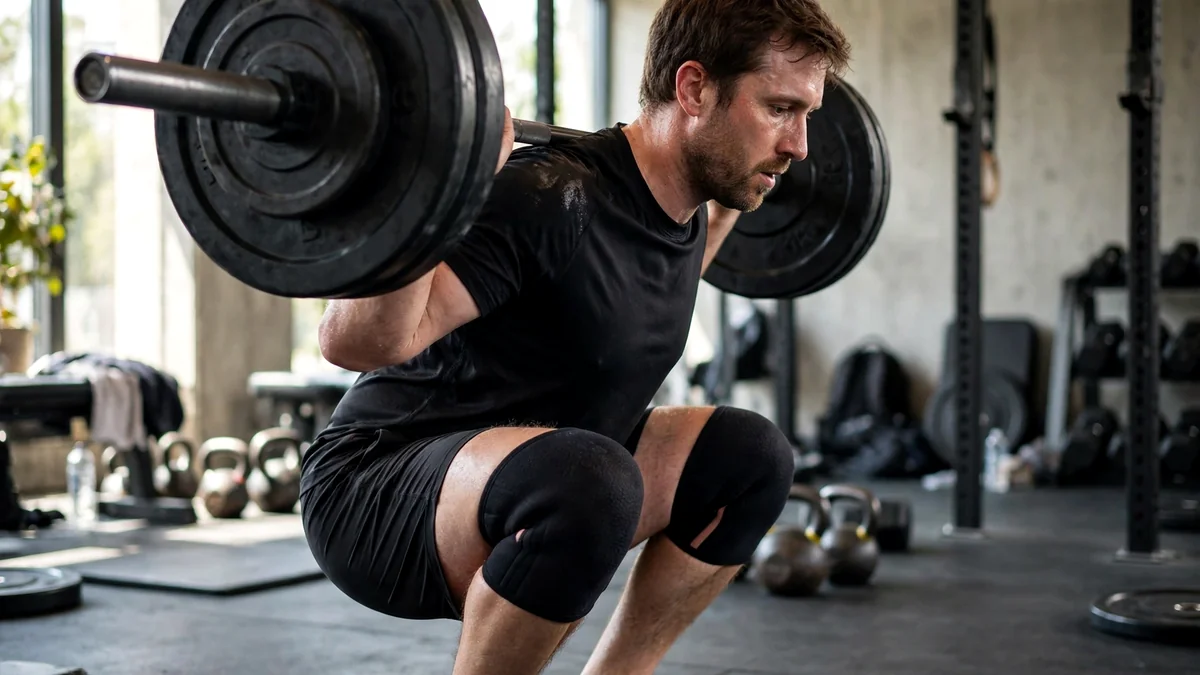
A weightlifting belt has one job: to give your core something firm to brace against when the bar gets heavy, so your back stays safe and your lift stays strong. The best weightlifting belts of 2026 do that job without fuss. They sit flat against your waist, stay exactly where you put them, and hold the same tightness from the first rep to the last. A bad belt slips halfway through a squat, digs into your ribs, or folds in the middle the moment you brace hard.
Key Takeaways
- Buy stiffness first: a proper lifting belt is around 10 to 13 millimetres thick and resists folding in your hands.
- Leather belts suit heavy squats and deadlifts; nylon belts suit Olympic lifting and fast-moving training.
- Prong buckles adjust most easily, lever buckles tighten fastest, and velcro is the weakest under a heavy bar.
- Measure around your belly button with a breath held, and pick a belt with several holes around that number.
- Wear a belt only for your heaviest sets, above roughly 80 percent of your one-rep maximum.
Weightlifting Belt Types at a Glance
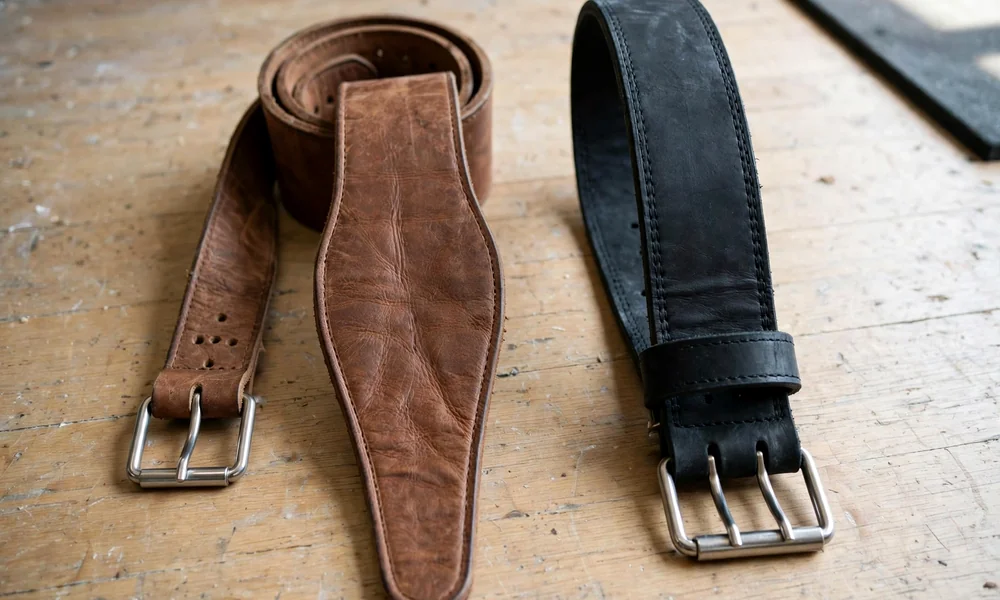
A straight powerlifting belt is the same width all the way round, usually 10 centimetres, and gives the most even surface to brace against. A tapered belt is wider at the back and narrower at the front, so it lets you bend without the front edge pressing into your ribs. A nylon belt is soft, light and quick to put on. A lever belt closes with a metal lever, so it tightens to exactly the same hole every time. Remember that our guide to the best weight benches covers the benches that pair with a good belt for heavy pressing without wobble.
| Belt type | Best for | Strengths | Watch out for |
|---|---|---|---|
| Straight leather | Heavy squats and deadlifts | Maximum stiffness, even bracing surface | Front edge can dig in when bending |
| Tapered leather | Deadlifts and general lifting | Comfortable when bending, still very stiff | Slightly less bracing area at the front |
| Nylon velcro | Olympic lifts, circuits, beginners | Light, fast to adjust, comfortable | Velcro creeps loose under a heavy bar |
| Lever leather | Powerlifters who want repeatability | Same tightness every set, very secure | Needs a screwdriver to change size |
| Suede single-prong | Everyday heavy training | Breaks in to your shape, easy to adjust | Needs a break-in period of a few weeks |
How a Weightlifting Belt Actually Works
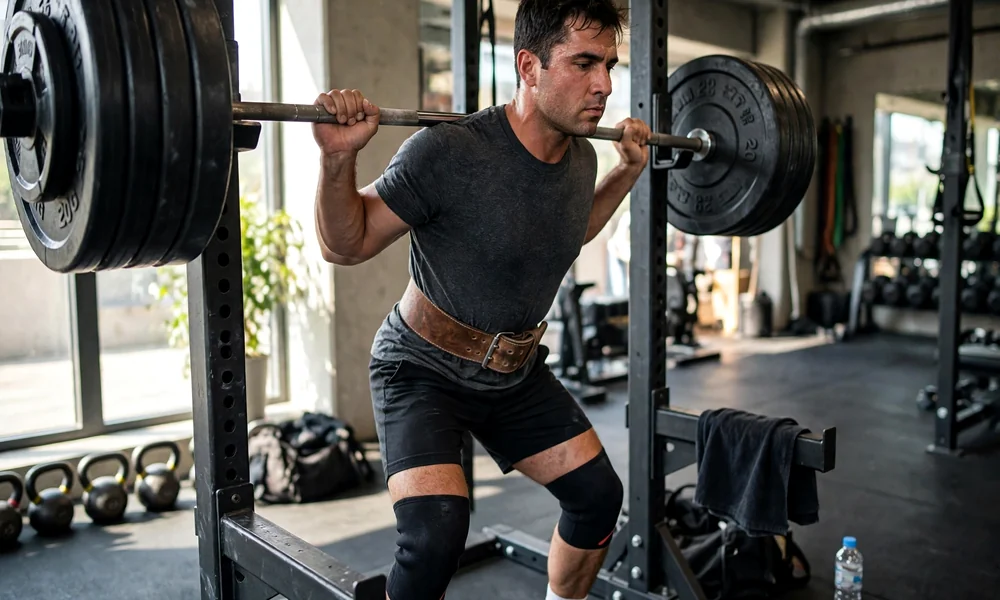
A belt does not hold your spine up like a brace, and it does not do the lifting for you. It works because it is stiff. When you take a breath and push your belly out against the belt, the belt pushes back, and that pressure inside your abdomen supports your spine from the front while your back muscles support it from behind. Lifters call this bracing, and it is the single most useful skill a heavy squat or deadlift depends on. A belt that folds, stretches or slips gives you nothing to push against, so the brace collapses at exactly the wrong moment.
That is why stiffness matters more than padding, branding or looks. Press a belt between both hands and try to fold it in half: a proper lifting belt resists strongly and springs back flat, while a soft belt folds easily and stays creased.
Leather vs Nylon: Which Belt Material Lasts
Leather is the traditional choice, and for heavy lifting it is still the best one. A good leather belt lasts for years, moulds slowly to the shape of your waist, and gets more comfortable the more you use it. Leather belts cost more than nylon ones, but a belt you buy once and use for a decade is cheaper than three cheap belts that fold and fray. Keep leather dry and wipe it down after sweaty sessions.
Nylon belts have their place. They are light, flexible, and easy to throw in a bag, and they fasten with velcro in seconds, which makes them popular for Olympic lifting and anyone who moves between exercises quickly. A nylon belt gives decent support for moderate weights and for lifters who value comfort and speed over maximum stiffness. If your squat or deadlift is genuinely heavy, leather is the safer choice.
Prong, Lever or Velcro: Choosing a Buckle
The buckle has the most important job on the belt: to hold the same tightness from the first rep to the last. A single-prong buckle is the classic choice. It is simple, strong, and easy to adjust by one hole at a time, which matters when your waist changes size between a light day and a heavy day. Look for a thick prong that sits deep in the hole and shows no bend after a hard pull.
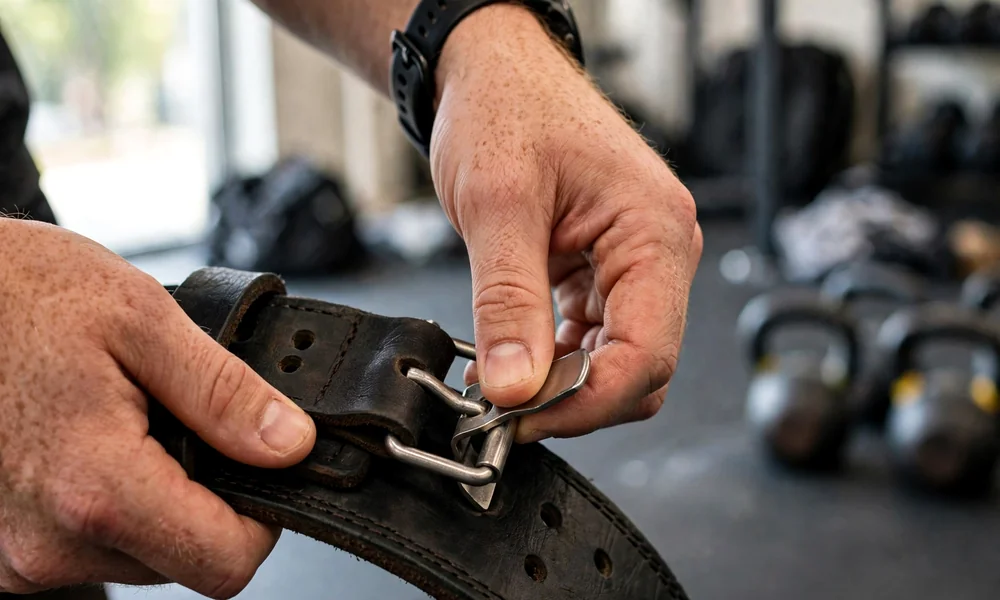
A lever buckle is a different idea: a metal lever snaps shut and holds the belt at exactly the same tightness every time, with no holes to count and no prong to bend. The catch is that changing size means undoing screws with a tool, so a lever belt is awkward if your weight fluctuates or you share the belt. Velcro is the fastest closure of all, and the weakest. It is fine for light to moderate training, but under a truly heavy bar it creeps, and a belt that loosens mid-lift is worse than no belt, because you braced against support that is no longer there.
How Thick and Wide Should a Belt Be?
Thickness is the quickest check of quality. A proper lifting belt is around 10 to 13 millimetres thick through its whole width, with no thin spots at the edges. Anything under 8 millimetres is a general fitness belt, not a lifting belt, and it will fold under a heavy brace. For most lifters, 10 millimetres is the sweet spot: stiff enough to brace against, comfortable enough to wear for a whole session.
Width is the second number to check. Competition rules allow belts up to 10 centimetres wide, and most good lifting belts are either 10 centimetres all round or tapered from 10 at the back to around 6 at the front. A narrower belt, around 7.5 centimetres, suits shorter lifters and anyone with a short torso, because a wide belt can press into the ribs and the hip bones at the same time.
Sizing a Belt So It Fits on Heavy Days
A belt that does not fit is a belt that cannot work. Sizes run small, jump in big steps, or measure a different part of the body from the one the buyer measured, so a lifter orders a medium and receives something that either will not close or overlaps by half its length. Measure yourself properly before ordering, and measure where the belt will actually sit, around the belly button with a breath held, not around the waistband of your trousers.
A good belt has several holes around your measurement, so it can be tightened or loosened as needed. As a rule, you want your measurement to fall in the middle of the belt’s adjustment range, not at either end, so you have room to tighten up on a light day and loosen off after a big meal. If the edges bite within seconds, they will bruise within a week. And remember that a leather belt breaks in: it will feel stiff for the first few weeks, then mould to your shape, so do not size up to escape the stiffness.
When to Wear a Belt, and When to Leave It in the Bag
A belt is a tool for heavy sets, not a piece of clothing. Wear it for squats, deadlifts, overhead presses and heavy rows at weights above roughly 80 percent of your one-rep maximum, and for any set where your back is the limiting factor. On those sets, the belt lets you brace harder and lift more safely. For warm-ups, light sets, and accessory work, leave it in your bag. Training without a belt keeps your core muscles doing their own work, and a core that never works without help gets weaker, not stronger.
There is a common worry that wearing a belt makes your core weak. The evidence points the other way: lifters who belt up for heavy sets actually train their core harder on those sets, because the belt lets them brace against more resistance. The problem only comes when a lifter wears a belt for everything, including warm-ups and light dumbbell work, and never learns to brace without one. Use the belt as a heavy-set tool, and your core will be fine.
Before You Buy: The 6-Point Checklist
- Fold test: press the belt between both hands and try to fold it in half; a good belt resists strongly and springs back flat.
- Thickness check: look for 10 to 13 millimetres through the whole width, with no thin spots at the edges.
- Buckle test: fasten it as tight as for a heavy set, then pull hard on the loose end and twist; a good buckle holds without moving.
- Size range: your belly measurement, taken around the belly button with a breath held, should fall in the middle of the belt’s adjustment range.
- Edge comfort: sit, bend and brace in the belt for a minute; hard square edges that bite within seconds will bruise within a week.
- Stitching and layers: check the edge for even layers and tight stitching, with no foam middle and no bonded leather made of glued scraps.
Frequently Asked Questions
Do I need a weightlifting belt as a beginner?
Not yet. Spend your first few months learning to brace without a belt. Once your squat or deadlift passes roughly your body weight and keeps climbing, a belt becomes a useful tool for your heaviest sets.
How tight should a weightlifting belt be?
Tight enough that you can push your belly out against it and feel firm resistance, but loose enough to take a full breath and brace. If you cannot get a breath in, it is too tight.
Is a lever belt better than a prong belt?
Neither is better for everyone. A lever belt gives exactly the same tightness every set, which powerlifters love, but changing size needs a screwdriver. A prong belt adjusts by one hole in seconds.
Can I use a weightlifting belt for deadlifts?
Yes, and most lifters do. A tapered belt usually suits deadlifts best, because the narrower front lets you bend to the bar without the belt pressing into your ribs.
How long does a leather weightlifting belt last?
A good leather belt lasts for years, often a decade or more. Wipe it down after sweaty sessions, keep it dry, and store it flat or rolled rather than folded.
Will a belt stop me hurting my back?
No belt guarantees that. A belt helps you brace harder, which supports your spine, but good technique, sensible loading and a strong core matter far more.
The Bottom Line
The best weightlifting belt is a stiff leather belt, around 10 millimetres thick, with a buckle that holds its tightness and a size that puts your measurement in the middle of its range. A tapered belt is the most versatile first buy, a lever belt suits powerlifters who want the same setup every time, and a nylon belt is fine for lighter, faster training. Buy stiffness first, size it properly, and wear it only for your heaviest sets. For the rest of your heavy training kit, our guide to the best dumbbells and our guide to the best workout gloves cover the pairs that round out a serious home or gym setup.