
Finding the best workout gloves in 2026 is a small purchase that can change how your hands feel after every session. A good pair protects your palms from calluses, improves your grip on a sweaty barbell, and supports your wrists when the weight gets heavy. A bad pair does the opposite: it bunches up in your palm, slips at the worst moment, and makes you wish you had trained bare-handed instead.
The best workout gloves share a simple quality: they disappear while you train. The padding sits exactly where the bar presses, the wrist strap holds firm without cutting off circulation, and the fingers move freely enough to adjust a plate or tie a shoe.
This guide compares the strongest workout glove styles of 2026, from fingerless lifting gloves and full-finger training gloves to padded grip gloves and wrist-wrap designs, with honest advice on fit, padding, materials, and when gloves help and when they do not, so you can choose a pair that earns its place in your gym bag.
Key Takeaways
- Match the glove to your training: fingerless for lifting, full-finger for outdoor and functional work, padded for heavy pulling.
- Fit matters more than brand: snug at the palm, free at the fingers, and a wrist strap that holds without pinching.
- Leather palms grip best and last longest, while mesh backs keep hands cool and dry.
- Gloves protect against calluses and improve grip, but they should never replace building real grip strength.
- Wash gloves regularly and air dry them, because sweaty gloves are the fastest route to odour and worn-out padding.
How to Choose the Best Workout Gloves
Before you compare gloves, think about what your hands actually do in the gym. A lifter who deadlifts and rows needs palm protection and wrist support. A person who does functional training and outdoor workouts needs grip and durability across many surfaces. A beginner who is just starting out needs comfort and a glove that makes training feel better, not more complicated. Your training decides the glove, not the other way around.
Fit Comes First
Fit is the single most important thing about workout gloves, and it is also the thing most people get wrong. The right fit feels snug across the palm, with no loose fabric when you make a fist, and fingers that end just short of your own fingertips in a fingerless design. Measure your dominant hand around the knuckles, check the maker’s size chart, and read the reviews, because sizing varies between brands. If you are between sizes, go smaller for a leather glove, which stretches slightly with use, and go larger for a synthetic glove, which does not.
Padding and Palm Protection
Padding is what stands between your skin and a knurled barbell, and not all padding is equal. Thin foam padding suits light lifting and general training, because it protects without dulling your feel for the bar. Thick gel padding suits heavy pulling, because it spreads the pressure across your palm and reduces the hot spots that become calluses. Mesh backs keep your hands cool and let sweat escape, which matters more than it sounds, because a glove that stays wet gets slippery and starts to smell.
Best Fingerless Lifting Gloves in 2026
Fingerless lifting gloves are the most popular style for a reason. They protect the palm, leave the fingers free for grip and dexterity, and keep your hands cooler than full-finger designs. They are the default choice for weight training, machine work, and anyone who wants protection without losing feel for the bar.

Why Fingerless Gloves Suit Lifters
Lifters need their fingers. You need to feel the knurling, adjust your grip between sets, and handle plates and collars without taking your gloves off. Fingerless gloves give you all of that while protecting the part of your hand that takes the most pressure. Look for a pair with a leather palm, gel or foam padding across the palm and the base of the fingers, and a wrist strap that you can tighten with one hand. A pull-off tab at the fingers makes them easier to remove when your hands are sweaty, which is a small detail you will appreciate after every session. If you want to build out the rest of your training kit, our guide to the best gym essentials for 2026 covers the pieces that are actually worth owning alongside a good pair of gloves.
Best Full-Finger Workout Gloves in 2026
Full-finger workout gloves protect the whole hand, and they suit outdoor training, functional workouts, and anyone who trains in cold weather. They keep your fingers warm, protect against scrapes and rope burn, and give a more secure grip on wet or rough surfaces. They are also the best choice for activities like rope climbs, outdoor circuits, and boot-camp style training.
When Full-Finger Gloves Win
Full-finger gloves shine when the environment is rough on your hands. Outdoor bars, ropes, and rough surfaces punish bare fingers, and cold weather makes grip harder and skin more likely to crack. A full-finger glove with a grippy palm and a snug fit protects every part of your hand without feeling bulky. Look for a pair with reinforced fingertips, because that is where full-finger gloves wear out first, and a wrist closure that keeps the glove in place during dynamic movements. For pulling movements, our guide to the best pull-up bars of 2026 pairs well with gloves that protect your hands through high-volume sets.
Best Padded Grip Gloves and Wrist Wraps
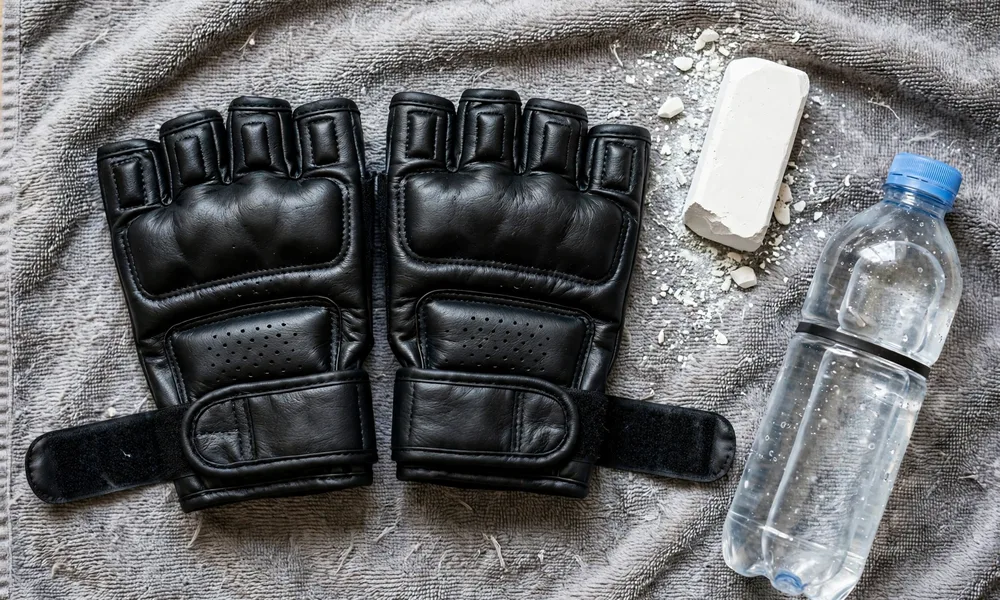
Padded grip gloves and wrist-wrap designs are for people who lift heavy and want maximum support. They combine thick palm padding with a long wrist strap that wraps around the wrist several times, giving real stability during heavy presses, pulls, and overhead work. They are the most protective style, and they are the best choice when your wrists are the weak link in your training.
Wrist Support That Actually Works
Wrist wraps work by limiting how far your wrist can bend under load, which keeps the joint in a strong position and reduces pain during heavy lifts. The best glove-and-wrap combinations have a strap long enough to wrap twice around the wrist, a firm but comfortable material, and a closure you can adjust mid-session. Wrist support is a tool, not a crutch, so use it for your heaviest sets and train without it for lighter work, so your wrists still get stronger on their own. If you train with kettlebells, our guide to the best kettlebells of 2026 covers the weights that pair with gloves that protect your hands through high-rep swings.
Materials, Care, and When to Replace Gloves
Workout gloves live a sweaty life. They absorb moisture every session, they get thrown into gym bags, and they are pulled on and off dozens of times a week. The material decides how they feel, how long they last, and how they smell after a month. Leather palms grip best and last longest, but they need time to break in and they do not like being soaked. Synthetic palms are lighter and dry faster, but they wear out sooner. Mesh backs are essential for ventilation, because a glove that cannot breathe stays damp and becomes a home for odour.

How to Wash Workout Gloves
Wash your gloves regularly, because sweat and chalk build up fast. Hand wash them in lukewarm water with mild soap, rinse well, and air dry them fully before your next session. Never put leather gloves in a washing machine, because the agitation and heat can crack the leather and warp the shape. Never dry gloves on a radiator or in direct sunlight, because heat damages the padding and the stitching. A pair of gloves that is washed weekly and dried properly will last months longer than a pair that is left damp in a gym bag, and it will smell a great deal better too.
When to Replace Your Gloves
Replace your gloves when the padding goes flat, the palm wears smooth, or the wrist strap no longer holds. A glove with flat padding no longer protects your hands, and a glove with a worn palm can slip at the worst moment. It is a small cost, and fresh gloves are always cheaper than a torn callus or a dropped barbell.
Best Workout Gloves Compared
| Glove Type | Best For | Palm | Why It Works |
|---|---|---|---|
| Fingerless lifting | Weight training, machines | Leather, gel padding | Protects the palm, fingers stay free |
| Full-finger training | Outdoor, functional, cold weather | Synthetic, grippy | Protects the whole hand, warm and secure |
| Padded grip | Heavy pulling, deadlifts, rows | Leather, thick gel | Spreads pressure, stops hot spots and calluses |
| Wrist-wrap gloves | Heavy presses and overhead work | Leather, firm strap | Supports the wrist under heavy load |
| Minimal grip gloves | Light training, beginners | Suede, thin foam | Light protection without dulling bar feel |
| Cross-training gloves | Mixed workouts, rope climbs | Synthetic, reinforced | Durable across many surfaces and movements |
Workout Glove Buying Checklist
- Measure your hand around the knuckles and check the maker’s size chart before you buy.
- Choose the style that matches your training: fingerless for lifting, full-finger for outdoor work.
- Look for a leather or suede palm, a breathable mesh back, and padding where the bar sits.
- Test the wrist strap with one hand, and make sure it holds firm without pinching.
- Try the gloves on with a bar or dumbbell in your hand, not just on an empty hand.
- Plan to wash them weekly and replace them when the padding goes flat or the palm wears smooth.
Frequently Asked Questions
Do workout gloves really prevent calluses?
Yes, good gloves reduce calluses a great deal by spreading the pressure of the bar across your palm. They will not eliminate calluses entirely, especially if you lift heavy, but they stop the worst tearing and keep your hands comfortable enough to train consistently.
Will gloves weaken my grip?
Gloves can slightly reduce your feel for the bar, but they do not weaken your grip if you still train hard. To keep your grip strong, do some lighter sets without gloves, add dedicated grip work, and avoid relying on the thickest padding for every set.
Are leather or synthetic gloves better?
Leather palms grip better and last longer, especially when your hands sweat. Synthetic palms are lighter, dry faster, and are usually cheaper. Choose leather for heavy lifting and long-term use, and synthetic for light training or if you prefer a vegan option.
Should beginners wear workout gloves?
Beginners can benefit from gloves, because sore hands are a common reason people stop training. A light, well-fitting pair makes the first weeks more comfortable. Just remember to build grip strength too, rather than relying on gloves alone.
How do I stop my workout gloves smelling?
Wash them weekly in lukewarm water with mild soap, and air dry them fully before your next session. Never leave them damp in a gym bag, and stuffing them with newspaper after washing helps them dry faster and hold their shape.
Do I need wrist wraps as well as gloves?
Most people do not need wrist wraps for general training. They help if you lift heavy overhead or your wrists hurt under load. Many gloves include a short wrist strap that is enough for most people, and full wraps are best reserved for your heaviest sets.
The Bottom Line
The best workout gloves in 2026 are the ones that fit your hands and your training: fingerless leather gloves for the lifter, full-finger gloves for outdoor and functional work, and padded wrist-wrap gloves for heavy lifting. Fit matters more than brand, padding should match your heaviest lift, and a leather palm with a mesh back is the combination that lasts longest. Buy the pair that disappears while you train, wash it weekly, and replace it when the padding goes flat. Your hands will thank you after every session, and your training will be better for it.


