
The Worst Hair Salons of 2026 — What to Avoid
The worst hair salons of 2026 do not announce themselves with a warning sign. They look ordinary from the street: a neat window, a row of chairs, a price list in the glass. The trouble starts in the chair, when the consultation lasts thirty seconds, the colour goes on without a strand test, or the price agreed at the start quietly doubles at the till. A bad cut grows out in weeks, but burnt colour, a nicked scalp and a bill you never agreed to are harder to forget. This guide ranks the worst types of hair salon you will meet in 2026, so you can spot the warning signs before the cape goes on.
Key takeaways
- A hair salon is judged on the consultation first: a good stylist asks, listens and checks before a single snip, and a bad one starts cutting.
- The worst hair salons are types and patterns, not people: the same bad habits show up in salons in every town and at every price.
- Dirty tools, no strand test and a price that changes at the till are the clearest warnings, because they show a salon that cuts corners.
- A salon that rushes you, upsells you or will not explain the price is selling a transaction, not a haircut.
- Check the consultation, the cleanliness and the written price before you sit down, and walk away if any of them fail.
How the worst hair salons were chosen
Every type below was scored on five measures: the consultation, hygiene, skill, honesty and aftercare. Does the stylist ask what you want before cutting? Are the combs clean and the capes fresh? Is the cutting even and the colour honest? Is the price clear before the work starts? Does the salon explain how to look after the cut at home? This guide covers full-service hair salons, which cut, colour, wash and style hair for everyone. Barbershops, which specialise in short clipper cuts and beard trims, are a different kind of shop, judged on their own terms elsewhere. Readers who keep their own kit in order will find the same logic in our guide to the best hair dryer holders.
Comparison table: the worst hair salons of 2026
| Rank | Salon type | Worst habit | Watch for |
|---|---|---|---|
| 1 | The conveyor cut | Twelve-minute cuts, no consultation | No questions before the scissors |
| 2 | The colour gambler | No strand test, patchy or burnt colour | Dye straight from the bowl |
| 3 | The dirty tools | Unwashed combs and reused capes | Hair on the comb from the last client |
| 4 | The upsell trap | Price grows at the till | Add-ons never agreed in advance |
| 5 | The one-style salon | Same cut for every head | No check of face shape or hair type |
| 6 | The silent treatment | No talk, no aftercare, no apology | Questions brushed aside mid-cut |
| 7 | The ghost booking | Double-booked, long waits, walk-ins first | Your slot given away on arrival |
The worst hair salons of 2026
1. The conveyor cut: twelve minutes, no consultation
The conveyor cut is the fastest haircut you will ever regret. You sit down, the cape goes on, and the scissors start before you have said more than “just a trim”. There is no talk about your hair type, no check of how it falls naturally, no mirror held up halfway through. It feels efficient until you get home, wash it, and find the uneven layers and the fringe that sits wrong. The warning sign is the missing consultation: a good cut starts with questions about how you wear your hair and what has gone wrong before. Ask for the consultation before the cape goes on, and if you do not get one, stand up.
2. The colour gambler: dye first, questions never
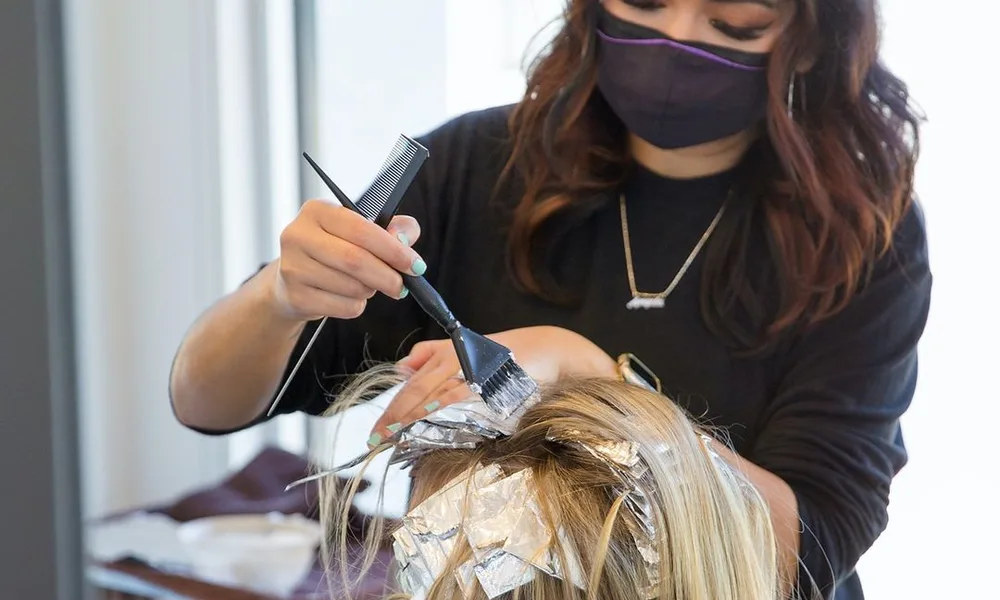
The colour gambler treats your hair like a lottery ticket. The dye goes on with no strand test, no patch test and no talk about your hair’s history. Bleach on top of old colour, dark dye over highlights, a toner left on too long. The result is patchy roots, bands of shade, or hair so dry it snaps. The warning sign is the missing test: a strand test takes minutes. Ask when the tests were done, and if the answer is a shrug, leave the dye in the bowl. The same test-first rule applies across beauty, as our comparison of the best vs worst eyebrow tints shows.
3. The dirty tools: yesterday’s hair on today’s comb
The dirty tools salon is easy to spot once you know where to look. Combs still holding hair from the last client, brushes clogged with product, capes that smell of the previous appointment, and a floor that has not been swept since morning. The stylist’s hands go from one head to the next without washing, and the scissors are wiped on a towel instead of cleaned properly. A salon works inches from your scalp, and dirty tools carry whatever the last head was carrying. If the comb has someone else’s hair in it, ask for a clean one, and if there is not one, walk out.
4. The upsell trap: the price that grows at the till
The upsell trap starts with a price list that looks fair and ends with a bill you do not recognise. The cut was one price, but the wash was extra, the blow-dry was extra, the toner was extra, and the product used on your hair was charged as a treatment you never agreed to. Each addition is mentioned quietly while you are in the chair and cannot easily object. By the time you reach the till, the total has doubled. The warning sign is the price that is never written down: ask for the full price before the cape goes on, and confirm nothing else will be added without your say-so.
5. The one-style salon: the same cut for every head
The one-style salon has one haircut, and everyone who walks in gets it. Long hair is layered the same way, short hair is textured the same way, curly hair is treated as if it were straight, and fine hair is thinned as if it were thick. Your face shape and the way you wear your hair do not matter, because the cut was decided before you sat down. The warning sign is a portfolio that looks like one person photographed seven times. Ask what the stylist would change for your hair, and listen for an answer about your hair, not their signature look.
6. The silent treatment: no talk, no aftercare, no apology
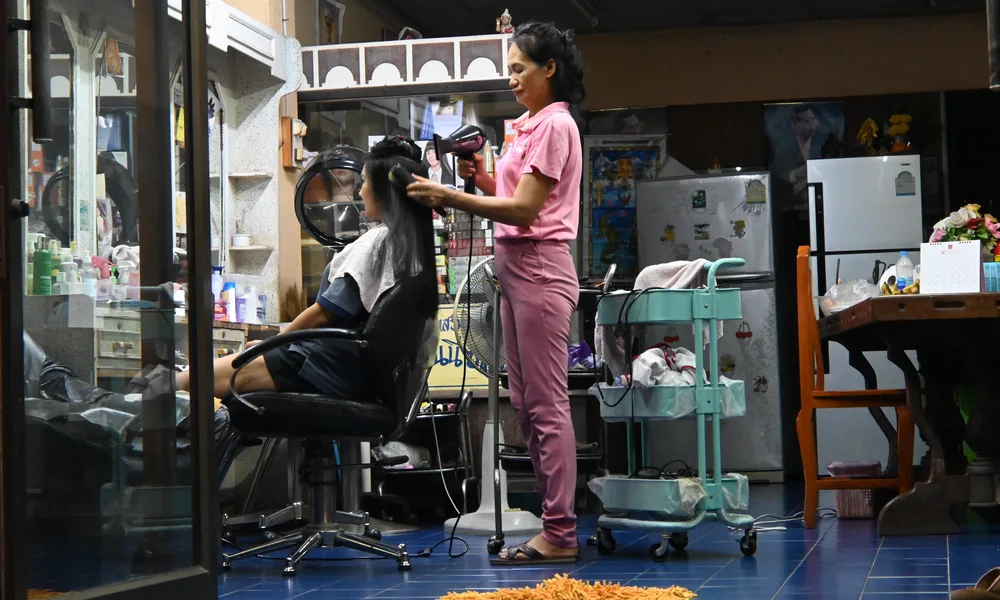
The silent treatment salon does the work and says nothing. No one asks how you want it, no one checks halfway through, no one shows you the back, and no one explains how to look after the colour or the cut at home. If something goes wrong, the silence gets worse: the stylist avoids your eyes, the receptionist looks busy, and the apology never comes. The warning sign is the stylist who will not answer a question: a good salon talks through the appointment, and that conversation is how mistakes get caught. Speak up once, and if nothing changes, end the appointment.
7. The ghost booking: your slot never existed
The ghost booking is the appointment that was never really yours. You arrive on time to find your slot given to a walk-in, your stylist double-booked, and a waiting room full of people told to come at the same time. The receptionist offers you a chair in an hour, with a stylist you have never met. An hour later you are still waiting, and the rushed cut you eventually get is the salon making up lost time. The warning sign is a booking system that confirms nothing. Confirm the day before, and if your slot has vanished, leave and book somewhere that keeps a diary.
What to avoid when choosing a hair salon
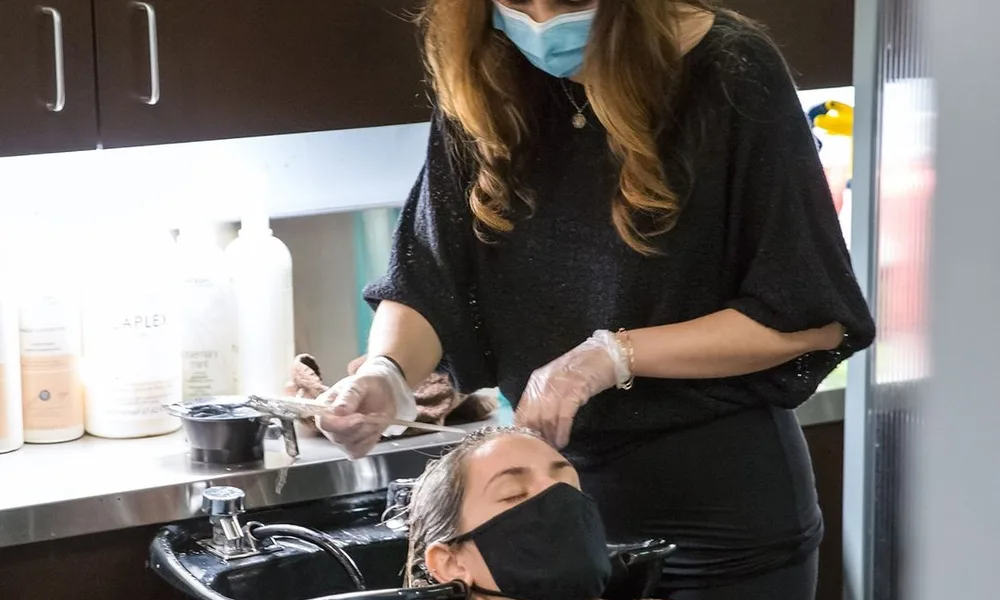
Choosing a hair salon is mostly about refusing the bad ones early. Avoid any salon that will not give you a consultation before the cut. Avoid dirty tools, unwashed capes and an unswept floor: hygiene you can see is the hygiene you can trust. Avoid colour work without a strand test and a patch test, and any salon that cannot tell you the full price first. Walk away from a stylist who will not listen or will not explain the aftercare, as our guide to lash glues that hold all day shows. Visit first: sit in the chair, look at the tools, ask the price, and watch how the salon treats the client before you.
Checklist: choosing a hair salon
- Book a consultation first, and check the stylist asks about your hair and what you want before cutting.
- Look at the tools: clean combs, clean brushes, a fresh cape and a swept floor.
- Ask for a strand test and a patch test before any colour.
- Get the full price in writing before the cape goes on, including wash, blow-dry and toner.
- Ask to see the back of your head during the cut, and speak up the moment something looks wrong.
- Leave with aftercare advice: how to wash it, style it, and when to come back.
Frequently asked questions
What makes a hair salon one of the worst?
A hair salon earns the label when the same bad habits repeat: no consultation, dirty tools, colour without a strand test, prices that change at the till, and no aftercare. One bad day is an accident; a salon that does these things to every client is a pattern.
How long should a consultation take?
A real consultation takes five to ten minutes, and it happens before the cape goes on. The stylist should ask about your hair type, how you wear it, what has gone wrong before, and what you want this time. If the consultation is thirty seconds of nodding, it is not a consultation at all.
Should a salon always do a strand test before colouring?
Yes. A strand test shows how your hair will take the colour and whether it can handle the process, and a patch test checks your skin for a reaction. Both take minutes, both are standard practice, and a salon that skips them is cutting corners on your safety.
How can I tell if salon tools are clean?
Look at the combs and brushes before you sit down: they should be free of hair and product, and the cape should be fresh. The stylist should wash their hands before touching your hair, and the floor should be swept between clients. If the tools are dirty, assume the rest of the hygiene is too.
What should I do if the price changes at the till?
Ask for an itemised bill and compare it with the price you were quoted before the work started. You agreed to the quoted price, not to add-ons you never approved. Pay for what you agreed to, dispute the rest calmly, and do not go back to a salon that bills this way.
When should I walk out of a hair salon?
Walk out if there is no consultation, if the tools are dirty, if colour starts without a strand test, or if the price is unclear. Walk out mid-cut if the stylist will not listen or will not show you the back. Leaving early costs you nothing.
Bottom line
The worst hair salons of 2026 share one habit: they treat your hair as a job to finish, not a person to look after. Skip the consultation, the tests and the clear price, and you get a cut you did not ask for or a bill you never agreed to. The good salons ask first, keep clean tools, test before they colour, and quote one honest price. Check the tools, get the price in writing, and walk away when any of it fails.


