Every home has a moment when it stops feeling fresh and starts feeling stuck in a particular year. The worst home design trends that date fast were not ugly when they were new. They were too loud, too specific, or too tied to one season of fashion to survive the next one.
A trend that dates fast usually depends on one colour, one pattern, or one piece of furniture doing all the work. When that element falls out of fashion, nothing underneath carries the room, and the space starts to feel like a time capsule.
This guide looks at the trends most likely to age badly, explains why each one loses its appeal, and shows what to choose instead, so you spend on choices that still look good in five or ten years.
Key takeaways
- Trends that rely on one bold colour, pattern, or novelty item date fastest.
- Grey-everything rooms, loud feature walls, and word art age badly.
- Oversized furniture and high-gloss finishes are expensive to reverse.
- Timeless rooms use neutral bases with colour in things you can change.
- Before you commit, ask whether you would still like it in ten years.
Why Some Home Design Trends Age So Fast
Home design moves more slowly than clothing fashion, but the cycle has shortened. Social media can turn a look into a must-have in a few weeks, and the same platforms can make it feel overdone just as quickly. When millions of homes adopt the same feature at once, it stops feeling special and starts feeling generic.
The Trend Cycle Has Shortened
In the past, a design idea spread through magazines and showrooms over several years, giving homeowners time to decide whether it suited them. Today, a single viral photograph can put chevron walls or a particular light fitting into thousands of homes within months. A look that arrives everywhere at once also leaves everywhere at once.
What Makes a Look Feel Dated
A look feels dated when it depends on a detail that only made sense in one moment. A single-colour scheme, a novelty shape, or a slogan on the wall all belong to that group. They work as a statement, but they leave no room for the room to grow, and you cannot soften a bright feature wall with cushions.
The Grey-Everything Era
Few trends have dated as visibly as the grey-everything home. Grey walls, grey floors, grey sofas, and grey bedding were once sold as modern and sophisticated. Then the same palette appeared in almost every newly renovated home, and the look began to feel cold and repetitive, more like a showroom than a place to live.
Why All-Grey Rooms Feel Cold
Grey is not a bad colour on its own. It works well as a background when it is balanced with wood, texture, and warmer tones. The problem comes when grey is used for everything. Without warm materials to soften it, grey can make a room feel flat and gloomy, especially in winter or in a room with little natural light.
A Better Way to Use Grey
If you like grey, use it as one part of a room rather than the whole room. A grey sofa can work well with warm wood, cream walls, and textiles in muted green or navy. A grey wall can work when the floor is warm and the furniture has texture. The key is contrast, because grey needs something to sit against or it will wash the room out.
Feature Walls and Loud Patterns
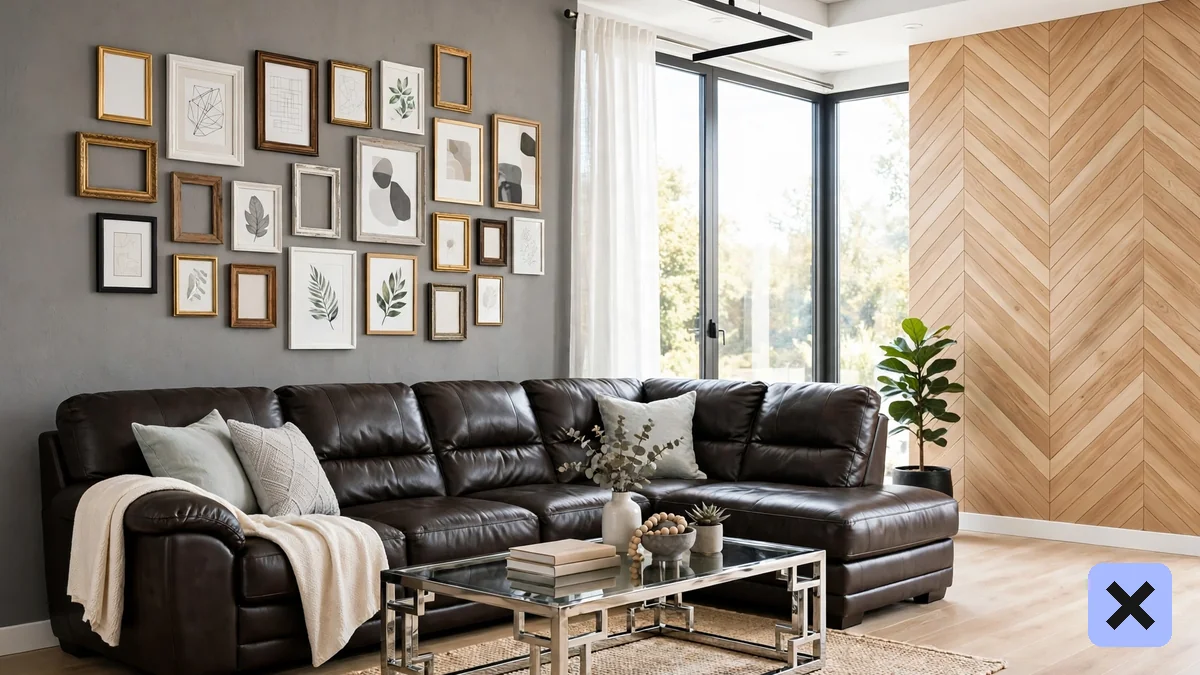
The feature wall was meant to add interest to a plain room, but it often became the most dated part of the home. Bold wallpaper, chevron timber, and high-contrast paint all made a strong first impression. They also made the room harder to live with, because a pattern that excites you on the first day can feel relentless by the hundredth day.
Chevron, Herringbone, and Pattern Overload
Chevron and herringbone patterns are classic in small doses, such as a timber floor laid in a traditional pattern. They become a problem when they cover a whole wall in a high-contrast finish. The pattern demands attention from every angle and competes with the furniture, the art, and the view from the window.
Hotel Style at Home
A calmer approach is to let one or two pieces do the talking. A well-chosen piece of art can give a room personality without the hotel design traps that look impressive in photos but tire quickly at home. If you love bold wallpaper, use it in a small space such as a cloakroom, where the commitment is low and the impact is high.
Word Art, Signs, and Novelty Decor
Word art had a long run, and that is exactly why it dates a home so fast. Signs that say live, laugh, love or home sweet home were once seen as warm and personal. Now they read as mass-produced and predictable, because the same phrases appeared in millions of homes, in the same fonts and frames, until they stopped saying anything personal at all.
Why Slogans Age Faster Than Art
A slogan tells the viewer how to feel, and that instruction gets old quickly. A painting or a photograph leaves room for interpretation, so it can stay interesting for years. A sign that spells out a feeling does not. After a few months, most people stop reading it, and after a few years it looks like a leftover from a particular era of home styling.
What to Hang Instead
Choose art and objects that mean something to you, even if they are simple. A framed print from a trip or a photograph you took yourself will age better than a mass-produced slogan. If you like words in a room, choose a single framed quote in a classic typeface rather than a wall full of signs.
Oversized Furniture and Statement Pieces
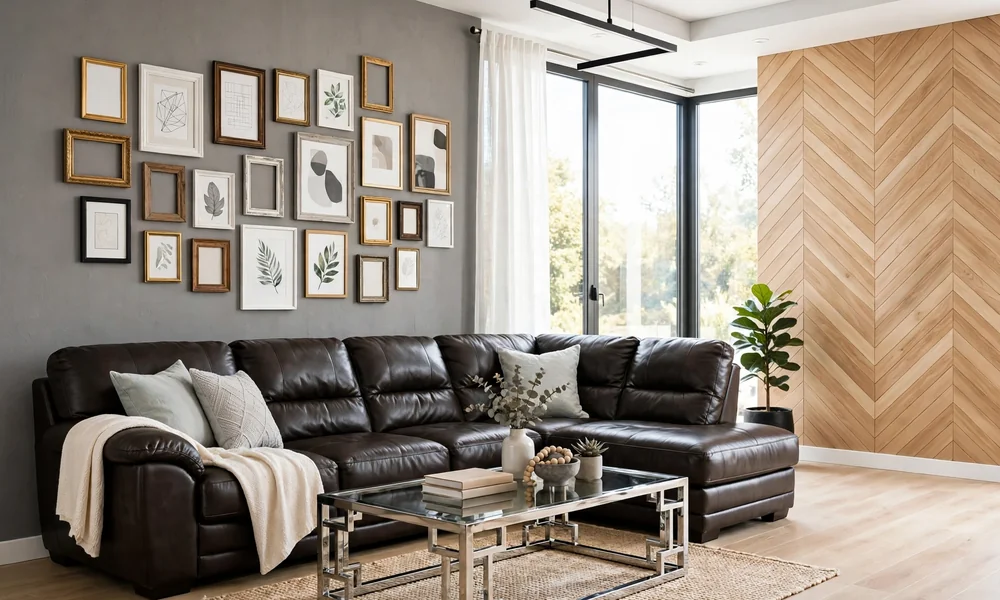
Big furniture makes a big statement, and that is often the problem. Oversized sectionals, bulky recliners, and enormous coffee tables can dominate a room so completely that nothing else matters. They looked comfortable and impressive in a showroom, where the room was large and empty, but in a normal living room they can block walkways and make the space feel smaller than it is.
Scale Matters More Than Style
Before buying a large piece, measure the room and leave space to move around it. A sofa should leave room for a side table, a lamp, and a clear path to the door. A coffee table should leave enough space to walk past it without turning sideways. These are simple tests, but they are the ones most often skipped when a piece looks good in a shop.
High-Gloss, Chrome, and Fast-Fashion Finishes
High-gloss kitchens, chrome furniture, and mirrored surfaces were sold as modern and luxurious. For a short time, they looked sharp and clean. In daily use, they show every fingerprint, smear, and speck of dust, so a finish that looks perfect in a photograph can look messy within hours of normal use.
The Hidden Cost of Trendy Finishes
Trendy finishes are expensive to reverse. A high-gloss kitchen cannot be repainted as easily as a matt one, and a mirrored wall cannot be covered without removing it. The cost of undoing these choices is often higher than the cost of the original installation, which is why they stay in place long after the homeowner has stopped liking them.
Smart Gadgets and Open Shelving
Some trends date a home not because they look old, but because they stop working well. Smart home gadgets are a clear example. A voice-controlled light or a touchscreen fridge can feel futuristic when it is new, but a few years later the software may no longer be supported, and the gadget becomes a reminder of a promise that did not last.
Open shelving has a similar problem, for a different reason. Open shelves look beautiful in photographs, where every plate is perfectly arranged. In real life, they collect dust and grease and require constant tidying to look good. Like some of the smart home devices that cause more problems than they solve, open shelving can create daily work that a simpler choice would have avoided.
Barn Doors and One-Note Ideas
Barn doors and sliding doors on exposed rails follow the same pattern. They work well in one setting, such as a large rural home, but they were copied into flats and small houses where they do not fit. A barn door does not seal sound or light as well as a normal door, and the rail takes up wall space that could have held furniture or art.
How to Spot a Trend That Will Date
The simplest test is time. Imagine the room in ten years, with the same walls, floor, and furniture. If the look depends on a detail that is fashionable now, it will probably feel old then. If it depends on good proportions, natural light, and materials you like for their own sake, it will probably still work.
| Trend | Why it dates fast | Safer alternative |
|---|---|---|
| All-grey rooms | Cold, flat, and repeated everywhere | Grey with warm wood and texture |
| Loud feature walls | Pattern dominates and is costly to remove | Plain walls with one piece of art |
| Word art and slogans | Mass-produced phrases lose meaning fast | Personal art or photography |
| Oversized dark sectionals | Hard to rearrange or replace | Smaller sofas in classic shapes |
| High-gloss and chrome | Shows marks and is hard to repair | Matt finishes and brushed metals |
Before You Buy Checklist
- Would I still like this in ten years, not just this season?
- Is the bold choice in something cheap to change, like paint or cushions?
- Does it work in daily life, or only in a photograph?
- Can I move it, repaint it, or replace it without rebuilding the room?
- Does it suit the size and light of my actual room?
- Am I choosing it because I like it, or because I have seen it everywhere?
What to Choose Instead
This approach also makes a home easier to live in. A calm base means you can change the mood of a room with a few small purchases rather than a renovation, and the room can grow with you over the years. The best guide is a quiet home design that stays calm instead of chasing trends, where comfort and light matter more than the latest look.
Frequently Asked Questions
What is the fastest-dating home design trend?
All-grey rooms and loud feature walls date fastest, because they are highly visible, widely copied, and expensive to reverse.
Are grey interiors completely out of style?
No. Grey still works as part of a balanced room, especially with warm wood, texture, and natural light to soften it.
How can I update a dated room cheaply?
Repaint in a warm neutral, swap cushions and throws, remove word art, and add plants and lamps for warmth and light.
Is open shelving a bad idea in every kitchen?
Not always, but it needs constant tidying and cleaning. A mix of closed cupboards with one open shelf usually works better.
Should I avoid all trends?
No. Enjoy trends in small, cheap, and reversible items, and keep walls, floors, and large furniture timeless.
How do I know if a trend will last?
Ask whether it relies on good proportions and natural materials, or on one fashionable colour, pattern, or gadget.
The Bottom Line
The worst home design trends that date fast share one flaw: they ask a single colour, pattern, or novelty to carry the whole room. When that detail falls out of fashion, the room falls with it, and the fix is often expensive. Choose a calm base, spend on good proportions and natural materials, and save the bold choices for things you can change easily. A home built that way will still feel fresh long after the trends have moved on.