
The Worst Lawn Mowers of 2026: Grass Cutters That Stall, Scalp and Quit
The worst lawn mowers of 2026 are not the oldest machines in the shed or the cheapest ones on the shelf. They are the mowers that look capable in the shop and then wear their owners down: an engine that needs three pulls to start, a deck that clogs in damp grass, a battery that fades halfway across the lawn, or a drive that quits on the first slope. A bad lawn mower rarely announces itself on the shop floor. This guide names the seven worst lawn mowers of 2026, based on published recall records, owner surveys and repeated owner complaints, so you can spot the pattern before you sign. Yard machines fail in their own ways, and our guide to the worst ATVs of 2026 shows how the same reliability traps catch a different kind of outdoor machine.
Key takeaways
- The John Deere S240 is the lawn mower to avoid first: owners report transmission trouble and dealer-only repairs that cost far more than a riding mower should.
- Cheap mowers often cost more in the long run, because thin dealer networks mean long waits for parts and weak resale values when you sell.
- Deck design and blade speed matter more than horsepower: a mower that clogs or scalps is useless for real grass, whatever the engine claims.
- Batteries are the new weak point in mowers, just as electronics are in cars: a battery that fades halfway across the lawn strands a machine that is mechanically sound.
- Always check the recall record, the dealer network near you and a pre-purchase inspection before you buy, and test the mower on your own lawn, not just on the shop floor.
How the worst lawn mowers of 2026 were chosen
Every mower below was scored on five measures. Reliability comes first: how often owners report faults, and how serious those faults are. Repair cost is second, because a dealer-only repair turns a nuisance into a disaster in the middle of the season. Parts and support are third, judged on the dealer network near the buyer and how long parts take to arrive. Capability is fourth: whether the mower can actually cut the grass its size and price promise, from tall spring growth to damp autumn lawns, without clogging or stalling. Value is fifth: the real five-year cost, not the shop price.
This guide is strictly about lawn mowers: standalone grass-cutting machines you walk behind or ride on, judged on their own engine or battery, deck, blade and drive. A tractor with a mower deck bolted underneath is still a tractor, and it is judged in our guide to the worst tractors of 2026, where the faults are transmissions and loaders, not decks and blades. A combine harvester is a different machine again: it cuts, threshes and cleans grain in one pass, and it fails on its rotor, sieves and header. This ranking is also broader than the small-yard guide, which covers only oversized machines on tiny lawns, and it ranks the worst by model, where the best-versus-worst comparison weighs both sides instead.
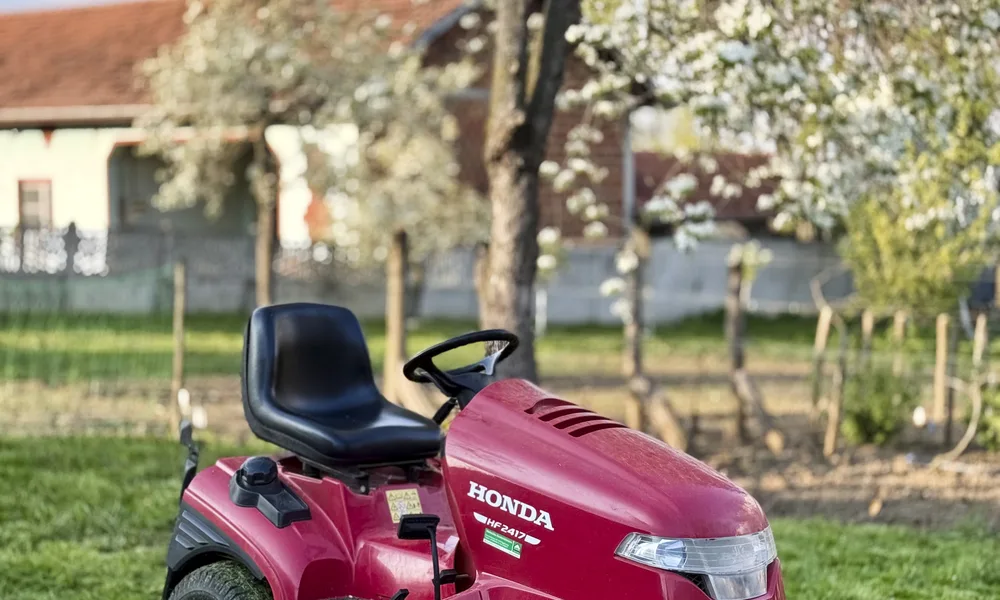
Comparison table: the worst lawn mowers of 2026
| Rank | Lawn mower | Main problem | Buy instead |
|---|---|---|---|
| 1 | John Deere S240 | Transmission trouble, dealer-only repairs | Honda HRX217 |
| 2 | Husqvarna YTH24V48 | Weak transmission, steering | John Deere X350 |
| 3 | Troy-Bilt TB230 | Hard starting, clogging deck | EGO Power+ LM2156SP |
| 4 | Craftsman T110 | Thin deck, belt wear | Toro TimeMaster |
| 5 | Ryobi 40V HP 21-inch | Battery fade, small deck | EGO Power+ LM2135SP |
| 6 | Toro Recycler 22-inch | Drive faults, poor bagging | Honda HRR216 |
| 7 | Cub Cadet XT1 LT42 | Steering, deck rust, resale | John Deere S120 |
The worst lawn mowers of 2026
1. John Deere S240: the lawn mower to avoid first
The John Deere S240 is the best-selling riding mower in America, and that is exactly why its faults sting. Owners report a hydrostatic transmission that whines loudly under load, loses drive on slopes, and in the worst cases needs a full replacement that costs thousands. The machine is also famous for repairs only a dealer can do. Software locks mean an owner cannot reset fault codes or replace some parts without dealer tools, Buy a Honda HRX217 instead if you can manage a walk-behind mower: simpler to service, cheaper to run, and just as capable on a suburban lawn.
2. Husqvarna YTH24V48: strong on paper, weak in the drive
The Husqvarna YTH24V48 promises a lot for the money: 24 horsepower, a wide 48-inch deck and a hydrostatic transmission,. Owners report that the promise fades in daily use. The transmission is weak on slopes, and the deck leaves an uneven cut once the grass grows tall. The steering is the bigger problem. Owners report that it feels vague and heavy at full lock. The John Deere X350 does the same job with a stronger transmission and steering that stays tight for years.
3. Troy-Bilt TB230: a good mower at the wrong price
The Troy-Bilt TB230 is the mower most suburban buyers are shown first, and it is easy to see why. Its place on this list is about value, not breakdowns. The engine starts hard when the grass is damp, needing three pulls and a choke to catch, and the deck clogs quickly in wet grass, so the owner has to stop and scrape it out. The price is the real problem. A TB230 with a bagger and a mulch kit costs as much as a larger battery mower from a rival brand.
4. Craftsman T110: capable, but support is the gamble
The Craftsman T110 is a strong mower for the money, with a simple engine and a deck that genuinely cuts what it claims. But many owners do not live near a good Craftsman dealer. The dealer network is patchy, and owners report long waits for parts that a John Deere or Toro dealer would have on the shelf. The deck is another repeated complaint: the steel is thin and rusts through at the edges after a few seasons. Buy the Toro TimeMaster instead if dealer support matters to you, and only choose the Craftsman if your local dealer is strong and established.
5. Ryobi 40V HP 21-inch: cheap build shows quickly
The Ryobi 40V HP 21-inch is built to a price, and owners say it shows. The deck feels thin and the handle is weak. Battery fade is the most reported fault: the battery holds its charge well for the first season, then fades halfway across the lawn, and a spare battery costs nearly as much as the mower. But a cheap mower that spends time waiting for a charge is not cheap. The EGO Power+ LM2135SP costs a little more and feels built to last longer, with a bigger battery and a stronger deck.
6. Toro Recycler 22-inch: the smallest network of all
The Toro Recycler 22-inch is the cheapest self-propelled mower on this list, and it shows why price alone is a poor guide. The mower itself is simple and the recycler deck is a clever design, but the Personal Pace drive is the weak point. Owners report that the drive slips on slopes, surges on flat ground, and needs a new belt or cable far sooner than rivals. Resale is poor. It is a bad mower to own unless you mow a small flat lawn and plan to keep it forever. The Honda HRR216 costs more but comes with a far stronger drive and far stronger resale.
7. Cub Cadet XT1 LT42: small tank, small capacity
The Cub Cadet XT1 LT42 is a neat, tidy riding mower that suits a medium lawn and light grass. Its faults are about size and steering. The steering is vague, so the mower is hard to keep straight on slopes, and the deck rusts at the edges after a few seasons, which makes the cut uneven when the blades wear. The dealer network is thin in rural areas, which is the one thing that makes a small mower a big risk, but a well-priced mower that cannot keep up is still the wrong mower. The John Deere S120 is a better fit for the same money, with stronger steering and a bigger tank.
What to buy instead of the worst lawn mowers
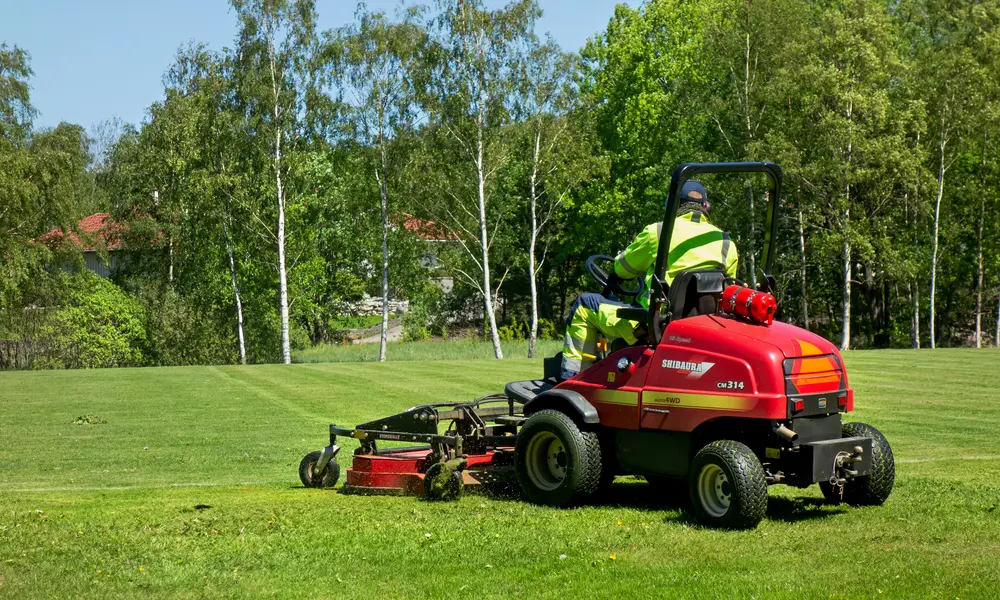
The pattern across this list is simple: buy the mower with the strongest dealer near you, not the cheapest price on the internet. A Honda HRX217, an EGO Power+ LM2156SP or a John Deere X350 will cost more, but their dealers stock parts and their resale values hold up. Before you buy, test the mower on your own lawn, check the recall record, and ask the dealer how long a common part takes to arrive. Farm machines suffer the same support trap, and our guide to the worst tractors of 2026 makes the same point about dealer networks and repair bills. Harvesters suffer it too: our guide to the worst combine harvesters of 2026 shows how a thin dealer network turns a small fault into a long stoppage.
Checklist: buying a lawn mower in 2026
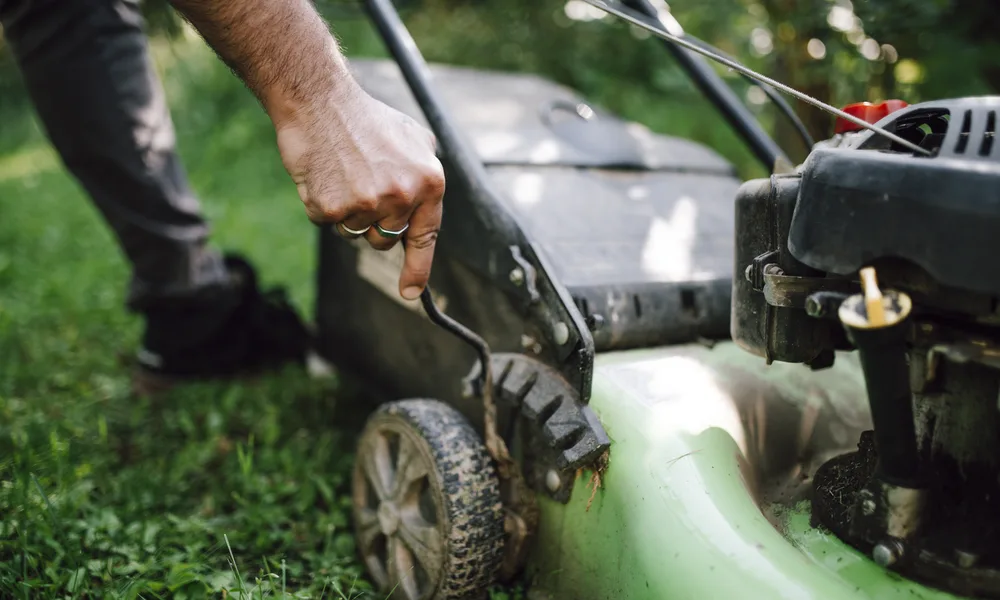
- Test the mower on your own lawn, and watch it cut tall, damp grass without clogging.
- Check how far your nearest dealer is, and ask how long a common part takes to arrive in the season.
- Look up the recall record and any service bulletins for the exact model year before you sign.
- Compare the real out-the-door price, including the bagger, the battery and delivery, not the headline price.
- Ask what the owner can repair themselves and what needs dealer software or dealer-only tools.
- Check resale values for the same mower three years old, and check the deck for rust.
Frequently asked questions
What is the worst lawn mower to buy in 2026?
The John Deere S240 is the one to avoid first, because owners report transmission trouble and dealer-only repairs that cost far more than a riding mower should.
How is a lawn mower different from a tractor?
A tractor pulls implements and lifts loads, while a lawn mower is a standalone machine that only cuts grass. A mower fails on its engine, deck and drive; a tractor fails on its transmission and loader.
Are cheap lawn mowers a false economy?
Often, yes. A cheap mower with a thin dealer network costs more in downtime, parts waits and lost resale value than a dearer mower from a brand with dealers nearby. The purchase price is only the first bill.
How important is the dealer network when buying a lawn mower?
It is the most important factor after the mower itself. A mower that cannot be fixed quickly is useless in the growing season, so buy from a dealer you can reach easily and who stocks parts.
What should I check on a used lawn mower?
Check the hours, the service history, the deck for rust, the blades for wear, the tyres, and the engine for smoke. Start it cold, mow a strip of tall grass, and check the drive before you pay.
Is a bigger lawn mower always better?
No. A bigger mower scalps a small lawn, will not fit through the garden gate, and costs more in fuel, parts and storage. Buy the mower your lawn needs, not the biggest machine on the shelf.
Bottom line
The worst lawn mowers of 2026 fail on ownership, not on paper: engines that will not start, decks that clog, batteries that fade, and parts that take weeks to arrive. Buy the mower with the strongest dealer near you, test it on your own lawn, and the machine will still be cutting when the season turns.


