
Hollywood promises something new every year — and every year, audiences sit through the same handful of ideas dressed in different costumes. The worst movie trends Hollywood keeps repeating are not accidents but habits, and studios return to them because they feel safe, even when they disappoint the people who pay for tickets.
The pattern is easy to spot: a sequel nobody asked for, a trailer that reveals the final twist, a three-hour epic that is really a ninety-minute story stretched thin. It keeps happening, because the industry rewards the familiar more than the fresh.
This article looks at the trends that have worn out their welcome, and why studios cling to them. Some were once exciting; all have been repeated past the point where they add anything, and the worst make the cinema feel predictable — the one thing a night at the movies should never be.
Key takeaways
- Sequels, reboots and remakes dominate because studios treat familiar titles as safer than original stories.
- Spoiler trailers, bloated runtimes and CGI over story make films feel longer and duller.
- Shared universes and post-credit scenes turn casual viewing into homework.
- Nostalgia mining sells tickets on memories, not on the quality of the new film.
- Audiences can spot these patterns early, and choosing original films is the fastest way to push back.
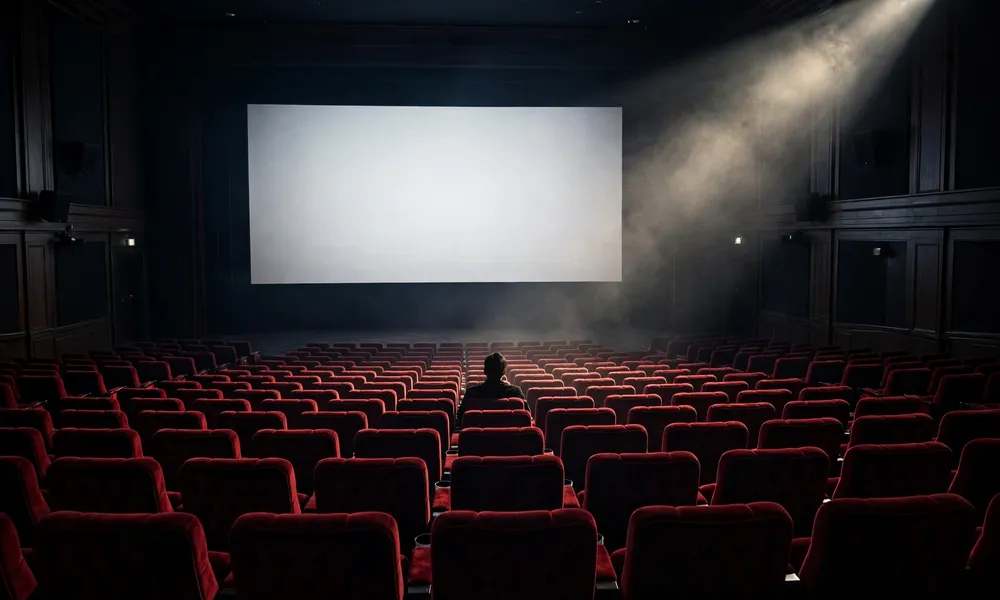
Endless Sequels, Reboots and Remakes
No trend defines modern Hollywood more clearly than the sequel. When a film succeeds, the studio asks not what new story it could tell next, but how many more chapters the same story can support. A single hit becomes a trilogy, then a saga, then a franchise that outlives its makers, as jokes repeat and stakes inflate because there is nowhere else to go.
Reboots follow the same logic: a finished series restarts with a younger cast and a glossier look, replaying the same beats with better effects and weaker writing to revive a brand that already had an audience. It is part of a wider culture of hype that rewards familiarity over originality, where marketing needs something it can explain in five seconds — and nothing explains itself faster than a title audiences already know.
Why studios cannot quit the sequel
Sequels reduce one real risk: the risk that nobody has heard of the film. An original title needs months of marketing; a sequel starts with awareness built in. That advantage is narrow, though — awareness fills seats on opening weekend, but it does not make people recommend the film or forgive a hollow story. Sequels are also easier to approve: executives can point to the last film’s numbers instead of risking an unproven idea.
The Shared-Universe Obsession
The shared universe promised separate films connecting into one grand story. In practice, no single film is allowed to stand on its own. Characters appear without introduction, plot threads dangle for years, and one film’s ending only makes sense if you have watched three others and a television series. What began as a bonus for devoted fans became a requirement for everyone else.
The homework problem is the heart of it: a casual viewer who liked the first film discovers the second assumes knowledge of a spin-off they never watched. Jokes land flat, villains arrive without context, and emotional moments depend on a backstory the viewer never saw. Connection also limits filmmakers: small stories must fit a timeline decided by other films, characters cannot change too much, and endings cannot be too final.
Trailers That Give Away the Whole Film
Modern trailers have a spoiler problem: the average blockbuster trailer runs through the first act, the best jokes, the biggest action set piece and often the final twist. By the time the film starts, the audience has already seen its highlights in two-minute form. The trailer is no longer an invitation — it is a condensed version of the film.
Trailers are tested like products, so marketing teams pack in the moments that make test audiences react — but a trailer that gives away the ending sells tickets to people who then feel cheated. The problem compounds across a teaser, two trailers, a final trailer and a pile of clips, each revealing a little more until almost nothing is left to discover. The fix is simple: show less, trust the audience, and let the film do its work.
CGI Spectacle Over Story
Computer imagery can build worlds and stage battles that would be impossible any other way. The problem starts when spectacle replaces story instead of serving it. Too many blockbusters treat the third act as a light show: a long, weightless battle between digital armies while the characters shout exposition.
These sequences are expensive, and the cost shows in what gets cut: dialogue scenes shrink, character decisions get rushed, and the film’s quiet middle is trimmed to make room for another set piece. The film looks enormous and feels empty. Effects also date faster than story: a well-written scene from decades ago still works, but a cutting-edge effect from ten years ago looks stiff and plasticky today. Films built around effects age in dog years, while films built around character hold up — the same lesson behind the worst tech trends that aged badly.
Runtime Bloat
Films keep getting longer, and not because stories need the time. The average blockbuster now runs well past two and a half hours, and the extra minutes rarely earn their place. Scenes repeat information, subplots wander, and the final act drags through false endings. The audience is not getting more story — just the same story with more padding.
A three-hour film plus trailers becomes a four-hour commitment — a lot to ask of anyone with a job, children, or a bad back. People skip the evening showing or wait for home viewing. Streaming has quietly made it worse: a film designed for home viewing faces less pressure to stay tight, because a viewer can pause. That logic leaks back into cinema releases, where there is no pause button. Discipline in the edit is a kindness, and it vanishes fast when a studio equates length with importance.
Post-Credit Scenes and Franchise Homework
The post-credit scene was once a surprise; now it is an obligation. The lights stay low, half the room stays seated, and everyone waits for a thirty-second clip advertising the next film. When the scene is good, it is a treat; when it is a cryptic tease for a film two years away, it feels like the movie is selling you something after taking your money.
They are part of the same homework problem as shared universes, rewarding the devoted, confusing the casual, and turning each film into a stepping stone. A great film should end when its story ends; a scene that only exists to set up the next one says the story you just watched was not the point.
Nostalgia Mining
Nostalgia is powerful, and Hollywood has learned to sell it by the ticket. Old franchises return with the original cast, familiar music and recreated sets, while the marketing leans on memories of how it made you feel when you were young. The film itself often coasts on those memories, recreating favourite scenes instead of earning new ones.
Nostalgia has diminishing returns: the first revival feels like a reunion, the second like a formula, and by the third the audience watches a copy of a copy. Worse, it crowds out new stories that could become the memories of the next generation — every slot given to a revival is a slot taken from a film that might have become someone’s favourite. The best revivals use an old setting to say something new; the worst treat the past as a checklist — catchphrase, costume, cameo, callback. Audiences can tell the difference.
Day-and-Date Dumping and the Streaming Squeeze
The line between cinema and streaming has blurred: films now arrive on streaming weeks after their cinema debut, sometimes simultaneously, which quietly tells audiences to wait. Why pay for a ticket, travel and parking when the film will be on television at home in a month? The short window undercuts the cinema release it is supposed to support.
Mid-budget films get the worst of it: too small for a major cinema push, too expensive for disposable streaming content. They land quietly, get buried under an algorithm, and disappear, while viewers scroll through streaming services that promise endless choice but deliver thin value, unable to find the film they heard about three weeks ago.
What the Pattern Costs Audiences
Add these trends together and the cost is clear. Cinema feels less surprising and less worth the effort, so people who once went every month now go a few times a year. The cost is creative too: talented writers, directors and actors spend their best years servicing franchises instead of telling stories only they could tell.
| Trend | Why studios do it | Why audiences tire of it |
|---|---|---|
| Sequels and reboots | Built-in awareness cuts marketing risk | Stories repeat and surprise disappears |
| Shared universes | Each film sells the next | Viewing becomes homework |
| Spoiler trailers | Tested moments sell tickets | Best scenes spent in advance |
| CGI spectacle | Scale justifies big budgets | Effects date fast |
| Runtime bloat | Length signals importance | Long films tire audiences |
| Nostalgia mining | Old favourites guarantee attention | Revival after revival wears thin |
How to Spot the Next Repeat
These trends are easy to spot before you buy a ticket, and a few seconds of attention before you book can save you an evening — while sending studios the message they understand: audiences reward the new.
- If the trailer shows the final battle and the biggest jokes, its best moments are spent.
- If a simple story runs past two and a half hours, ask what the extra time does.
- If the pitch is a title you already know, not a story you have not heard, expect a repeat.
- If reviews say you must watch three other films first, decide if you want homework with your ticket.
- Take familiar, formulaic and by the numbers in reviews seriously.
- If an original film is on the next screen, give the new story the seat.
Frequently Asked Questions
Why does Hollywood make so many sequels and remakes?
They start with built-in awareness, so marketing is easier and opening weekend more predictable. Studios prefer a known title to an unknown one, even when it produces a weaker film.
Are shared universes bad for casual moviegoers?
They can be. Shared universes reward viewers who follow every instalment, but casual viewers face plot threads and jokes that depend on films or shows they never saw — which makes the experience confusing.
Do trailers really spoil films?
Yes, often. Trailers are tested to include the strongest reactions: the best jokes, the biggest action scenes, sometimes the final twist. Several trailers can reveal most of the plot in advance.
Why are films getting longer?
Studios equate length with importance, and streaming has eased the pressure to edit tightly because viewers at home can pause. The result is blockbusters running past two and a half hours without enough story.
Is nostalgia mining always a bad idea?
No. A revival works when it uses a familiar world to tell a new story and lets its characters grow. it fails when it treats the past as a checklist of catchphrases, costumes and cameos.
Can audiences actually change what Hollywood makes?
Yes — ticket sales are the clearest signal studios get. When original films succeed, more get made, and choosing a new story over the seventh chapter of a franchise tells the industry what audiences want.
The Bottom Line
Hollywood repeats these trends because they feel safe, but safe is not the same as good. Sequels, spoiler trailers, bloated runtimes and nostalgia revivals trade surprise for familiarity, and the trade gets worse every time. They will only stop when audiences stop rewarding them — so next time, pick the story you have never heard. That is where the next great film is waiting.


