
Small Rooms, Big Regrets: The Worst Music Venues of 2026
The worst music venues of 2026 are not the ones with the smallest stages or the cheapest tickets. They are the small and mid-sized rooms where the night itself falls apart: the basement where the sound hits you like a wall, the converted hall where the words dissolve into echo, the bar queue that crosses the crowd all night, and the stage so low that you watch the show on the phones of the people in front of you. This guide ranks the worst types of music venue, by the room and not the act, so you can spot a bad one before you buy the ticket.
Key takeaways
- A music venue is about the room first: if the sound is a wall of bass or a wash of echo, the band cannot fix it from the stage.
- Sightlines matter as much as sound: a low stage on a flat floor means half the room watches the show through other people’s heads.
- Count the bars, toilets and pillars before you book.
- Air and space are part of the ticket: a packed room with no ventilation turns a good gig into an endurance test.
- Check recent visitor photos of the room, and walk away from any venue that only shows pictures of the stage.
How the worst music venues were chosen
Every type below was scored on four measures. Sound comes first: can the audience hear the songs clearly, or does the mix drown the melody in bass and echo? Sightlines are second, judged on whether the stage is visible from the back of the room or hidden behind pillars, a low stage and a tall crowd. Space is third, because a venue that sells more tickets than its floor can hold turns a gig into a crush. Value is fourth: the real cost of the night once the ticket, the cloakroom, the drinks and the extras are added, not the headline price.
Two notes before the list. First, no single venue is named as the worst, because the same bad patterns appear in many towns, and what matters is learning to recognise them. Second, this is about the venue as a room, not the concert as an event: the queues, the prices and the late starts that ruin a whole evening are covered in our guide to the worst concerts. Our guide to the worst nightclubs covers the dancefloor end of the night.
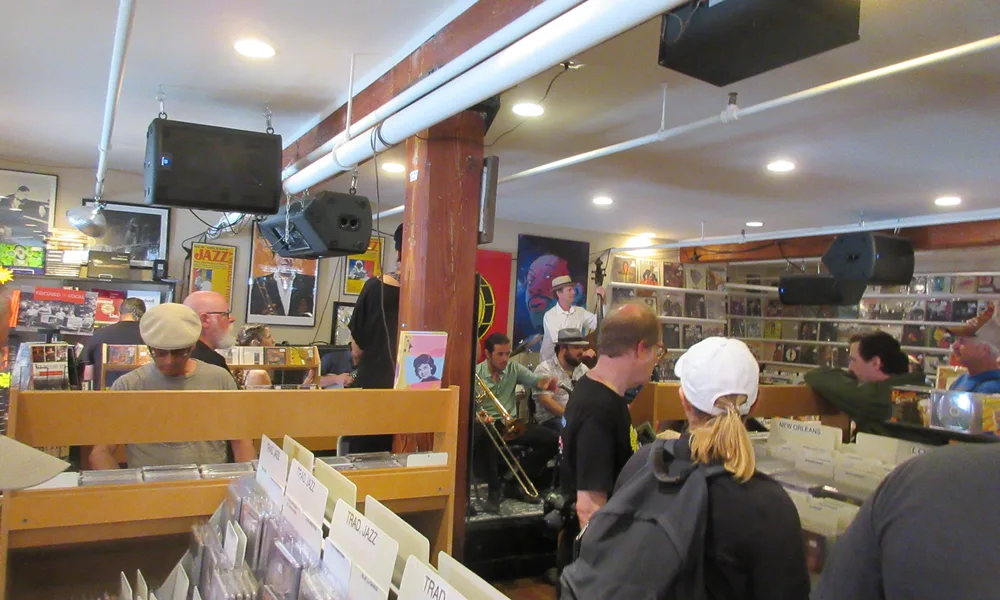
Comparison table: the worst music venues of 2026
| Rank | Music venue type | Worst for | Watch out for |
|---|---|---|---|
| 1 | The basement that deafens | Anyone near the speakers | Low ceiling, bare concrete, wall of bass |
| 2 | The muddy hall | Anyone who wants to hear the words | Echo, bare walls, lyrics lost |
| 3 | The crush-bar room | Anyone trying to watch the band | Bar queue crosses the crowd all night |
| 4 | The stage you cannot see | Shorter fans, late arrivals | Low stage, flat floor, tall crowd |
| 5 | The pillar room | Half the audience | Pillars through the floor, blind spots |
| 6 | The sweatbox with no air | Anyone who stays to the end | No ventilation, doors shut, heat builds |
| 7 | The pay-at-every-turn room | Anyone on a budget | Cloakroom fee, card-only bar, pricey water |
The worst music venues of 2026
1. The basement that deafens: loud is not the same as good
The basement venue has a charm that is easy to love: low ceilings, a small stage, a crowd pressed close to the band, and the feeling that something real is happening a few feet away. The worst basements keep the closeness and lose the sound. The room is a concrete box with no treatment on the walls, so the bass bounces from floor to ceiling and back again, and the mix becomes a wall of noise in which the melody disappears. Stand to the side rather than directly in front of the speakers, bring earplugs, and if the sound is painful rather than loud, leave: no gig is worth your hearing, and a basement that deafens its audience is a room that was never built for music.
2. The muddy hall: where the words go to die
Many music venues began life as something else: a church hall, a school gym, a warehouse, a social club with a stage at one end. The worst of them never stopped being that other thing. The room is long, high and bare, with hard floors, flat walls and a ceiling that throws every note back at the audience a fraction of a second late. The band plays, the sound leaves the stage, and by the time it reaches the back rows it has bounced off three surfaces and lost the words.

3. The crush-bar room: the queue that never stops moving
In a good music venue the bar is out of the way, so the people who want a drink can get one without spoiling the night for everyone else. In the crush-bar room the bar sits in the middle of the floor, or along the side with only one narrow gap to reach it, and the queue becomes a slow river that crosses the crowd for the whole night. People push past with drinks held high, elbows out, spilling on shoulders, blocking the view for a few seconds at a time, all night long. The fix for the visitor is to arrive early, claim a spot near the stage and away from the bar route, and buy drinks before the support act starts.
4. The stage you cannot see: flat floors and tall crowds
The simplest failure in live music is also the most common: a stage so low, on a floor so flat, that half the room cannot see it. The venue is a rectangle with a stage a foot off the ground at one end, no rake, no raised platform at the back, and no screens to show the band to the people behind. The first few rows see everything, and everyone else sees the backs of heads and the glow of other people’s phones. Before you book, look for visitor photos taken from the back of the room rather than the front: if every photo shows the stage from the first row, take the hint, arrive at the doors, and claim your spot early.
5. The pillar room: a forest of blind spots
Old buildings have pillars, and music venues in old buildings inherit them. The worst pillar rooms have a forest of them: thick columns running down the middle of the floor, holding up a ceiling that nobody can move, and standing exactly between the audience and the stage. From behind a pillar you hear the band perfectly and see nothing at all, and as the singer moves across the stage the pillar follows them, hiding one side and then the other. If the venue is in an old building, ask about pillars before you book, look for photos that show the whole room rather than just the stage, and pick a spot with a clear line to the centre of the stage, not the edges.
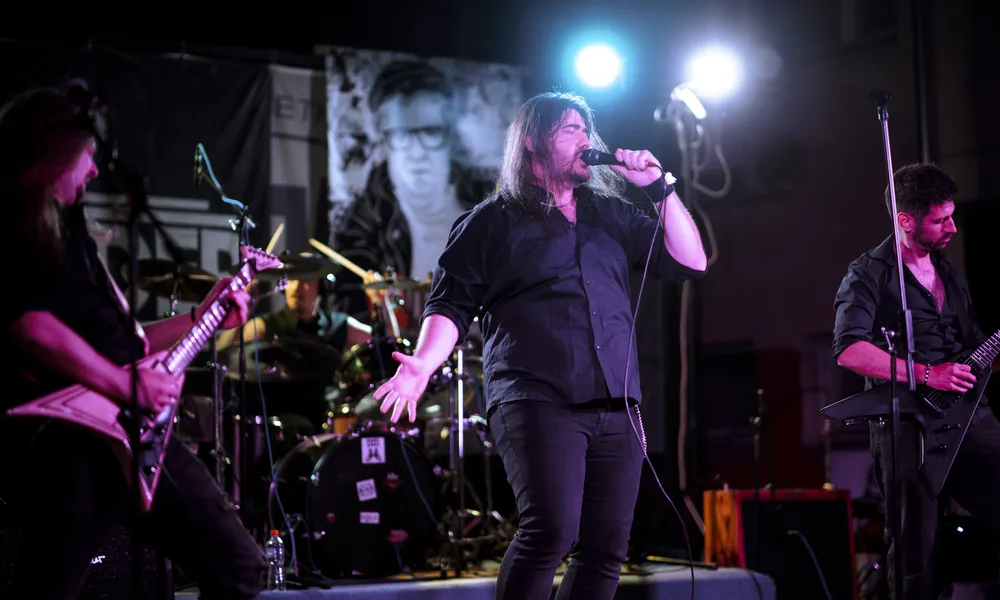
6. The sweatbox with no air: heat that eats the gig
A packed music venue is warm by nature, and the worst ones are ovens. The room has no ventilation worth the name, the doors must stay shut because of noise rules, and the only air conditioning is a fan that stopped working years ago. As the crowd fills in, the temperature climbs, the air turns thick, and by the middle of the set the room smells of sweat and spilled beer. Before you book a summer gig in a small room, check whether the venue has ventilation, whether the doors open between sets, and whether recent visitors mention the heat. Dress light, drink water, and know where the exit is: a good gig should leave you tired and happy, not dehydrated and desperate for fresh air.
7. The pay-at-every-turn room: the ticket is only the start
The ticket price is the number on the poster, but in the worst venues it is only the first charge of the night. The cloakroom costs extra, and there is nowhere safe to put a coat without paying it. The bar is card only, with a minimum spend, and the water is sold at gig prices with no free tap water in sight. The toilets have a charge, or the only free ones are outside the venue, down the street, in the rain. A fair venue tells you the extras upfront, keeps the water free, and lets you keep your coat at your feet. Before you book, check what the ticket actually covers, read recent visitor comments about the extras, and carry a little more cash than you think you need.
What to avoid when choosing a music venue
The most common music venue regret is not a bad room but a wrong match: a basement booked by someone who hates loud sound, a flat-floor room booked by a late arrival, or a sweatbox booked on the hottest night of the year. Check four things before you pay: what recent visitors say about the sound, whether the stage is visible from the back, how many bars and toilets serve the crowd, and what the night really costs. The same checks work for every live room, as our guide to the worst theatres shows: a grand name on the door means nothing if the room cannot carry the sound.
Checklist: choosing a music venue that will not disappoint
- Read recent visitor comments about the sound, especially from the back of the room.
- Look for photos taken from the back and the sides, not just the front row by the stage.
- Check the stage height, the floor rake and the pillars before you book.
- Count the bars and toilets, and check whether the bar queue crosses the crowd.
- Ask about ventilation, doors and heat, especially for a summer gig in a small room.
- Bring earplugs, arrive early for a good spot, and carry a little extra for the extras.
Frequently asked questions
What makes a music venue one of the worst?
Bad sound, bad sightlines and bad air, usually together. A good band means little if the room is a wall of bass or the heat drives people out before the encore.
Are basement venues always bad?
No. A basement with treated walls, good speakers and a raised stage can be the best room in town. The bad ones are bare concrete boxes with speakers hung too close to the crowd.
How do I get a good spot in a small venue?
Arrive when the doors open, claim a spot near the stage and away from the bar route, and stay there. Late arrivals get the back, where the sound is worst and the stage is hidden.
Should I bring earplugs to a gig?
Yes, always. A bad venue can leave you with ringing ears, and earplugs cost little and weigh nothing.
What is the best place to stand in a music venue?
Usually a few rows back from the stage, slightly to the side of the speakers, where the sound balances and the view is clear.
Are small music venues better than big ones?
Often, but not always. Small rooms put you close to the band, which is wonderful when the sound is good and miserable when it is not. Judge the room, not the size.
Bottom line
The worst music venues of 2026 are the ones where the room fails the night: the sound is a wall of bass, the stage is hidden, the bar queue crosses the crowd, or the heat drives people out before the encore. Pick a room with clear sound, a stage you can see and a fair price, and the band will do the rest.


