The worst social media trends that waste your attention rarely look like a waste of time at first. They arrive as a quick video, a funny thread, or a routine that promises a better morning, and each one feels harmless in the moment. The problem is the pattern they build, check after check, until an hour has gone and you cannot say what you gained from it.
Most of these trends are designed to keep you watching rather than to help you decide, learn, or rest. They use cliffhangers, outrage, comparison, and constant novelty to hold your eyes on the screen a little longer. That extra time is the product, and the feed never runs out, so neither does the pull on your time.
This guide names the worst social media trends that waste your attention, explains why each one is so hard to resist, and shows what it really costs you. It also shows how to cut the worst habits without deleting every app.
Key takeaways
- Endless short videos and infinite feeds remove natural stopping points, so time slips away without you noticing.
- Outrage, comparison, and performative routines feel engaging, but they leave you tired and no better informed.
- Hauls, live shopping, and flash drops turn casual browsing into unplanned spending and decision fatigue.
- Most viral advice is untested or exaggerated, so treat bold claims as entertainment until you check them properly.
- You do not need to quit social media. Small limits, chosen in advance, work better than willpower in the moment.
Why Social Media Eats More Time Than It Promises
Social media feels quick because each piece of content is short. A video lasts thirty seconds and a post takes ten seconds to read, so the session feels like a series of tiny moments. That speed is misleading, because there is always one more and the session has no clear end. You did not plan to spend forty minutes online. You planned to spend forty seconds, forty times in a row.
The Scroll Was Designed to Never End
Infinite scrolling removed the pause that used to tell you to stop. Old websites had pages, and reaching the bottom gave you a moment to decide whether to continue. Modern feeds load the next post before you ask for it, so there is no bottom and no decision point.
Small Checks Add Up to Lost Hours
A single check of your phone is not the problem. The problem is how often those checks happen. A quick look while the kettle boils, another in a lift, and another before bed can easily add up to two or three hours a day.
The Worst Social Media Trends That Waste Your Attention
The trends below are not the worst because they are unpopular. Many are hugely popular, and that is exactly why they waste so much attention. They are polished, frequent, and easy to fall into.
Endless Short-Video Loops
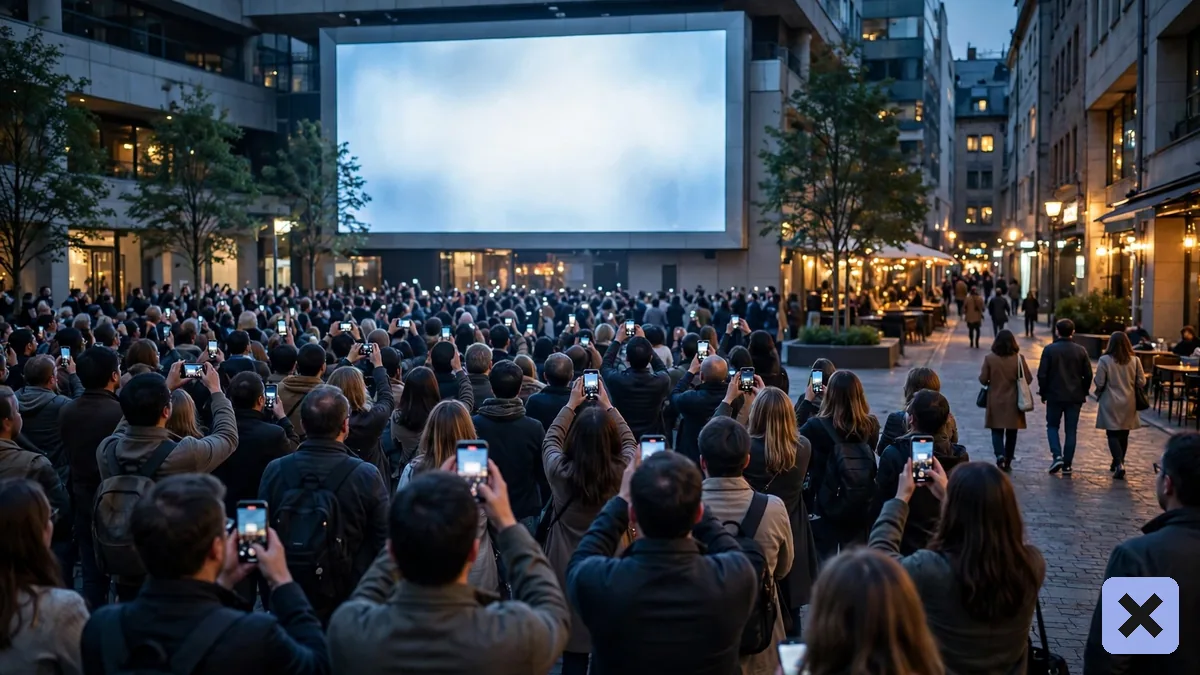
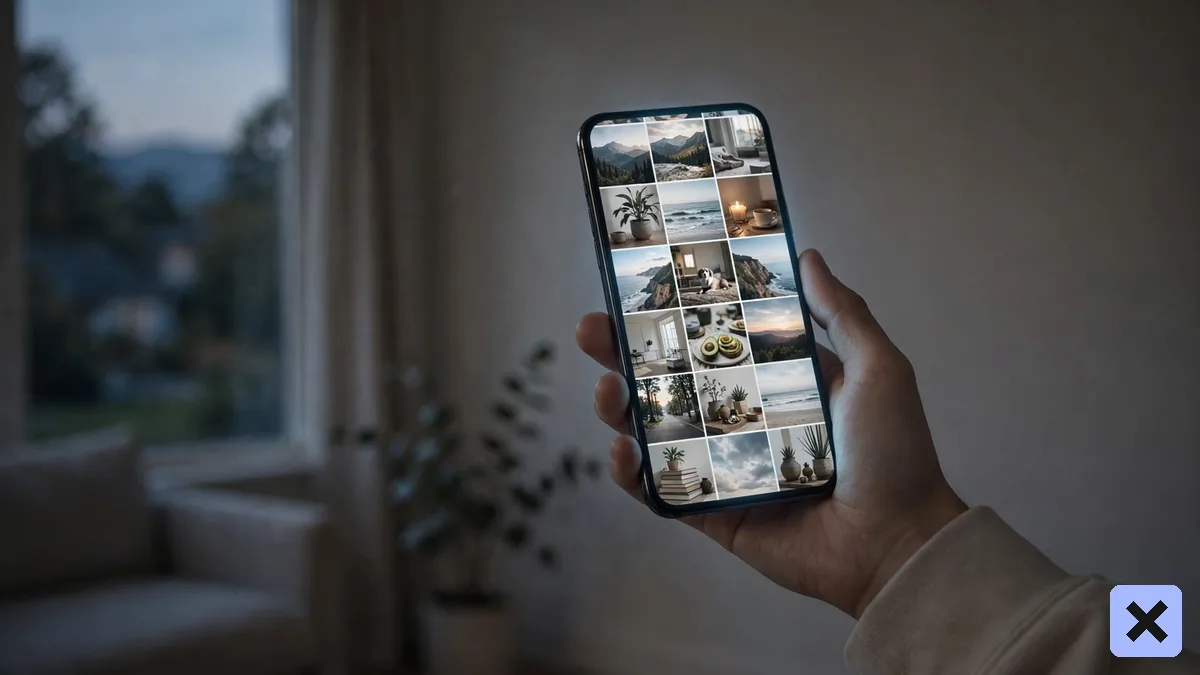
Short videos are the most efficient attention trap on social media. Each clip is fast, loud, and satisfying, and the next one starts before the last has faded. The cost is that they train your brain to expect a new reward every few seconds, so longer things start to feel slow by comparison.
Outrage Bait and Argument Threads
Outrage is one of the cheapest ways to hold attention. A post makes a bold or deliberately provocative claim, and hundreds of people rush in to argue. The thread grows, the platform promotes it, and the original poster wins whether they were right or wrong. They waste your time and leave you in a worse mood.
Performative Morning Routines
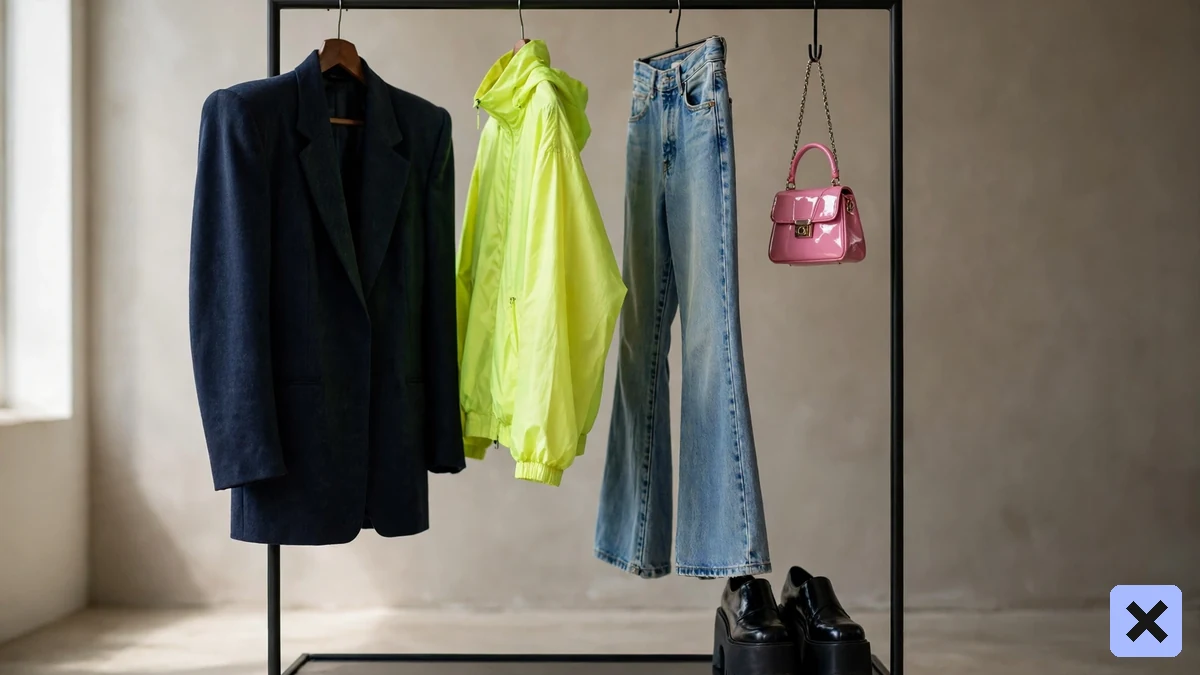
Morning routine videos look calm, organised, and inspiring. A creator wakes at dawn, drinks water, stretches, journals, and finishes a workout before most people have left bed. The routine is beautiful, and it is also mostly a performance, filmed and edited over far longer than the morning itself. Watching ten routines gives you ten sets of products to buy and ten standards to feel behind on.
Haul and Unboxing Marathons
Haul videos turn shopping into entertainment. A creator opens box after box and tries on outfit after outfit while you watch. It feels like shopping with a friend, except the friend is being paid to show you the products. Hauls are long and oddly gripping, and the algorithm always shows you another one. By the end, you have spent an hour watching other people open parcels.
Live Shopping and Flash Drops
Live shopping adds urgency to the haul. A host counts down, a timer ticks, stock numbers fall, and viewers are told the deal will never return. The pressure is deliberate, stopping you from thinking clearly about whether you want the item or whether it fits your budget. Flash drops work the same way.
Confessional Oversharing
Confessional videos, in which a creator shares a painful story or a family argument in detail, can feel honest and brave. Some are. Many, though, are edited for maximum drama, posted while feelings are still raw, and followed by updates that keep the audience returning. Watching is not the same as supporting someone.
Fake Advice and Engagement Farming
Some of the most shared posts are confident advice delivered in thirty seconds. A creator promises a trick to earn money fast, fix your health, or learn a skill overnight. The claim is bold, the method is vague, and the comments are full of people asking for the secret step. That vagueness drives engagement. If a post promises a big result with no effort and no evidence, treat it as entertainment. It is the same pattern as hype culture, which rewards the loudest claim rather than the most honest one.
Doomscrolling News Cycles
Doomscrolling is the habit of reading bad news long after you have learned what you need to know. Updates arrive every few minutes, and the feed never says you are caught up, so you keep checking. The cost is not only time. Constant bad news raises stress, disturbs sleep, and makes ordinary problems feel larger. Like many tech trends that did not age well, the always-on feed promised information and delivered a habit that is hard to switch off.
What These Trends Really Cost You
Attention is not an abstract idea. It is the time and focus you use to work, rest, learn, and spend time with people you care about. When social media trends take it, something else loses it.
| Trend | What it takes | What you get back | Better swap |
|---|---|---|---|
| Short-video loops | Long stretches of time, deep focus | Brief laughs, no lasting memory | One chosen video, then stop |
| Outrage threads | Calm, good mood, evening energy | Frustration, repeated arguments | One trusted news summary |
| Routine videos | Confidence, realistic expectations | Unrealistic standards to copy | A short routine that fits your life |
| Hauls and live shopping | Money, decision energy | Urge to buy things you do not need | A short review of one product |
| Fake advice clips | Trust, time spent on bad tips | False confidence, confusion | One reliable source, checked properly |
| Doomscrolling | Sleep, peace of mind | Repeated updates, more worry | A fixed news check, twice a day |
The pattern in the table is simple. The worst trends take something valuable and return something thin. A better swap just needs a clear end point and a result you can actually use.
How to Take Your Attention Back
Winning your attention back does not require a dramatic break from social media. Dramatic breaks rarely last, because they remove the good parts along with the bad. A steadier approach is to change the conditions around your scrolling. Start with one change, not ten. Pick the trend that wastes most of your time and set a single rule for it.
A Simple Checklist for Quieter Scrolling
Use this checklist as a weekly reset. It takes a few minutes, and it makes the rest of the week easier, because your phone starts working for you instead of against you.
- Turn off non-essential notifications, so apps cannot summon you during work, meals, or rest.
- Move social apps off your home screen, so opening one is a choice rather than a reflex.
- Set a daily time limit for your worst app, and let the limit end the session for you.
- Unfollow accounts that leave you angry, envious, or empty, even if their posts are popular.
- Keep your phone out of the bedroom, and charge it somewhere you cannot reach it from bed.
- Choose one screen-free hour each day for a walk, a book, a meal, or a real conversation.
It also helps to decide in advance what social media is for in your life. If it is for friends, open it to message a friend and then close it. If it is for learning, watch one tutorial and then practise it. A purpose gives you a stopping point. Without one, the feed supplies its own purpose, which is simply to keep you there. The same applies to your phone, fed by apps that drain your battery and your time.
Frequently Asked Questions
Are all social media trends a waste of time?
No. Some trends are funny, creative, or genuinely useful, and they can introduce you to new ideas, music, cooking, or crafts. The problem is the trends built to hold you without giving anything back, such as endless loops, outrage threads, and fake advice.
How much time on social media is too much?
There is no single number that fits everyone, because the right amount depends on your work, your sleep, and your free time. A useful test is simpler. If social media regularly replaces sleep, meals, exercise, work, or time with people you care about, it is too much.
Why is it so hard to stop scrolling?
Stopping is hard because the feed is designed to remove stopping points. Infinite scrolling, autoplay, and constant novelty mean you never reach a natural end. Adding your own stopping points, such as a time limit, makes quitting a decision you made in advance.
Should I delete all my social media apps?
Deleting everything can help for a short reset, but it often fails because it removes useful connections along with the wasteful habits. A better first step is to remove the worst app, or the worst feature, and see how that feels for a week.
How can I tell if advice on social media is real?
Real advice usually names its limits, explains the steps clearly, and comes from someone with relevant experience who is not selling a quick fix. Be careful with claims that promise fast money, instant health, or a secret trick, especially when the details are hidden behind a link or a comment.
What is the best first step to waste less time online?
The best first step is the one you will actually keep. For most people, that is turning off notifications and moving social apps off the home screen. Both changes take less than five minutes, and they cut the number of times you open an app without thinking. After a week, add a daily time limit for your worst app. Small, steady changes beat a strict plan that lasts two days.
The bottom line is simple. The worst social media trends do not steal your attention in one dramatic moment. They take it in small pieces, through videos that never end, arguments that never resolve, routines you cannot copy, and sales that never stop. You do not need to leave social media to get it back. Name the trends that waste your time, set a few clear limits, and spend the hours you save better.