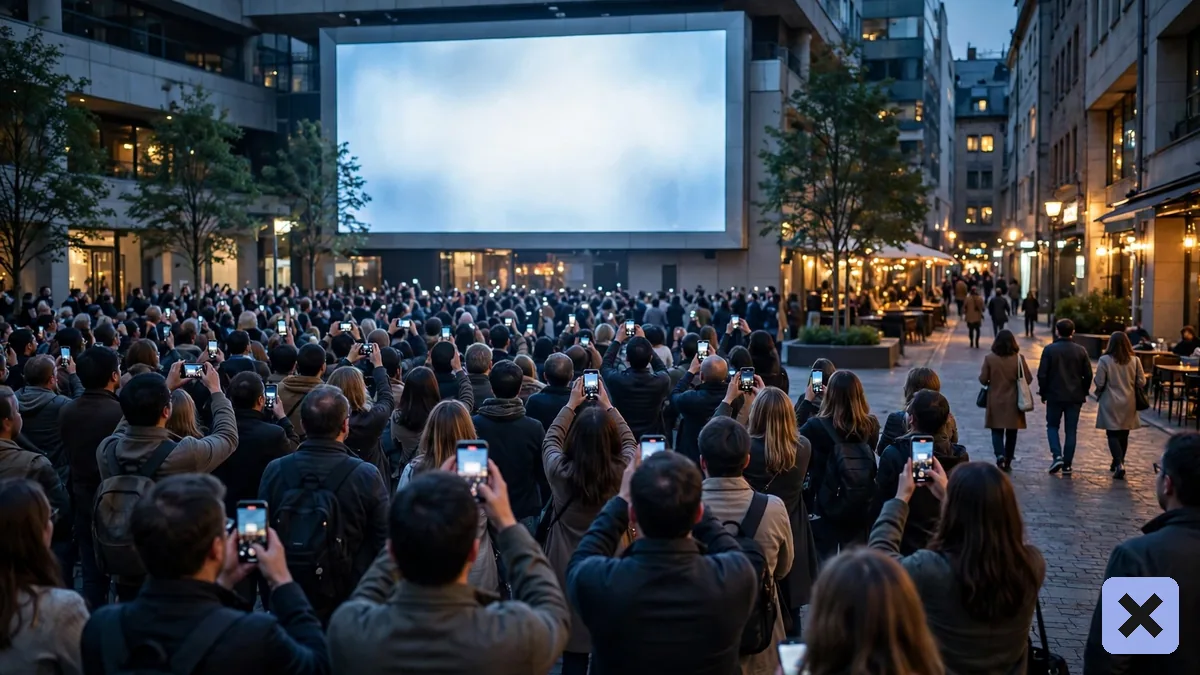
Every few months, culture hands us a new obsession: a sound, a silhouette, a slang word, a show, a snack, a way of dressing. For a few weeks it feels unavoidable, as if everyone has already joined in and you are the last person outside. Then it fades, and the people who chased it hardest pretend they never cared. Learning to read these hype cycles is a genuinely useful skill.
The worst hype cycles in culture are not the ones that fail. They are the ones that cost you something real: money spent on things you did not want, time spent performing enthusiasm you did not feel, and attention spent on noise that crowded out the books, films and friendships that would actually have lasted. The trick is not to ignore every trend. Some hype cycles are worth chasing, because underneath the noise there is something genuinely good.
This article sorts the two kinds apart: how hype cycles work, which ones reward the people who join early, which ones punish them, and how to tell the difference while there is still time to choose. The goal is not to make you cynical. It is to make you deliberate, so that when you do chase something, you chase it because you like it, not because you are afraid of being left out.
Key takeaways
- A hype cycle is a wave of attention, not a measure of quality, and the loudest moment is usually the worst time to judge it.
- Worth chasing: trends built on craft, community or a real improvement, where the pleasure survives after the novelty wears off.
- Worth skipping: trends built on scarcity, status anxiety or a single viral moment, where the cost arrives before the enjoyment does.
- Wait a week, try the cheap version first, and ask whether you would still want it if nobody ever saw you with it.
- Your own taste is the best filter you have, and it gets sharper every time you trust it over the crowd.
What a hype cycle actually is
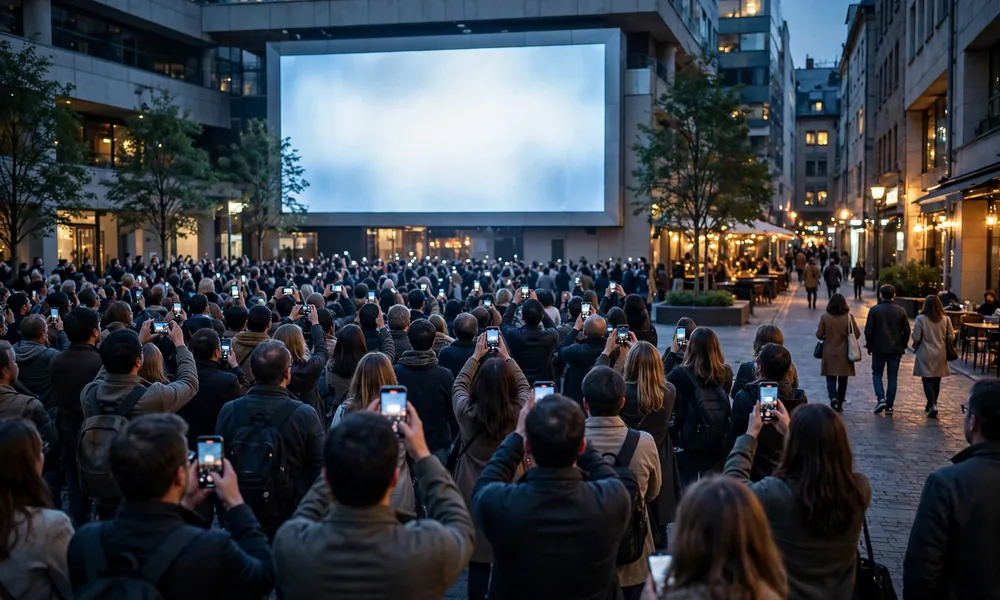
A hype cycle is the life story of an idea in public. It starts quietly, with a small group who genuinely love something. Then it is discovered, shared, copied and sold. At its peak, it is everywhere: in shop windows, in group chats, in conversations everywhere. Then the backlash arrives, and the crowd drifts toward the next thing.
Most cycles follow the same shape, whatever the subject. A television format, a style of cooking, a genre of music, a way of decorating a home: each one rises, peaks, falls and settles. The shape is predictable; the content is not. Timing matters less than judgment.
The five stages, compressed
First comes the spark, when a few enthusiasts find something and talk about it because they enjoy it, not because they are selling it. Second comes the surge, when the idea reaches people who like the feeling of being early more than they like the thing itself. Third is the peak, when not knowing about it feels like a gap in your education. Fourth is the backlash, when the same visibility that made it popular makes it irritating. Fifth is the settlement, when the noise dies down.
The settlement stage is where the truth lives. If a trend disappears completely, it was probably never more than a moment. If a smaller audience remains, it was probably something real. Judge a cycle by imagining it after the settlement: would you still want this when nobody is talking about it? If yes, it may be worth chasing. If no, you have saved yourself money, time and regret.
The hype cycles worth chasing
Some hype cycles deserve the attention they get. They are worth chasing not because they are popular, but because the popularity is pointing at something real. The thing improves on what came before, the community is generous rather than gatekeeping, and the pleasure does not depend on other people noticing.
Consider the revival of slow, hands-on hobbies. Knitting, pottery, film photography, bread baking, gardening and mending have each had a moment of intense hype, and each has survived it, because the reward is in the doing. Nobody bakes bread to impress a stranger; they bake it because it tastes better than the shop version. The hype brought new people in, the craft kept them there. That is a cycle worth joining, even late.
How to spot a cycle worth joining
Ask three questions. First, does it get better with use? A good trend deepens: the tenth time you do it is better than the first, because you have learned something. Second, do the people who love it talk about the thing itself, or only about being early? Enthusiasts describe details; hype merchants describe status. Third, can you enjoy it alone? If the pleasure survives solitude, it is probably real; if it only exists before an audience, it is performance.
The hype cycles to skip
The worst hype cycles share a different pattern: they are built on scarcity, status or a single viral moment, and they ask you to pay, in money or attention, before you have had a chance to decide whether you actually like the thing. That urgency is the clearest warning sign of all.
Scarcity-driven drops are the classic example. A limited release, a numbered edition, a collaboration that will never be repeated: the marketing tells you that if you do not act now, you will never get another chance. Even when it is true, ask yourself: did you want the thing, or the feeling of having beaten everyone else to it? If it is the second, the purchase will feel hollow once the rush fades.
Status-driven trends are just as costly, and harder to see clearly, because they disguise themselves as taste. A particular brand or aesthetic becomes a marker of belonging to a certain group, and the price of admission keeps rising. Status trends move fastest of all, because the people who set them need to keep moving to stay ahead of the people copying them. By the time you have bought in, the group has already moved on.
The most expensive kind of hype
The most expensive hype cycles are the ones that sell you an identity. They do not say, try this, you might like it. They say, people like you do this, and people like you do not do that. That framing turns a purchase into a statement about who you are, and the cost is the slow narrowing of your taste, as you choose things because they fit the identity you bought into, rather than because they delight you. When everything is treated as iconic, nothing is, and the pressure to catch every release is a sales technique, not a cultural duty.
How to tell the difference in a week
A week of deliberate attention is usually enough. The table below compares the two kinds side by side.
| Signal | Worth chasing | Worth skipping |
|---|---|---|
| First feeling | Curiosity about the thing itself | Anxiety about being left behind |
| What fans talk about | Details, technique and craft | Price, rarity and who else has it |
| Cheap version | Still enjoyable and rewarding | Pointless without the expensive one |
| After a week | You want to do it again | You are already bored or tired |
| Alone test | Pleasure survives without an audience | Only fun when someone is watching |
| Community | Welcoming, generous with help | Gatekeeping, mocking latecomers |
Run a new trend through that table before you spend anything significant on it. If it lands mostly in the left column, it is probably worth your time. If it lands mostly in the right, step back and let the wave pass. The genuinely good things will still be there later.
A simple test before you join in
Before you chase any hype cycle, run through this short checklist. It takes two minutes.
- Can I describe what I like about this in one specific sentence, without using the words iconic, amazing or obsessed?
- Would I still want this if nobody ever saw me with it, photographed it or asked me about it?
- Have I tried the free, borrowed or cheapest version first, and did I enjoy that?
- Am I choosing this, or am I afraid of what happens if I do not choose it?
- Will I still care about this in six months, or is the excitement mostly about this week?
- Does the community around it welcome beginners, or does it punish people for arriving late?
If you can answer yes to most of those, go ahead and enjoy it fully. If you answer no to most of them, you have your answer too, and it is not a failure. It is a decision. The skill is not in catching them all. It is in catching the right ones.
What to do with the trends you skip
Skipping a trend does not mean ignoring it. You can watch from the sidelines with genuine interest, enjoy the jokes, appreciate the creativity, and still decide not to participate. And if the trend turns out to have real substance, you can join it later. There is also a quiet pleasure in trusting your own taste is worth paying attention to, even when it disagrees with the crowd. Taste is a habit, and every time you follow it instead of the hype, it gets stronger.
Frequently asked questions
Are all hype cycles bad?
No. Hype is just attention, and attention is neutral. Some cycles draw attention to things that deserve it. The problem is hype that asks you to decide too soon, or to pay more than the thing is worth.
How long should I wait before joining a trend?
A week is enough for most cultural trends. By then, honest reviews have appeared and the novelty has worn off. For expensive commitments, wait a month. The good ones will still be there.
Is it embarrassing to join a trend late?
No, and the idea that it is embarrassing is part of the marketing. Late joiners often have the best experience: prices have settled, the best guides have been written, and you can enjoy the thing without the pressure of being first.
What if everyone I know is into something I dislike?
Then you dislike it, and that is a complete answer. Taste is personal, and popularity does not make your dislike a mistake. Your honesty might even relieve friends performing enthusiasm they do not feel.
Do hype cycles ever come back?
Yes, constantly. Culture recycles itself, and many trends return in a second wave, often better than the first. A trend you skipped the first time may be worth catching the second time, with better versions and less pressure.
How do I stop feeling left out?
Name the feeling for what it is: fear of missing out, a normal response to seeing a group enjoy something together. The group is often smaller than it looks, and the feeling passes within days.
Travel hype and the same lesson
The same test works far beyond music, fashion and food. Travel is one of the clearest examples, because the costs are so visible: expensive flights, crowded destinations, long queues for a photograph that looks exactly like everyone else’s. Are you going because the place calls to you, or because going proves something? The worst travel trend is going just to prove you went, and the trips people remember most fondly are usually chosen slowly, for personal reasons.
The bottom line
The worst hype cycles in culture are the ones that sell you urgency, scarcity and status, and leave you with something you did not really want. The ones worth chasing are built on craft, community and genuine pleasure, and they still satisfy you when nobody is watching. Learn to tell them apart, wait a week, try the cheap version first, and trust your own taste over the noise. Chase the cycles that make your life richer, and skip the ones that only make it busier.


