Worst Bats to Drive Away From: The Worst Sports Bats of 2026
The worst sports bats of 2026 look fine on the rack and feel fine in a couple of practice swings, then fail exactly when a hit matters: the ball dies off a dented barrel, the handle stings the hands, or the bat cracks on a cold morning and the innings ends before it starts. A bad bat also teaches a batter to swing around the ball instead of through it, a habit that takes a season to unlearn. The pattern is always the same: the bat looks like a bargain, performs like a problem, and costs a batter confidence long before it costs money. This guide ranks the worst types of sports bat in 2026 by the damage they do to a batter, across baseball and softball.
Key takeaways
- The worst sports bats are types, not brands: the same seven failures turn up on racks in every sport and at every price.
- A dented barrel is a dead barrel. Once alloy loses its shape, the sweet spot shrinks and well-hit balls drop into the field.
- Weight and balance matter more than the price tag. A bat that is too long or too end-loaded makes the hands late, and late hands miss fast pitching.
- A cracked bat is a safety problem, not just a performance problem. Wood that splits and composite that splinters can send pieces flying.
- Check the barrel, the handle and the grip before you pay, and walk away from any bat that fails even one of those three checks.
How the worst sports bats were ranked
Every type below was scored on five measures: hitting performance, durability, feel, balance and safety. Performance comes first: does the ball come off the bat with pace, or does a well-timed swing die in the field? Durability is second, judged on whether the bat survives a season or cracks, dents or loosens within weeks. No single bat is named as the worst, because the same bad patterns appear under many labels. Cricket bats are a world of their own, and our guide to the worst cricket bats of 2026 covers willow, pressing and splices in full. The types below are the baseball and softball bats that fail in the same ways, season after season.

Comparison table: the worst sports bats of 2026
| Rank | Bat type | Main fault | Who it hurts most |
|---|---|---|---|
| 1 | The dented alloy bat | Dead barrel, shrinking sweet spot | Contact hitters |
| 2 | The cracked composite bat | Splinters and sudden failure | Power hitters |
| 3 | The shattered wooden bat | Breaks at the handle on mishits | Everyone nearby |
| 4 | The end-loaded sledgehammer | Barrel-heavy, hands always late | Young batters |
| 5 | The too-long, too-heavy bat | Wrong size for the batter | Beginners |
| 6 | The slippery-grip bat | Grip that slides when hands sweat | Summer-league players |
| 7 | The novelty toy-shop bat | Not a real bat at all | Children |
The worst sports bats of 2026
1. The dented alloy bat: the worst bat of all
The dented alloy bat is the worst sports bat you will ever pick up, and it is not close. A dented one does the opposite: the barrel has lost its shape, the sweet spot has shrunk to a coin-sized patch, and everything else comes off like a soft grounder. Run your hand along the barrel in good light and feel for flat spots or ripples, then tap it with a knuckle. A sound barrel gives a clean ring, while a dented one gives a dull, uneven knock. A dent is not wear and tear; it is the bat telling you it is finished.
2. The cracked composite bat: fast until it fails
The cracked composite bat is the most expensive disappointment in the game. The trouble starts with the first hairline crack, usually along the barrel where the ball strikes hardest. From that moment the bat is on borrowed time: the crack spreads with every hit, the feel goes dead in patches, and then one ordinary swing ends with a splintered barrel. Composite bats fail quietly, which is what makes them dangerous: a wooden bat announces its end with a crack you can hear, while a composite bat can look fine while the layers inside are separating. A dead patch in the middle of the barrel is the first warning. If the bat rattles when you shake it, retire it.
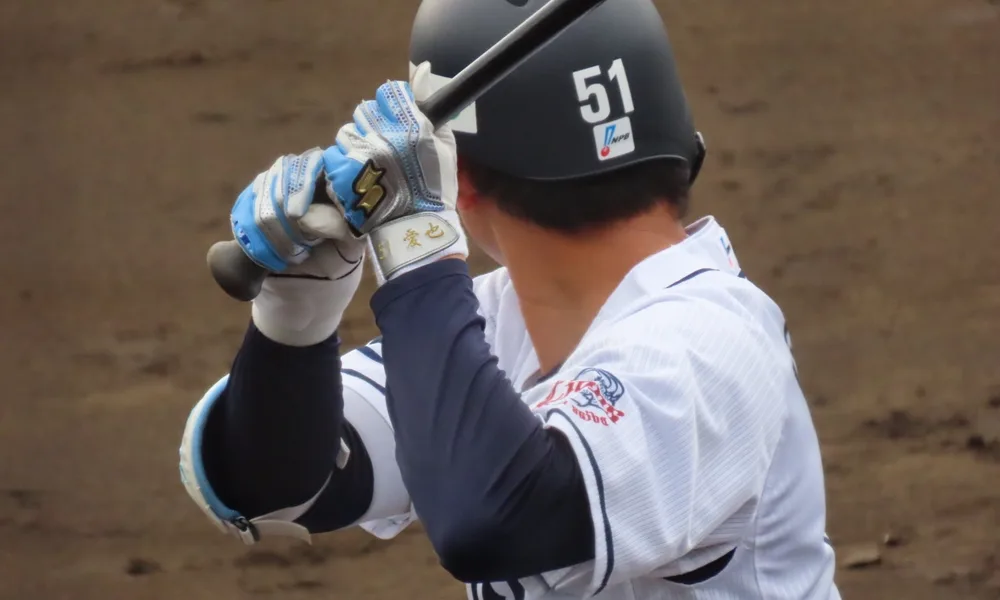
3. The shattered wooden bat: a safety problem first
The shattered wooden bat is the one type on this list that is dangerous before it is disappointing. A bad wooden bat has grain that runs across the barrel, knots hidden under the finish, or wood that was never dried properly. It feels fine in the hands, and then one mishit near the handle ends with the bat in two pieces, one of them flying. The failure usually happens at the thinnest point, where the handle meets the barrel, and it happens without warning. Check the grain before you buy: it should run straight along the bat from knob to barrel end, with no knots or wavy lines.
4. The end-loaded sledgehammer: power you cannot control
The end-loaded sledgehammer promises power and delivers lateness. The weight is piled into the barrel end, so the bat feels heavy the moment it starts forward, and the hands have to work twice as hard to get it through the zone. Against anything quick, the timing is never right: the bat drags, the hands are late, and the batter starts swinging early to compensate, which only makes the timing worse. The fix is simple: a balanced bat that comes through the zone on time beats a heavy bat that arrives late.
5. The too-long, too-heavy bat: the wrong size for the batter
The too-long, too-heavy bat is the most common bad bat in the game, and it is almost always bought with good intentions. The barrel is too far away, the hands cannot control it, and the swing becomes a long, looping arc that misses fast pitching and fouls off everything else. Stand the bat on the ground beside you: the knob should reach your hip, not your waist, and certainly not your chest. Then take a few practice swings; the bat should come through smoothly and stop where you want it to, not drag past the finish. A bat that fits is worth more than a bat that impresses.

6. The slippery-grip bat: the hands cannot hold on
The slippery-grip bat fails on the cheapest part of the whole bat, and that is what makes it so annoying. The batter tightens up to hold on, the swing stiffens, and the bat that felt perfect in the shop becomes a liability by the third innings. Grips fail because they are made from thin rubber that goes smooth with wear, or foam that compresses until the handle feels bare underneath. A good grip is firm, slightly tacky, and thick enough to cushion the hands without feeling bulky. Squeeze the grip before you buy: it should spring back, not stay dented, and it should not feel slippery even when dry.
7. The novelty toy-shop bat: not a real bat at all
The novelty toy-shop bat is the only type on this list that should never be swung at a real ball. It looks like a bat, with a sticker and a grip, but it is made from soft wood or hollow plastic, with a handle that is glued rather than joined, and it splits on the first hard ball. Children suffer most, because a child with a toy bat cannot learn to hit properly: the bat is too light, too short or too flimsy, so the child swings wildly, misses constantly, and decides the game is not for them. It is a decoration, and it belongs on a wall, not at the plate.
What to avoid when buying a sports bat
The most common mistake is buying on looks. A bat with a glossy finish, a famous-looking sticker and a big price tag can still be dented, badly balanced or wrongly sized, and none of that shows in a photograph. The third mistake is buying for next year instead of this one: a bat that is too long today will still be too long in the first month of the season, and the bad habits it teaches will outlast it. Our guide to the best baseball bats of 2026 shows what the other end of the scale looks like, and the difference is always in those three checks, not in the price.
Checklist: buying a sports bat that will not let you down
- Run your hand along the barrel and look for dents, flat spots, hairline cracks or raised fibres before you pay.
- Stand the bat beside you: the knob should reach your hip, and a few practice swings should feel smooth, not dragging.
- Hold the bat out at arm’s length and check the balance: a barrel that drops fast will make your hands late.
- Check the grain on a wooden bat: straight, even lines from knob to barrel end, with no knots or wavy patches.
- Squeeze the grip: firm and slightly tacky, springing back when you let go, never slippery or compressed flat.
- Shake the bat and listen: a rattle inside means loose parts or separating layers, and the bat should be retired.
Frequently asked questions
How do I know if an alloy bat is dented?
Run your hand slowly along the barrel in good light and feel for flat spots or ripples, then tap it with a knuckle. A sound barrel rings cleanly, while a dented one gives a dull, uneven knock.
Can a cracked composite bat be repaired?
No, not safely. A crack means the layers inside are separating, and no glue or tape restores the structure. Retire the bat as soon as you find a hairline crack, a soft spot or a rattle.
Is a wooden bat or an alloy bat better for a beginner?
A well-made alloy bat is usually the safer start, because it is more forgiving on mishits and does not break. A wooden bat is fine too, provided the grain is straight and the size is right.
What size bat should a child use?
Stand the bat on the ground beside the child: the knob should reach the hip. The child should be able to hold it out at arm’s length and swing it through smoothly without the barrel dragging.
Why does my bat sting my hands?
Sting comes from vibration on a mishit, and it is worse on bats with a dead barrel, a loose handle or a worn grip. A bat that stings on every imperfect hit is telling you something is wrong with it.
Are second-hand bats worth buying?
They can be, if you check them properly. Inspect the barrel for dents and cracks, check the handle for looseness, and take a few swings. Never buy a second-hand bat you have not held.
Bottom line
The worst sports bats of 2026 fail in the same seven ways: a dented alloy barrel that kills the sweet spot, a composite bat that cracks from the inside, a wooden bat that shatters at the handle, an end-loaded barrel that makes the hands late, a bat that is simply the wrong size, a grip that will not hold, and a toy bat that was never a bat at all. The same care that keeps you away from a bad bat will keep you away from a bad stick too, and our guide to the worst lacrosse sticks of 2026 makes the same point about checking equipment before you trust it.