
Why the Worst Sports Doctors of 2026 Fail Injured Athletes
The worst sports doctors of 2026 do not usually look like villains. They have smart clinics, confident websites and waiting rooms full of athletes in team kit. The failure shows up later, in the small moments that decide whether an injury heals or drags on for months: the examination that lasts four minutes, the scan ordered before anyone has touched the joint, the clearance given because the big match is on Saturday, the injection offered before anyone has explained what is actually wrong. This guide ranks the worst types of sports doctor by the patterns that hurt athletes most, so you can spot a bad one early.
Key takeaways
- A good sports doctor examines first and scans second; a bad one orders pictures before touching the injured joint.
- Clearance should follow healing, not the fixture list.
- Injections are a tool, not a plan, and a doctor who reaches for the needle at the first visit is selling a shortcut.
- Notes, measurements and a written plan matter more than confidence.
- If you leave the room without understanding your injury in plain words, the appointment failed, however friendly it felt.
How the worst sports doctors were judged
Every type below was scored on five measures. Examination quality comes first: does the doctor take a history, watch you move, test the joint and compare both sides before deciding anything? Communication is second: is the diagnosis explained in plain words, with honest timelines and real uncertainty admitted? Evidence is third: are tests and injections chosen because they change the decision, or because they are the clinic’s habit? Clearance honesty is fourth, and follow-up fifth: a good doctor books a review and measures progress, while a bad one waves you off with a leaflet and a bill.
Two notes: this article ranks types and patterns only, and names no real person as worst, because the same bad habits appear in many clinics. Sports doctors and physiotherapists also do different jobs, and the worst coaches often push injured players to return before they are ready, so the doctor who gives in is failing at the one job only a doctor can do.

Comparison table: the worst sports doctors of 2026
| Rank | Doctor type | Main failure | Cost to the athlete |
|---|---|---|---|
| 1 | The four-minute examiner | No real hands-on examination | Missed or wrong diagnosis |
| 2 | The scan-first doctor | Pictures before examination | Wasted weeks, misleading findings |
| 3 | The fixture-list clearer | Clearance timed to the match | Re-injury, often worse than the first |
| 4 | The injection-first doctor | Needle offered before a plan | Pain masked, cause untreated |
| 5 | The jargon fogger | Nothing explained in plain words | Athlete cannot make a real choice |
| 6 | The no-notes doctor | Nothing measured or recorded | No way to tell if you are improving |
| 7 | The one-clinic wonder | Every problem fits one treatment | Wrong treatment for the wrong injury |
The worst sports doctors of 2026
1. The four-minute examiner: the worst first visit
The four-minute examiner is the worst sports doctor you can meet, because everything that follows depends on the first examination, and this one barely happens. You describe the injury in two sentences, the doctor nods, presses the sore spot once, and starts talking about treatment, without asking how it happened or what makes it worse. Nobody watches you walk, squat or turn, or compares the injured side with the healthy side, and the visit ends with a confident label that could fit a dozen injuries. If your first appointment felt like a drive-through, treat the diagnosis as unproven and get a second opinion first.
2. The scan-first doctor: pictures before hands
The scan-first doctor reaches for the referral pad before reaching for the injured joint. You arrive with a sore knee and leave with a scan booked, a bill, and no examination worth remembering. Scans are useful, but they answer a different question from the one a good doctor asks first: the examination tells the doctor what is likely wrong and which test would change the decision, and the scan then confirms or corrects that idea. Done backwards, the scan finds harmless wear and tear that has nothing to do with your pain, while the injury itself gets no treatment at all. Ask what the scan is expected to change before you agree to it.
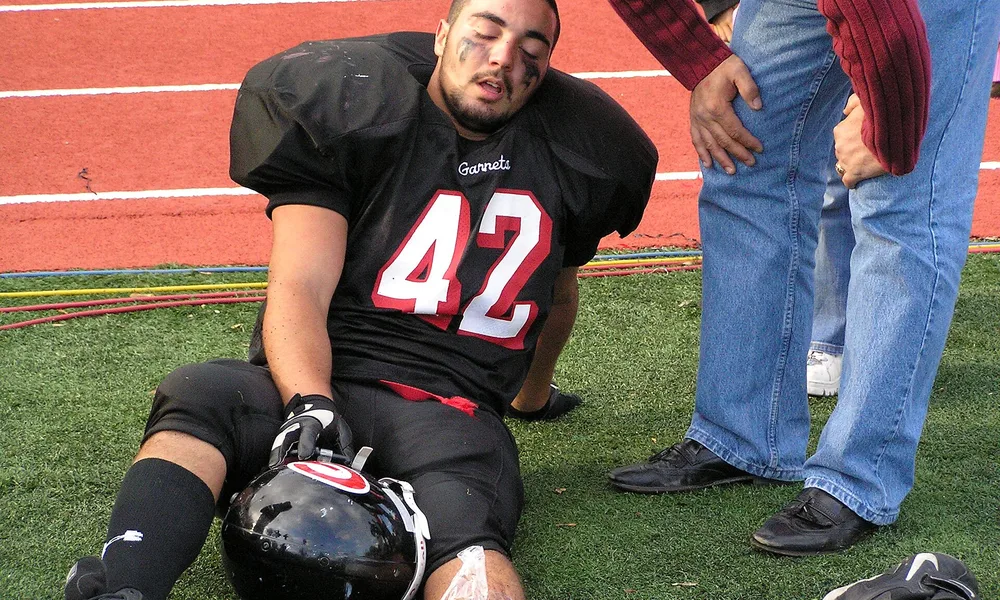
3. The fixture-list clearer: clearance by calendar
The fixture-list clearer is the most dangerous type on this list, because the harm is not a wasted appointment but a second injury. This doctor asks about the match before asking about the pain, and clearance follows the calendar: a big game on Saturday, a trial next week, and somehow the athlete is always just ready enough. Then the weakened joint takes a full load at full speed, and the injury that needed three more weeks becomes one that needs three more months, or surgery. A good doctor clears on a clear test: can the joint work at full intensity without pain or loss of control, on two separate days?
4. The injection-first doctor: the needle as a plan
The injection-first doctor offers the needle before offering an explanation. You walk in with a sore shoulder and walk out with an injection booked, having learned almost nothing about what is wrong with it. Injections can help some injuries, used carefully, at the right time, for the right problem, after other options have been discussed. The injection-first doctor uses them as a default, because an injection feels like action, and a few pain-free weeks feel like success even when the underlying problem is untouched. Pain relief is not healing, and a doctor who confuses the two is selling comfort by the syringe.
5. The jargon fogger: the doctor who explains nothing
The jargon fogger fills the room with words and leaves you knowing less than when you walked in. The diagnosis arrives as Latin and abbreviations, the treatment as brand names, and the timeline as a shrug. The athlete leaves unable to explain the injury to a coach, a parent or a physio, so nobody else can help properly either, and the athlete cannot make a real choice about treatment because the choice was never explained. Try explaining your injury to someone else in three sentences after the appointment. If you cannot, the doctor failed at half the job, however impressive the vocabulary sounded.
6. The no-notes doctor: progress that cannot be measured
The no-notes doctor treats every visit as if it were the first. There are no measurements, no strength scores, no range-of-motion numbers, no written plan and no record of what was tried last time. Without numbers, nobody can tell whether you are improving, stalling or getting worse, and small changes, the kind that matter most in recovery, go unnoticed until they become big setbacks. The athlete cannot compare last month with this month, the physio cannot see what the doctor found, and the next doctor in the chain starts from zero. Good sports medicine is a process of measuring, testing and adjusting, and the written record is what makes that possible. Ask for your numbers and your plan in writing, and take the answer seriously.

7. The one-clinic wonder: every injury, one answer
The one-clinic wonder has a favourite treatment, and every injury you bring in turns out to need it. A sore knee, a stiff shoulder, a painful ankle, a bad back: different problems, same answer, same machine, same course of sessions, same price. The clinic may be excellent at that one treatment, and for the right injury it may be exactly what you need, but a doctor who only has one tool treats every problem like the thing that tool fixes. The athlete pays for weeks of a treatment never matched to the injury, while the real problem waits. If the answer to every injury is the same, you are being fitted to the clinic’s business model.
What to avoid when choosing a sports doctor
The most common mistake is choosing a sports doctor by the glossiest website, the most famous clients or the shortest waiting time. None of those things predicts a good examination. Avoid the clinic that promises a quick fix, the doctor who guarantees a return date before examining you, and any doctor who will not put the plan in writing, discourages a second opinion, or treats questions as a challenge. The worst sports movies are full of miracle recoveries, but real medicine is slower and far more careful than that, which is why the careful doctors are the ones to trust.
Checklist: spotting a bad sports doctor early
- Check the first appointment includes a real hands-on examination, a history and movement tests.
- Ask what the scan or test is expected to change, and walk away if the doctor cannot say.
- Refuse any clearance timed to a match rather than to healing.
- Ask what the injection is for, how long it should last and what happens after it wears off.
- Insist on the diagnosis and the plan in plain words and in writing.
- Get a second opinion whenever the diagnosis is vague or the return date sounds too good to be true.
Frequently asked questions
How long should a first sports doctor appointment take?
Long enough for a proper history, a hands-on examination and time for your questions, which usually means well beyond a few minutes. A visit that ends almost as soon as it begins has almost certainly skipped something important.
Do I always need a scan for a sports injury?
No. Many injuries can be diagnosed well by examination alone, and a scan is most useful when it will change the decision about treatment. A doctor who orders scans before examining you is working backwards, and the findings may mislead as easily as they help.
Can a sports doctor clear me to play if it still hurts?
Pain is information, not a detail to be taped over. A careful doctor will want to know why it hurts, whether the joint can handle full load safely, and what the risk of a worse injury is. Clearance based on the fixture list rather than on healing is one of the clearest signs of a bad sports doctor.
Are injections bad for sports injuries?
Not always, but they are a tool with a specific job, not a cure on their own. A good doctor explains what the injection should do, how long it should last, what the risks are and what happens afterwards. A doctor who offers one at the first visit, for almost any injury, is skipping the hard part of the job.
What should I do if my doctor will not explain my injury?
Ask directly for a plain-words explanation and a written summary, and if that does not help, get a second opinion. Our guide to the worst medical dramas of 2026 is entertainment, not medicine, but television doctors explain everything in seconds, and real doctors should at least try.
When should I get a second opinion?
Whenever the diagnosis is vague, the treatment is the same for every injury, the return date sounds too good to be true, or you simply leave the room confused. A second opinion is normal, careful practice, and a good doctor will welcome it rather than treating it as a challenge.
Bottom line
The worst sports doctors of 2026 fail in the same quiet ways: they examine too little, scan too early, clear too soon, inject too quickly and explain too poorly. The best defence is simple: expect a real examination, a plain-words explanation, a written plan with numbers, and a clearance decision based on healing rather than on the fixture list. Any doctor who cannot offer those four things is not the doctor for your injury, however smart the clinic looks.


