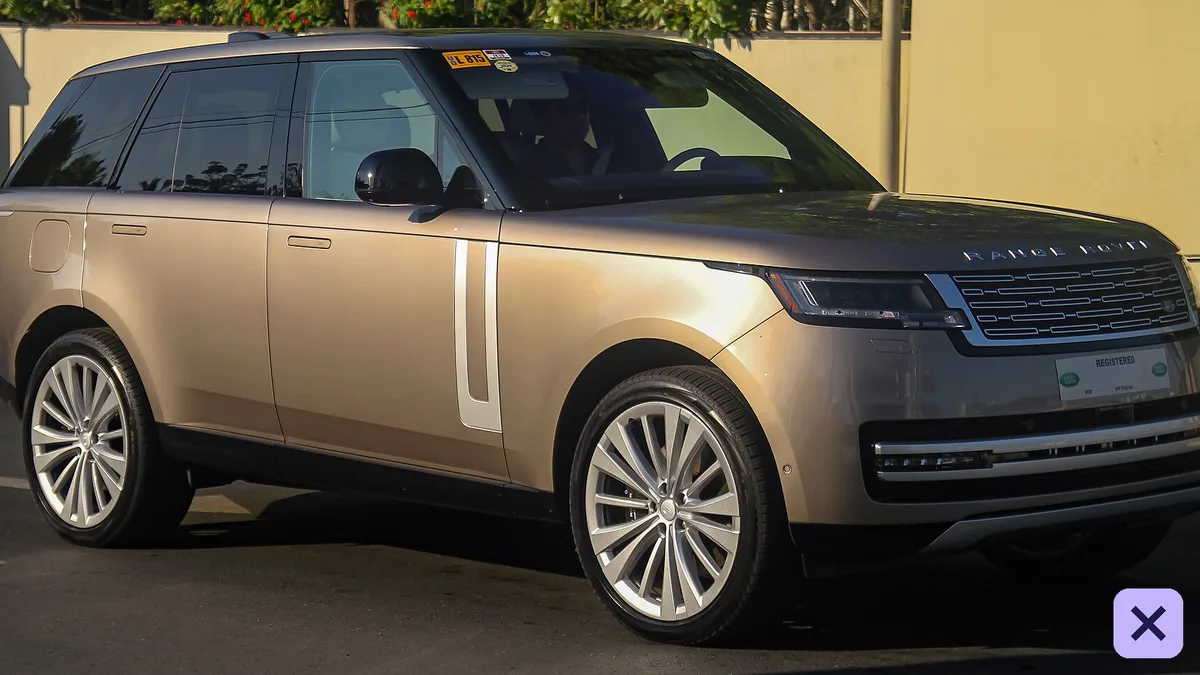
Not every supercar is a good buy, even when it is fast, beautiful, and famous. In 2026 some supercars lose a huge share of their value in three years, some cost a fortune to keep running, and some are so impractical that they spend more time parked than driven. A car can be brilliant on a racetrack and still be a bad purchase. The worst supercars of 2026 are not slow or badly built. They are the cars where the ownership maths does not work: steep depreciation, expensive servicing, poor dealer support, or a newer replacement that makes the old car look dated overnight.
This guide names the supercars to think twice about in 2026, and explains why, using published depreciation studies, pricing guides, and real ownership costs. If you are still deciding whether a supercar is right for you at all, our guide to the best sports cars of 2026 shows how much performance you can get for far less money.
Key takeaways
- McLaren is the fastest-depreciating major supercar brand, according to multiple published studies, with models like the 720S losing about 23% of their value in three years.
- The Maserati MC20 is flagged as a major depreciation risk, with some Maserati models losing up to 72% of their value in three years.
- The Lamborghini Huracan is now the outgoing model, replaced by the 907-horsepower Temerario, so a new Huracan in 2026 is a poor buy.
- Complex hybrid supercars cost more to service and repair, and only main dealers can do much of the work.
- Buying a two- or three-year-old supercar often saves more money than any discount a dealer will offer on a new one.
How we judged the worst supercars of 2026
We judged these cars on five things. Second, running costs: servicing, tyres, insurance, and repairs. Third, reliability and dealer support: how often things go wrong and how easy they are to fix. Fourth, replacement risk: whether a newer model has arrived or is about to, making the current car look dated. Fifth, usability: ground clearance, visibility, luggage space, and comfort. A car scores badly here when it fails on money or ownership, even if it is fast.
1. Maserati MC20
The Maserati MC20 is the worst supercar buy of 2026 for most people, and the reason is money, not speed. Its 3.0-litre twin-turbo V6 makes 621 horsepower, it reaches 60 mph in about 2.9 seconds, and it tops 202 mph. On paper it is a genuine supercar, and its butterfly doors look superb. In practice it is flagged as a major depreciation risk. Market analysis in 2026 put some Maserati models at losses of up to 72% of their value in just three years, and the MC20 sits in that danger zone.
2. McLaren 720S
The McLaren 720S is a superb driver’s car and a poor financial decision as a new purchase. Its 4.0-litre twin-turbo V8 makes 710 horsepower, and it is lighter and sharper than most rivals. But Hagerty’s study of modern European supercars found the 720S lost about 23% of its value in three years, and later analysis named McLaren the worst-depreciating of the major exotic brands. The 720S has now been replaced in the range by the 750S, which makes the 720S harder to sell on.
3. McLaren Artura
The McLaren Artura is the cheapest way into a new McLaren, at roughly $238,000, and that low price hides the real cost. Its 3.0-litre twin-turbo V6 hybrid makes 671 horsepower, reaching 60 mph in about 3.0 seconds and a top speed of 205 mph. The problem is that early Arturas had reliability questions, and the car’s complex hybrid system means repairs are expensive and mostly limited to main dealers. It is also the slowest car in its class to 60 mph by a few tenths, and it shares the McLaren depreciation problem: the brand’s cars fall in value faster than Ferraris, Lamborghinis, and Porsches. Buyers should check the full service history, look for warranty cover, and compare the price with a used 720S or 750S before signing.

4. Lamborghini Huracan
The Lamborghini Huracan is the definition of automotive theatre, but in 2026 it is the wrong Lamborghini to buy new. It is the outgoing model, replaced by the Temerario, which uses a 4.0-litre twin-turbo V8 hybrid making 907 horsepower and revving to 10,000 rpm. The Huracan’s naturally aspirated V10 sounds wonderful, and it will be missed, but a new Huracan in 2026 is a car whose replacement is already on sale, which is the worst time to buy.
5. Ferrari SF90 Stradale
The Ferrari SF90 Stradale is one of the fastest cars Ferrari has ever built, with a plug-in hybrid system making around 986 horsepower, yet it is one of the worst supercar buys of 2026. The problem is complexity. The SF90 combines a twin-turbo V8 with three electric motors, a battery, and a dense network of electronics, which makes servicing expensive and repairs heavily dependent on main dealers and specialist parts. Market analysis in 2026 also placed the SF90 among the models most exposed to falling values as newer Ferraris arrive, including the 296 range and the 849 Testarossa.
6. Porsche 911 GT3 RS
The Porsche 911 GT3 RS is one of the best driver’s cars on sale, and one of the worst supercars to live with. Its 4.0-litre naturally aspirated flat-six makes 518 horsepower, reaching 60 mph in about 3.0 seconds and a top speed of 184 mph, at a starting price near $245,000. On a track it is superb. On a normal road it is punishing: the ride is firm, the cabin is loud, the front splitter scrapes on driveways and speed bumps, and there is almost no luggage space. Test it on your own roads, over speed bumps, before you buy.
7. Bugatti Chiron
The Bugatti Chiron is the most extreme car on this list, and the worst buy for anyone who is not a collector. A base Chiron costs several million dollars, and market data in 2026 showed base models declining by 5 to 11% from their list price, with many failing to sell at auction, while only the limited Sport, Pur Sport, and Super Sport versions held or gained value. Servicing is famously expensive, with annual maintenance reported at more than $50,000, and major work is limited to the maker’s own flying technicians. The Chiron is also enormously wide and heavy, and its quad-turbo W16 is hugely complex.

The worst supercars of 2026 at a glance
| Model | Main problem | Power | Starting price |
|---|---|---|---|
| Maserati MC20 | Depreciation up to 72% in 3 years | 621 hp | ~$217,000 |
| McLaren 720S | About 23% lost in 3 years | 710 hp | Used only |
| McLaren Artura | Early reliability questions, residuals | 671 hp | ~$238,000 |
| Lamborghini Huracan | Outgoing model, replaced by Temerario | 630 hp | Outgoing |
| Ferrari SF90 Stradale | Complexity, servicing, falling values | 986 hp | ~$500,000+ |
| Porsche 911 GT3 RS | Unusable as a daily driver | 518 hp | ~$245,000 |
| Bugatti Chiron | Base values falling, $50,000+ servicing | 1,479 hp | Several million |
Depreciation figures come from published studies and market analysis, and they vary by car, mileage, and condition. The Huracan figure is for the outgoing V10 model, and the Chiron figures cover base models, not limited editions. Always check the price and history of the exact car you are buying.
What to buy instead
The good news is that the best supercars of 2026 are genuinely excellent, and the money saved by avoiding the cars above buys a better one. The Ferrari 296 GTB, with 819 horsepower and a starting price near $342,000, delivers most of the pace of the SF90 for about a third of the price, with lower running costs and a far better ownership story. The Porsche 911 Turbo S, at $270,300 with 701 horsepower and 0 to 60 mph in 2.4 seconds, is the fastest car here in everyday conditions and the easiest to live with, thanks to all-wheel drive and rear seats. The Lamborghini Revuelto, with 1,001 horsepower from its V12 hybrid, is the most dramatic car of the year, and its flagship status should protect its value better than the outgoing Huracan. If your budget is tighter, a used McLaren 720S or a used Huracan, bought after the steepest depreciation, gives you nearly all of the thrill for far less money. The rule is simple: buy the car that holds its value, costs less to run, and still makes you smile, and let someone else pay for the first owner’s depreciation.
Traps to avoid when buying a supercar
The biggest trap is buying new when used saves more. A two- or three-year-old supercar has usually taken its steepest fall in value while still being recent enough to be desirable when you sell it. The third trap is buying the outgoing model at full price, as with the Huracan in 2026. The fourth is choosing a car with thin dealer support near your home, which turns a small fault into weeks off the road. Two wheels can be a cheaper way to get the same thrill, and our comparison of the best versus worst motorcycles of 2026 is a useful reality check, while the best sport motorcycles of 2026 shows how much pace a fraction of the price buys.

Supercar buying checklist
- Look at three-year-old examples of the model to see what it really loses before you buy new.
- Get the cost of the next two services and a full insurance quote in writing before agreeing a price.
- Check the full service history and warranty cover, especially for hybrid models and early Arturas.
- Test the car on your driveway, speed bumps, and car park ramps, not only on a dealer route.
- Check whether a replacement model is on sale or due, and what that does to residuals.
- Confirm dealer support near your home and typical parts waiting times before signing.
Frequently asked questions
What is the worst supercar to buy in 2026?
The Maserati MC20 is the worst new buy for most people, because of its depreciation risk, with some Maserati models losing up to 72% of their value in three years, and an interior that shares parts with far cheaper cars.
Which supercar brand depreciates fastest?
McLaren. Multiple published studies name it the worst-depreciating major exotic brand, with the 720S losing about 23% in three years, because of reliability reputation, running costs, and fast model turnover.
Is a used supercar a better buy than a new one?
Usually yes. A two- or three-year-old car has taken its steepest fall in value, so you pay far less for almost the same car, provided the service history is complete and a pre-purchase inspection is clean.
Should I buy a Lamborghini Huracan in 2026?
Not new. The Temerario has replaced it with 907 horsepower and a 10,000 rpm redline, so a new Huracan is an outgoing model at full price. A used Huracan at the right price is a different, better proposition.
Are hybrid supercars expensive to run?
Yes, more than simpler cars. Hybrid systems add complexity, servicing is dearer, and most repairs need a main dealer, so warranty cover and a full service history matter more than ever.
Can a GT3 RS be a daily driver?
It can, but it is a poor one. The ride is firm, the cabin is loud, ground clearance is low, and luggage space is minimal. The 911 Turbo S is a far better daily supercar for similar money.
Bottom line
The worst supercars of 2026 are rarely bad cars. They are bad buys at full price: the MC20 for depreciation, the McLarens for residuals and running costs, the Huracan because its replacement is already here, the SF90 and Chiron for complexity and cost, and the GT3 RS because it is miserable as a daily driver. Buy the right car used, after the steepest fall, or buy a rival that holds its value, and you keep the thrill without the regret.