The worst used cars to buy without a check are not always the oldest or cheapest cars on the lot. They are the cars that look ready to drive away today and hide damage that only shows up weeks later, when the repair bill arrives and the seller has stopped answering the phone.
Buying a used car without an inspection is a gamble where the buyer carries almost all of the risk. The seller knows the car, its noises and its history. The buyer knows what they can see in twenty minutes on a dry afternoon. That gap hides expensive surprises: a gearbox that slips only when hot, or a chassis straightened after a crash.
This guide names the worst used cars to buy without a check, explains the warning signs that should make you walk away, and shows what a proper inspection covers. Follow it and you can still buy a good used car at a fair price.
Key takeaways
- Never buy a used car without an independent pre-purchase inspection, even if the seller offers their own report.
- Flood-damaged, badly repaired, salvage-title and heavily modified cars carry the highest hidden costs.
- A clean-looking car can hide gearbox, engine, rust and electrical faults that only a lift and a diagnostic scan will find.
- Check the title, the service history and the vehicle identification number before you pay anything.
- If the seller rushes you, refuses an inspection or will not let you test drive properly, walk away.

Why Skipping a Check Is the Costliest Shortcut
A pre-purchase inspection usually costs a fraction of a single major repair. A new gearbox, a rebuilt engine or a full set of suspension parts can each cost many times more than the inspection fee, yet that maths is easy to forget when the seller says another buyer is coming this evening.
Pressure is part of the problem. Sellers know a buyer who has fallen in love with a car stops asking hard questions. They offer a short test drive around quiet streets and keep the engine warm before you arrive, so a cold-start problem never shows. None of this proves the car is bad, but it proves you have not seen enough of it to judge.
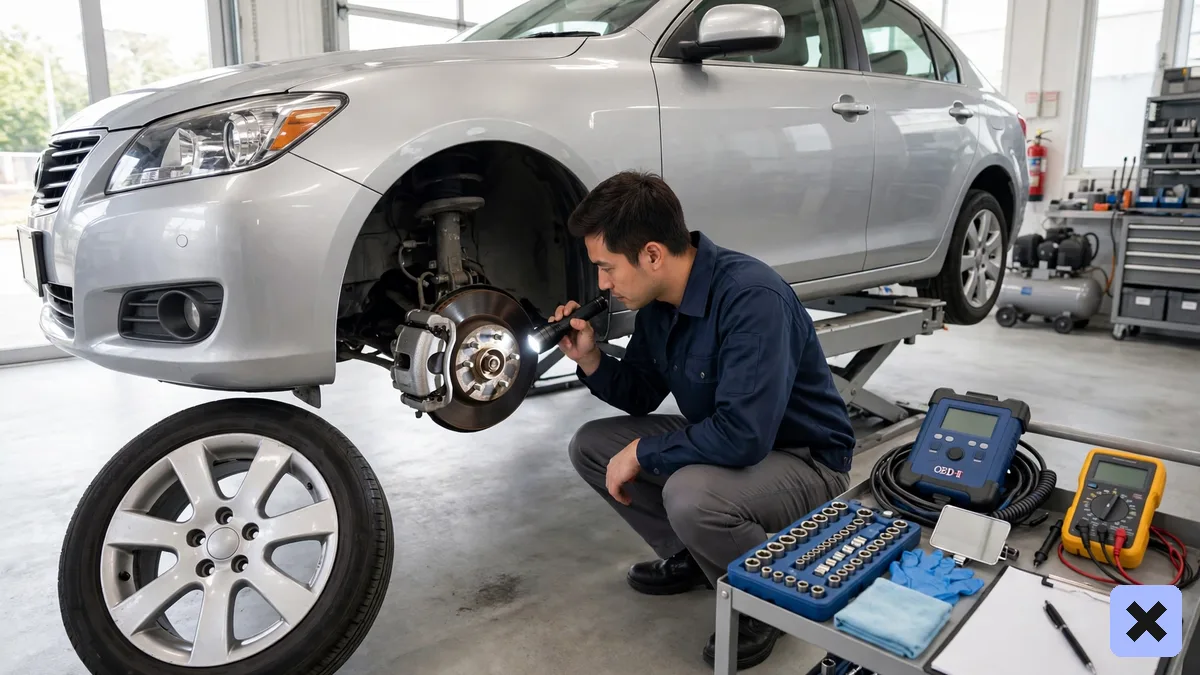
An independent check changes that balance. A mechanic with no stake in the sale will put the car on a lift, look underneath, scan the electronics and drive it properly, and tell you which faults are normal wear and which are reasons to walk away.
The Worst Used Cars to Buy Without a Check
Some used cars are riskier than others when bought blind. The categories below are not a ban list, and each one can contain a good car. They are the cars where an inspection moves from sensible to essential, because the cost of being wrong is high and the signs of trouble are easy to hide.
Flood-Damaged Cars
A car that has been through flood water can look and drive normally for weeks, then develop electrical faults that never fully go away. Water reaches wiring, connectors and control modules, and corrosion continues long after the carpets have dried. Sellers sometimes replace the carpets and clear the fault codes, leaving a car that passes a quick look and fails a proper scan. Check under the carpets for silt, rust or a damp smell.
Cars With Badly Repaired Accident Damage
A well-repaired car can be a good buy. A badly repaired one is one of the worst used cars to buy without a check, because the damage is structural even when the paint looks perfect. Look for uneven panel gaps, mismatched paint, overspray on seals and bumpers at different heights. Underneath, a mechanic will check whether the chassis is straight and the airbag system is complete.
High-Mileage Luxury Cars
A luxury car with high mileage can feel like a shortcut to comfort: leather seats, a quiet cabin and a badge that cost three times as much when new. The running costs, however, do not fall with the price. Air suspension, complex electronics and automatic gearboxes all become expensive as they age. Many of the common car-buying mistakes start here, with a buyer who budgets for the purchase price and forgets the maintenance bill that follows.
Ex-Rental and Ex-Fleet Cars
Rental and fleet cars are usually serviced on schedule, which counts in their favour. They are also driven by many different people, often hard and often fully loaded. High mileage is normal here, but so is wear on the clutch, brakes, tyres and suspension that a quick drive will not reveal. Check the service history and look for worn seat bolsters, scuffed trim and mismatched tyres.
Heavily Modified Cars
A tasteful set of wheels is one thing. Engine tuning, lowered suspension and aftermarket turbochargers are another. Modified cars can be unreliable, hard to insure and difficult to sell on, and the quality of the work varies enormously. A remapped engine may run far more power than its clutch and gearbox were designed for. Ask who did the work and whether it was declared to the insurer.
Salvage-Title and Title-Washed Cars
A salvage title means an insurer once decided the car was not worth repairing, which is a serious statement about its condition at the time. Some salvage cars are repaired well and return to the road safely. Others are patched together cheaply, or moved across regions so the title looks clean again, a practice known as title washing. Always check the title history and compare the vehicle identification number on the paperwork with the plates on the car.
The Warning Signs a Seller Hopes You Miss
Most bad used cars give themselves away if you know where to look. One sign on its own may be innocent. Several together are a pattern, and a pattern is a reason to get a professional opinion before you spend anything.
| Warning sign | What it usually means | What to do |
|---|---|---|
| Engine already warm on arrival | Cold-start faults are being hidden | Insist on a cold start |
| Fresh underseal underneath | Rust or damage may be covered up | Inspect the car on a lift |
| Mismatched tyres, uneven wear | Poor maintenance or suspension faults | Budget for tyres and alignment |
| Warning lights that briefly appear | Fault codes may have been cleared | Run a diagnostic scan first |
| Milky oil cap, white smoke | Coolant leaking into the engine | Walk away unless a mechanic proves otherwise |
| Seller refuses an inspection | They may know something is wrong | Walk away and find another car |
Pay attention to the paperwork as well as the metal. A missing service book, a gap in the history, or a seller who has owned the car for only a few weeks are all worth a question.
What a Proper Pre-Purchase Check Actually Covers
A proper check is not a quick glance and a thumbs-up. It is a structured inspection by someone who knows the model and its common faults.
Underneath the Car
With the car on a lift, a mechanic can see rust on the floor, sills and subframes, leaking oil or coolant, damaged suspension bushes, worn brakes and exhaust faults. These are the problems a buyer on a driveway will never see, and they are among the most expensive to fix.
The Engine and Gearbox
A cold start is the most revealing moment in any used-car inspection. Listen for rattles, watch for smoke and feel for vibration before the engine warms up. The mechanic will check the oil and coolant, look for leaks and test the gearbox through every gear for slipping, harsh changes or delayed engagement.
Electronics and Safety Systems
Modern cars rely on electronics for almost everything, from engine management to braking and airbags. A diagnostic scan reads the fault codes the dashboard may not show, including codes cleared recently. This is also where feature overload becomes a real cost: a car packed with gadgets has more systems to fail, and a failed sensor or screen can be surprisingly expensive to replace.
The Six-Step Check You Should Never Skip
Use this checklist on every used car you seriously consider. It does not replace a professional inspection, but it will help you rule out the worst cars before you pay for one.
- Check the paperwork first. Match the vehicle identification number to the documents, confirm the title is clean, and read the service history before you drive.
- Inspect the car cold. Ask the seller not to warm the engine, then watch and listen to a genuine cold start.
- Look underneath. Check for rust, leaks and damage to the sills, floor and suspension, ideally on a lift.
- Drive it properly. Take a route with town traffic and a faster road, and test the brakes, steering, gearbox and clutch.
- Scan the electronics. Run a diagnostic scan and test every feature, from the air conditioning to the parking sensors.
- Get an independent inspection. If the car passes your own checks, pay a mechanic who works for you to confirm it before you pay.
If a seller will not allow one of these steps, ask why. A reasonable seller with a good car will usually agree, and a seller who refuses is giving you information too.
How Much a Skipped Check Really Costs
The cost of skipping a check is not the inspection fee you saved. It is the repair you did not see coming, plus the time and stress while the car sits in a workshop. A gearbox rebuild, an engine repair or a full suspension replacement can each run into thousands.
There is also the resale cost. A car with a hidden fault is a car you will one day have to sell, and the next buyer will either find the fault or pay less. The sports car reality applies far beyond sports cars: the true cost of a car is the purchase price plus everything it needs afterwards.
Frequently Asked Questions
Should I get a pre-purchase inspection on a cheap used car?
Yes, especially on a cheap car, because a single major fault can cost more than the car is worth. If the seller refuses one, that is a stronger warning on a cheap car than on an expensive one.
Can a seller’s own inspection report replace an independent check?
No. A seller’s report may be honest, but it was commissioned by someone with an interest in selling the car. An independent mechanic works for you and has no reason to hide a fault.
How long does a pre-purchase inspection take?
Most thorough inspections take between one and two hours, including a lift inspection, a diagnostic scan and a road test. Ten minutes and a quick drive around the block is a viewing, not an inspection.
What should I do if the inspection finds a fault?
Ask the mechanic whether it is normal wear, a negotiable repair or a reason to walk away. Minor wear can be used to agree a lower price. Structural damage and serious engine or gearbox faults usually mean finding another car.
Is a high-mileage car always a bad buy?
No. A high-mileage car with a full service history, a careful owner and a clean inspection can be a better buy than a low-mileage car that was neglected. Maintenance history and current condition matter more than mileage alone.
What documents should I check before buying a used car?
Check the title, the service history, any past repair records and an independent history report. Make sure the vehicle identification number matches on the car and the paperwork, and confirm there is no outstanding finance or theft record.
The Bottom Line
The worst used cars to buy without a check reward a quick decision and punish a careful one: flood-damaged, badly repaired, tired luxury, hard-driven fleet, heavily modified and title-washed cars. None announce themselves in a twenty-minute viewing. All can be found by a proper inspection, a cold start, a look underneath and a diagnostic scan. Pay for the check, take your time, and be ready to walk away.