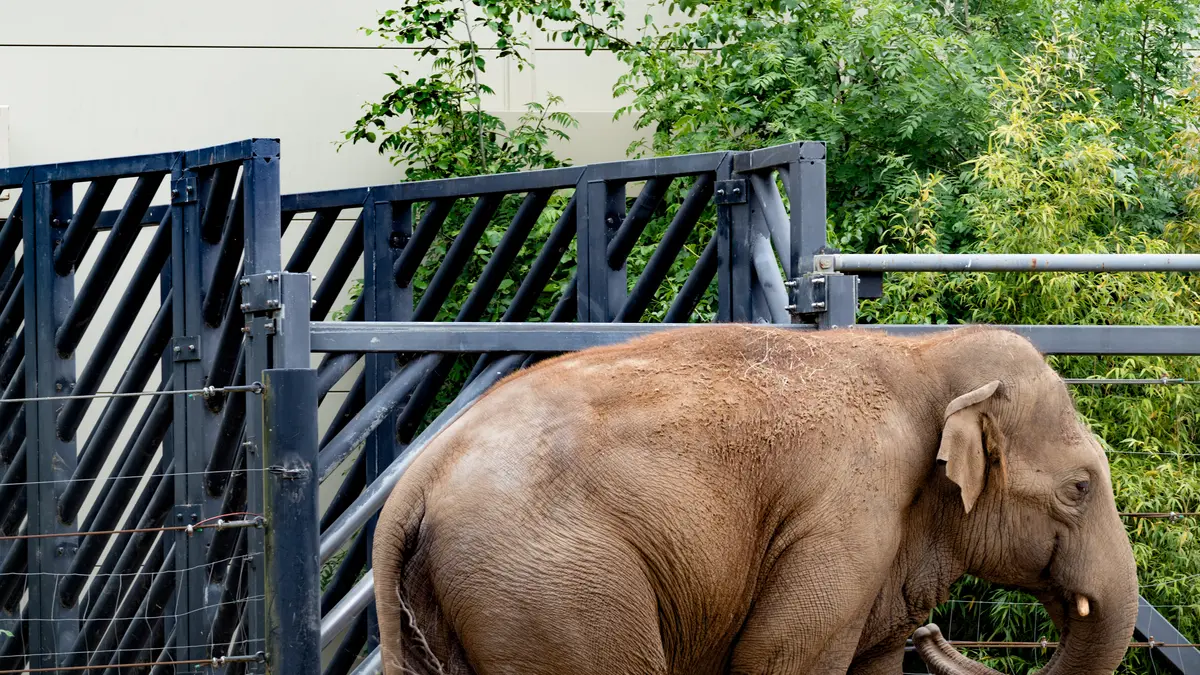
Inside the Worst Zoos of 2026: Seven Visit Types to Skip
The worst zoos of 2026 are not the ones with the fewest animals or the plainest enclosures. A small, quiet zoo with clean enclosures and healthy animals can carry a wonderful day, and a famous wildlife park can still ruin one. The worst zoos fail more simply: the enclosures are bare concrete, the animals pace the same short path all day, the crowds leave no room to see anything, or the ticket charges you for everything and gives you very little back. This guide ranks the worst types of zoo visit you will meet in 2026, so you can spot a bad one before you pay.
Key takeaways
- A zoo is judged by its enclosures, its space and its animals, not by how it looks in a filtered photograph.
- Bare concrete and pacing animals are the faults that matter most: a stressed animal in a small cage does not improve with a better gift shop.
- Crowds change everything: a good enclosure at opening time can be unbearable by noon, when nobody can reach the fence.
- Price is part of the visit: a steep ticket, paid extras and a short route will sour even a decent enclosure.
- Check the enclosure sizes, the animal behaviour, the visit length and the total cost before you go.
How the worst zoos of 2026 were chosen
Every type below was scored on five measures. Enclosure quality comes first: is there space, cover, grass or rock, and somewhere for the animal to hide, or is it bare concrete and bars? Animal behaviour is second, judged on whether the animals move, rest, feed and play naturally, or pace and repeat the same short route all day. Viewing is third, because a zoo where you cannot reach the fence or read the signs is a different place from the same enclosures at dawn. Value is fourth: the real cost once the ticket, the extras and the food are added, against the length of the visit. Learning is fifth, measured by whether the signs, talks and keepers teach you anything real, or whether the whole place is built for photographs.
Two notes before the list. First, this guide names no single zoo as the worst, because the same bad patterns appear in many places. The same logic applies to other animal attractions, as our guide to the worst wildlife shows shows. Second, a good zoo and a bad one can hold the same species. The difference is the space, the cover and the care around them, which is exactly what our guide to the worst museums rewards in reverse: the best attractions put the visit first, and the worst put the ticket first.
Comparison table: the worst zoos of 2026
| Rank | Zoo type | Main fault | Warning sign |
|---|---|---|---|
| 1 | The Concrete Cage | Bare concrete, bars, no cover | More fence than grass in every enclosure |
| 2 | The Pacing Big Cat | A small pen, an animal walking one line | The same worn path, all day long |
| 3 | The Empty Enclosure | Animals hidden or indoors all day | Sign after sign, no animal in sight |
| 4 | The Petting-Zoo Free-for-All | Crowded pens, chasing children, no staff | No keeper in sight, food sold by the bag |
| 5 | The All-Gift-Shop Zoo | Rides and shops instead of animals | More rides than enclosures on the map |
| 6 | The Feeding-Time Crush | One show, every visitor, no room to see | A crowd three deep before the keeper arrives |
| 7 | The Ticket Trap Zoo | High prices, paid extras, a short route | The best animals cost extra to see |
The worst zoos of 2026
1. The Concrete Cage: bars, concrete and nowhere to hide
The Concrete Cage is the worst zoo visit of 2026, because it fails at the one thing a zoo exists to do: give animals a decent place to live that you can actually enjoy watching. The enclosure is a concrete yard with a fence, a water trough and a single log. There is no grass, no shade, no rock to climb and no corner to retreat to, and the animal sits in the open because there is nowhere else to sit. A bare enclosure is not old-fashioned charm; it is a sign that the money went somewhere else.
2. The Pacing Big Cat: one animal, one worn line
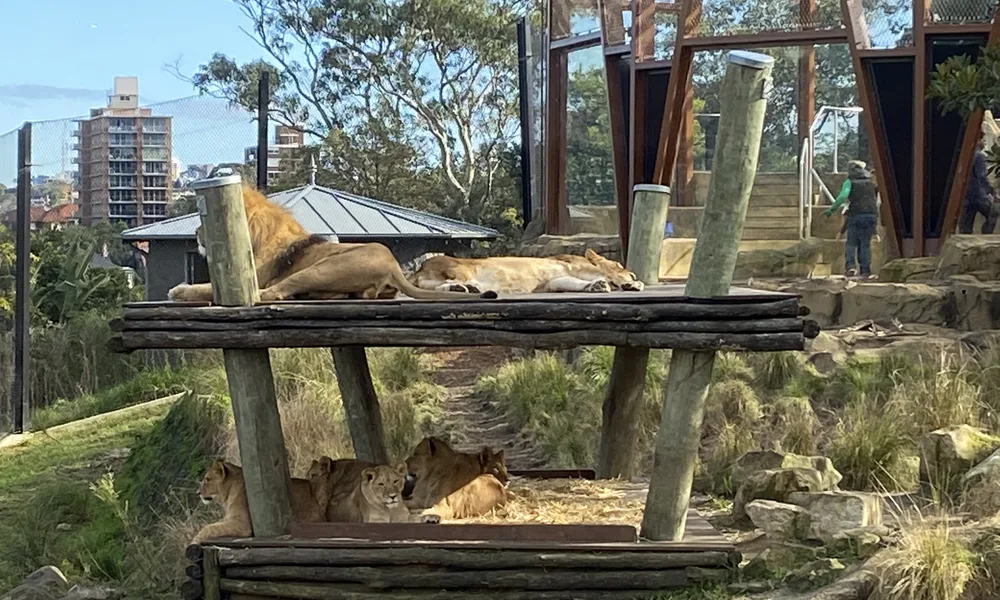
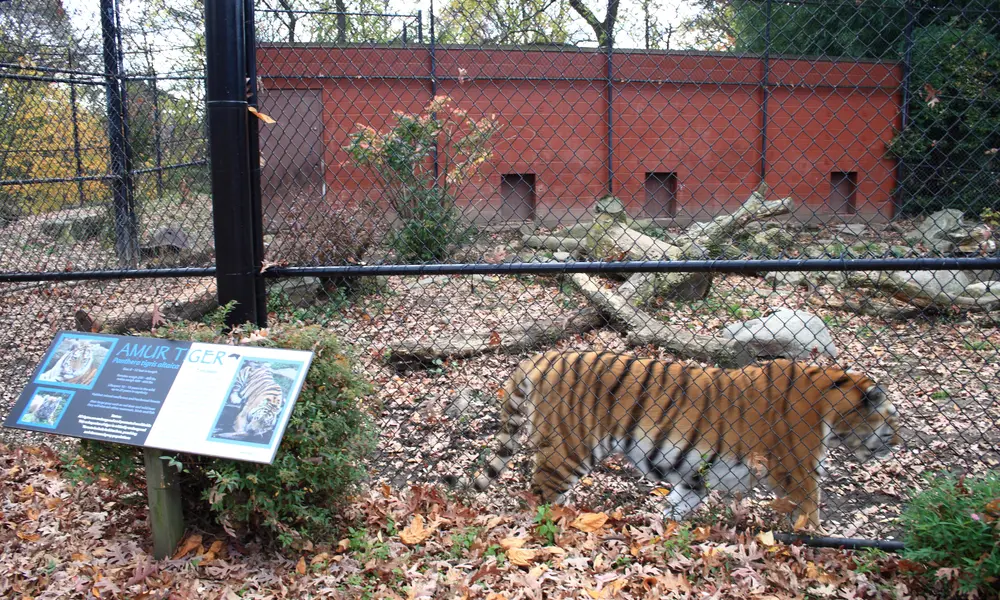
Every zoo wants a big cat, and the bad ones keep it in the smallest pen the rules allow. The tiger or the lion walks the same short line all day, back and forth along the fence, turning at the same two worn patches of ground. Children watch for a minute, then ask why the tiger keeps walking, and there is no good answer. The animal is not exercising; it is coping, and the pen is the reason. If you see the worn path before you see the animal, spend your time at the open enclosures instead.
3. The Empty Enclosure: signs everywhere, animals nowhere
The Empty Enclosure is the zoo where the animals are always somewhere else. You follow the map to the wolves, and the sign says they are indoors. You walk to the bears, and the enclosure is empty. By midday you have read twenty signs and seen four animals. The difference is the balance: a good zoo staggers feeding times and keeper talks so that something is always visible. If no feeding times or talks are listed anywhere, the zoo is not planning your visit around the animals.
4. The Petting-Zoo Free-for-All: hands everywhere, nobody watching
A good petting area is a small marvel: a keeper on hand, a handful of calm goats or rabbits, a small group of children learning to be gentle with a living thing. The Petting-Zoo Free-for-All is the opposite. There is no keeper in sight, the pen is crowded three deep, food is sold by the bag at the gate, and children are chasing the animals while the animals crowd into the far corner. A petting pen without a keeper is not an exhibit; it is an unsupervised play session, and the animals pay for it. If you find a scrum with no staff, walk past and watch the big enclosures instead.
5. The All-Gift-Shop Zoo: rides and shops instead of animals
The All-Gift-Shop Zoo is the zoo that forgot it was a zoo. The map shows a train, a carousel, a play park, three cafes and four gift shops, and the animals are squeezed between them. The enclosures are small and tired, the signs are faded, and the loudest thing in the place is the music from the ride area. There is nothing wrong with a playground or a cafe in a zoo. The difference is the order: animals first, extras second. If the rides take up more space on the map than the enclosures, you are in a theme park that happens to keep animals.

6. The Feeding-Time Crush: one show, every visitor, no room
The Feeding-Time Crush is the zoo that puts all of its effort into one event and none into the space around it. The penguin feeding, the seal show or the big-cat dinner is advertised all morning, every visitor is funnelled to the same small viewing area, and by the time the keeper arrives the crowd is three deep, children are on shoulders, and nobody at the back can see anything at all. If there is a single headline feeding and nothing else all day, go an hour before it and skip the crush entirely.
7. The Ticket Trap Zoo: a short visit at a long price
The Ticket Trap Zoo does not hide its price; it hides its value. The headline ticket is steep, the family ticket barely helps, and once you are inside, the best animals carry their own charges: the giraffe feeding is an upgrade, the train is an upgrade, the behind-the-scenes tour is an upgrade, and the photograph they take of you at the door costs extra at the exit. The route itself is short: you can walk the whole zoo in an hour, and then the gift shop and the cafe are the only places left. If most visitors are done in just over an hour, the ticket is charging for a day out and delivering a walk-through.
What to avoid when visiting a zoo in 2026
The most common zoo regret is not a bad enclosure but a wrong expectation: a midday visit to a famous zoo on a school holiday, a full-price ticket for a one-hour route, or a petting pen with no keeper in sight. Avoid the trap by checking four things before you pay: the enclosure sizes in recent visitor photographs, not the zoo’s own gallery; the real visit length in recent reviews; whether the headline ticket covers the talks, the feeding shows and the train, or whether they cost extra; and the quietest time to go, which is almost always the first hour after opening on a weekday. The same checks work for any day out, and our guide to the worst islands makes the same point about photographs and real costs.
Checklist: visiting a zoo in 2026
- Look at recent visitor photographs of the enclosures, not the zoo’s own gallery, before you book.
- Go in the first hour after opening on a weekday, when the animals are most active and the fences are quiet.
- Check that the ticket covers the talks, the feeding shows and the train, or budget for the extras.
- Count the keepers at the petting pens, and walk past any pen with no staff watching it.
- Read recent reviews for the real visit length, and do not pay a full-day price for a one-hour route.
- Plan a rest point halfway round, and leave before the crowds, the heat and the gift shop wear everyone out.
Frequently asked questions
What is the worst thing about a bad zoo visit?
Bare concrete enclosures and animals that pace the same short path all day.
Are big cats worth seeing in a zoo?
Yes, when the enclosure gives them height, cover, water and room to roam. A lion or a tiger resting on a platform in a proper enclosure is the moment children remember.
How long should a good zoo visit last?
Three to four hours for a proper zoo, including time to watch the big enclosures, catch a talk or a feeding, and sit down halfway round.
Should children use the petting pens?
Yes, when a keeper is watching, the groups are small and the animals can retreat. A petting pen teaches children to be gentle with living things. If there is no keeper in sight and the pen is crowded, walk past it.
When is the best time to visit a zoo?
The first hour after opening on a weekday. The animals are most active, the light is at its best, and you can reach the fence without a crowd. Midday on a school holiday is the worst time in almost every zoo.
How do I know if a zoo looks after its animals?
Look at the enclosures, the space and the behaviour. Varied ground, cover and hiding places, and animals that move, rest and feed naturally are good signs. Bare concrete, pacing and animals that hide all day are not.
Bottom line
The worst zoos of 2026 fail on the simple things: bare concrete, cramped pens, pacing cats, empty enclosures, photo-led extras and tickets that charge for a day out and deliver a walk-through. A good zoo does the opposite, with room for the animals, cover to hide in, space to stand and watch, and a ticket that covers the whole visit. Check the enclosures, check the visit length, and go early. The animals will still be there, and you will actually be able to see them.


