The Worst Islands of 2026: Seven Island Types That Waste Your Holiday
The worst islands of 2026 are not the ones with the ugliest beaches or the dullest views. They are the islands where the trip itself falls apart: the ferry leaves once a day and you miss it, the beach is so crowded you cannot find a square metre of sand, the only food is inside a resort you cannot afford, or the whole place shuts down the moment the day boats leave. This guide ranks the worst types of island, so you can spot the pattern before you book.
Key takeaways
- An island is only as good as its transport: one ferry a day, or a crossing that cancels in bad weather, can strand you or eat half your holiday.
- Crowding is the most common island problem: a small beach and a small town cannot absorb the crowds a big resort coast can.
- Resort-only islands look perfect in photos and offer nothing outside the resort gates, at prices set for people who never leave.
- Water, food and shade fail first on small islands, and all three cost far more than on the mainland.
- Check the ferry timetable, the last boat home and what stays open after the day boats leave before you pay for anything.
How the worst islands were chosen
Every type below was scored on five measures. Getting there comes first: how often the boats run, how often they cancel, and what happens when you miss one. Space is second, judged on whether the beaches, the paths and the town can hold the number of people who actually arrive. Supplies are third, because fresh water, food and shade matter more on an island than anywhere else. Cost is fourth: the real daily spend once the island markup on food, drink and transport is added, not the price of the room. Evenings are the fifth measure, because an island that empties at sunset can feel very different from the place you saw at noon.
Two notes before the list. First, no single island is named as the worst, because the same bad patterns appear in many places. Second, islands punish bad planning more than the mainland does, so the ranking weighs the practical things: the boat, the bed and the bread. Travellers who have dealt with bad crossings before will recognise the same logic in our guides to the worst ferries and the worst seaplanes, where thin timetables and cancelled sailings cause the same kind of damage.

Comparison table: the worst islands of 2026
| Rank | Island type | Worst for | Watch out for |
|---|---|---|---|
| 1 | The one-ferry-a-day island | Anyone on a tight schedule | Weather cancellations, missed connections |
| 2 | The overcrowded party island | Families, light sleepers | Noise until dawn, packed beaches |
| 3 | The resort-only island | Independent travellers | No town, no choice, resort prices |
| 4 | The windswept bare rock | Sun seekers, small children | No shelter, cold wind, rough sea |
| 5 | The island with no supplies | Self-caterers, tight budgets | Empty shelves, high prices, no water |
| 6 | The flat marshy island | Evening walkers, campers | Biting insects, stagnant water, damp |
| 7 | The day-tripper island | Overnight guests | Crowds by day, nothing open at night |
The worst islands of 2026
1. The one-ferry-a-day island: the worst way to start a holiday
Some islands run a single ferry a day, and when that ferry is late, full or cancelled by weather, the whole holiday bends around it. Worse still is the return: one sailing a day means one chance to catch a flight, and a rough morning sea can wipe it out entirely. The island itself may be lovely, but a place you cannot reliably reach or leave is a bad holiday choice, however pretty the photos look. Before you book, read the timetable as a promise, not a suggestion: count the sailings, check what happens on Sundays and in bad weather, and ask what the plan is when the boat does not come.
2. The overcrowded party island: sand you cannot sit on
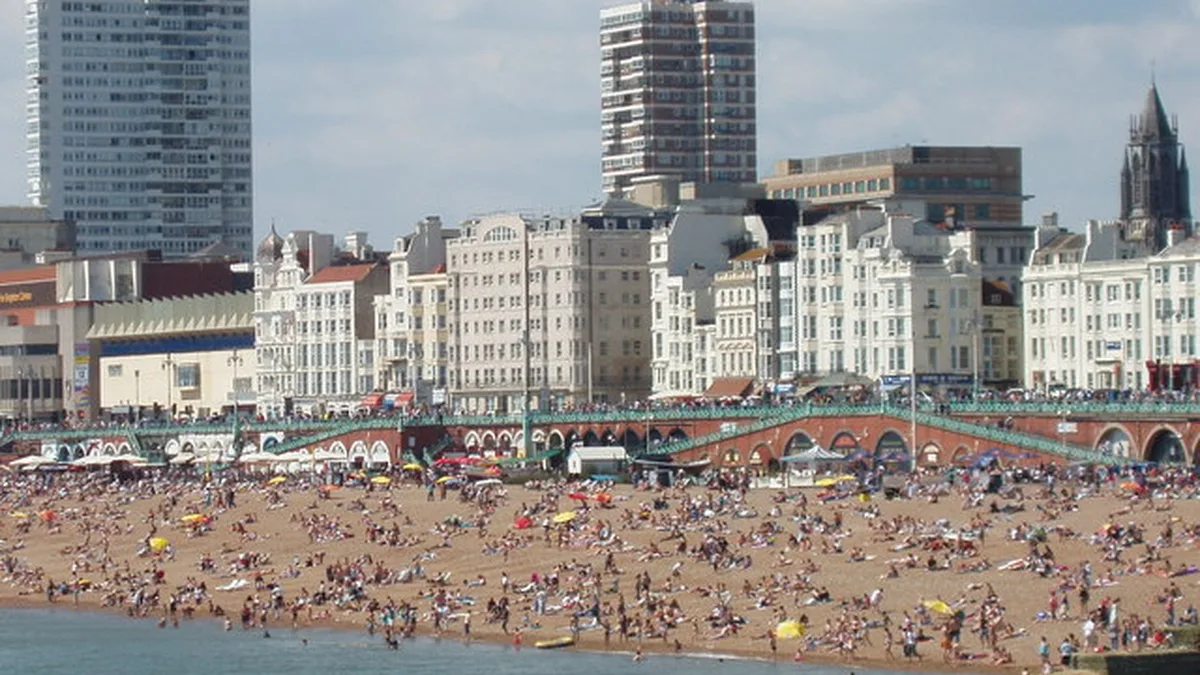
The party island sells itself on energy, and for two nights that energy is real: music, bars, people everywhere, a beach that never sleeps. By the third day the same energy becomes the problem. The beach is so full of umbrellas that you cannot see the sea from your towel, the queue for food runs the length of the promenade, and the music from the bar next door runs until dawn whether you want it or not. If you want a lively night or two, visit for a weekend; if you want a week, pick an island where the night has an ending.
3. The resort-only island: a beautiful cage
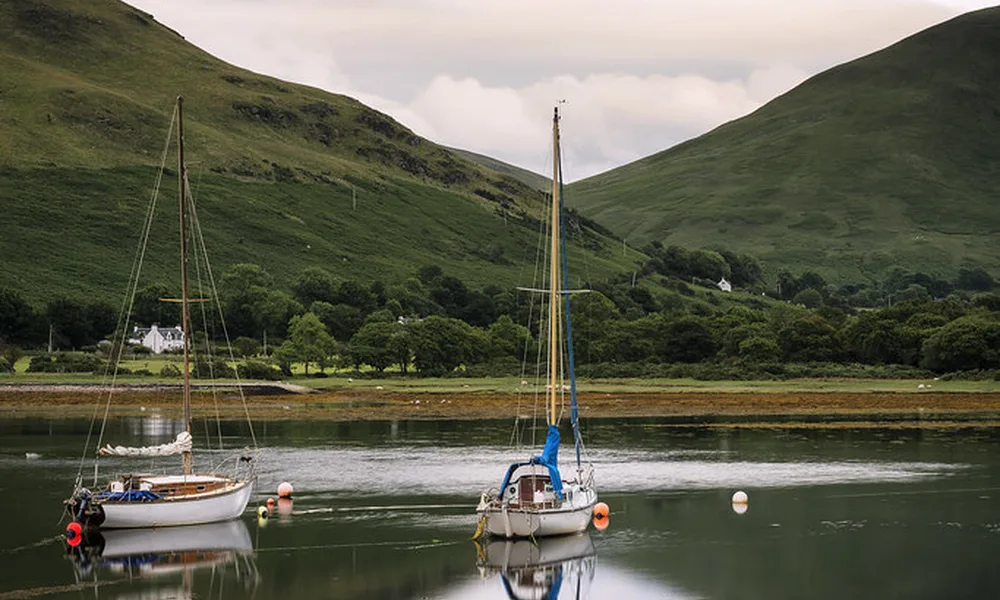
A resort-only island has one owner, one restaurant, one shop and one price list, and that is the whole point of the trap. The beach is clean, the rooms are comfortable and the photos are flawless, because there is nothing else to photograph. But step outside the resort and there is nowhere to step to: no village, no market, no cafe where locals eat, no walk that does not end at a fence. Everything you eat, drink or do is charged at resort prices, and there is no alternative to compare them with. For everyone else, it is the most expensive way to see the least, and the prettiest cage in the holiday market.
4. The windswept bare rock: cold, grey and exposed
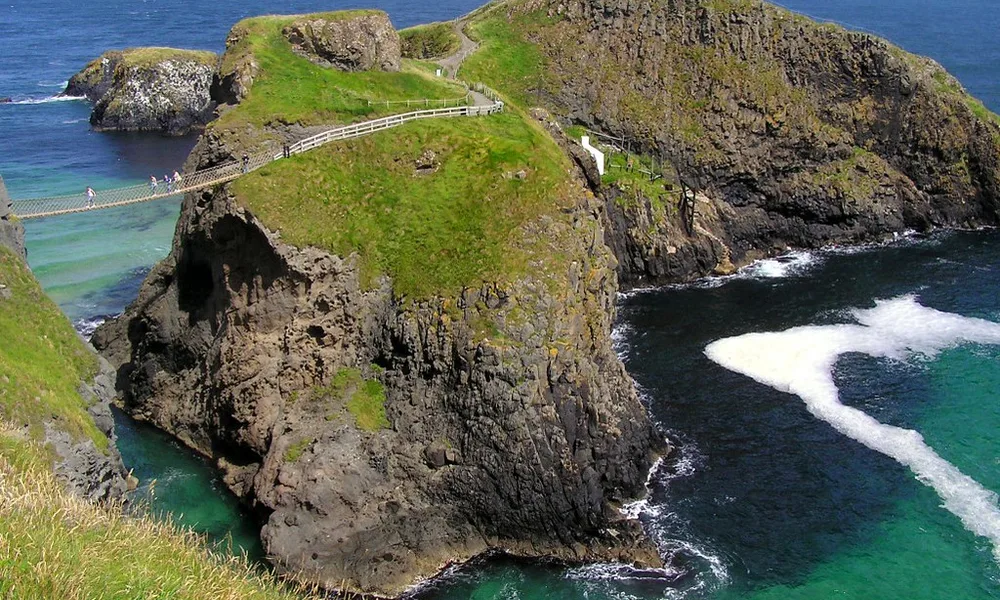
Some islands are little more than rock in the sea, and they look dramatic in a photograph because the photographer visited on the one calm day of the year. The rest of the time the wind never stops, the sea is too rough to swim in, and there is not a tree or a wall to hide behind. Children get bored fast, because there is no sheltered beach, no shallow pool and no woodland to explore, only wind and stone. As a base for a week, though, they are a punishment: the weather is the main attraction, and it is rarely kind.
5. The island with no supplies: empty shelves at island prices
Small islands run out of things. The shop gets one delivery a week, and by the third day the bread is gone, the milk is gone and the fresh vegetables are a memory. What remains costs far more than it does on the mainland, because everything arrived by boat and the shopkeeper knows you have nowhere else to go. Before you book a self-catering stay on a small island, ask how often the shop is stocked, whether there is a bakery, and what a litre of water actually costs. If the answers are vague, take the hint and book somewhere with a real town.
6. The flat marshy island: bitten from dusk onwards
Flat, low islands with marshes and still water breed biting insects in numbers that mainland visitors are not prepared for. The days can be fine: warm sun, flat cycling, easy walking. Then dusk arrives and the air fills with midges and mosquitoes, and the evening you planned outside becomes an evening spent indoors with the windows shut. The pattern is easy to check before you go: look for standing water, marshland and low flat ground in the island description, and read recent visitor comments about evenings rather than days. A beautiful island you cannot enjoy after sunset is only half a holiday.
7. The day-tripper island: crowded at noon, empty at night
The day-tripper island is two places in one, and neither is good for an overnight guest. From ten in the morning the boats arrive in waves, the paths fill, the cafes run out of tables and the viewpoints become queues. Then, at four or five, the boats leave, the shutters come down, and the island goes quiet in a way that feels less peaceful than abandoned. This type is at its best as exactly what it is: a day out from the mainland. Sleep on the mainland, arrive early, leave with the crowds, and you will enjoy it far more than the guests who stayed.
What to avoid when choosing an island
The most common island regret is not a bad island but a wrong match: a party island booked for a family, a one-ferry island booked before a flight, or a resort island booked by travellers who wanted a village. Avoid the trap by checking four things before you pay: the ferry timetable and its cancellation record, the number of beds against the size of the beach, what stays open after the day boats leave, and the real daily cost of food and water. The same checks work for every kind of water travel, as our guide to the worst dinghies shows: the risks are the same wherever the water is the only road. Book the crossing first, the room second, and the restaurants last, and the island will have far fewer surprises left for you.
Checklist: choosing an island that will not ruin the trip
- Count the daily ferries in both directions, and check what happens on Sundays and in bad weather.
- Ask what time the last boat leaves, and what it costs to stay an extra night if you miss it.
- Check whether the island has a real town with shops, or only a resort with one price list.
- Look at the size of the main beach against the number of beds, not just the photos of it.
- Find out what stays open after the day boats leave, especially restaurants and shops.
- Pack repellent and a windproof layer even for a warm island, and budget for island prices on food and water.
Frequently asked questions
What makes an island one of the worst to visit?
Bad transport, crowding, empty shops and high prices, usually together. A single ferry a day or a beach that cannot hold its visitors will spoil a trip faster than bad weather.
Are party islands bad for families?
Usually, yes. The noise runs late, the beaches are packed and the prices are set for short stays. Families do better on islands with quiet evenings, space on the beach and a town where children can walk safely.
How do I know if an island is resort-only?
Look for a single resort name covering the whole island, no village on the map and no independent restaurants or shops listed. If every meal and activity is sold by one operator, it is a resort-only island.
What should I check about ferries before booking an island?
How many sailings run each day, how often they cancel in wind, whether you must book ahead, and what the last sailing time is. One sailing a day is a warning sign, especially if you have a flight to catch.
Do small islands really run out of food and water?
Yes, often. Deliveries may come once a week, and fresh food sells out within days. In dry summers some islands ration tap water, so bottled water becomes a real daily cost.
Is a day-tripper island worth an overnight stay?
Rarely. The crowds arrive by day and everything closes early, so overnight guests pay more for quieter evenings with nothing open. Visit for the day from the mainland instead, and sleep where the restaurants stay open.
Bottom line
The worst islands of 2026 are the ones where the basics fail: the boat does not run, the beach does not fit, the shops are empty or the island closes at sunset. Pick an island with regular ferries, a real town, space to sit and food you can afford, and the sea will do the rest.