
Worst Seaplanes of 2026: Floatplanes and Flying Boats That Let Travellers Down
The worst seaplanes of 2026 look like the cleverest way to travel: a short hop over the water, a landing right beside the town, and a ticket cheaper than the long drive around the bay or the flight through a big airport. Then the wind picks up, the flight is cancelled, the tiny cabin fills with engine noise, and the dock turns into a queue with nowhere to sit. A bad seaplane rarely announces itself in the booking photo. This guide ranks the worst seaplanes of 2026 by type and pattern, not by operator, so you can spot the trap before you pay.
Key takeaways
- The tiny six-seat floatplane is the seaplane to avoid first: cramped knees, no toilet, and luggage that may not fly with you.
- A seaplane lives or dies on the weather: a hop that cancels in a breeze is not a transport service, it is a fair-weather gamble.
- The dock is the hidden part of the journey: no terminal, no shelter and a boarding queue on a floating pontoon.
- Noise is the constant complaint: a piston floatplane cabin is louder than a bus, and the flight is too short for earplugs to feel worth it.
- Always check the cancellation record, the real baggage allowance and the backup plan before you book, and never plan a tight connection after a seaplane.
How the worst seaplanes of 2026 were ranked
Every type below was scored on five measures. Reliability comes first: how often flights are cancelled or delayed by wind, chop and low cloud, and whether a backup exists. Comfort is second, judged on legroom, noise, vibration and whether there is a toilet. Capacity is third: whether the aircraft can actually carry its passengers and their bags, or whether weight limits leave people and luggage behind. Boarding is fourth, covering the dock, the queue and the walk across a floating pontoon with bags. Value is fifth: the real cost of the trip, including the hours lost to a cancellation, not the fare on the website. The scores below are worst scores out of ten, with ten meaning the most punishing seaplane experience of the year.
Two notes before the list. First, no seaplane here is useless on paper: each type earns its place because the journey lets passengers down, not because flying from the water is a bad idea. Second, this guide ranks types and patterns, not named operators or routes: no published reliability scores exist for individual seaplane services, so naming companies would be guesswork. A seaplane is an aircraft that takes off from and lands on water, on floats or a boat hull, and that is what makes it different from the travel hubs in our guide to the worst airports of 2026, which judges the terminal building, not the aircraft. It is also different from the hull boats in our guide to the worst ferries of 2026, which stay on the water for the whole crossing while a seaplane only uses it as a runway.
Comparison table: the worst seaplanes of 2026
| Rank | Type | Main flaw | Warning sign | Worst score |
|---|---|---|---|---|
| 1 | Tiny six-seat floatplane | No legroom, no toilet, bags left behind | A baggage limit under 10 kg per person | 10/10 |
| 2 | Weather-cancelled hop | Cancels in wind or chop | No flights on three of the last seven days | 10/10 |
| 3 | Dock-queue shuffle | Boarding chaos on a floating pontoon | No shelter, no seats, no announcements | 9/10 |
| 4 | Noisy vintage flying boat | Deafening cabin, heavy vibration | Earplugs handed out at the dock | 9/10 |
| 5 | Sightseeing loop sold as transport | Slow scenic detour, late arrival | A flight time twice the direct route | 9/10 |
| 6 | Overloaded island hopper | Weight limits bump bags and passengers | Passengers weighed at check-in | 8/10 |
| 7 | Sunset-only charter | One flight a day, no backup | Miss it and you wait until tomorrow | 8/10 |
The worst seaplanes of 2026
1. The tiny six-seat floatplane: the seaplane to avoid first
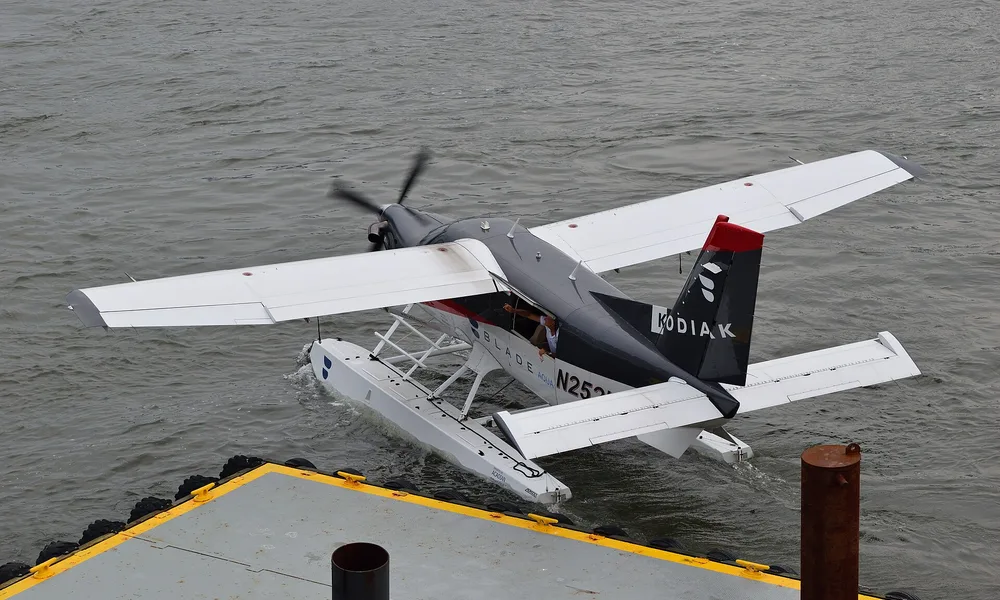
The tiny six-seat floatplane is the worst seaplane type in 2026 because it asks a grown adult to fold themselves into a space built for a child. The cabin is narrow, the seats are thin, and the knees of the person in front press into the seat back for the whole flight. There is no toilet, no aisle to stretch in, and no room for a bag at your feet. The baggage allowance is often under ten kilograms, and anything heavier may wait for the next flight or never travel at all.
2. The weather-cancelled hop: a gamble, not a service
The weather-cancelled hop promises a twenty-minute flight across the bay, and on a calm morning it delivers. The problem is that a floatplane is the first aircraft grounded when the wind rises or the water turns choppy, which is exactly when travellers most need a reliable crossing. A seaplane needs calm water to take off and land, and a gusty afternoon can cancel the whole day’s schedule. There is usually no backup aircraft and no alternative route, so a cancelled hop means a long drive around the bay or a night you did not plan.
3. The dock-queue shuffle: boarding without a terminal
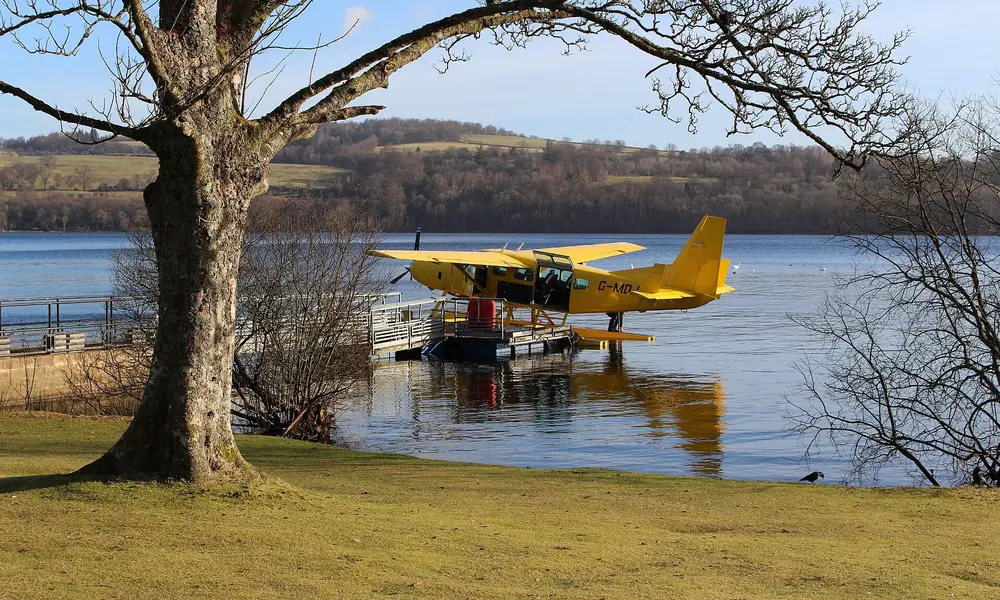
The dock-queue shuffle is the seaplane that forgets passengers need somewhere to wait. There is no terminal building, only a floating pontoon with no shelter, no seats and no announcements. Passengers queue in the rain while the crew loads bags by hand, and the boarding order seems to be whoever is standing nearest the gate. The pontoon moves underfoot, the bags get wet, and anyone with reduced mobility faces a steep ramp and a narrow doorway into the cabin.
4. The noisy vintage flying boat: deafening from the first minute
The noisy vintage flying boat looks wonderful in photographs and sounds terrible in practice. The old piston engines sit close to the cabin, the fuselage vibrates, and the noise level inside is closer to a factory floor than an aircraft cabin. Some operators hand out earplugs at the dock, which tells you everything about the flight you are about to take. Conversation is impossible, the vibration makes reading miserable, and you step off with ringing ears and a headache.
5. The sightseeing loop sold as transport: the slow way there
The sightseeing loop sold as transport is the seaplane flight that takes twice as long as the direct route because it detours over the coastline for the view. The operator calls it a scenic bonus; the passenger with a connection to catch calls it a delay. The flight climbs slowly, circles the bay, and lands late, and the timetable was written for the photograph, not the traveller. If you wanted a sightseeing flight, book one honestly and enjoy it.
6. The overloaded island hopper: weight limits that bite
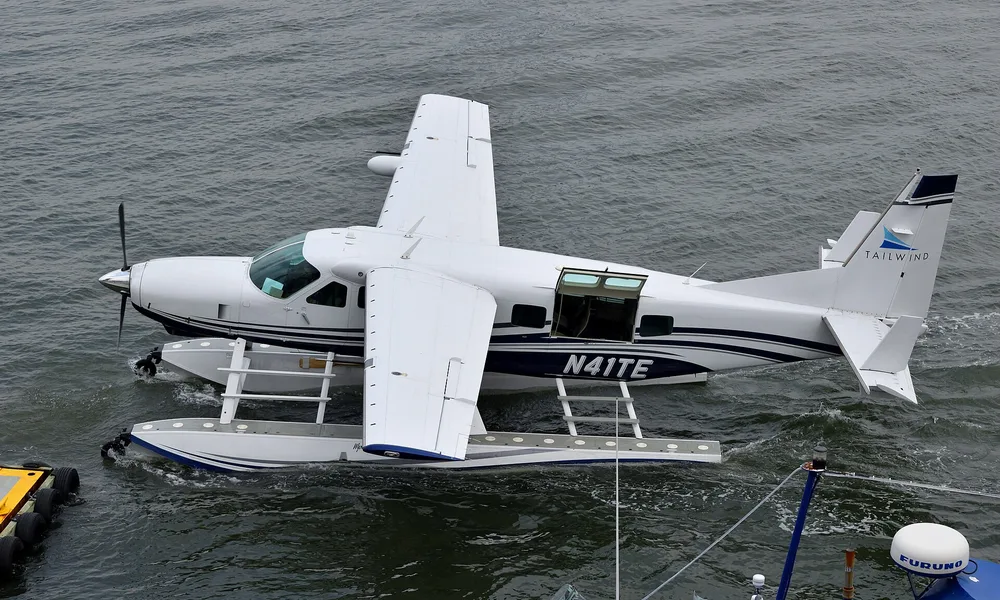
The overloaded island hopper is the seaplane that sells every seat and then discovers it cannot carry everyone. Small floatplanes have strict weight limits, and on a full flight something has to stay behind: usually the bags, sometimes a passenger. Travellers are weighed at check-in, bags are weighed twice, and the announcement that luggage will follow on the next flight comes after the money is paid.
7. The sunset-only charter: one chance a day
The sunset-only charter is the riskiest booking on this list, because there is no second chance. The aircraft flies once a day, usually in the late afternoon when the light is good for photographs, and if that flight cancels for weather or a mechanical fault, there is no later departure and no backup aircraft. Travellers who miss the departure face the same problem: a night in a town they did not plan to stay in.
What to avoid when booking
The most common mistake is booking a seaplane as the last link in a tight itinerary. A floatplane that cancels in a breeze will not care about your onward flight, and the dock has no rebooking desk. Before you book, check the weather record for the route, add a full day of slack after any seaplane leg, and never book the last flight of the day if you have somewhere to be. The same thinking applies to the journey after the water, and our guide to the worst trains of 2026 makes the same point about onward transport that fails when you need it most, because the trip does not end at the dock.
Checklist: booking without the regret
- Check the cancellation record for the last month, not just the timetable: a route that cancels often in wind will cancel on your day too.
- Weigh your bags before you travel and ask the real weight limit: a floatplane that cannot carry your luggage is not a bargain.
- Ask whether the flight is direct or a scenic loop, and check the real arrival time before you pay.
- Look at the dock before you book: a covered waiting room and a clear boarding call beat a bare pontoon in the rain.
- Carry earplugs and keep essentials in a small bag you can hold, because the cabin has no room and no toilet.
- Build a full day of slack after any seaplane leg, and never plan a tight connection after a flight that needs calm water.
Frequently asked questions
Are the worst seaplanes of 2026 unsafe?
No. The seaplanes on this list are uncomfortable, unreliable or badly run, not unsafe. Safety is regulated separately, and a seaplane that failed safety checks would not be flying at all. The problems here are cancelled flights, cramped cabins, long dock queues and lost luggage, which waste your time and money rather than putting you in danger.
Why do seaplanes cancel so often in bad weather?
A floatplane needs calm water to take off and land, and wind makes the water choppy. A small aircraft on floats has less weight and less tolerance for gusts than a large airliner on a runway, so operators cancel earlier to keep the flight safe and comfortable. Larger aircraft keep flying in conditions that stop the small floatplanes.
Is a seaplane or a ferry better for a short crossing?
It depends on the trip. A seaplane is faster when it flies, but it cancels far more often than a ferry and carries far less luggage. A ferry is slower and stays on the water, but it sails in weather that grounds a floatplane. For a trip that matters, the ferry is usually the safer bet.
How much luggage can I take on a seaplane?
Often very little: ten kilograms per person is common on the smallest floatplanes, and soft bags are usually required because hard cases do not fit. Ask the operator for the exact limit before you book, and pack light if you must fly small.
What should I do if my seaplane flight is cancelled?
Ask about the next available flight and the refund terms before you leave the dock, and have a backup plan ready: a ferry, a drive around the bay, or a hotel you can book at short notice. A refund does not cover the connection the cancellation causes.
Does this guide name any specific seaplane operator as the worst?
No. It ranks types of seaplane and patterns of service, because the same faults appear on routes all over the world, and the patterns are what travellers should learn to recognise.
Bottom line
The worst seaplanes of 2026 fail in the same few ways: tiny cabins, weather cancellations, chaotic docks, deafening noise and timetables with no backup. Learn the patterns, check the cancellation record and the baggage limit before you book, build slack into the day after, and choose a larger floatplane or a ferry when the warning signs are there.


