Don’t Board the Worst Ferries of 2026: Slow, Crowded Crossings That Waste Your Day
The worst ferries of 2026 look like the easiest way across the water: a short hop, a seat with a view, and a ticket cheaper than the bridge toll or the long drive around the bay. Then the sailing is cancelled, the queue stretches past the terminal doors, and the boat that finally arrives is packed so tight that half the passengers stand for the whole crossing. A bad ferry rarely announces itself on the timetable. This guide names the seven worst ferries of 2026, ranked by type and pattern rather than by operator, so you can spot the trap before you book.
Key takeaways
- The ageing single-deck passenger ferry with no shelter and bench-only seating is the ferry to avoid first: slow, exposed, and miserable in bad weather.
- A ferry lives or dies on its timetable and its capacity: a boat that cannot carry the peak crowd, or that cancels at the first sign of rough water, fails at its basic job.
- Loading matters as much as sailing: a car ferry with one narrow ramp turns a forty-minute crossing into a two-hour wait at the terminal.
- Frequency is freedom: a route with one sailing a day and no backup boat leaves you stranded when anything goes wrong.
- Always check the cancellation record, the real crossing time including loading, and the seating before you book, and travel with a backup plan.
How the worst ferries of 2026 were chosen
Every ferry below was scored on five measures. Reliability comes first: how often sailings are cancelled or delayed, and how serious those failures are. Comfort is second, judged on seating, shelter, and space to move. Capacity is third: whether the boat can actually carry the passengers and vehicles its timetable promises, at peak times, without leaving people behind. Speed is fourth: whether the crossing, including loading and unloading, is as quick as the ticket claims. Value is fifth: the real cost of the trip, including the hours lost waiting, not the fare on the website.
Two notes before the list. First, no ferry here is useless on paper: they earn their place because the crossing lets passengers down, not because the idea of a ferry is wrong. Second, this guide ranks types and patterns, not named operators or routes: no published reliability scores exist for individual ferry services, so naming companies would be guesswork, and a route that is bad in one season may be fine in another. This guide is strictly about passenger ferries: boats that carry people, and often cars, on a scheduled crossing between two points. It does not cover cruise ships, which are floating holidays that happen to move, nor sightseeing boats, which exist to look at things rather than to get you somewhere. A boat trailer is a different thing entirely: it hauls a boat on the road behind a vehicle, as our guide to the worst boat trailers of 2026 shows, while this guide judges the boat itself. Once you step off the ferry, the onward journey matters too: a tour coach can be just as disappointing, as our guide to the worst tour buses of 2026 explains, and a bad city bus can ruin the rest of the day, as our guide to the worst buses of 2026 shows.
Comparison table: the worst ferries of 2026
| Rank | Ferry type | Main problem | Book instead |
|---|---|---|---|
| 1 | Ageing single-deck passenger ferry | Slow, exposed, bench seats only | Modern enclosed passenger ferry |
| 2 | Overloaded peak-time commuter ferry | Standing room only, passengers left behind | Larger ferry or an earlier sailing |
| 3 | Car ferry with a single narrow ramp | Loading takes longer than the crossing | Ferry with twin ramps and booked lanes |
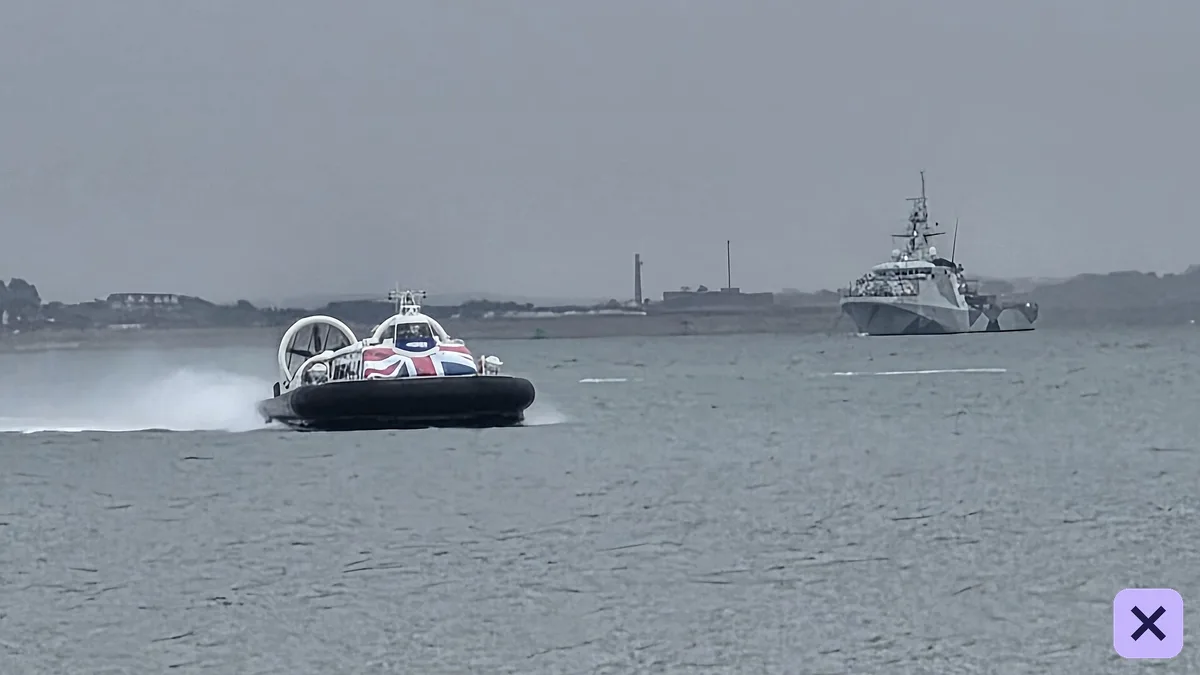
| 4 | High-speed catamaran, weather-sensitive | Cancels in rough water, rough ride | Slower conventional ferry in bad weather |
| 5 | Open-deck river ferry, no indoor seating | No shelter from rain or cold | Enclosed river ferry with a cabin |
| 6 | One-sailing-a-day island ferry | Miss it and you are stranded | Route with several sailings a day |
| 7 | Budget overnight ferry, recliners only | No beds, noisy, no sleep | Overnight ferry with a proper cabin |
The worst ferries of 2026
1. Ageing single-deck passenger ferry: the ferry to avoid first
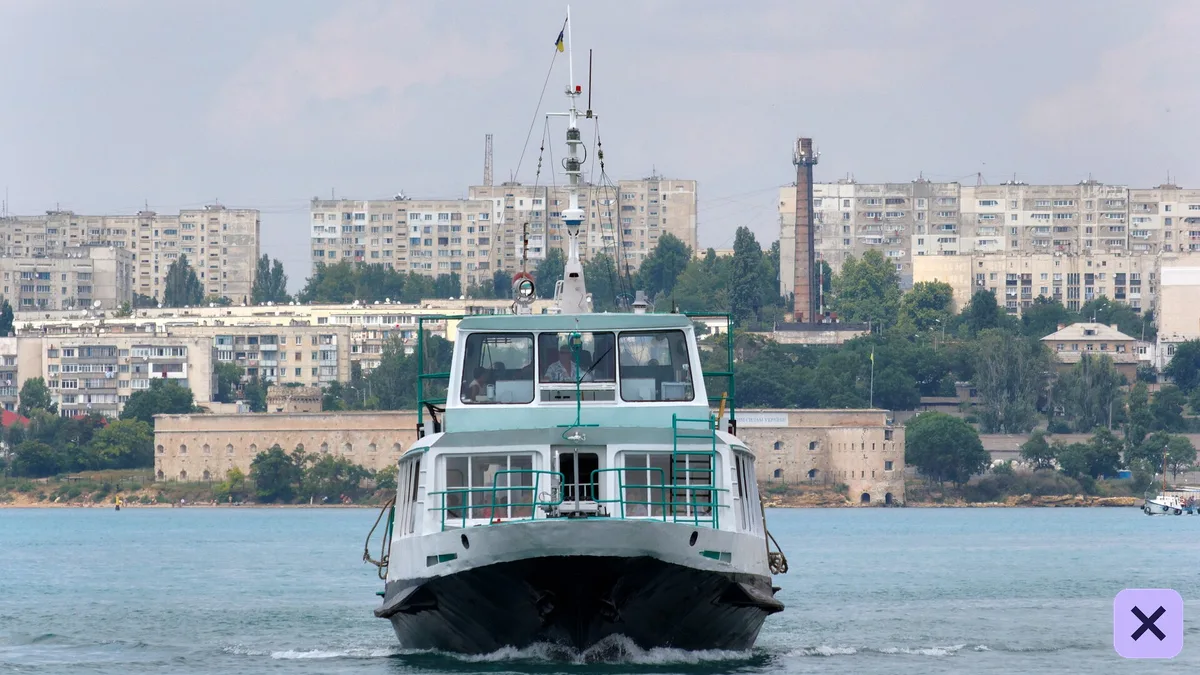
The ageing single-deck passenger ferry is the bad crossing to avoid first in 2026. It was built decades ago: a slow engine, bench seats with no backs, and a cabin so small most passengers stand on deck. In rain or cold wind there is nowhere warm to sit, and in summer there is no shade. The boat is not dangerous, just deeply uncomfortable. Book a modern enclosed passenger ferry instead.
2. Overloaded peak-time commuter ferry: standing room only
The overloaded peak-time commuter ferry looks fine on a quiet Tuesday morning and falls apart at eight o’clock on a weekday. The boat is sized for the average day, not the peak, so the morning sailing fills early. Those who get on stand in the aisles. There are no seats to book and no priority for anyone, so older passengers and parents with small children stand too. Travel on an earlier sailing, or choose a larger ferry.
3. Car ferry with a single narrow ramp: loading takes longer than the crossing
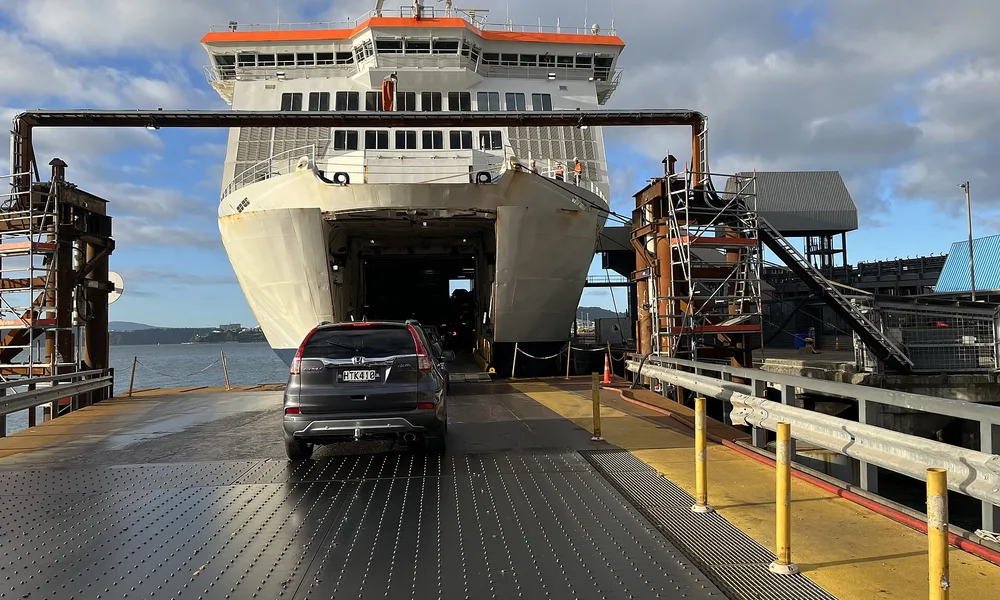
The car ferry with a single narrow ramp is the trap for drivers. The crossing itself may take only forty minutes, but the loading takes an hour: one lane of cars inching up a steep ramp while the queue behind grows. Unloading is the same in reverse. There is no booking system for lanes and no separate lane for foot passengers. You spend longer in the queue than on the water. Choose a ferry with twin ramps and a booking system instead.
4. High-speed catamaran, weather-sensitive: fast when it runs, gone when it matters
The high-speed catamaran promises to cut the crossing in half, and on a calm day it does. The problem is that it is the first boat cancelled when the wind rises, which is exactly when travellers most need a reliable crossing. Even when it does sail in choppy water, the ride is harsh and passengers feel sick. The seats are cramped airline-style rows with little legroom. A fast crossing that only runs in perfect weather is no crossing at all. In rough conditions, book the slower conventional ferry instead: it actually sails.
5. Open-deck river ferry, no indoor seating: nowhere to hide from the weather
The open-deck river ferry is charming in photographs and miserable in practice. There is no cabin, no roof, and no heating, so a summer shower soaks everyone and a winter crossing leaves passengers cold to the bone. The seats are hard plastic benches and the deck is slippery when wet. The crossing is short, which is the only defence the operator offers, but a short crossing in driving rain still ruins clothes and the rest of the day. Choose an enclosed river ferry with a cabin instead, even if the ticket costs a little more.
6. One-sailing-a-day island ferry: miss it and you are stranded
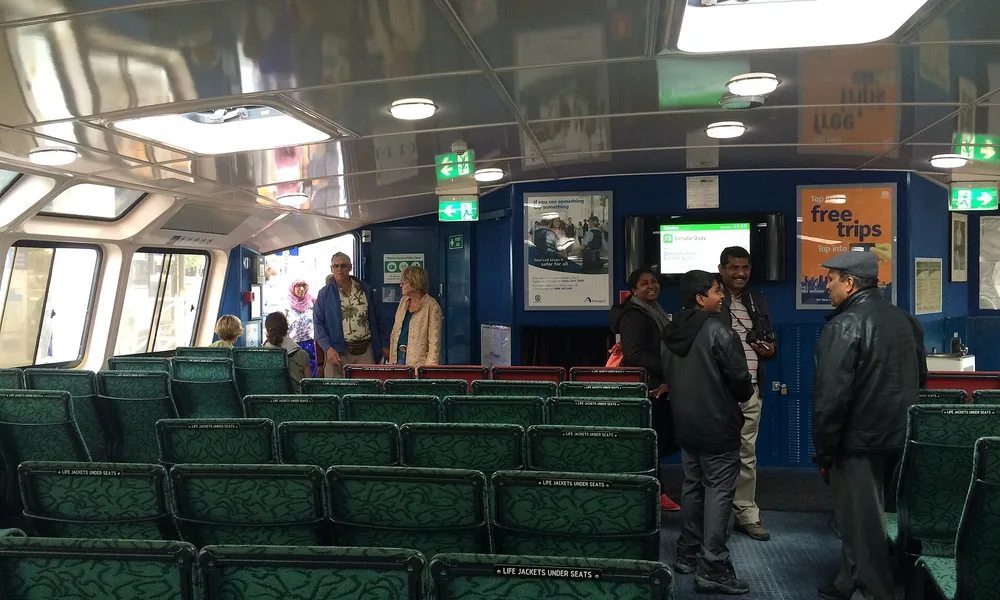
The one-sailing-a-day island ferry is the riskiest booking on this list, because there is no second chance. The boat leaves in the morning and returns in the evening, and if it is cancelled for weather or a mechanical fault, there is no later sailing, no backup boat, and no alternative route. Travellers who miss the departure face the same problem: a night on the mainland they did not plan. The ferry itself may be comfortable, but the timetable is the flaw. If you must use a once-a-day route, travel the day before anything important.
7. Budget overnight ferry, recliners only: a night without sleep
The budget overnight ferry with recliner-only seating sells a cheap ticket and a night that nobody sleeps through. The recliners are packed in rows in a single large lounge, the lights stay on, and announcements play through the night. There are no cabins at this price and no way to lie flat, so you arrive at dawn exhausted. The saving over a cabin looks large until you count the hotel night you need to recover. Book an overnight ferry with a proper cabin instead.
What to check before you book a ferry
- Check the cancellation record for the last month, not just the timetable: a route that cancels often in wind will cancel on your day too.
- Count the real journey time, including loading, unloading, and the queue at the terminal, not just the sailing time.
- Look at the seating before you pay: real seats with backs, indoor space, and room for bags beat a bench on an open deck.
- Ask how many sailings run each day and whether a backup boat exists if the first sailing is cancelled.
- Check whether cars, foot passengers, and cyclists load separately, and whether you need to book a lane in advance.
- Have a backup plan for a cancellation: a later sailing, a different route, or a hotel you can book at short notice.
Frequently asked questions about the worst ferries of 2026
Are the worst ferries of 2026 unsafe?
No. The ferries on this list are uncomfortable, unreliable, or badly run, not unsafe. Safety is regulated separately, and a ferry that failed safety checks would not be sailing at all. The problems here are cancelled sailings, long waits, crowding, and miserable cabins, which waste your time and money rather than putting you in danger.
Why do ferries cancel so often in bad weather?
Small and fast ferries are more sensitive to wind and waves than large conventional ships. A high-speed catamaran or a small single-deck boat has less weight and less stability in a swell, so operators cancel earlier to keep the ride safe and comfortable. Larger, slower ferries keep sailing in conditions that stop the fast boats.
Is a car ferry or a passenger-only ferry better?
It depends on the trip. A passenger-only ferry is usually quicker to board and cheaper, because there is no vehicle loading. A car ferry is better when you need the car at the other end, but only if it has twin ramps and a booking system; a single-ramp car ferry can waste more time loading than the crossing saves.
How early should I arrive for a ferry?
Arrive at least thirty minutes before departure for a foot-passenger sailing, and at least an hour before for a car ferry, longer at peak times and on weekends. The boats on this list are the ones where arriving early still does not help, because the queue is caused by slow loading or overcrowding rather than by late passengers.
Can I get a refund if my ferry is cancelled?
Most operators offer a refund or a free transfer to the next sailing when they cancel, but the rules vary by route and ticket type. Cheap non-flexible tickets are often the hardest to refund, and a refund does not cover the hotel night or the missed connection the cancellation causes. Read the terms before you book.
What is the best alternative to a bad ferry?
On short crossings, a bridge, a tunnel, or a train can be faster and more reliable than a ferry, especially in bad weather. On longer routes, a larger conventional ferry with several sailings a day is the safest bet. If the ferry is the only option, travel a day early when the trip matters.
Bottom line
The worst ferries of 2026 fail in the same way: they promise a quick, easy crossing and deliver a wait, a crowd, or a cancellation instead. The ageing single-deck boat, the overloaded commuter sailing, and the single-ramp car ferry are the three to avoid first, because their problems repeat on every trip, not just on bad days. Book a modern enclosed ferry with real seats, several sailings a day, and a cancellation record you have actually checked, and the crossing becomes the easy part of the journey again.