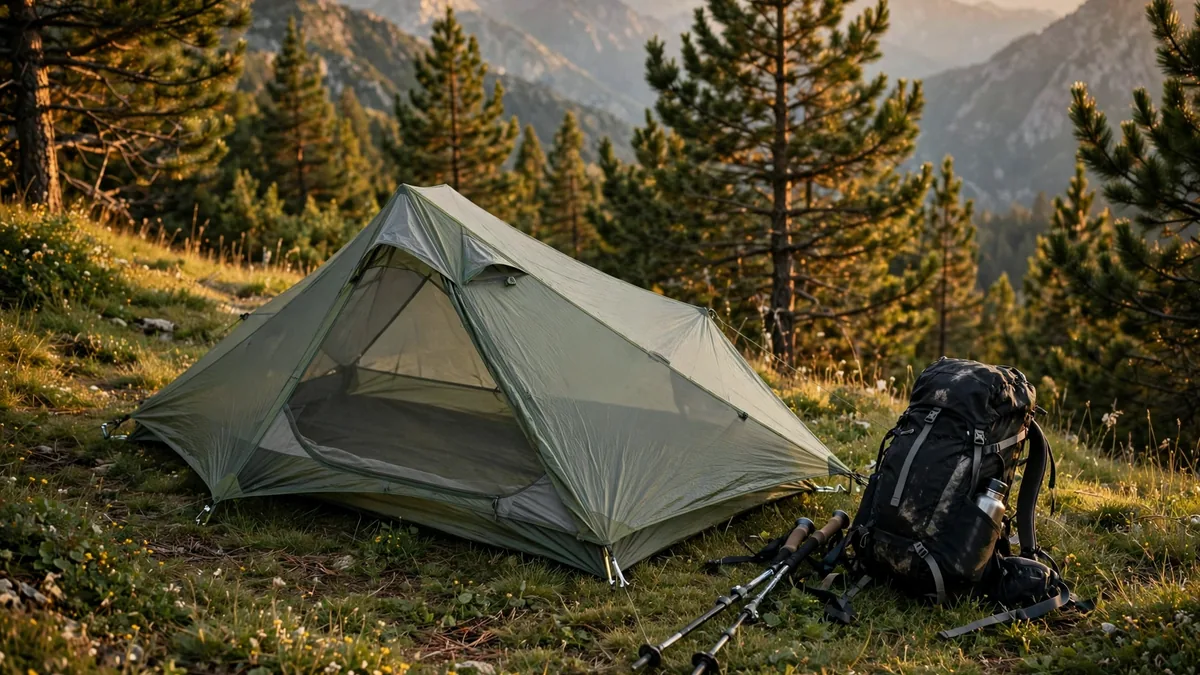
Choosing the best backpacking tents 2026 has to offer is the decision that shapes every night you spend on the trail. A backpacking tent is the shelter you carry on your back, the dry place you return to after a long day of walking, and the thin wall between you and wind, rain and cold mountain air. Get it right and you sleep well, pack light and wake up ready to walk again. Get it wrong and every mile feels heavier, every gust feels louder, and every damp morning starts the day on the wrong foot.
This guide compares the standout backpacking tents of the year, explains what the specifications really mean, and shows you how to match a tent to the way you actually hike. It covers weight, packed size, weather protection, ventilation and value, so you can spend your money on the things that matter on the trail and skip the features that only look good in a shop.
Key takeaways
- Match the tent to your trip: solo ultralight tents prioritise weight, while two-person tents balance weight with space and comfort.
- Look for a trail weight under three pounds for a two-person tent and under two pounds for a solo shelter.
- Choose a fly rated at least 1,500mm with a bathtub floor for real rain protection on wet trails.
- Two doors and two vestibules are worth having on any tent shared by two people.
- Practice pitching your tent at home once, so the first night on the trail is quick and stress-free.
What makes a great backpacking tent
A great backpacking tent does four things well. It keeps you dry, it stands up to wind, it gives you enough room to sleep and move, and it packs down small enough to carry for miles without wearing you out. Every other feature is a bonus, and every gram you save on the shelter is a gram you can spend on food, water or warm layers instead.
Weight is the first test, and it is the one that separates backpacking tents from ordinary camping tents. Car campers can ignore weight and focus on space, but a backpacker carries every gram up every hill. That is why the best backpacking tents use thin but strong fabrics, short aluminium poles and clever shapes that cut weight without cutting weather protection. The trade-off is real: the lighter the tent, the less spare space and the thinner the fabric, so durability needs more care.

The best backpacking tents of 2026 compared
Best overall backpacking tent
The best overall backpacking tent is a freestanding two-person shelter that weighs around two and a half pounds on the trail and packs down to the size of a water bottle. It pitches with two short poles that cross in the middle, so it stands on its own before you peg it out, which makes it easy to pitch on rocky ground where pegs will not hold. Two doors mean neither sleeper climbs over the other at night, and two vestibules give each person a dry place for boots and a pack. The fly sheds rain well, the mesh inner keeps insects out while letting air move, and the peak height is enough to sit up and change clothes without a struggle. It costs roughly 300 to 400 dollars, which is fair for a tent that can handle three seasons of trail use.
Best ultralight backpacking tent
The best ultralight backpacking tent is built for walkers who count every gram and are happy to trade a little space for a much lighter pack. It weighs under two pounds for two people, uses a single trekking pole or a short carbon pole as its support, and packs down smaller than a loaf of bread. The fabric is thin, often 10 or 15 denier, so it needs gentle handling and a clear pitch site, but the weight saving is dramatic on a long trail. Ventilation is good thanks to a high fly and mesh panels, and the single door keeps the design simple. It suits experienced hikers best, and it costs roughly 350 to 500 dollars.
Best solo backpacking tent
The best solo backpacking tent is a one-person shelter that weighs around one and a half pounds and still gives a single hiker room to sit up, store a pack in the vestibule and sleep in comfort. Its narrow floor fits one sleeping mat with a little space to spare, and its low profile sheds wind well on exposed ridges. A single door and vestibule keep the weight down, while a short pole set makes pitching fast even with tired hands. It is the right choice for anyone who hikes alone and wants a shelter that disappears into the pack, and it costs roughly 200 to 350 dollars.
Best budget backpacking tent
The best budget backpacking tent proves that you do not need to spend a fortune to sleep dry on the trail. It weighs around three and a half pounds for two people, uses simple aluminium poles and a polyester fly, and pitches in a familiar dome shape that most hikers learn in minutes. The fabric is thicker than ultralight models, so it forgives rough handling and rocky ground, and the price is roughly 120 to 200 dollars. The trade-offs are weight and packed size: it is heavier and bulkier than premium tents, so it suits shorter trips and walkers who are happy to carry a little extra for the saving.
Best two-person backpacking tent for comfort
The best two-person backpacking tent for comfort is the one you choose when space matters more than saving a few ounces. It weighs around three pounds, but it gives two sleepers a wider floor, a higher peak and a proper vestibule each, so nobody sleeps with their face against the wall. The steep walls make the inside feel bigger than the floor area suggests, and the two doors open wide for easy access and fresh air. It is ideal for couples and friends who share a tent for a week or more, and it costs roughly 300 to 450 dollars.

Weight, packed size and livability
Packed weight and size decide how the tent travels, and they are the numbers that matter most on a long walk. Manufacturers quote several weights, so learn to read them. Trail weight excludes stakes, stuff sacks and repair kits, while packaged weight includes everything in the bag. Compare trail weights when you compare tents, and remember that a tent that is half a pound lighter saves you that weight on every step of every day.
Livability is what makes a tent pleasant rather than merely survivable. Peak height decides whether you can sit up, floor area decides whether two mats fit without touching, and vestibule space decides whether your boots stay dry. Two doors are a real comfort on a shared tent, and a good view through mesh on a warm night makes a small tent feel much bigger. The best camping tents show how much space car campers enjoy, but a backpacking tent trades that room for weight, so choose the balance that suits your trips.
Weatherproofing, ventilation and condensation
Weatherproofing starts with the fly and the floor. A fly rated at least 1,500mm will handle most rain, while a floor rated 3,000mm or more resists ground water on wet grass and mud. Seams should be taped or sealed at the factory, and guy lines should be easy to tighten from inside the tent when wind picks up at night. A taut pitch is the simplest weatherproofing of all: a sagging fly flaps, leaks and collects water, while a tight fly sheds rain and stands up to wind.

How to pitch and look after your tent
Pitching well is a skill, and it is worth practising before you need it. Choose a flat site with good drainage, clear away sharp stones and sticks, and face the door away from the wind. Peg out the corners first, then raise the poles, then tighten the fly until it is taut and quiet in the breeze. In wind, use every guy line and peg them at a low angle, and in rain, keep the fly clear of the inner so water cannot wick through.
Your tent is only one part of a sleep system that works together. A warm sleeping bag and a good mat matter just as much as the shelter over them, and the best sleeping bags for camping will help you match insulation to the nights you expect. Pack your tent last, so it is the first thing you reach at camp, and keep a dry bag for the fly on wet mornings, so a damp tent does not soak the rest of your kit.
Common mistakes to avoid
The most common mistake is buying a tent that is too small, usually because the stated capacity sounds generous. A two-person tent fits two mats, but it leaves no room for gear, movement or a wet night indoors, so many couples prefer a three-person tent for two people. The second mistake is buying for summer only and then shivering through an autumn trip, so check the season rating and the fly rating before you buy. The third mistake is never practising the pitch, which turns the first night on the trail into a frustrating puzzle in fading light.
Other mistakes are smaller but still costly. Skipping a groundsheet wears out the floor, over-tightening guy lines in calm weather stresses the fabric, and packing a wet tent inside a pack soaks everything else. The best cure for all of them is a short practice trip close to home, where you can learn your tent, test your kit and find the gaps before a long trail exposes them. Good boots matter too, and the best hiking boots will carry you comfortably to the campsites where your tent earns its keep.
Frequently asked questions
How much should I spend on a backpacking tent?
A good two-person backpacking tent costs roughly 150 to 350 dollars in 2026, while ultralight and four-season models cost 350 to 700 dollars. Cheaper tents can be fine for fair-weather use, but they usually cut corners on the fly, the poles and the weight.
What size tent do I need for two people?
A two-person tent fits two sleeping mats, but many couples prefer a three-person tent for extra room on longer trips. Check the floor width, the peak height and the vestibule space, not just the stated capacity, before you decide.
How do I stop condensation inside my tent?
Keep vents open, pitch with the door away from the wind, and avoid cooking inside the tent. Mesh inner walls and a fly that sits clear of the inner help damp air escape instead of dripping back onto you.
The bottom line
The best backpacking tents 2026 has to offer share the same strengths: honest weather protection, a weight you can carry all day, and a pitch that does not fight you at the end of a long walk. Choose your size first, match the tent to the season and the way you hike, and spend your money on the fly, the poles and the seams. Do that, and your tent becomes the quiet hero of every trip: a dry, warm place to rest, ready for whatever the trail brings tomorrow.


