Top Pedicure Kits for Salon Feet at Home in 2026
The best pedicure kits in 2026 bring the salon home: soft heels, tidy cuticles, smooth nails and a finish that looks professional, all without booking an appointment or leaving the house. A good kit bundles everything the routine needs — a soak, a file, clippers, a cuticle tool and polish — so you are not hunting through drawers for the one tool you forgot. A bad kit disappoints: a file that does nothing, clippers that tear, a basin too small for two feet. This guide compares the kit types worth buying and explains the routine step by step.
Key takeaways
- A complete pedicure kit should include a soak basin, a foot file, nail clippers, a cuticle pusher and a buffer, with polish as a bonus rather than the main event.
- Soak first, file second, trim third: warm water softens hard skin, and filing before trimming keeps nails from splitting.
- Electric kits save time on rough heels, but a manual kit gives you more control and is kinder to sensitive skin.
- Never file wet, softened skin aggressively, and never cut cuticles, because both habits cause damage that takes weeks to heal.
- Clean and dry every tool after use, and replace emery boards when they go smooth.
What is actually inside a pedicure kit
A pedicure kit is a bundle, and its value depends on what is in it. The core tools are the same in almost every good kit: a basin, a foot file, clippers, a cuticle pusher and a buffer. Useful extras include a pumice stone, a scrub, a cream and toe separators. Count the core tools first; treat extras as a tiebreaker.
The basin deserves more attention than it usually gets. A good basin fits both feet side by side, covers them to the ankles, and will not tip when you move. Collapsible basins fold flat, but the cheapest ones wobble and leak. Electric foot spas add heat, bubbles and vibration and keep the water warm, but they are heavy, need a socket near the floor, and take up storage space.
The best pedicure kits at a glance
| Kit type | Best for | Tools included | Effort | Approx. price |
|---|---|---|---|---|
| Classic manual kit | Everyday home pedicures | Basin, file, clippers, pusher, buffer | Medium | $20–$40 |
| Electric pedicure kit | Rough, callused heels | Powered file, spa, clippers, buffer | Low | $45–$90 |
| Luxury spa kit | A full salon-style ritual | Heated spa, scrubs, creams, tools | Medium | $70–$130 |
| Travel pedicure kit | Holidays and small bathrooms | Mini file, clippers, pusher, polish | Medium | $15–$30 |
| Professional steel kit | Long-lasting quality | Steel file, clippers, nippers, pusher | Medium | $50–$100 |
| Gentle sensitive-skin kit | Diabetes and delicate skin | Glass file, soft brush, cream | Low–medium | $25–$50 |
The 6 best pedicure kits for salon feet at home in 2026
1. Best overall: the classic manual pedicure kit
The classic manual kit is the one most people should buy, because it covers the whole routine with no batteries, no charging and nothing to break. A sturdy basin, a double-sided file, sharp steel clippers, a pusher and a buffer take you from rough heels to polished toes in forty minutes. Manual tools give you feedback: you feel the pressure. The trade-off is effort: rough heels take longer by hand. Buy the kit with the best file, not the most pieces. Our guide to what makes a great foot file explains the metal, glass and emery options in detail.
2. Best for rough heels: the electric pedicure kit
Electric pedicure kits exist for one reason: thick, callused heels that would take forever by hand. A powered roller lifts dead skin quickly, and most kits let you swap heads for coarse and fine work. They are the fastest route to smooth feet. The risks come from the same speed that makes the tool attractive. Press too hard and the roller takes off healthy skin, leaving heels sore. Use the coarse head lightly and keep it moving. An electric kit suits genuinely rough feet, not feet needing only maintenance.
3. Best for a ritual: the luxury spa pedicure kit
A luxury spa kit turns a chore into an evening. A heated foot spa keeps the water warm, the kit includes a scrub, a rich cream and sometimes a massage roller, and the routine feels like a salon appointment. The results match a manual kit, but the experience makes people do the routine weekly. The downsides are size and price: it needs a socket, and takes time to fill, empty and dry. Buy one if you pedicure weekly and enjoy the ritual.
4. Best for travel: the compact pedicure kit
A travel pedicure kit is a small zip case: a mini file, clippers, a pusher, a buffer and polish. It will not replace a full home kit, but it keeps feet tidy on holiday, where sandals make a chipped nail far more visible. The best travel kits use the same steel as full-size ones, in shorter handles; the worst are toy-like tools that bend and tear. Check the clippers first, because a weak jaw is worse than no clipper, and pack toe separators, which weigh nothing.
5. Best for quality: the professional steel pedicure kit
Professional steel kits are the buy-once option. Every tool is forged stainless steel, the file is micro-etched, the clippers hold their edge for years, and the case survives drops. The upfront price is double a basic kit, but the tools work better: a sharp jaw cuts instead of crushing, and a good file removes skin evenly. A steel kit does not forgive bad technique, so if you are new, learn on a gentler kit first. People who already know the routine and want tools that last will not regret the upgrade.
6. Best for sensitive skin: the gentle pedicure kit
A gentle kit is the right choice for sensitive skin, thin heels, and anyone told by a doctor to be careful, including people with diabetes. The file is glass or fine emery, the brush is soft, and the kit leans on soaking and moisturising. Glass files remove skin slowly and evenly, and are easy to clean. The trade-off is speed: it will not rescue badly callused heels in one session. If your feet are rough, start with a professional treatment. Never file cracked or painful heels at home, and ask a doctor first if you have diabetes or poor circulation.
The salon pedicure routine, step by step
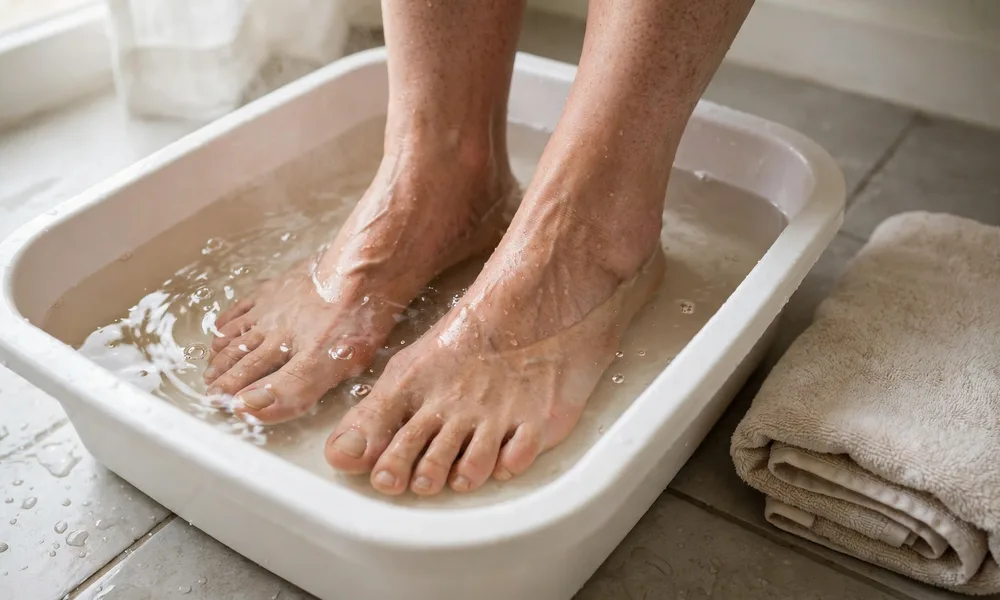
A good pedicure is a sequence, and the order matters. Start with the soak: warm water, fifteen to twenty minutes, deep enough to cover the feet. Warm water increases blood flow, softens hard skin and rests tired muscles. Epsom salt suits tired feet, and oil suits dry skin, but plain warm water does most of the work. Our guide to foot soaks that soothe tired feet covers the options and safety rules.
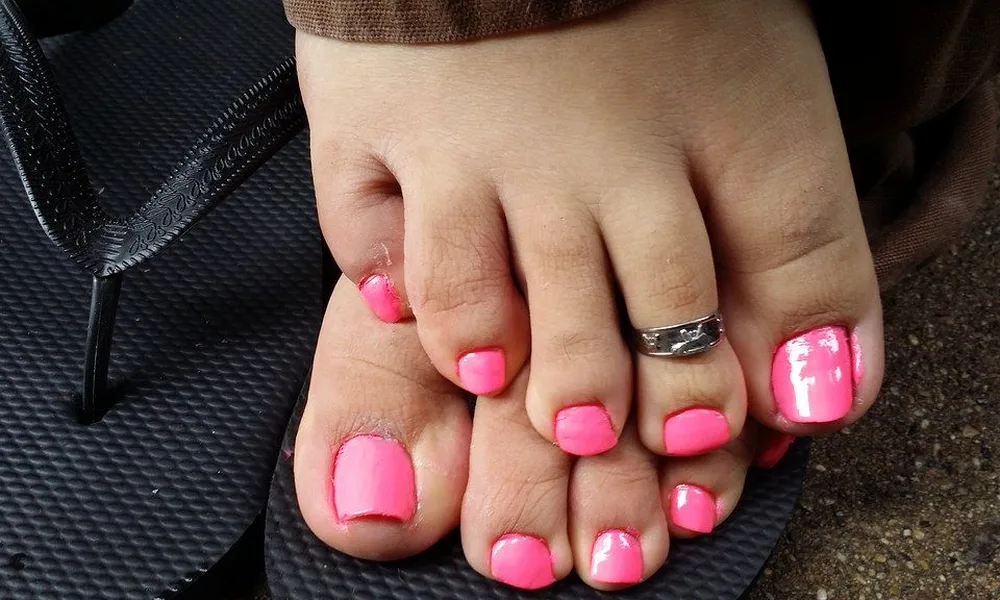
File next, while skin is softened but not soaking wet. Use light, even strokes in one direction, and stop as soon as the skin feels smooth: over-filing makes heels rougher. Then trim nails straight across in small bites, and smooth the corners with a file. Push cuticles back gently and never cut them: the cuticle seals the nail bed against infection. Buff lightly, moisturise, and finish with polish: base coat, two thin coats, top coat, ten minutes to dry.
Mistakes that ruin a home pedicure
The most common mistake is filing wet, softened skin aggressively. After a soak the skin is swollen and fragile, and a coarse file tears it easily. File gently, on damp rather than dripping skin. The second mistake is cutting cuticles. It looks tidy for a day and invites infection for a week. Push them back, never cut them. The third mistake is rounding the corners of toenails, which encourages ingrown nails. Cut straight across and leave the corners alone. Two more mistakes are easy to miss: sharing tools or skipping cleaning, and ignoring pain, because a pedicure should never hurt.
How to choose the right pedicure kit for you
Start with your feet, not the box. If your heels are smooth already, a classic manual kit is all you need. If your heels are rough, an electric kit earns its price in the first month. If you travel often, add a compact kit: a small case in a suitcase gets used, and a full kit left at home does not. If your skin is sensitive, choose the gentle kit and accept slower results.
Then check the details. The clippers should be forged stainless steel, with jaws that meet cleanly. The file should have two grits and a handle long enough to hold. The basin should fit both feet, and the case should keep tools from rattling. Ignore the piece count: a kit claiming thirty pieces usually contains twenty you will never use. Sharp clippers are the heart of any kit; our guide to nail clippers that cut clean without tearing explains more.
Pedicure kit buying checklist
- Check the core tools first: basin, foot file, clippers, cuticle pusher and buffer, and treat extras as a bonus.
- Make sure the basin fits both feet and covers them to the ankles.
- Choose manual for control, electric for rough heels, steel for lasting tools.
- Test the clippers: jaws should meet cleanly and cut in small bites.
- Pick glass or fine emery files for sensitive skin, and metal files only for thick, callused heels.
- Plan the cleaning: tools must dry fully, and emery boards need replacing.
Frequently asked questions
How often should I do a pedicure at home?
Every two to three weeks suits most people, with a quick file and moisturise in between. Weekly is fine if you keep it gentle, but filing every few days strips healthy skin.
Can I use a pedicure kit if I have diabetes?
Yes, with care, and only with a gentle kit: glass or fine emery files, no blades, no cutting cuticles, warm rather than hot water. Ask your doctor first if you have poor circulation, numbness or open skin.
Do electric pedicure kits damage your feet?
They are safe when used lightly and kept moving, but they remove skin fast, so pressing hard can take off healthy skin. Use the fine head to finish and moisturise afterwards.
What is the difference between a pedicure kit and a manicure kit?
The tools overlap, but pedicure kits add a soak basin and a foot file for thick heel skin, and larger clippers for toenails. A manicure kit has smaller tools and no basin, so it cannot do the job on feet.
How do I clean a pedicure kit?
Wash metal tools with soap and warm water, dry them fully, and wipe with rubbing alcohol occasionally. Rinse the basin, replace emery boards when the grit wears smooth, and store everything dry.
Is a pedicure kit worth it, or should I just go to a salon?
A good kit pays for itself in two or three uses compared with salon prices. A salon is still worth it for very rough feet or ingrown nails, and many people do both.
The bottom line
The best pedicure kit for salon feet at home in 2026 is the one that matches your feet and your habits: a classic manual kit for most people, an electric kit for rough heels, a gentle kit for sensitive skin, and a steel kit if you want tools that last for years. Soak first, file gently, trim straight across, push cuticles back instead of cutting them, and moisturise every time. Do that every two or three weeks with clean, sharp tools, and your feet will feel salon-fresh for a fraction of the price.