Cookie Presses That Shape Perfect Spritz Cookies in 2026
Cookie presses are the fastest way to make beautiful cookies: load the barrel with soft dough, fit a patterned disc, squeeze the trigger, and a perfect spritz cookie lands on the tray, ready for the oven. No rolling, no cutting, no chilling, and a whole tray of identical cookies in minutes. The best cookie presses in 2026 are sturdy, simple tools with discs that hold their shape, triggers that do not jam, and barrels that take a full batch of dough. This guide explains how a press works, which types suit which baker, and how to pick one that presses cleanly instead of fighting you.
A cookie press is not a cookie cutter, though the two share a drawer. A cutter slices shapes from a rolled sheet of chilled dough, and our guide to the best cookie cutters covers those in full. A press extrudes soft, unchilled dough through a patterned disc, so the cookie is shaped as it leaves the tool. Press dough is soft and buttery, almost like a thick frosting, while cutter dough is firm and cold. If you want spritz cookies, rosettes and wreaths in minutes, you want a press. If you want gingerbread figures from rolled dough, you want a cutter.
Key Takeaways
- A cookie press extrudes soft dough through patterned discs; it never needs rolling, chilling or cutting.
- Metal presses with a trigger handle are the best all-round buy: they press evenly and last for years.
- Plunger presses are cheaper and simpler, but they tire the hand and press less evenly on a big batch.
- Use soft, room-temperature dough with no chunks, or the press will jam.
- Press onto a cool, ungreased tray, and lift straight up without twisting.
What a Cookie Press Actually Is
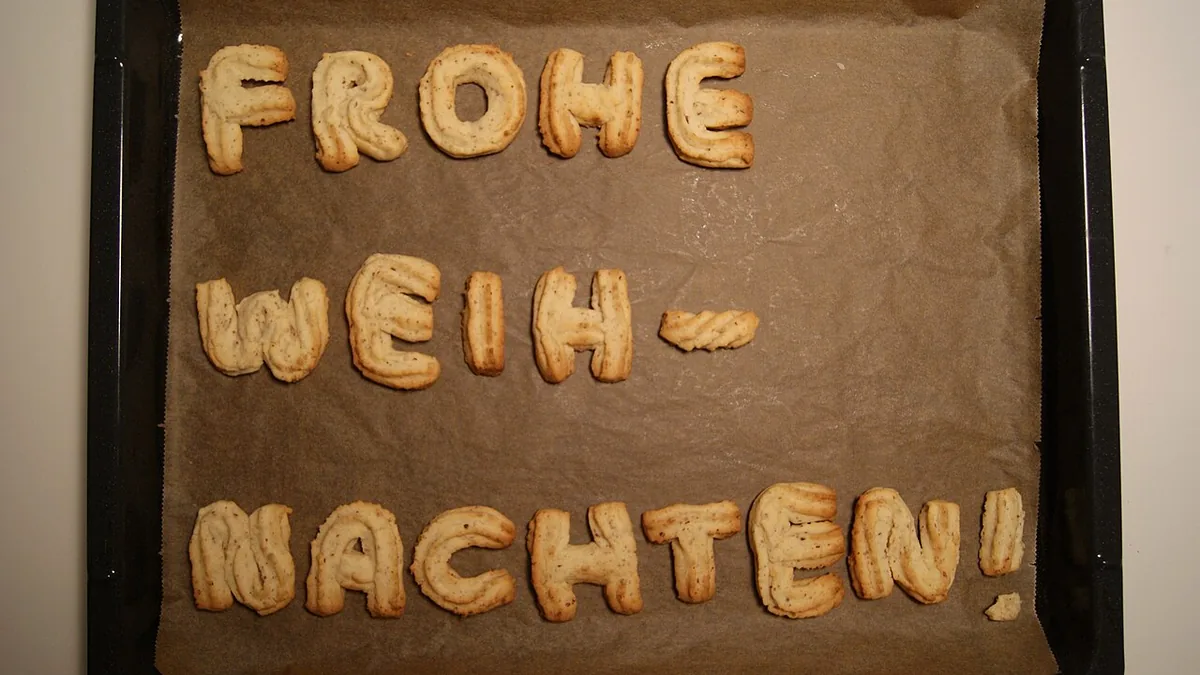
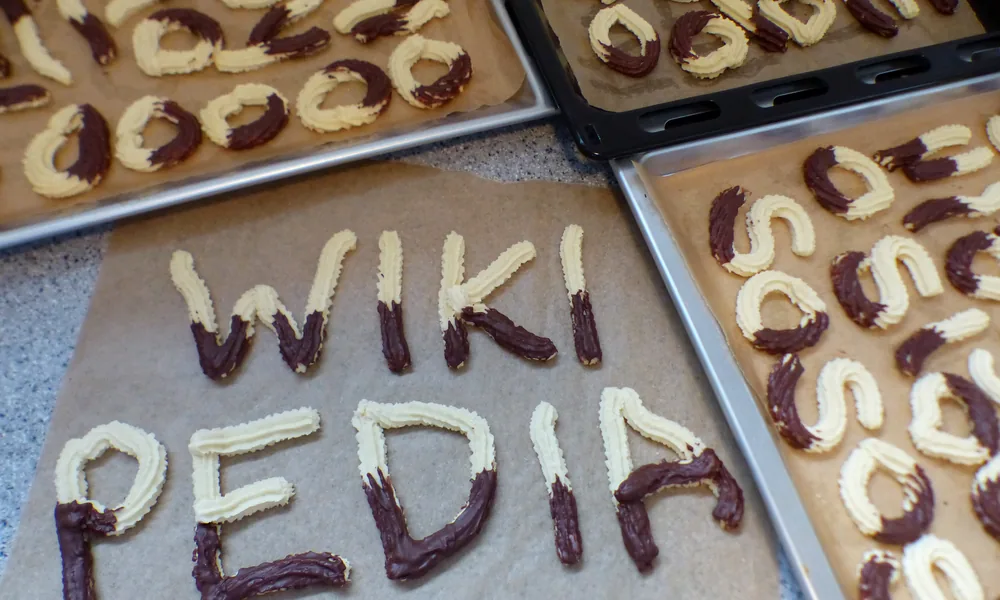
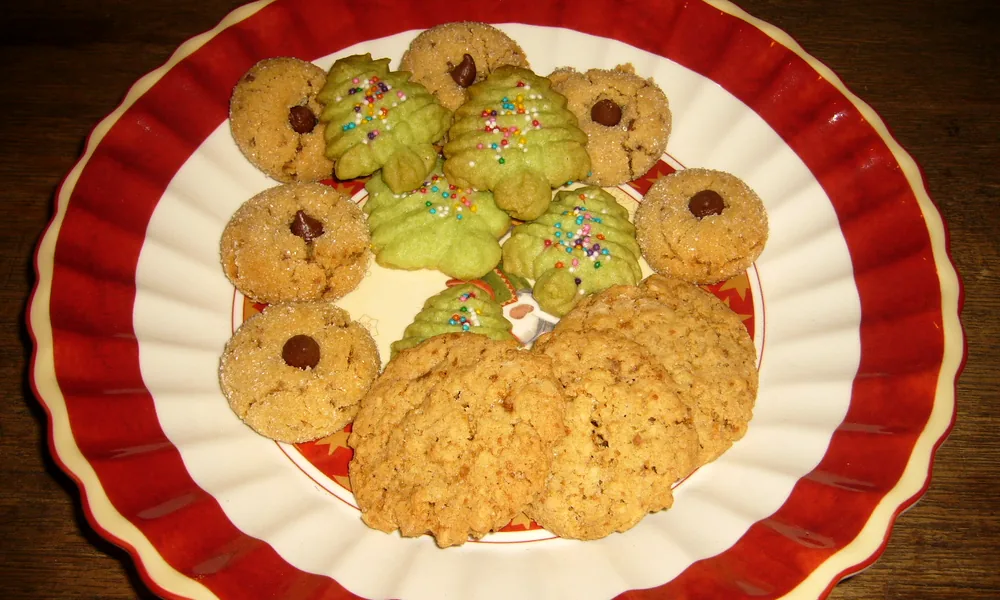
A cookie press is a barrel with a disc at one end and a plunger at the other. You fill the barrel with soft dough, fit a patterned disc into the end cap, hold the press upright over a baking tray, and push the dough through the disc. It comes out in the shape of the disc: a rosette, a star, a wreath, a shell, a Christmas tree. One squeeze makes one cookie, and a good press makes a tray of thirty in about five minutes. The classic cookie made this way is the spritz cookie, a buttery Scandinavian biscuit that is crisp at the edges and soft in the middle.
The disc is the heart of the tool: a thin metal or plastic plate with a shaped hole, and a set usually has twelve to twenty of them. The shapes that earn their keep are the rosette, the star, the shell, the wreath and the tree, because they work for more than one occasion. The discs that disappoint are the ones with detail too fine for dough: a saxophone or a tiny aeroplane comes out as a blob, however good the press is. Buy the press with the discs you will actually use.
The Main Types of Cookie Press
Trigger-Handle Presses
A trigger-handle press is a metal barrel with a lever you squeeze, and each squeeze pushes a fixed amount of dough through the disc. It is the best cookie press for most bakers, because the trigger gives even pressure, the cookies come out the same size, and the hand does not tire on a big batch. Look for a metal barrel rather than plastic, because metal holds its shape under pressure, and a handle with a comfortable grip, because a thin lever digs into the palm after thirty cookies.
Plunger Presses
A plunger press is a tube with a disc at the bottom and a rod you push down by hand. It is the simplest and cheapest press, and suits a baker who makes spritz cookies once or twice a year. The limits are the hand: pushing dough through by hand takes real effort, the pressure is uneven, and the cookies vary in size. It also holds less dough, so you refill more often.
Electric and Battery Presses
An electric press pushes the dough with a motor, so the hand does nothing at all. In practice it is the weakest type: the motors are small, the dough must be very soft or the motor stalls, and the press is harder to clean, because the motor housing cannot go in water. It also costs several times more than a good metal trigger press.
Metal, Plastic and Discs: What to Judge
The barrel material decides how long the press lasts. Stainless steel and aluminium barrels are stiff, easy to clean, and do not pick up smells or stains. Plastic barrels are lighter and cheaper, but they flex under pressure, which makes the cookies uneven, and they can crack if the dough is too firm. A full-metal press is the one still pressing cleanly in ten years.
The discs deserve the same attention. Metal discs hold their shape and give the crispest patterns, while plastic discs are cheaper and safe for children but dull faster and flex under pressure. Twelve to sixteen shapes is the sweet spot: enough variety for Christmas, birthdays and everyday baking, without the novelty shapes that never get used. Check that spare discs are sold for the press you buy, because discs are the part that gets lost in a drawer.
Capacity matters more than it looks. A barrel that holds a full batch of dough, about two cups, lets you press a whole tray without stopping. A small barrel holds half a batch, so you refill twice per tray, and every refill is a chance for air to get in and the shapes to go ragged. A wide barrel is easier to fill, and a barrel that comes apart fully is far easier to wash.
Cookie Presses Compared
| Type | Best For | Key Strength | Watch Out For |
|---|---|---|---|
| Trigger-handle, metal | Most bakers | Even pressure, lasts years | Costs more than plastic |
| Plunger, metal or plastic | Occasional baking | Cheapest, simplest | Tires the hand, uneven sizes |
| Electric or battery | Very high volume | No hand effort | Stalls on firm dough, hard to clean |
| Trigger-handle, plastic | Baking with children | Light, safe, cheap | Flexes, discs dull fast |
The Dough That Makes a Press Work
The dough decides whether a press is a joy or a fight. It must be soft, smooth and lump-free, at room temperature, with no nuts, chocolate chips or dried fruit in it, because anything chunky jams the disc. A classic spritz dough is butter, sugar, egg and flour, beaten until almost like a thick frosting. Too firm, and the press strains and the cookies tear. Too soft, and they spread in the oven and lose their shape.
Chilling is the mistake most new press bakers make. Cutter dough must be chilled so it holds its edge, but press dough must never be chilled, because cold dough will not move through a disc. Make the dough and use it straight away, keeping the bowl at room temperature while you press. If the dough stiffens, beat in a teaspoon of milk or cream until it softens again. Our guide to the best mixing bowls covers the wide, heavy bowls that suit a soft dough like this.
How to Press Cleanly, Step by Step
Start with a cool, ungreased tray. The cookies must grip the tray as they leave the disc, or they will lift with the press and lose their shape. A warm tray melts the butter, a greased tray lets the cookie slide, and parchment paper is the worst of all, because the cookie sticks to the paper and peels away. Use a bare metal tray, and if it is warm from a previous batch, let it cool or swap in a second one. The best baking sheets guide covers the heavy, flat trays that stay cool and do not warp.
Fill the barrel firmly, with no air pockets, because air makes the first few cookies ragged. Fit the disc you want, hold the press upright with the disc flat on the tray, and squeeze once. Lift straight up, without twisting, and the cookie stays on the tray in the shape of the disc. If it lifts with the press, the dough is too soft or the tray is too warm. If it comes out ragged, the dough is too firm or there is air in the barrel.
Cleaning, Storing and What to Avoid
A cookie press fails in the drawer, not in the dough. The rule is simple: wash, dry, store dry. Take the press apart fully after baking, wash the barrel, discs and end cap in hot soapy water, and dry them immediately, because dough left in a disc hardens into cement and rusts a steel barrel at the seam. A soft brush gets into the disc holes where dough dries. Never use a scouring pad on a metal barrel: it scratches the inside and makes the next batch stick.
Store the discs together, in a small bag or a box, because a loose disc in a drawer is a lost disc. Keep the press in its box if it came with one, with the barrel empty and the trigger relaxed. Do not put a metal press in the dishwasher: the long, hot, damp cycle dulls the discs and can warp a plastic barrel. Hand washing takes two minutes and adds years to the tool.
Your Cookie Press Checklist
- Choose a metal trigger press with a comfortable handle and a barrel that holds a full batch.
- Check the disc set: twelve to sixteen metal discs, with rosettes, stars, shells and wreaths.
- Make soft, room-temperature dough with no chunks, and never chill it before pressing.
- Press onto a cool, ungreased, bare metal tray, and lift straight up without twisting.
- Fill the barrel firmly with no air pockets.
- Wash and dry every part after baking, store the discs together, and never force firm dough through it.
Frequently Asked Questions
Can I use normal cookie dough in a cookie press?
No. Cutter dough is firm and chilled, and it will jam a press. Press dough must be soft, smooth and at room temperature, like a thick frosting. If your dough is too firm, beat in a teaspoon of milk at a time until it softens.
Why do my cookies stick to the press instead of the tray?
Usually because the tray is greased, lined with parchment, or warm. The cookie must grip the tray as it leaves the disc, so use a cool, bare metal tray with no grease and no paper.
Can I put chocolate chips or nuts in press dough?
No. Anything chunky jams the disc and tears the shapes, so press dough must be completely smooth. If you want chocolate or nuts, press plain cookies first and dip or sprinkle them after baking.
Are plastic cookie presses any good?
They are fine for occasional baking and for baking with children, because they are light and safe. For regular use, metal is better: it does not flex, the discs stay sharp longer, and the press lasts for years.
How do I clean the discs?
Take the press apart, soak the discs in hot soapy water, and brush the holes with a soft toothbrush kept for the kitchen. Dry them immediately: dough left in a disc hardens fast and a damp steel disc rusts.
Can I use a cookie press for other foods?
Yes, within reason. A press works well for soft cheese straws, piped mashed potato rosettes and churro-style dough, as long as the mixture is smooth and soft. It does not work for firm dough, pastry, or anything with chunks.
The Bottom Line
A cookie press earns its drawer space by turning a bowl of soft dough into a tray of identical cookies in minutes, with no rolling and no cutting. Buy a metal trigger press with a good disc set, make a soft room-temperature dough, press onto a cool bare tray, and lift straight up.