The best city breaks in Europe 2026 are not about ticking off the most famous landmarks in the shortest time. They are about choosing a city that fits the length of your trip, the season you travel in, and the pace you actually enjoy. A great city break leaves you rested and well fed, not exhausted by queues and overpriced tourist traps.
Europe rewards short trips better than almost anywhere else. Most of its great cities are compact, walkable, and served by frequent short flights and fast trains. In two to four days you can explore a historic centre, eat well, and visit one or two major sights properly.
Key takeaways
- Lisbon is the best overall city break in Europe for 2026, combining low prices, sunshine, and a compact, walkable centre.
- Paris and Rome remain the best choices for first-time visitors who want world-class art, food, and atmosphere in a single trip.
- Prague, Seville, and Edinburgh offer the best value among the top ten, with strong food and sights at lower prices.
- Travel in spring or autumn for the best balance of weather, prices, and crowds in almost every city on this list.
- Book your main sights in advance, stay central, and plan one major activity per day to avoid a rushed, overpacked trip.
How We Chose the Best City Breaks in Europe 2026
A city can be wonderful for a week and still be a poor choice for a weekend. Our ranking therefore starts with the realities of a short trip, beginning with walkability: every city in the top ten has a historic centre you can explore largely on foot.
We also weighed food, cost, and atmosphere: good meals at every price, streets that are pleasant simply to walk through, and everyday pleasures such as markets, parks, and cafés. We also noted the ideal months for each city, since the best city breaks in Europe 2026 deliver in more than one season.
The Best City Breaks in Europe 2026 at a Glance
The table below compares the ten best city breaks in Europe 2026 on the factors that matter most for a short trip.
| City | Best for | Ideal months | Daily budget | Walkability |
|---|---|---|---|---|
| Lisbon | Sunshine and value | April to June, September to October | Moderate | Excellent |
| Paris | Art, food, and romance | April to June, September to October | High | Excellent |
| Prague | History and value | May to June, September to December | Low to moderate | Excellent |
| Barcelona | Architecture and beaches | April to June, September to October | Moderate to high | Very good |
| Rome | Ancient history and food | April to June, September to November | Moderate to high | Very good |
| Amsterdam | Canals and culture | April to June, September | High | Excellent |
| Vienna | Music and coffee houses | May to June, November to December | Moderate to high | Excellent |
| Copenhagen | Design and cycling | May to September | High | Excellent |
| Edinburgh | Festivals and atmosphere | May to September | Moderate | Excellent |
| Seville | Warmth and flamenco | March to May, October to November | Low to moderate | Excellent |
The Top Ten City Breaks in Detail
1. Lisbon, Portugal
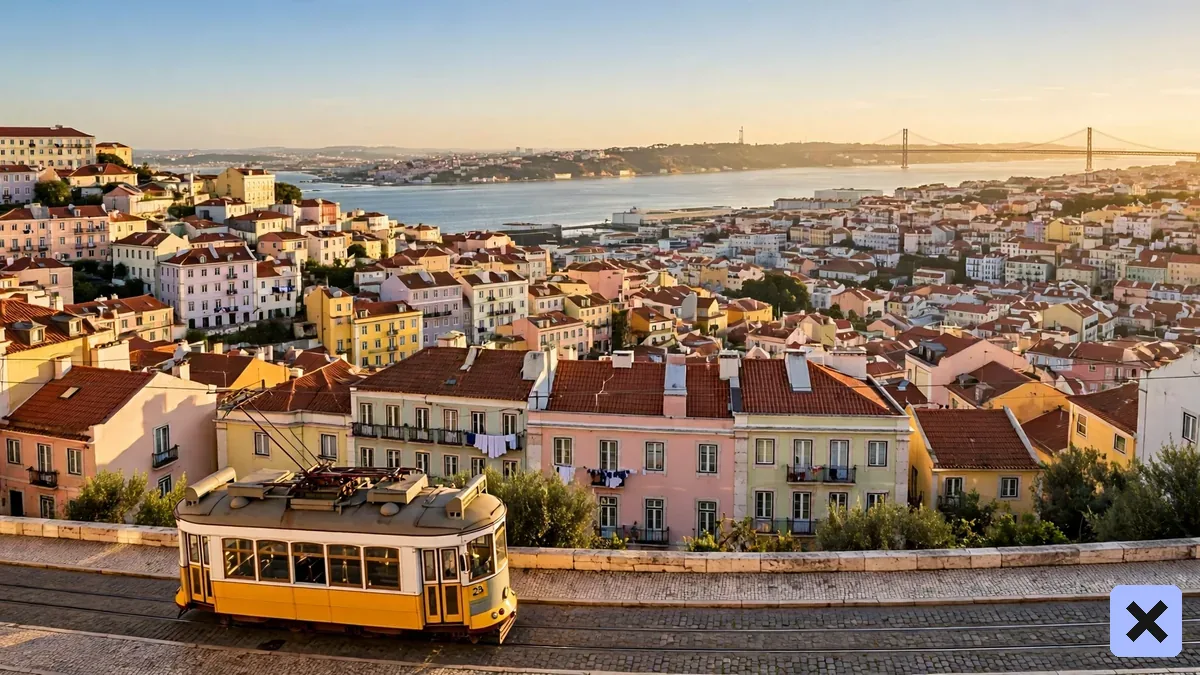
Lisbon is the best city break in Europe for 2026 because it does everything a short trip needs, at a price that undercuts Paris, Amsterdam, and Copenhagen. Trams rattle through the old districts of Alfama and Bairro Alto, where narrow streets, tiled facades, and small restaurants make wandering the main pleasure. Food is a highlight, from warm custard tarts to grilled sardines, and Sintra and Cascais make easy day trips. Visit in spring or autumn, and stay in Baixa or Chiado.
2. Paris, France
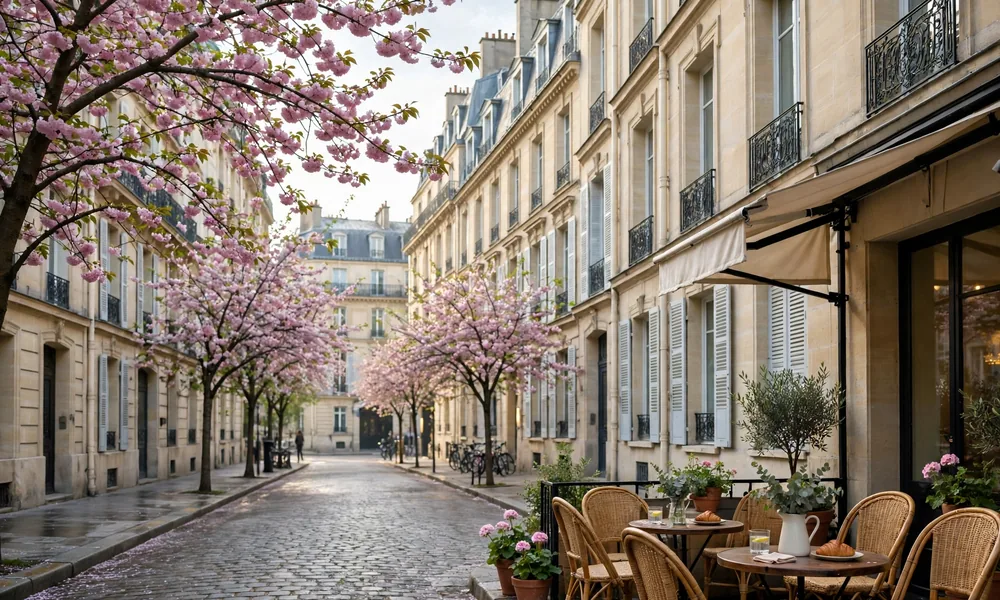
Paris remains the benchmark for a European city break. No other city combines world-class museums, grand boulevards, neighbourhood markets, and food of this quality in such a compact centre. The Louvre and the Musée d’Orsay deserve a full morning each, but the best of Paris is often found between the sights: a morning market in the Marais, a walk along the Seine at dusk, or a long lunch in a small bistro. Paris is expensive, so book museums in advance and eat your main meal at lunch for better value.
3. Prague, Czech Republic
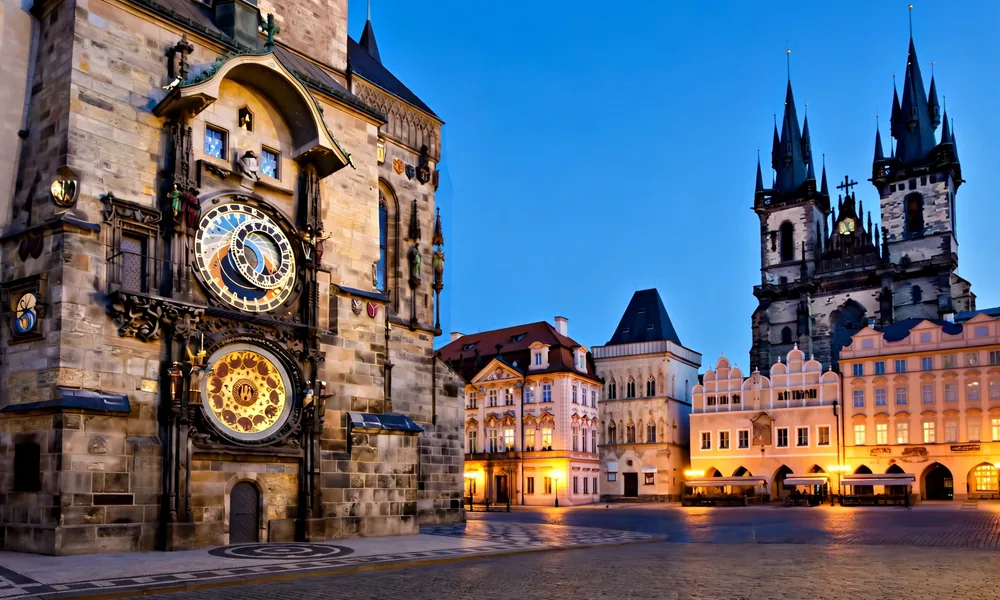
Prague is one of the most beautiful cities in Europe, and one of the best value choices in the top ten. The Old Town Square, the Astronomical Clock, and the Charles Bridge are genuinely impressive in person, and the castle district across the river rewards a full morning of slow exploration. Beyond the famous sights are quiet courtyards, beer gardens, and neighbourhood cafés. It is at its best in late spring, early autumn, and December, when the Christmas markets fill the squares.
4. Barcelona, Spain
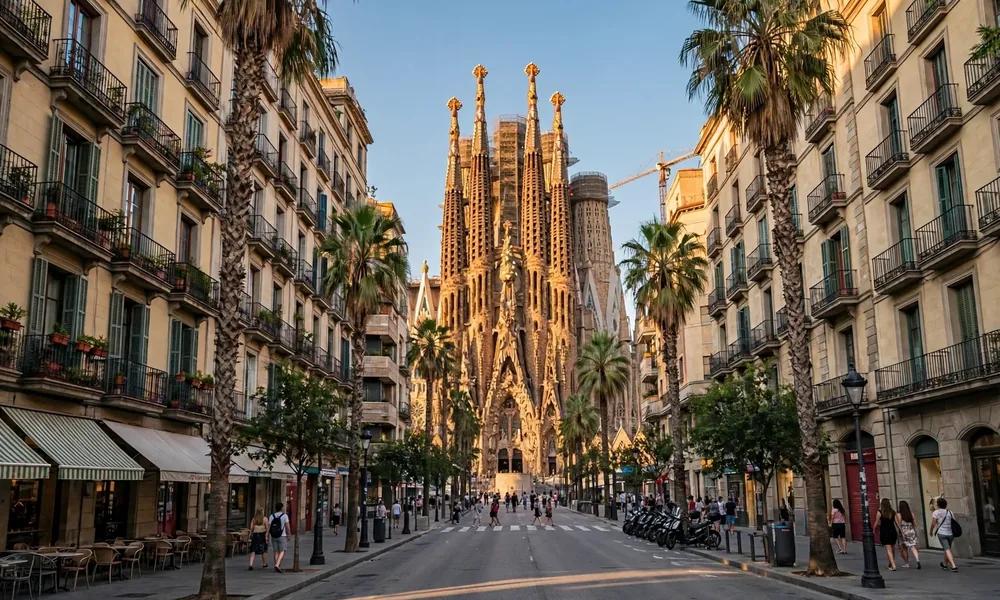
Barcelona combines a great city with a beach, which is a rare advantage on a short trip. The Sagrada Familia is the unmissable sight, but the city also offers the winding streets of the Gothic Quarter, the food markets of La Boqueria, and the parks and viewpoints of Montjuïc. Barcelona is busy in summer, so spring and autumn are better. Stay in the Eixample or the Gothic Quarter, and book the Sagrada Familia and Park Güell in advance. Visitors should also be aware of the tourist traps in Europe that can spoil a good trip, and choose restaurants away from the busiest squares.
5. Rome, Italy
Rome is the best city break in Europe for history lovers. The Colosseum, the Roman Forum, and the Vatican are among the most impressive sights on the continent, and they sit alongside piazzas, fountains, and neighbourhood trattorias that make the city a pleasure between visits. Rome rewards slow travel: a single ancient site, properly explored, is worth more than a rushed tour of five. Spring and autumn suit long walks and outdoor dining best, so plan early starts and book the major sights in advance.
6. Amsterdam, Netherlands
Amsterdam is one of the easiest cities in Europe for a short break. The centre is compact, flat, and best explored on foot or by bicycle, and the canals give every walk a sense of beauty. The Rijksmuseum and the Van Gogh Museum are world-class, the Jordaan district is full of independent shops and cafés, and the city has a relaxed, open atmosphere that suits a weekend perfectly. Spring is the classic season, when tulips fill the parks, but early autumn is equally good and quieter. Book hotels early, as Amsterdam is expensive, and cycle like a local.
7. Vienna, Austria
Vienna is the most elegant city break on this list. The imperial palaces, the coffee houses, and the concert halls give the city a grandeur that is hard to match, and the food, from schnitzel to sachertorte, is a pleasure in itself. The historic centre is compact and walkable, with the Ringstrasse, the Hofburg, and Schönbrunn Palace forming a natural route through the city’s history. Vienna is excellent in late spring and in December, when the Christmas markets are among the best in Europe. Spend unhurried time in a coffee house, and include at least one concert.
8. Copenhagen, Denmark
Copenhagen is the best city break in Europe for design lovers and cyclists. The city is clean, calm, and beautifully designed, from its harbour baths to its modern architecture. Nyhavn is the postcard view, but the real pleasure is in the neighbourhoods: Nørrebro for food and markets, Vesterbro for bars and restaurants, and the waterfront for long walks and cycling. Copenhagen is expensive, and it is best from late spring to early autumn, when long days and outdoor eating make the most of the city.
9. Edinburgh, Scotland
Edinburgh is one of the most atmospheric city breaks in Europe. The Royal Mile runs from the castle to the Palace of Holyroodhouse, and the city is full of closes, courtyards, and viewpoints, including the climb up Arthur’s Seat for a panorama over the city. The museums are excellent, the pubs are warm and welcoming, and the food scene has improved enormously in recent years. August brings the famous festivals, so book well ahead; for a quieter trip, visit in May, June, or September.
10. Seville, Spain
Seville is the warmest and most romantic city on this list. The Alcázar, the cathedral, and the Plaza de España are among the most beautiful sights in Spain, and the old quarter of Santa Cruz is a maze of whitewashed streets, orange trees, and hidden squares. Flamenco, tapas, and long evenings outdoors give the city a rhythm unlike anywhere else in Europe. Seville is best in spring and autumn, when the orange blossom is out or the heat has eased. Avoid July and August, when temperatures can be extreme.
How to Plan the Perfect City Break
A good city break is planned around limits, not ambitions. Three full days is ideal for most cities on this list: enough for the major sights and the neighbourhoods, without the exhaustion of a packed schedule. Two days works well for smaller cities such as Prague and Edinburgh, while Paris and Rome deserve at least three.
Stay central. A hotel in the historic centre costs more, but it saves time and taxi fares, and puts the best streets and restaurants on your doorstep. The worst city break mistakes are often simple ones: staying too far out, trying to see too much, and leaving no time to enjoy the city itself. Choose one major sight per day, book it in advance, and leave the rest of the day open for wandering. Pack light: comfortable shoes matter more than a second outfit, and the right travel backpack for 2026 keeps essentials close without weighing you down.
City Break Checklist
Use this checklist before every trip.
- Book flights, hotels, and the main sights before you travel, especially in spring and autumn.
- Check passport validity, travel insurance, and any entry requirements for your destination.
- Choose a central hotel near the sights and restaurants you most want to visit.
- Plan one major sight per day and leave the rest of the day open for wandering.
- Pack comfortable walking shoes, a light layer, and a small day bag for essentials.
- Download offline maps, save your hotel address, and keep a copy of your bookings on your phone.
Frequently Asked Questions
What is the best city break in Europe for 2026?
Lisbon is the best overall, thanks to its sunshine, value, food, and walkable centre. Paris suits a first visit best, Prague is the best value, and Barcelona is best if you want a beach too.
How many days do you need for a city break in Europe?
Two to four days is ideal. Two days suits smaller cities such as Prague and Edinburgh, while Paris, Rome, and Barcelona deserve three or four days.
When is the best time for a city break in Europe?
Spring and autumn suit most European cities, with mild weather, lower prices, and fewer crowds than summer. Seville is best in spring, Vienna shines in December, and Copenhagen is best from late spring to early autumn.
Which European city break is the cheapest?
Prague and Seville are the cheapest in the top ten. Lisbon is also good value, while Paris, Amsterdam, and Copenhagen are the most expensive.
Is it better to stay in the centre or outside it?
Stay in the centre whenever you can. A central hotel costs more, but it saves time and transport costs, and puts the best streets and restaurants within easy walking distance.
Do I need to book sights in advance?
Yes, book the major sights in advance for Paris, Rome, Barcelona, and Amsterdam, where the most popular museums sell out. Booking ahead saves hours of queuing.
The Bottom Line
The best city breaks in Europe 2026 offer something for every traveller, from the sunshine of Lisbon to the art of Paris, the history of Rome, and the warmth of Seville. Choose the city that matches your season, budget, and pace, stay central, book the main sights in advance, and leave time to enjoy the streets and cafés that make each city special.