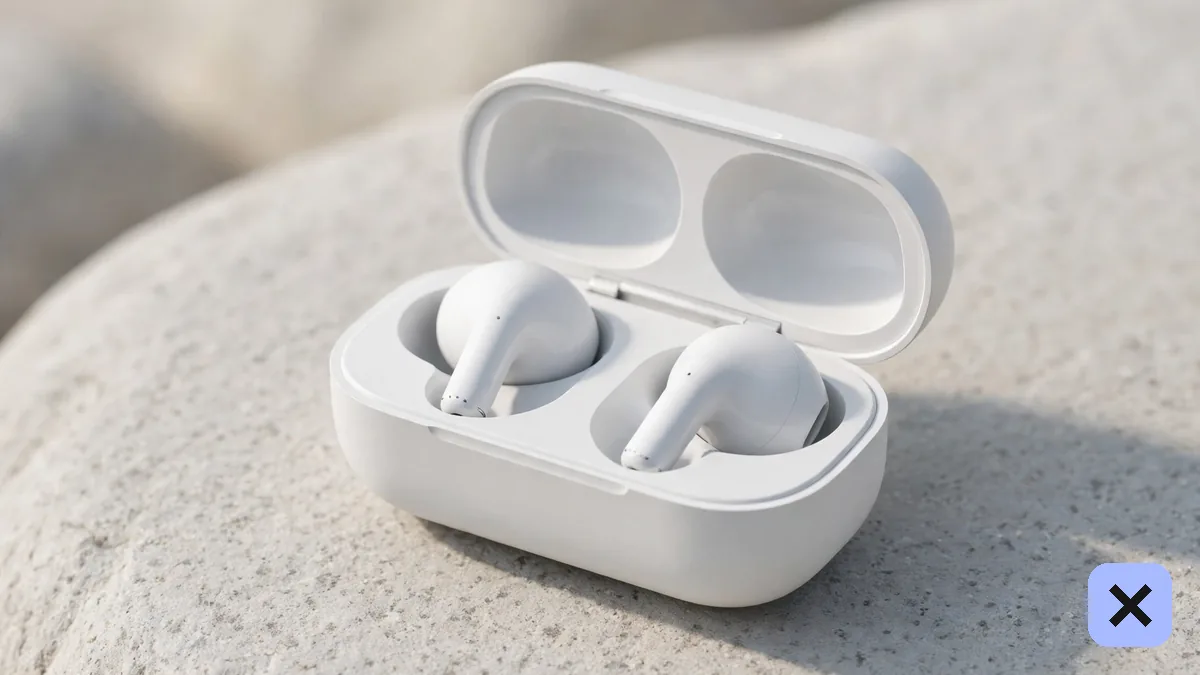
The best wireless earbuds 2026 have reached the point where there is no longer a serious trade-off to accept. The leading pairs now deliver rich, detailed sound, strong noise cancelling, clear calls, and battery life that covers a full working day, all in a case small enough to disappear into a jacket pocket. For most people, the right pair is no longer a compromise between sound and convenience.
That progress makes choosing harder in a different way. Almost every pair sounds good in a shop demonstration, and every box promises the same battery life and noise cancelling. The real differences show up later, on a noisy train, during a long call, or after three hours of listening. Comfort, fit, microphones, and connection reliability matter far more in daily use than a single specification.
This guide focuses on what actually matters. We compare sound quality, noise cancelling, comfort, battery life, call quality, and value, and we explain which type of earbud suits which kind of listener. Whether you want the best all-rounder, the best pair for travel, or the best value for everyday listening, you will find a clear recommendation below.
Key takeaways
- Fit matters more than brand: a secure seal improves bass, noise cancelling, and comfort more than any single feature.
- Look for at least 7 hours of listening per charge, and 24 hours or more with the case.
- Strong noise cancelling is worth paying for if you commute, fly, or work in a noisy office.
- Try every ear tip size in the box before judging sound quality or comfort.
- Clear microphones and stable Bluetooth matter as much as music quality if you take frequent calls.

What Makes a Great Pair in 2026
A great pair starts with the fundamentals: the earbuds must fit securely, sound balanced across bass, mids, and treble, and stay connected without dropouts. Everything else, from spatial audio to wireless charging, is a bonus that only matters once those basics are right.
Sound Quality and Balance
Balanced sound suits every kind of music and listening. A balanced pair plays acoustic songs, podcasts, and bass-heavy tracks with equal confidence, and never forces you to reach for the equaliser to fix an obvious flaw. Look for sound described as neutral or balanced rather than bass-boosted, and check the app offers a simple equaliser. Codec support matters less than fit and tuning: a well-tuned pair on a standard codec beats a poorly tuned pair on an advanced one.
Noise Cancelling and Transparency
Active noise cancelling is one of the most useful features for commuters and frequent flyers. The best systems reduce engine, train, and air-conditioning rumble to a quiet murmur, letting you listen at lower, safer volumes. It should feel natural rather than pressurised, with no hiss when no music is playing. Transparency mode is its equally important partner, letting the outside world in so you can hear announcements or talk to a colleague without removing the earbuds. Before choosing, it also helps to see what to avoid, so read our guide to the worst wireless earbuds for everyday use and learn which common flaws make a pair frustrating within weeks.
The Best Wireless Earbuds 2026 at a Glance
The table below summarises the leading contenders for 2026. Use it to narrow the field, then read the notes to find the pair that matches how you listen.
| Pair | Best for | Battery (buds + case) | Noise cancelling | Price band |
|---|---|---|---|---|
| Everyday Flagship | Best all-rounder | 8 + 24 hours | Excellent | Premium |
| Travel Champion | Flights and commuting | 7 + 28 hours | Excellent | Premium |
| Sound First | Music lovers | 8 + 24 hours | Very good | Premium |
| Value Star | Everyday value | 7 + 30 hours | Good | Mid-range |
| Sport Pick | Workouts and running | 9 + 27 hours | Good | Mid-range |
Our Top Picks in Detail
The five picks below cover the needs of most listeners. Each one has been judged on the same criteria: sound, noise cancelling, comfort, battery, calls, and value.
The Best All-Rounder
The best all-rounder does everything well: balanced, detailed sound across every genre, noise cancelling that handles trains and offices with ease, and a comfortable fit that stays secure for hours. Call quality is clear, the app is straightforward, and the case is compact. Its only real weakness is price, because a true all-rounder sits at the premium end of the market.
The Best Pair for Travel
The travel champion is built for long journeys. Its noise cancelling is the strongest in this guide, cutting engine drone and cabin noise so films and music stay clear at modest volume. Battery life stretches further with the case, so a pair can survive a long-haul flight and the days around it. It uses soft, shallow tips that sit gently in the ear rather than pressing deep into the canal, which matters as much as silence on long flights.
The Best Pair for Music Lovers
The sound-first pick is for listeners who care about music above everything else. Larger drivers and careful tuning produce a wide, detailed soundstage, with instruments clearly separated and vocals placed naturally. Acoustic recordings sound open and realistic, while electronic tracks keep their energy without turning muddy. It still offers good noise cancelling and solid battery life, but leads in neither.
The Best Value Pair
The value star proves you do not need premium money for a genuinely good pair in 2026. It offers balanced sound, respectable noise cancelling, long battery life, and a comfortable fit at roughly half the flagship price. For everyday listening, most people would struggle to tell it apart from a pair costing twice as much. Noise cancelling is good rather than great, and the app offers fewer options, but if your budget is limited, the value star is the smart buy.
The Best Pair for Workouts
The sport pick is designed for movement. A secure wing or hook design keeps the earbuds in place through sprints and heavy gym sessions, and a strong sweat resistance rating shrugs off rain and intense workouts. The controls are physical buttons, so they work reliably with sweaty hands. Sound is energetic, with punchy bass for workout playlists, though less refined than the music-first pick for quiet listening. Runners should also check the common pitfalls in our guide to the worst earbuds for running, which explains why so many ordinary earbuds fail during workouts.

Fit, Comfort, and Ear Tips
Fit is the part of buying earbuds that most people rush, and it is the part that causes most returns. Every ear is shaped differently, and a pair that fits one person perfectly can feel loose or painful for another. Always try all the ear tip sizes included in the box, and wear the earbuds for at least twenty minutes before deciding. A good fit feels secure without pressure, seals out a noticeable amount of outside noise even before noise cancelling switches on, and stays in place when you chew, talk, or turn your head.
Foam tips are worth trying if silicone tips never feel quite right: foam expands to fill the ear canal, often improving comfort and bass. People with smaller ears should watch size and weight, since large, heavy earbuds can ache after an hour, while compact, light pairs can be worn all day.
Battery Life and Charging
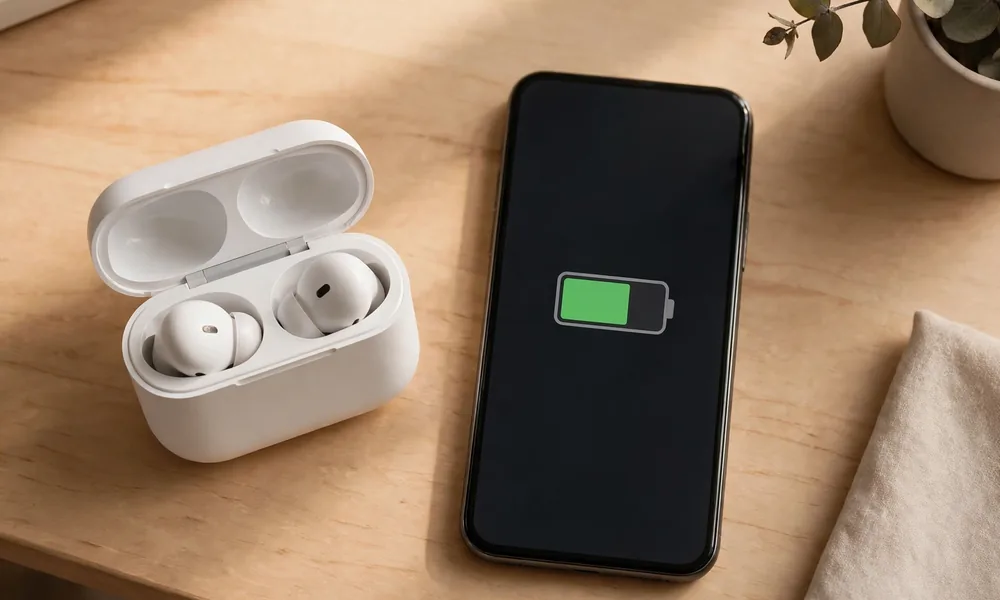
Battery numbers on the box can mislead, since manufacturers usually quote life with noise cancelling off and volume moderate. In real use, expect less. Look for at least seven hours from the earbuds with noise cancelling on, and twenty-four hours in total with the case. Fast charging is genuinely useful: many pairs offer two or three hours of listening from a ten-minute charge.
A good case is compact, closes securely, and shows the battery level clearly. It should fit in a jeans pocket and survive a drop onto a hard floor. Wireless charging is convenient but not essential, while USB-C charging is now standard on any new pair in 2026.
Call Quality and Everyday Features
Call quality still separates good earbuds from great ones. The best pairs use multiple microphones and clever processing to isolate your voice from wind, traffic, and background chatter, so the person on the other end hears you clearly. Cheaper pairs often sound distant or muffled on calls, especially outdoors. If you take calls while walking or commuting, test call quality in a noisy place rather than in a quiet room, because that is where the differences appear.
Multipoint connection lets earbuds stay connected to a phone and a laptop at the same time, so a call on your laptop pauses music on your phone automatically. Other features worth having include reliable controls and a find-my-earbuds feature. If you already own over-ear headphones, our guide to the best noise-cancelling headphones 2026 explains when headphones are the better choice and when earbuds win.
How to Choose: A Simple Checklist
Use this checklist when you are ready to buy. Work through it in order, and do not let a single flashy feature override a failure on the basics.
- Try every ear tip size, and confirm the fit stays secure when you move your head and jaw.
- Check battery life with noise cancelling on, not off, and confirm the case holds at least three full charges.
- Test noise cancelling and transparency mode in a real noisy place, not just in a quiet shop.
- Make a test call outdoors to judge microphone quality in wind and traffic.
- Confirm multipoint connection if you switch between a phone and a laptop.
- Check the warranty and the cost of replacement ear tips before you buy.
Frequently Asked Questions
How much should I spend on wireless earbuds in 2026?
For most people, the sweet spot is the mid-range, where sound, noise cancelling, and battery are all strong. Premium pairs are worth it if you listen for many hours a day or travel often.
Do wireless earbuds fall out easily?
A well-fitting pair should not fall out during normal activity. The key is the right ear tip size and, for exercise, a pair with wings or hooks. If earbuds keep slipping, try foam tips, which grip more firmly than silicone.
Is noise cancelling safe for long listening sessions?
Yes, good noise cancelling is generally safe, and it can protect your hearing by letting you listen at lower volumes in noisy places. If you feel pressure, switch to transparency mode and take regular breaks.
How long do wireless earbuds last?
Most quality earbuds last three to five years with daily use, although the battery gradually holds less charge. Keep them clean and dry, and store them in the case when not in use.
Can I use wireless earbuds for running?
Yes, provided you choose a pair with a secure fit and a strong sweat resistance rating. Ordinary earbuds often slip when you sweat, so look for sport models with wings, hooks, or a deep-sealing tip, and dry the earbuds after a sweaty run.
Are wireless earbuds better than wired earbuds?
For convenience, wireless earbuds are clearly better: no cable to tangle and easy switching between devices. Wired earbuds still have a small edge in pure sound quality and never need charging, but for most listeners, the freedom of wireless is worth more than that difference.
The Bottom Line
The best wireless earbuds 2026 offer something for every listener, and the right choice comes down to how you will actually use them. Choose the all-rounder for the safest buy, the travel champion for flights and commutes, the sound-first pair for music, the value star for smart spending, or the sport pick for workouts. Prioritise fit, test what matters in real conditions, and buy the pair that disappears into your day.