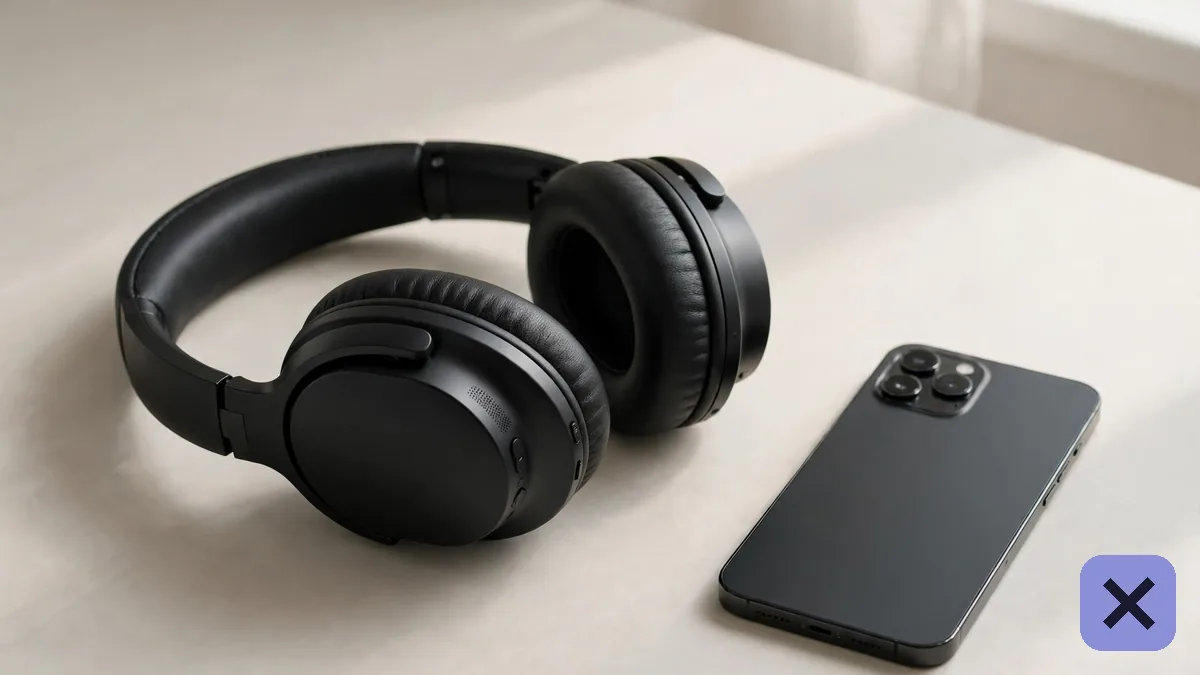
The best noise-cancelling headphones for 2026 do more than turn the volume down. They make a crowded train feel quiet, a long flight feel shorter, and a busy office feel like a room of your own, removing engine hum and chatter while keeping the music, podcast, or call you want clear.
Choosing well matters because the differences between good and great pairs are easy to miss in a shop and impossible to ignore after a month of daily use. A pair that sounds superb for twenty minutes can start to pinch after two hours, and a pair with powerful cancellation can still be a poor choice if its microphone makes you sound distant on calls.
This guide compares the strongest all-round options for 2026 across travel, work, and everyday listening. It explains how noise cancellation works, what to test before you commit, and which trade-offs are worth accepting. Every pick was judged on what matters in real life: noise removed, sound, comfort after hours of wear, and reliable switching between a laptop and a phone.
Key takeaways
- The best noise-cancelling headphones for 2026 combine strong low-frequency cancellation with a fit you can wear for hours.
- Over-ear designs still cancel more noise than earbuds, especially on planes and trains, where engine hum dominates.
- Battery life of 30 hours or more, with a quick-charge top-up, is the practical baseline for travel and work.
- Call quality, multipoint pairing, and wind handling matter as much as sound when headphones are used all day.
- Comfort is personal, so clamping force, earcup depth, and weight deserve as much attention as any specification.
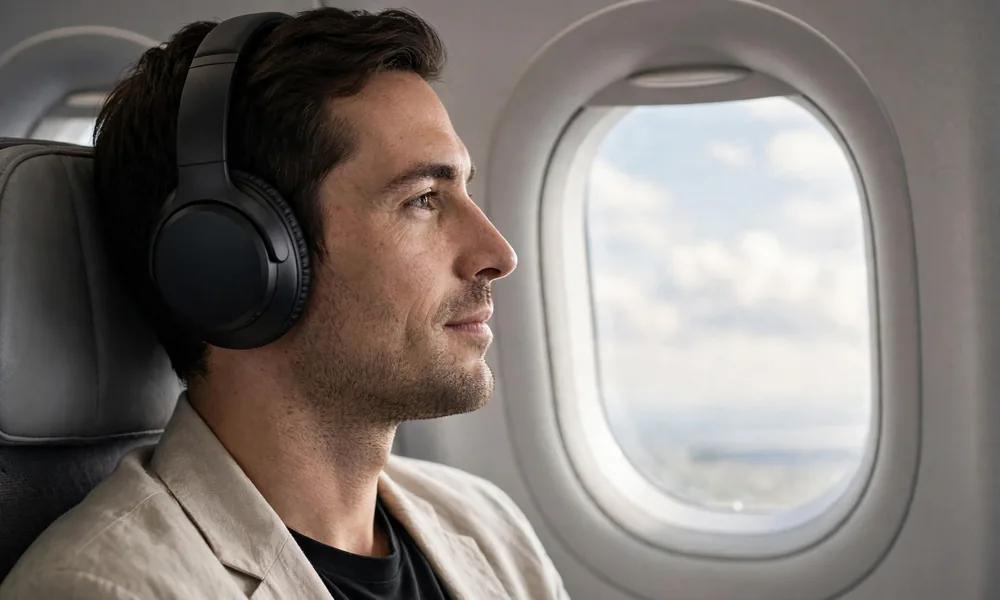
What Makes a Great Pair of Noise-Cancelling Headphones
Noise cancellation is not magic, and it is not the same as simply blocking sound with thick padding. The best pairs combine passive isolation, where the earcups seal around the ears, with active cancellation, where microphones listen outside and play an opposite wave that cancels the incoming noise.
How Active Noise Cancellation Actually Works
Active noise cancellation works best on predictable, continuous noise. The microphones pick up the hum of an engine or a fan, the processor calculates the opposite wave, and the two cancel each other out. Sudden sounds such as a door slamming are harder to erase, because they change too quickly to predict. A good pair softens them instead. Most pairs offer full cancellation for the deepest quiet and a transparency mode that lets in announcements or traffic.
Sound, Comfort, and the Details That Decide Daily Use
Sound quality is harder to judge from a specification sheet than it looks. The best pairs sound clear and balanced without pushing the bass so hard that voices become muddy, and they keep detail at low volumes, which matters because good cancellation means you do not need to turn the volume up. Comfort decides whether a technically excellent pair gets used: look at weight, clamping force, and earcup depth. A pair under about 260 grams is easier to wear all day, and deep earcups are kinder over long sessions, especially for glasses wearers. The strongest pairs last 30 to 40 hours with cancellation on.
The Top Picks at a Glance
The table below summarises the six picks. Use it to narrow the field, then read the full notes for the pairs that fit your routine.
| Pick | Best for | Battery (ANC on) | Weight | Standout strength |
|---|---|---|---|---|
| The All-Rounder | Most people | About 35 hours | About 250 g | Balanced sound and strong ANC |
| The Travel Pick | Flights and trains | About 40 hours | About 240 g | Deepest quiet, folds flat |
| The Work Pick | Calls and offices | About 30 hours | About 255 g | Clearest microphone |
| The Comfort Pick | Long sessions | About 35 hours | About 235 g | Lightest feel, soft earcups |
| The Sound-First Pick | Music lovers | About 30 hours | About 260 g | Richest, most detailed sound |
| The Value Pick | Tight budgets | About 30 hours | About 250 g | Strong ANC for the price |
The Best Noise-Cancelling Headphones 2026
The All-Rounder: The Safe Choice for Most People
The All-Rounder is the pair to buy if you want one set of headphones to do everything well. Its cancellation is strong across engine hum and office chatter, and its sound is balanced, with clean vocals and controlled bass. The fit is secure without squeezing, and the battery covers a working week of commuting and calls.
The Travel Pick: Built for Flights and Long Journeys
The Travel Pick is designed around one job: making a long journey quiet. Its cancellation is the deepest in this guide on steady, low-frequency noise, and it holds up when a plane climbs or a train picks up speed. It folds flat into a slim case, a short charge covers a connecting flight, and its transparency mode is clear enough to hear a gate announcement without removing the headphones.
The Work Pick: The Clearest Voice on Calls
The Work Pick is the pair for people who spend their days on calls. Its microphone array separates the voice from the room better than the others here, so colleagues hear words rather than keyboard clicks or a coffee machine. Its sound is tuned for speech, so voices sit forward and clear, and multipoint pairing works reliably, so a call on the laptop can interrupt music on the phone and hand back cleanly.
The Comfort Pick: The Easiest Pair to Wear All Day
The Comfort Pick is the lightest pair in this guide, and the difference is noticeable within the first hour. Its earcups are deep and softly padded, its headband spreads the weight evenly, and its clamping force is gentle without losing the seal. Glasses wearers will notice it most, because the cups sit around the arms of the frames instead of pressing them into the head.
The Sound-First Pick: For People Who Listen Closely
The Sound-First Pick is the choice for listeners who care most about the music itself. Its drivers deliver a wider, more detailed sound than the others here, with instruments given room to breathe and a bass line that stays tight rather than booming. Its cancellation is very good, though not the deepest, and its microphone is adequate rather than outstanding, so it suits music-first buyers more than all-day callers.
The Value Pick: Strong Cancellation Without the Top Price
The Value Pick proves that good noise cancellation no longer requires a top-tier price. Its cancellation handles the steady hum of a train or an office air conditioner well, its sound is warm and pleasant rather than precise, and its battery lasts a working week of commuting. It is the right choice for a first pair, a second pair for travel, or anyone who wants the quiet without paying for unused features.
How to Choose the Right Pair for You
Start with your noisiest routine, not with a specification sheet. If your main problem is a flight, prioritise deep low-frequency cancellation and a case that fits your bag. If it is an office, prioritise the microphone and multipoint pairing. If it is a long day of listening, prioritise weight and earcup depth. Then think about fit, because no review can settle it for you: head shapes, ear sizes, and glasses all change how a pair seals, and a seal that breaks by a millimetre can undo the best cancellation.
It also helps to know what you are comparing against. Many buyers come to over-ear headphones after years with earbuds, and the jump in quiet is large, but the trade-offs are real. Earbuds are easier to carry and better for exercise, and some of the worst wireless earbuds for everyday use show how badly that category can go wrong when the fit is poor or the battery is weak. Over-ear pairs win on quiet and sound, and lose on pocketability. If you want to see what separates a thoughtful design from a careless one, the headphones that genuinely matter are a useful reminder that good engineering shows up in the details.
Noise Cancelling for Travel, Work, and Home
Travel is where noise cancellation earns its keep. A good pair turns the drone of a cabin into a soft background, so music can be heard at a lower, safer volume and a film can be followed without subtitles. The best travel pairs handle pressure changes well and survive being folded dozens of times without the hinges loosening.

At work, the job is different. The noise is voices, keyboards, and interruptions rather than a single hum, so cancellation plus good passive isolation matters, as does hearing a colleague quickly without fumbling for a button. At home, headphones can mark the start of focused work or let one person watch a film while another sleeps. There, comfort and sound matter most.
What to Avoid When Buying
The most common mistake is buying on a single number, whether a cancellation rating, a driver size, or a battery figure. No single number captures how a pair behaves in a real room, and manufacturers measure these things in different ways. The second mistake is ignoring the microphone: many buyers test the sound and the fit, then discover on their first call that they sound muffled. The third mistake is choosing a pair built for a different use. A gaming headset is tuned for a desk and a game, not for a train, and some of the worst gaming headsets for comfort show how quickly a heavy, tight design becomes tiring away from a desk.
Checklist: Before You Buy
- Wear the pair for at least thirty minutes, including while walking, to test comfort and seal.
- Test the cancellation on a steady low sound, such as a fan, and on voices.
- Make a test call from a noisy place and ask how your voice sounds.
- Check the battery with cancellation on, and time a ten-minute top-up.
- Confirm multipoint pairing, a wired mode, and a case that fits your bag.
- Check the return policy, so a pair that feels wrong after a week can go back.
Frequently Asked Questions
Do noise-cancelling headphones block all sound?
No. They are strongest on steady, low sounds such as engines and fans, and they soften voices and sudden noises rather than removing them. They make the world much quieter, but they do not create total silence.
Are noise-cancelling headphones safe for long listening?
Yes, when used sensibly. Good cancellation lets you listen at a lower volume, which is kinder to your hearing than turning cheap earbuds up to drown out noise. Take breaks and keep the volume moderate.
Do they work without music playing?
Yes. Cancellation works on its own, and many people wear their headphones with no audio at all. The effect is strongest on steady background noise, on a flight or in a busy office.
Can I use noise-cancelling headphones for phone calls?
Yes, and the quality varies widely. The best pairs use several microphones to separate your voice from the room, while cheaper pairs can sound muffled in noise. If calls are a daily job, test the microphone first.
Are over-ear headphones better than earbuds for noise cancelling?
For sustained quiet, yes. Over-ear designs seal better, cancel low-frequency noise more deeply, and usually last longer on a charge. Earbuds win on size and exercise, so the right choice depends on where you listen most.
How long should a good pair last?
A well-made pair should last several years of daily use. The battery will slowly lose capacity, and the ear cushions will wear first, so check whether cushions can be replaced. A replaceable cushion and a wired mode both extend its life.
The Bottom Line
The best noise-cancelling headphones for 2026 are the ones that stay quiet, comfortable, and reliable through the whole day, not just the first ten minutes. The All-Rounder is the safest choice for most people, the Travel Pick is the best companion for frequent flyers, and the Work Pick is the strongest option for a life of calls. If comfort matters most, choose the Comfort Pick, and if music comes first, choose the Sound-First Pick.


