A student planner has one job: to keep every deadline, lecture, and exam visible in one place, so a student never misses what matters. The worst planners for students in 2026 fail at it in ways that leave a student with deadlines written in margins, a binding broken by October, or pages so cramped they cannot be read. They waste space, use paper that bleeds, or run out of weeks before the term ends. Students buy them hoping for a term that runs smoothly. What they get is a planner that confuses, a planner that falls apart, or a planner that gets abandoned by the second week. A planner that is bought for a term should be judged in December, not in September, because September is when every planner still looks organised.
Pages Too Cramped to Write In
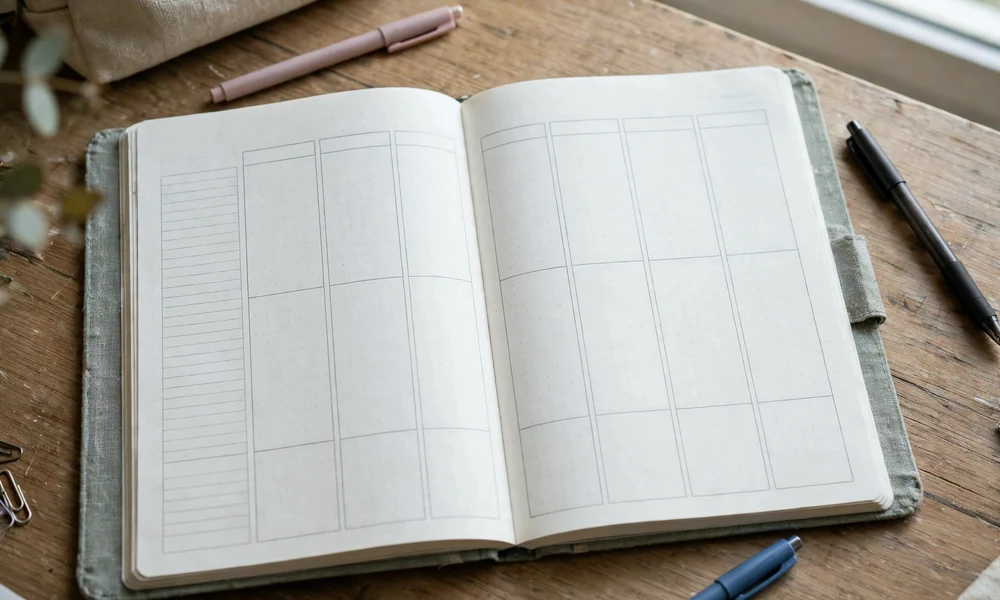
A planner page must have room to write, and the worst planners cram too much into too little space. The daily boxes are tiny, the lines are too close together, and a student with normal handwriting cannot fit a lecture title, a room number, and a deadline into one box. The result is writing squeezed into margins, deadlines written across two boxes, and a page that cannot be read at a glance. A planner that cannot be written in is a planner that cannot be used, and a student who cannot read their own plan will miss deadlines. A box that is too small for a lecture title will force the student to abbreviate, and an abbreviated deadline is a deadline that gets misread.
Open the planner in the shop and write in it, with your normal handwriting and your usual pen. A good planner gives each day enough space for three or four entries, with lines that guide your hand without crowding it. A weekly view suits most students better than a daily view, because it shows the whole week at once, while a daily view suits a student with a packed timetable. If you cannot fit a normal day into one box, the planner is too small for you, and a bigger format is worth the extra weight. A weekly view suits most students better than a daily view, because it shows the whole week at once and makes clashes obvious.
Layouts That Waste Half the Page
A planner layout should earn its space, and the worst ones waste half the page. Large decorative headers, empty boxes for things a student never tracks, and whole pages given over to quotes or colouring leave too little room for actual plans. Some planners give a full page to each day and then fill it with pre-printed prompts a student never uses, so the planner is thick, heavy, and mostly empty. A planner that wastes space is a planner that is heavy to carry and light on use, which is the worst combination for a student bag. A decorative page that takes up a third of the book adds weight and cost without adding use, and a heavy planner is one that gets left at home.
Look for a layout that matches how you actually plan. A student who plans by the week needs a weekly spread with room for notes, while a student who plans by the day needs a daily page with enough lines. Skip planners with decorative pages that take up a third of the book, because they add weight and cost without adding use. A good planner is mostly blank space for your plans, not pre-printed decoration, and a planner that respects your time is one you will keep using. If you want the dedicated guide to choosing one, our guide to the best planners of 2026 covers the planners that suit every kind of student. A student who plans by the day needs a daily page with enough lines, while a student who plans by the week needs a spread that shows it all at once.
Bindings That Break by October
A student planner must survive a whole term in a bag, and the worst ones break by October. Spiral bindings snag and unwind, glued bindings crack when the planner is opened flat, and cheap stitching pulls apart at the middle. A planner that breaks loses pages, and a student who loses pages loses deadlines, which is the worst failure a planner can have. The binding takes more punishment than any other part of the planner, because it is opened and closed every day, and it is the part that fails most often. A binding that breaks in October loses the pages with the most important deadlines, because those are the pages that are opened most often.
Look for a binding that opens flat without cracking: a sewn binding lasts longest, while a good spiral binding should be strong and have its ends tucked in so it does not snag. Open the planner flat in the shop and check the middle: if the pages pull away from the spine, the binding will not survive a term. A planner that is still intact in December is a planner whose binding did its job, and a planner that breaks in October is a planner that failed at the worst possible time. A spiral that snags on everything in the bag will unwind a little further every day, until the planner falls apart in the middle of a lecture.
Paper That Bleeds and Ghosts
Planner paper must hold ink on one side, and the worst planners let it bleed through to the other. Thin paper soaks up ink from a pen, so every deadline shows through on the back, and a page that should hold two sides of plans holds only one. The problem is worst with gel pens and highlighters, which students use most, and a planner that bleeds is a planner that wastes half its pages. A student who can only use one side of every page needs two planners, and a planner that costs twice as much is a planner that has failed. A page that bleeds through wastes the page behind it, and a planner that wastes half its pages costs twice as much as it should.
Write in the planner before you buy it, with the pen and highlighter you actually use, and check the back of the page. A good planner uses paper of at least 80 gsm, and 100 gsm or more if you highlight heavily. If the ink bleeds, the paper is too thin for a student, and no pen choice will fix it. A planner whose paper holds ink is a planner that keeps its plans readable until exam day, and a planner that bleeds is a planner that will be abandoned. A highlighter that bleeds on thin paper may be fine on thick paper, so the test must be done with the highlighter the student actually uses.
No Room for Deadlines That Move
Student deadlines move, and the worst planners have no room for change. The boxes are fixed and tiny, with no space for a moved deadline, a changed room, or a note about what actually happened. A student who has to cross out and rewrite a deadline in the margin ends up with a page that is hard to read, and a page that is hard to read is a page that gets ignored. Some planners leave no blank pages at all, so there is nowhere to put a new plan when the old one changes. A planner that cannot change is a planner that cannot keep up with a real term. A deadline that moves without a space to write it down will be written in the margin, and a margin note is a deadline that gets missed.
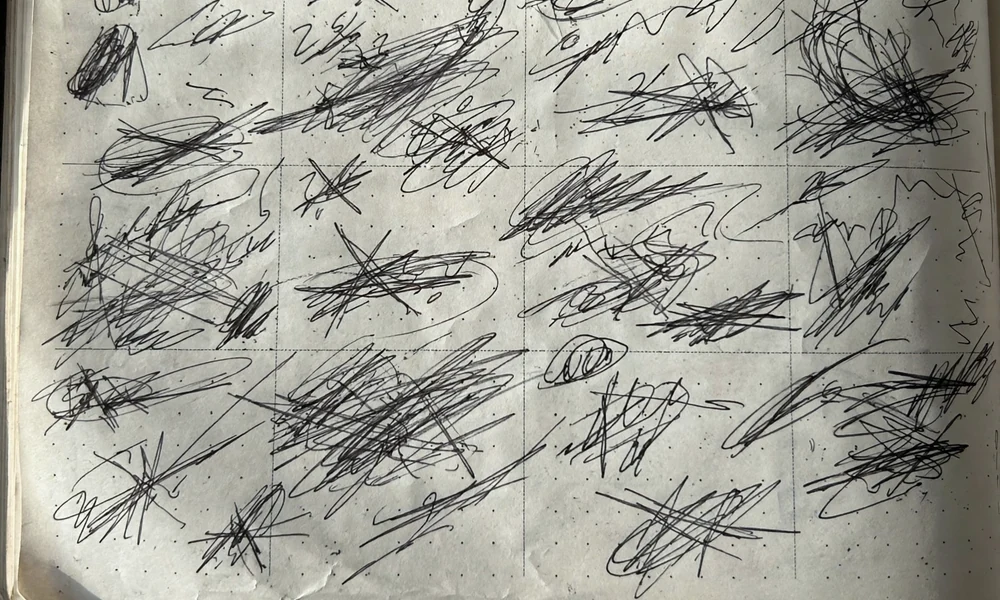
Look for a planner with blank pages at the back, and with enough space in each day box for a correction or two. A weekly view with a notes column is the most flexible, because a moved deadline can be written in the notes and the box can be updated. If the planner has no spare pages and no space for changes, it was designed for a perfect term, and no student’s term is perfect. A planner that bends with your plans is a planner that survives them. A weekly view with a notes column is the most flexible, because a moved deadline can be written in the notes and the box updated later.
Covers That Look Tired in Weeks
A student planner cover must survive a term in a bag, and the worst ones look tired within weeks. Thin card bends and peels, soft covers scuff and stain, and elastic closures snap or stretch out of shape. A cover that falls apart leaves the first and last pages exposed, and those pages usually hold the most important dates of the term. The cover is the planner’s only protection, and a cover that fails leaves the plans unprotected. A cover that scuffs in the first week will look tired by the second month, and a tired planner is one a student stops carrying.
Look for a cover that is stiff enough to protect the pages but flexible enough not to crack when the planner is opened flat. A hardcover planner lasts longest, while a good softcover with sturdy card and rounded corners is a fair compromise. Check the corners and the closure in the shop: if they are already bent or loose on a new planner, they will not survive a week in a bag. A planner that still looks tidy in December is a planner whose cover did its job. An elastic closure that stretches out of shape will not hold the planner shut, and a planner that falls open in the bag loses pages.

What to Buy Instead
The planners worth buying share a short list of features, and none of them is expensive on its own. Pages with room to write, a layout that matches how you plan, and a binding that opens flat without breaking. Paper of at least 80 gsm that holds ink and highlighter on one side. Blank pages at the back for changes, and a cover that survives a term in a bag. If a planner fails any one of those checks, keep looking.
Fit matters as much as build, and the planner should suit the student in front of you rather than the student in the photograph. A student with a packed timetable needs a daily view, while a student with a lighter load does better with a weekly view, and a student who highlights heavily needs thicker paper. Try writing in it before you buy, and check the back of the page for bleed. If you want a digital backup for your plans, our guide to the best note-taking apps of 2026 covers the apps that keep deadlines safe when paper fails.
The Bottom Line
The worst planners for students in 2026 share a pattern: pages too cramped to write in, layouts that waste half the page, bindings that break by October, paper that bleeds and ghosts, no room for deadlines that move, and covers that look tired in weeks. Avoid those six failures and you avoid almost every planner regret. Write in it before you buy, check the back of the page, and open it flat. Do that, and the planner you buy will be the one that carries you safely to exam day. And if you need the notebook to go with it, our guide to the best notebooks of 2026 covers the notebooks that last the whole year.