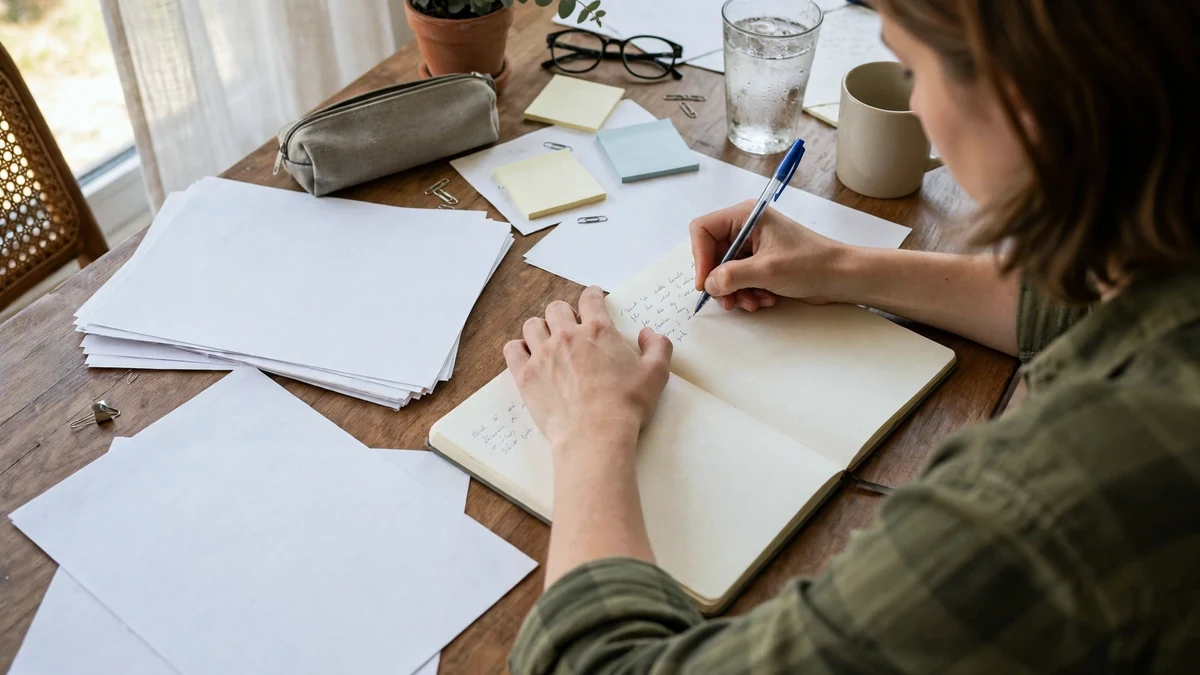
A pen for left-handers has one job: to write cleanly from left to right without smearing, scratching, or cramping the hand that holds it. The worst pens for left-handers in 2026 fail at it in ways that leave a writer with ink across the side of their hand, a page full of smudges, or a hand that aches after ten minutes. They use ink that dries too slowly, nibs that scratch when pushed, or grips that force the hand into a painful angle. Left-handers buy them hoping for a pen that finally works for them. What they get is a pen that smears, a pen that skips, or a pen that hurts to use. A pen that is bought for a left-hander should be judged after a full page, not after a signature, because a signature tells you nothing about how a pen writes.
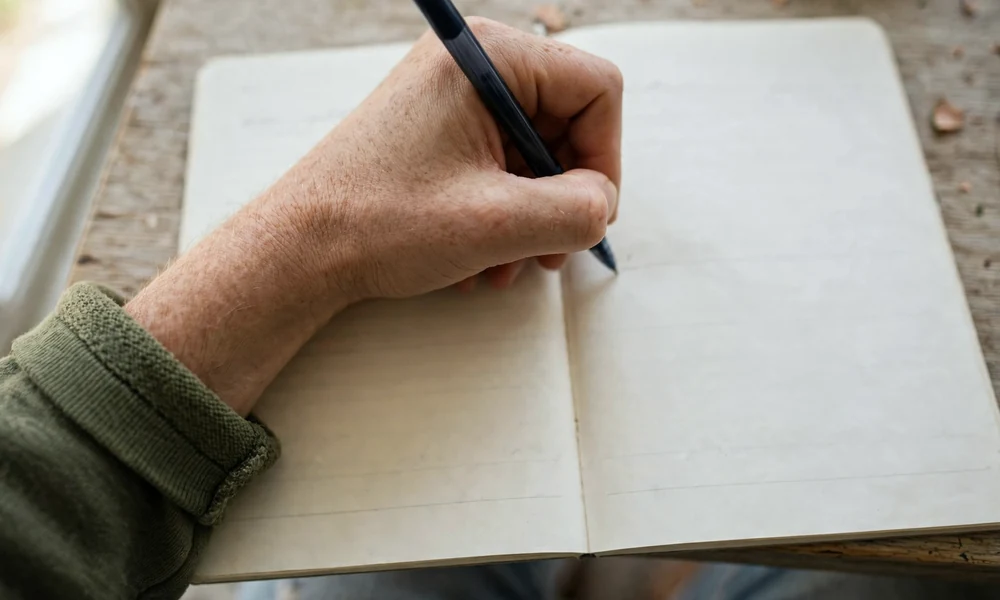
Ink That Smears Under a Left Hand
A left-hander’s hand follows the pen across the page, and the worst pens use ink that is still wet when the hand reaches it. The ink smears across the line just written, leaving a grey blur where the words should be, and the side of the hand ends up covered in ink. The problem is worst with gel pens and fountain pens, which lay down a lot of wet ink, but even a ballpoint with slow-drying ink will smear under a left hand. A pen that smears is a pen that makes every page look dirty, and a writer who cannot read their own notes will stop using it. A hand that ends up covered in ink will avoid writing altogether, and a pen that makes a writer avoid writing has failed completely.
Look for ink that dries in a second or two: a quick-drying gel, a ballpoint with a dry ink, or a fountain pen with a fine nib and a fast-drying ink. Test the pen by writing a line and running a finger across it after two seconds: if it smears, it will smear under a hand too. Left-handers should also try a pen with a nib designed for pushing rather than pulling, because a standard nib is made to be pulled across the page. A pen that dries fast is a pen that keeps a left-hander’s pages clean.
Nibs That Scratch the Page
A pen nib must glide smoothly, and the worst pens scratch when a left-hander pushes them across the page. A nib that is made to be pulled will catch and scratch when it is pushed, so the pen stutters, skips, and tears the paper. The problem is worst with fountain pens, whose nibs are ground for a right-handed pull, but cheap ballpoints and rollerballs scratch too when their tips are rough or misaligned. A pen that scratches is a pen that makes writing a chore, and a writer who has to press hard to make it work will end up with a sore hand. A nib that catches on the paper will catch again, because a rough tip does not smooth itself out with use.
Test the pen by writing a full page, not just a signature, and listen for scratching. A good pen for a left-hander glides quietly, with no catching or skipping, even when the nib is pushed. Look for nibs described as smooth or left-handed, and try a medium or fine nib before a broad one, because a broad nib lays down more ink and takes longer to dry. If the pen scratches on your paper, it will scratch on every paper, and a pen that scratches is a pen to avoid.
Grips That Cramp the Hand
A pen grip must suit the hand that holds it, and the worst pens force a left hand into a painful angle. Grips moulded for a right hand, with finger rests on the wrong side, push a left-hander’s fingers into an unnatural position, so the hand cramps within minutes. Some pens have grips that are too thick or too thin for a comfortable hold, or a grip section that is too short, so the fingers slide onto the barrel. A pen that cramps the hand is a pen that cannot be used for a full page, let alone a full lecture. A grip that forces the fingers into an unnatural angle will cause cramp within minutes, and cramp is the reason many left-handers hate writing by hand.
Hold the pen and write for a minute before you buy it, and check whether your fingers sit naturally on the grip. A good pen for a left-hander has a smooth, round grip with no moulded finger rests, or rests that suit either hand. The grip should be long enough for your fingers and the barrel should be balanced, so the pen does not feel top-heavy. If your hand aches after a minute, it will ache worse after an hour, and a pen that hurts is a pen that will stay in the drawer.
Pens That Skip and Blob
A pen must lay down a steady line, and the worst pens skip and blob. They skip when the ink does not flow, so words come out with gaps, and they blob when too much ink comes out at once, so a page is dotted with dark spots. The problem is worst with cheap ballpoints, whose balls stick and then release a flood of ink, but gel pens and rollerballs skip too when their ink is thick or their tips are dry. A pen that skips and blobs is a pen that cannot be trusted, and a writer who cannot trust their pen will not use it for anything important. A pen that blobs when it pauses will blob at the start of every sentence, because every sentence begins with a pause.
Test the pen by writing quickly for a full minute, with loops and long words, and check the line for gaps and blobs. A good pen lays down an even line at any speed, with no skipping when you write fast and no blobbing when you pause. Store the pen with its tip down if the maker allows it, and keep the cap on when it is not in use, because a dry tip skips more. If the pen skips on a fresh page, it will skip on every page, and a pen that cannot keep up with your hand is the wrong pen. If you want a pen that lays down a steady line every time, our guide to the best pens of 2026 covers the pens that write cleanly without skipping or blobbing.
Ink That Runs Out in Days
A pen should last, and the worst pens run out of ink in days. The refill is tiny, the ink flows too freely, or the pen leaks ink into its cap, so a pen that felt full on Monday is empty by Friday. Some pens use refills that are hard to find or expensive to replace, so the pen becomes disposable even though it was sold as a keeper. A pen that runs out quickly is a pen that costs more than it should, and a writer who has to buy a new pen every week will soon look for a better one. A refill that is hard to find will turn a good pen into a throwaway, however well it writes when it is full.
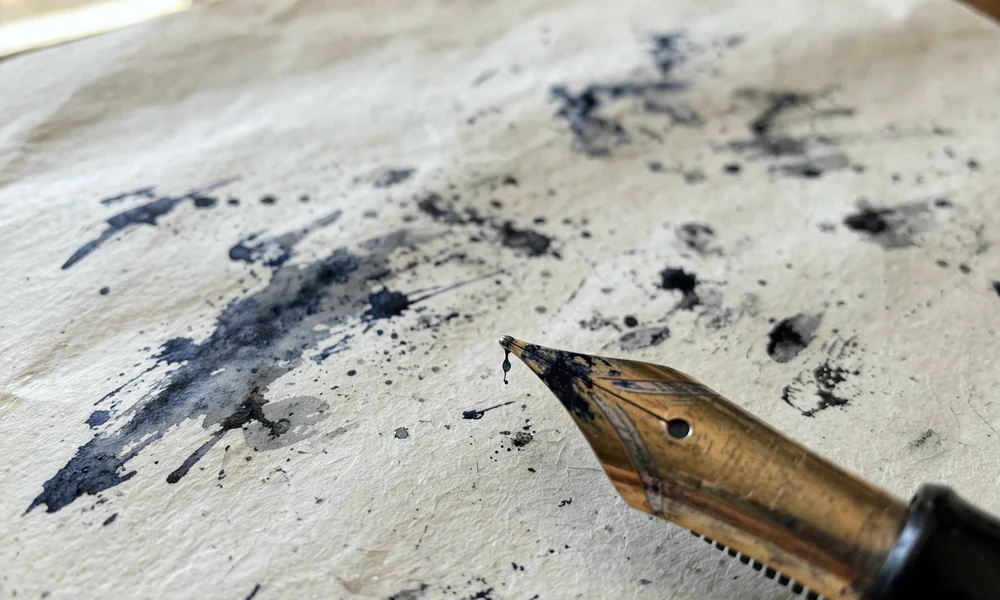
Check the refill before you buy, and look for a pen with a large ink supply and a refill that is easy to find and cheap to replace. A good pen should write for weeks of daily use before it needs a new refill, and it should not leak ink into its cap when it is stored. If the pen uses a refill you cannot buy locally, it will become a throwaway pen, however good it feels. A pen that lasts is a pen that is worth its price, and a pen that runs dry in days is a pen that was not made to last.
Barrels That Are Too Fat or Too Thin
A pen barrel must fit the hand that holds it, and the worst pens get the size wrong. A barrel that is too fat forces the fingers wide apart, so the hand tires quickly, while a barrel that is too thin gives the fingers nothing to grip, so the pen slips and the writer has to squeeze harder. Some pens are weighted badly, with all the weight in the cap or the back, so the pen feels unbalanced and the hand has to work to keep it steady. A pen that does not fit the hand is a pen that cannot be used comfortably, whatever its ink is like. A barrel that is too long will catch on the page for a writer who hooks their hand, and a caught barrel will drag the line sideways.
Hold the pen for a minute before you buy it, and write a full paragraph, not just a word. A good pen feels balanced, with its weight near the middle, and its barrel is thick enough to grip without squeezing. Left-handers who hook their hand over the line need a barrel that is not too long, because a long barrel catches on the page. If the pen feels wrong in your hand after a minute, it will feel worse after an hour, and a pen that does not fit is a pen to put back on the shelf.
What to Buy Instead
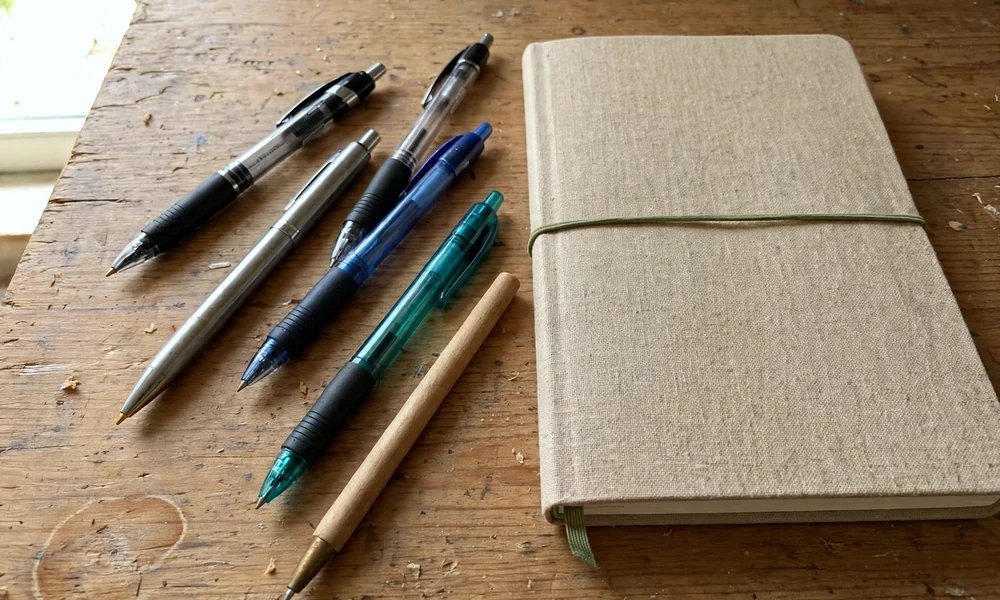
The pens worth buying share a short list of features, and none of them is expensive on its own. Ink that dries in a second or two, so it does not smear under a left hand. A nib that glides smoothly when pushed, not just when pulled. A smooth, round grip with no moulded finger rests, and a barrel that fits your hand and feels balanced. A steady ink flow with no skipping or blobbing, and a refill that lasts for weeks. If a pen fails any one of those checks, keep looking.
Fit matters as much as build, and the pen should suit the writer in front of you rather than the writer in the photograph. A left-hander who writes with a hooked hand needs a fast-drying ink and a short barrel, while a left-hander who writes below the line can use a wider range of pens. Test the pen on your own paper, for more than a few seconds, before you buy it. If you want a pen with a nib made for serious writing, our guide to the best fountain pens of 2026 covers the fountain pens that glide smoothly and dry fast.
The Bottom Line
The worst pens for left-handers in 2026 share a pattern: ink that smears under a left hand, nibs that scratch the page, grips that cramp the hand, pens that skip and blob, ink that runs out in days, and barrels that are too fat or too thin. Avoid those six failures and you avoid almost every pen regret. Write a full page with the pen, run a finger across the line after two seconds, and hold it for a minute before you pay. Do that, and the pen you buy will be the one that keeps your pages clean and your hand comfortable. And if you need the notebook to go with it, our guide to the best notebooks of 2026 covers the notebooks that hold ink on one side only.


