When the Wild Looks Staged: The Worst Wildlife Shows of 2026
The worst wildlife shows of 2026 do not fail because animals are boring. They fail because the animals are barely in them. A good wildlife show puts the animal first: real behaviour, filmed honestly, explained clearly, with enough patience to let something true happen on screen. The worst wildlife shows of 2026 do the opposite: they stage the hunt, dress the animal in a human story, pass a captive animal off as wild, and fill the gaps with slow motion and music. By the second episode, the viewer knows more about the narrator’s feelings than about the animal the show was supposed to reveal.
This guide is about wildlife shows, meaning series built around animals and their behaviour, not about documentary series in general. Our guide to the worst documentary TV shows of 2026 ranks the format failures that hit every factual series, from presenters who take over to cliffhangers that reset each week. It is also different from documentary films, covered in our guide to the worst documentaries of 2026, which judges single closed films on their evidence. And it is different from unscripted television, covered in our guide to the worst reality TV shows of 2026, where real people are filmed in manufactured situations. A wildlife show claims to show animals as they really live, and that claim is exactly what the worst ones betray. No single show is named as the worst here; the same patterns appear across many series.
Key takeaways
- A wildlife show earns trust by showing real behaviour; if the animal’s actions look choreographed, they probably were.
- Anthropomorphic narration is the biggest warning sign: animals do not have human motives, grudges, or revenge plans.
- Captive animals, baited hunts, and recycled footage are all ways of faking the wild instead of filming it.
- Judge a wildlife show by what you learn about the animal, not by how dramatic the music makes the scene feel.
- Quit after episode two if every animal behaves like a character in a soap opera; the show will not get more honest later.
How the worst wildlife shows of 2026 were ranked
Every type below was scored on five measures. Accuracy comes first: does the show identify the right species, in the right place, doing something that species actually does? Honesty of filming is second, judged on whether the behaviour was filmed as it happened or staged, baited, or faked. Behaviour is third, because a show that explains what an animal is doing is worth more than one that only shows it looking dramatic. Pacing is fourth: a show should observe patiently instead of cutting every few seconds. Respect is fifth, measured by whether the animals are treated as wild creatures or as props for a human story. The scores below are worst scores out of ten, with ten meaning the most punishing watch of the year.
Comparison table: the worst wildlife shows of 2026
| Rank | Worst type | Main flaw | Warning sign | Worst score |
|---|---|---|---|---|
| 1 | The Staged Hunt | Predator chases arranged or baited | The prey never escapes the camera | 10/10 |
| 2 | The Talking Animal | Human motives put on animals | The narrator gives animals dialogue | 10/10 |
| 3 | The Captive Passed Off as Wild | Zoo animals presented as wild | Clean paws, fences just out of frame | 9/10 |
| 4 | The Same Migration, Every Year | Recycled footage across series | You have seen this exact shot before | 9/10 |
| 5 | The Species Mix-Up | Wrong animal, wrong place | The habitat does not match the animal | 9/10 |
| 6 | The Slow-Motion Filler | Every moment stretched and scored | Ten minutes of slow motion, no new fact | 8/10 |
| 7 | The Cute-Baby Parade | Only babies, no adult behaviour | Every scene is a baby animal | 8/10 |
The worst wildlife shows of 2026
1. The Staged Hunt: a predator chase that was arranged, not filmed
The Staged Hunt is the worst type of wildlife show in 2026 because it breaks the one promise the genre makes: that what you are watching really happened. The predator stalks, the prey runs, the camera is in exactly the right place at exactly the right moment, and the chase ends in a perfect shot. It looks thrilling, and it is theatre.
2. The Talking Animal: narration that gives animals human motives
The Talking Animal turns a wild creature into a character in a human drama. The narrator tells you the mother is heartbroken, the young male is seeking revenge, and the rival is jealous, as though the animals were acting out a soap opera. Animals do feel things, but they do not plot revenge or nurse grudges, and a show that pretends they do is teaching the viewer fiction. The worst examples go further and put words into the animals’ mouths, with the narration speaking as though it were the animal’s own thoughts.
3. The Captive Passed Off as Wild: zoo animals in a wilderness costume
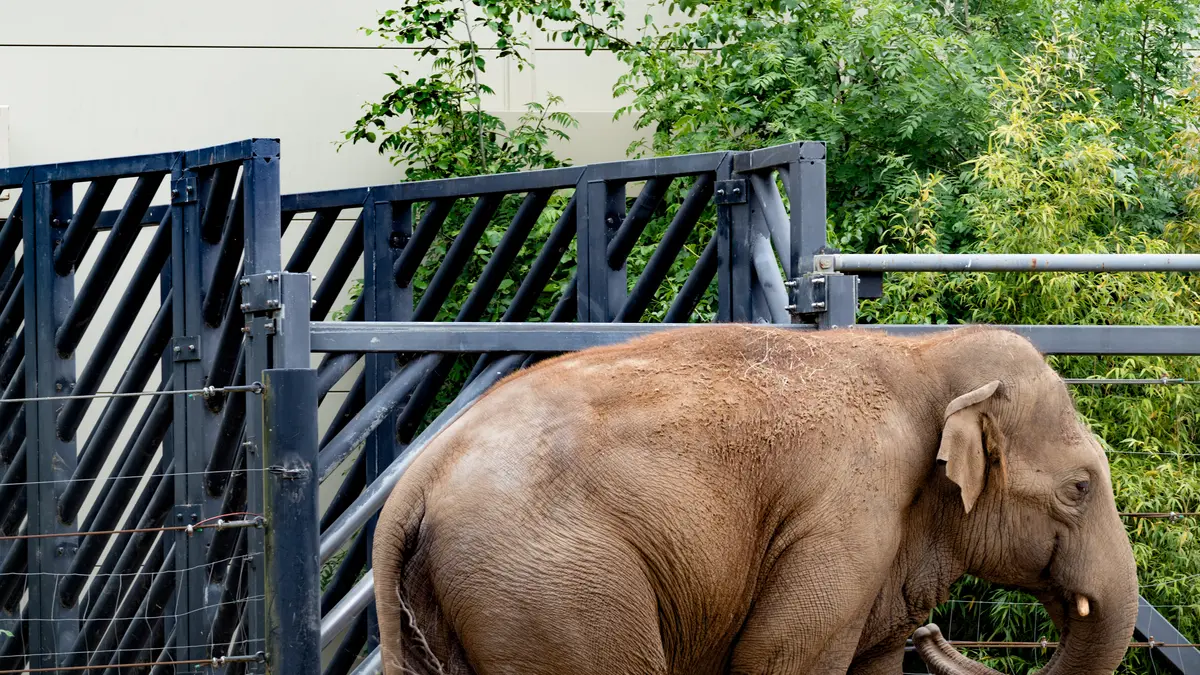
The Captive Passed Off as Wild is the wildlife show that films animals in enclosures, sanctuaries, or private collections and presents them as free and wild. The clues are small but steady: paws that are too clean, coats that are too glossy, an animal that walks toward the camera instead of away from it, and backgrounds that never quite show the wider landscape. Sometimes the show never says the animal is captive; it simply never says it is not, and lets the viewer assume the wild.
4. The Same Migration, Every Year: recycled footage sold as new
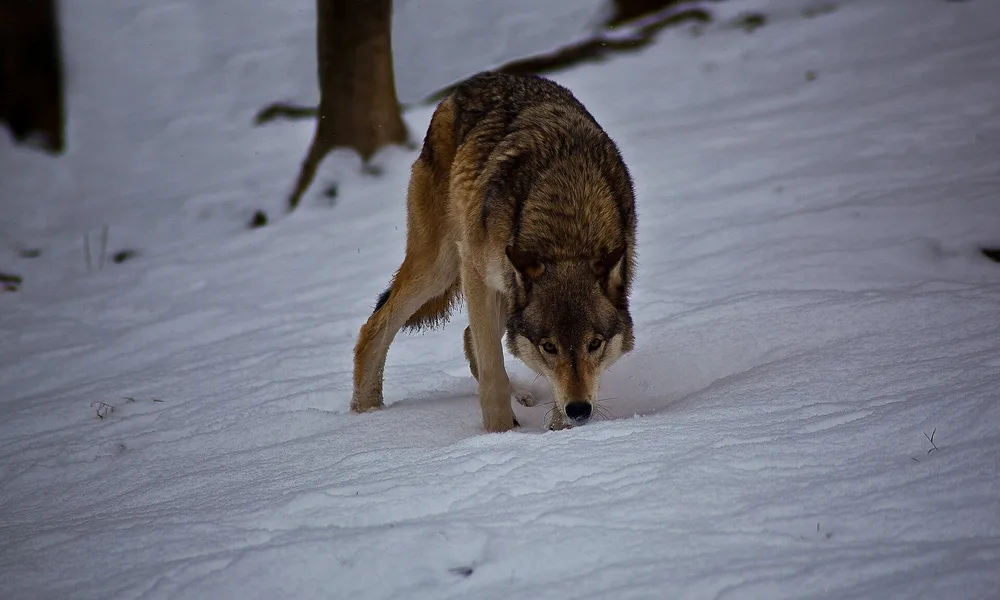
The Same Migration, Every Year is the wildlife show that reuses the same famous footage season after season, series after series, until the viewer has seen the same river crossing a dozen times. The shots are spectacular, which is exactly why they keep coming back: a herd crossing a river, a flock rising at dawn, a whale breaching at sunset. But a show that leans on library footage is not showing you this year’s migration; it is showing you a greatest-hits reel with a new voiceover.
5. The Species Mix-Up: the wrong animal in the wrong place
The Species Mix-Up is the wildlife show that gets its animals wrong and hopes nobody notices. A species is shown in a habitat where it does not live, a call is dubbed over the wrong bird, or two lookalike animals are treated as one. The mistakes are often invisible to a casual viewer, which is exactly why they matter: the show is the viewer’s only source, and it is teaching errors. Sometimes the mix-up comes from sloppy editing, with footage from one continent cut into a story about another.
6. The Slow-Motion Filler: every moment stretched, scored, and repeated
The Slow-Motion Filler is the wildlife show that turns ten seconds of behaviour into ten minutes of television. Every leap, every splash, and every glance is slowed down, replayed from three angles, and laid under swelling music, until the animal disappears behind the technique. Slow motion has a real use: it can reveal a movement too fast for the eye to follow. But when it is used on everything, it is padding, and it tells the viewer the production had very little footage to work with.
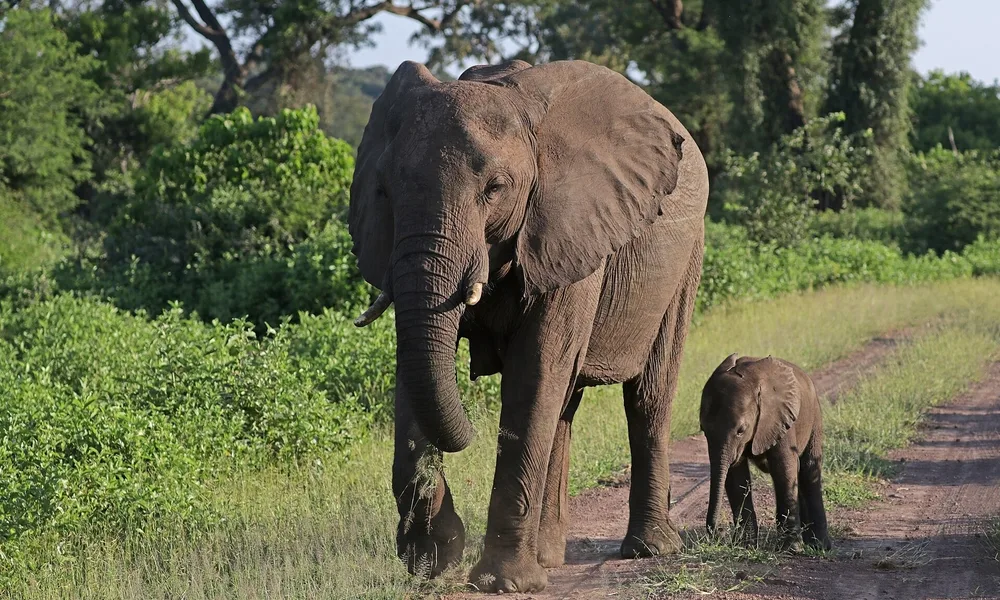
7. The Cute-Baby Parade: a show that only films baby animals
The Cute-Baby Parade is the wildlife show that never shows an adult animal doing adult things. Every scene is a baby: a cub, a chick, a pup, or a calf, filmed close up, with soft music and a narrator cooing over how adorable it is. Babies are charming, and they are also the easiest animals to film, because they stay close to their mothers and do not run away.
Warning signs: spot a bad wildlife show in two episodes
Watch the pilot and the second episode before committing to a season. If the predator always wins the chase and the camera is always in the perfect spot, the hunt was staged. If the narrator is giving the animals human feelings and dialogue, the show is writing fiction. If the animals look too clean, too calm, or too close to the camera, they may not be wild at all. If the second episode reuses footage you have already seen in another series, the production has nothing new to show you. And if every animal on screen is a baby, the show is selling cuteness instead of behaviour. A good wildlife show can be slow, quiet, and even boring for a few minutes, because real animals do not perform on schedule. The bad ones never stop performing.
How to pick a better wildlife show instead
Pick a show where the second episode teaches you three things about the animal that you did not know before, and where none of those things is about the narrator’s feelings. Look for long, uncut shots of behaviour, because a show that trusts its footage does not need to cut every three seconds. Check whether the show names its locations and its sources, and whether it admits when a scene was filmed in a sanctuary or with captive animals. Prefer series that show the failed hunt, the empty nest, and the long wait, because those are the honest parts of animal life. And if a show’s trailer promises a chase in every episode, remember that real predators fail most of the time, and a show that never shows a failure is not showing you the wild at all.
Checklist: choosing a wildlife show in 2026
- Watch the pilot and the second episode before committing to a season.
- Ask whether the hunt looks filmed or staged: perfect chases from every angle are a warning.
- Mute the narration for a minute and see whether the animals are doing anything interesting on their own.
- Check the animals’ condition and surroundings for signs they are captive, not wild.
- Note whether the footage looks familiar from other series, and whether the show says where it was filmed.
- Quit after episode two if every animal behaves like a character in a soap opera.
Frequently asked questions
What is the worst wildlife show type of 2026?
The Staged Hunt, where a predator chase is arranged or baited and edited into a perfect sequence that never really happened.
Are wildlife shows different from documentary TV shows?
Yes. Documentary TV covers every factual subject, while a wildlife show is judged on one thing: whether it shows real animals behaving honestly.
Are wildlife shows the same as nature shows?
No. Wildlife shows are centred on animals and their behaviour, while nature shows cover landscapes, weather, plants, and geology, where animals may barely appear.
How can I tell if a wildlife scene was staged?
Look for perfect camera angles on a fast chase, prey that never escapes the frame, and animals that are calm and clean in supposedly wild places.
Is it wrong for a wildlife show to film captive animals?
No, but it is wrong to present them as wild. An honest show says where its animals live and why they are there.
What should I watch instead of a bad wildlife show?
Pick a series where the second episode teaches three new things about the animal, with long uncut shots and no human dialogue put into the animals’ mouths.
Bottom line
The worst wildlife shows of 2026 are not the ones with the smallest budgets or the least famous animals. They are the ones that fake the wild: staged hunts, animals given human motives, captive animals passed off as free, and the same recycled footage under a new title. Spot the warning signs in the first two episodes and quit early, and save your evenings for a show that lets the animals behave like animals.