Bypass the Worst Concerts of 2026: Deafening Sound, Crushing Crowds and Tickets That Are Not Worth It
The worst concerts of 2026 take a night out, a ticket that cost real money and hours of your evening, and turn all of it into a long wait in a crowd for a sound you cannot enjoy. A concert is the hardest live night out to get right, because the event is the experience, and no recording can fix a bad one. No encore can undo a two-hour queue for the toilets, and no support act can rescue a headliner who plays for less than an hour. This guide ranks the worst types of concert in 2026, by event pattern rather than by performer, so you can spot a bad night before you book it.
Key takeaways
- The worst concerts fail on sound first: if the mix is a wall of bass in the first song, it will not clear up.
- A concert is judged by the whole night, not by the headliner: queues, crowds and start times matter as much as the music.
- Volume is not excitement: a mix so loud it hurts is a fault, not a feature.
- Watch the crowd, not the poster: if the venue holds more people than it can move or feed, the night will be a queue.
- Check the real ticket price with fees, the start time and the venue rules before you book.
How the worst concerts of 2026 were chosen
Every type below was scored on five measures. Sound comes first: can the audience hear the songs clearly, or does the mix drown the melody in bass and echo? Crowd comes second: can you reach the bar, the toilets and the exit without a fight? Timing is third, because a late start and a short set waste the evening no encore can repay. Value is fourth: the real ticket price once fees, travel and drinks are added. Comfort is fifth: sightlines, shelter and the basics a venue owes everyone who paid to be there.
Two notes before the list. First, this guide covers concerts as events: the venue, the sound, the crowd and the prices. The performers themselves have their own faults, covered in our rankings of the worst sports bands of 2026 and the worst sports musicians of 2026 cover those. Second, no single act is named as the worst anywhere here. The types below fail on their own terms, and the warning signs show up before you buy.
Comparison table: the worst concerts of 2026
| Rank | Concert type | Main fault | Worst moment |
|---|---|---|---|
| 1 | The Deafening Mix | Sound so loud it hurts | You leave with ringing ears, not songs |
| 2 | The Muddy Outdoor Sound | Wind and echo eat the music | The chorus arrives twice, out of time |
| 3 | The Crushing Crowd | No room to move or breathe | An hour to reach the exit |
| 4 | The Late Start, Short Set | Hours of waiting, minutes of music | The headliner plays under an hour |
| 5 | The Phone-Wall Crowd | Screens block every view | You watch the show on other people’s phones |
| 6 | The Ticket That Costs Twice the Night | Fees and upsells double the price | The checkout total bears no relation to the poster price |
| 7 | The Festival That Forgets the Basics | Mud, queues and no water | An hour for the toilets, none for the music |
The worst concerts of 2026
1. The Deafening Mix: sound so loud it hurts
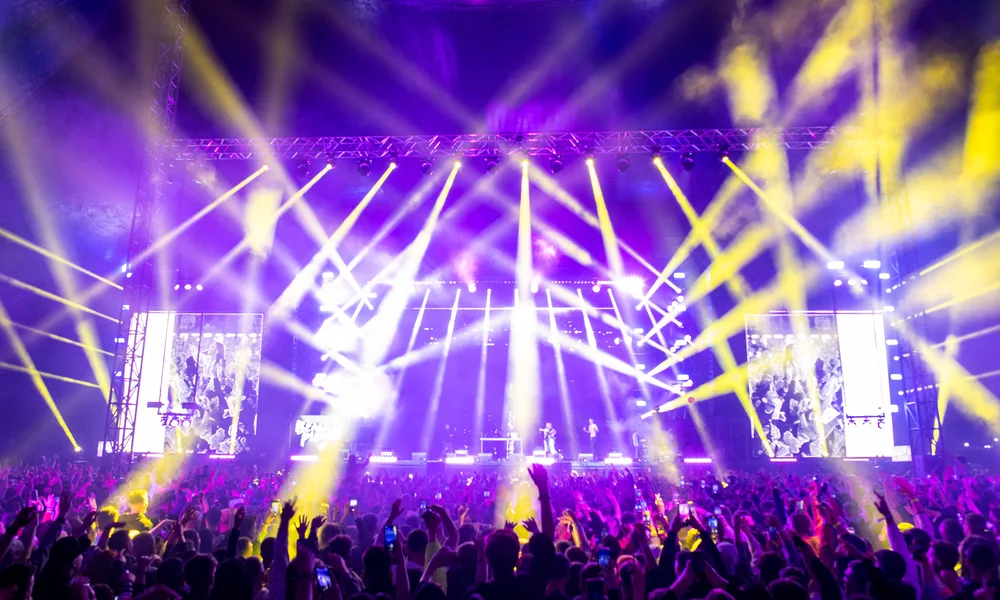
The Deafening Mix is the worst type of concert in 2026 because it fails the one thing a concert must do: let the audience hear the songs. The bass is turned up until it drowns the vocals and the guitars, and every song becomes the same low roar. People near the speakers feel it in their chests, and nobody anywhere can make out the words. If you are reaching for earplugs in the first song, the mix will not improve. Loud is a choice the engineer makes for the room, not a punishment. The Deafening Mix mistakes pain for excitement, and the proof comes the next morning, when your ears are still ringing.
2. The Muddy Outdoor Sound: wind and echo eat the music
The Muddy Outdoor Sound is the outdoor concert that never stood a chance, because nobody planned for the place it was held. The wind carries the sound away from half the field, the delay speakers are out of time with the stage, and the chorus reaches the back rows twice, so the crowd hears an echo instead of the song. The front rows get a decent night and the rest get a rumour of one. A flat field with no windbreaks and speakers pointed at the sky are signs the organisers treated sound as an afterthought. Outdoor shows need planning and extra speakers, and honest limits on how far back the crowd should stand. When the sound is muddy from the first song, move closer or accept the night is lost.

3. The Crushing Crowd: no room to move or breathe
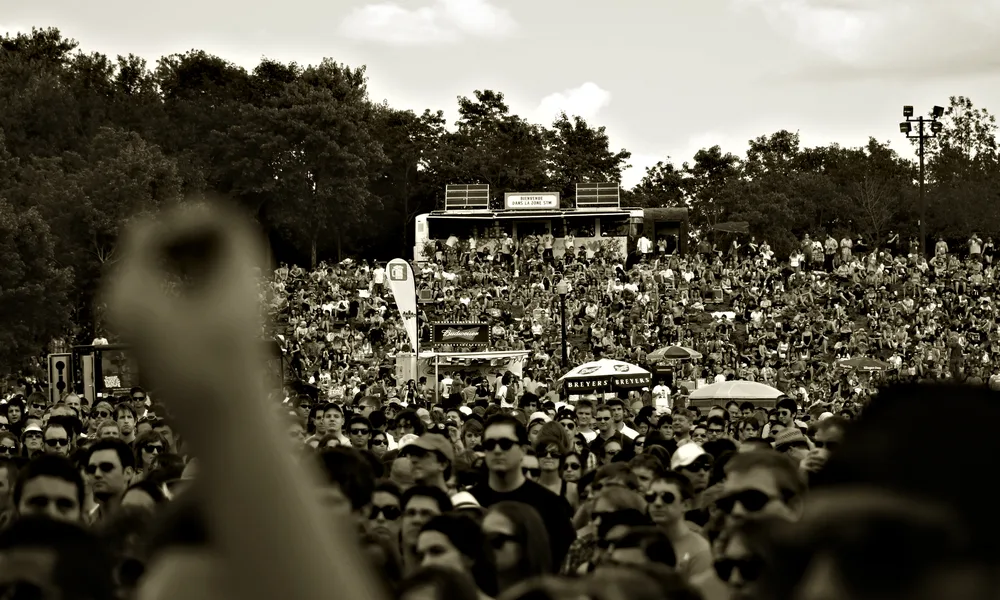
The Crushing Crowd is the concert that sold far more tickets than the venue could hold. Getting to the bar takes twenty minutes, the toilets longer, and getting out takes an hour through exits that were never wide enough. The front is the worst part: people are packed so tight they cannot lift their arms or leave when they want to. If the doors open late and the staff look overwhelmed before the first song, the night will be a crush. A good venue moves people, with clear lanes and exits that actually exit. Stand near an exit, arrive early and leave before the encore rush.
4. The Late Start, Short Set: hours of waiting, minutes of music
The Late Start, Short Set wastes your evening before the music begins. The doors open late, the support acts drag on for hours, the gap between acts stretches, and then the headliner finally appears, plays for under an hour, and leaves. Four hours of your night for fifty minutes of music. If the start time keeps slipping and nobody can say when the headliner will appear, the night is already wrong. A good concert respects the clock: doors on time and a set long enough to be worth the ticket. When the headliner is late and the set is short, the encore is not a gift. It is an apology.
5. The Phone-Wall Crowd: screens block every view
The Phone-Wall Crowd is the concert where the audience watches the show through other people’s phones. Every arm in front of you holds a glowing rectangle, and the stage is visible only in the gaps between screens. The people filming are not enjoying the night either: they are watching a small screen of a big stage. Venues that ban filming, or acts that ask for one phone-free song, change the room completely. The worst concerts do none of this, and the hall fills with people who paid to be there and then watch it on a screen. If you are watching the show on the phone in front of you, move to the side, where the screens thin out.
6. The Ticket That Costs Twice the Night: fees and upsells double the price
The Ticket That Costs Twice the Night is the concert where the poster price bears no relation to the checkout price. The ticket is one number, then come the booking fee, the facility fee and the service charge for a ticket that arrives by email. Then the venue sells a fast-track lane and a VIP package that turns out to be a roped-off patch of the same floor. The night itself is often fine, which makes the pricing worse. If the fees add more than a small share to the poster price, or the total stays hidden until the last step, walk away. The same pricing traps appear on a night out of every kind, and our ranking of the worst nightclubs of 2026 makes the same point about door prices and drink costs, because the traps are the same.
7. The Festival That Forgets the Basics: mud, queues and no water
The Festival That Forgets the Basics treats water, toilets and shelter as luxuries. The field turns to mud after the first rain, the toilets have queues an hour long, the water points run dry by the afternoon, and there is nowhere dry to stand. The music might be good, but nobody can enjoy it while cold, wet and thirsty from standing in lines. If the map shows one water point for ten thousand people and no cover at all, the organisers have not planned for the weather. A good festival is built around the basics first, with the stages second. When the basics fail, the whole day fails with them.
What to avoid when booking a concert
The most common concert regret is not a bad act but a wrong match: a standing-only show booked for someone who cannot stand for three hours, or a cheap ticket in a spot where the sound never reaches. Avoid the trap by checking four things before you pay: the real total price with all fees, the start time and set length, whether the ticket is standing or seated, and the venue’s rules on filming, bags and re-entry. Read recent audience comments about sound, queues and exits, because a great act in a bad venue is still a bad night. If a concert hides its fees, its start time or its seating plan, that is the review.
Checklist: booking a concert without regret
- Check the total price with all fees at checkout, and compare it with the poster price.
- Find out the doors time, the start time and the expected set length before you book.
- Check whether your ticket is standing or seated, and where that spot is relative to the stage.
- Read recent audience comments about sound, queues, toilets and exits, not just the act’s name.
- Arrive early, stand near an exit lane, and bring earplugs for any loud show.
- Check the venue rules on filming and bags, and the weather plan for any outdoor show.
Frequently asked questions
How can I tell if a concert will be bad before I book?
Read audience comments about sound, queues and start times from the same venue. If several people say the mix was deafening or the headliner played short, believe them over the poster.
Are outdoor concerts always worse for sound?
No. Outdoor sound is good when the organisers plan for wind, distance and delay speakers. The warning sign is a flat field with no windbreaks.
Should I buy the cheapest concert ticket?
Not always. The cheapest ticket is often the furthest from the stage, where the sound never reaches. Check the seating plan before you buy.
What should I do if the sound is painfully loud?
Move away from the speakers or put in earplugs. If it still hurts, leave: no song is worth damaged hearing.
Is filming a concert rude?
Filming one song is fine, but holding a phone up for the whole show blocks the view behind you. Keep it brief, keep it low, and watch the stage, not the screen.
What is the difference between a bad concert and a bad band?
A bad concert is a bad event: the sound, the crowd, the timing and the prices fail, whatever the music. A bad band is a bad performance, and that is a different problem.
Bottom line
The worst concerts of 2026 are not the ones with the least famous acts or the smallest stages. They are the ones that forget the audience paid to be there: mixes so loud they hurt, sound lost to the wind, crowds with no room to move, late starts, phone walls, tickets that cost twice the night, and festivals that forget water and toilets. Book the concert that respects your ears, your time and your evening, and bypass the rest.