The Worst Tailors of 2026
The worst tailors of 2026 rarely look like the problem. The shop is small and busy, the measuring tape hangs around the tailor’s neck, and the pinned jacket on the stand looks promising. The trouble arrives at the fitting, or worse, at the wedding, when a shoulder sits crooked, a hem hangs unevenly, or a pair of trousers that fitted last week no longer closes. This guide ranks the worst types by the patterns that keep repeating.
Key takeaways
- A bad tailor is recognised by patterns, not one loose stitch: crooked hems, pinched shoulders and fittings that never quite settle.
- Always try the garment on at the fitting, move in it, sit in it, and check both sides in a mirror before you accept it.
- A tailor who never measures, or measures once and never again, is guessing at your shape, not tailoring to it.
- Cheap fixes that skip the lining, the canvas or the proper pressing will look fine for a day and fail within a month.
- Walk away from any tailor who refuses a written price, a collection date, or a second fitting when the first one is wrong.
How the worst tailors were chosen
Every type below was scored on five measures. Fit comes first: does the finished garment sit evenly, move with the body, and look right from every angle? Craftsmanship is second, judged on stitching, hems, linings and whether the work holds after a few wears. Honesty is third, because a tailor who hides prices or blames the customer’s body for its own mistakes is a tailor to avoid. Communication is fourth: clear measurements, a written price and a real collection date. Value is fifth, the real cost once extras are added. Readers who judge other local services the same way will find the same logic in our guide to the worst barbershops of 2026
Comparison table: the worst tailors of 2026
| Rank | Tailor type | Worst habit | Who gets hurt most |
|---|---|---|---|
| 1 | The shoulder pinchers | Jackets that pull, gape or sit crooked | Suit and blazer owners |
| 2 | The hem droppers | Hems that hang unevenly or come down | Trouser, skirt and dress owners |
| 3 | The never-measurers | No real measuring, just guesswork | Anyone having a garment made or altered |
| 4 | The lining skippers | Work that skips linings, canvas and pressing | Owners of structured jackets and coats |
| 5 | The price creepers | The bill grows between quote and collection | First-time customers who never ask first |
| 6 | The button losers | Buttons, hooks and zips that fail within weeks | Owners of everyday and work clothes |
| 7 | The never-ready tailors | Dates slip with no call and no plan | Anyone altering for a wedding or interview |
The worst tailors of 2026
1. The shoulder pinchers: jackets that pull, gape or sit crooked
The worst tailors of 2026 are the shoulder pinchers, the ones whose jackets never sit right. A good jacket shoulder follows the line of your own shoulder, lies flat without a ripple, and lets you raise your arms without the whole jacket riding up. A pinched shoulder does the opposite: the fabric pulls across the chest, the lapel gaps open when the jacket is buttoned, and one side sits visibly higher than the other. A proper fitting means walking, sitting, reaching and turning, because a jacket that only fits a statue is not a fitted jacket.
2. The hem droppers: hems that hang unevenly or come down
A hem looks like the simplest job in tailoring, which is exactly why a bad one stands out so clearly. A good hem is level all the way round, invisible from the outside, and strong enough to survive sitting, walking and washing. A dropped hem is none of those things: one side hangs lower than the other, the stitching shows in a dotted line across the leg, or the whole hem comes down the first time the garment is worn. The test is easy and takes thirty seconds: stand straight in front of a mirror, turn slowly, and look at the hemline from the front, the sides and the back.
3. The never-measurers: guesswork dressed up as tailoring
Measuring is the whole job, and a tailor who does not measure is not tailoring at all. The pattern is easy to spot: the tailor glances at you, guesses a size, and reaches for a jacket that is almost right, or takes a single chest measurement and writes nothing else down. The never-measurer works from memory and habit, which means the garment is fitted to an average body that is not yours. Ask to see the numbers written down before the work starts. A tailor with a notebook full of figures is a tailor who can fix a mistake; a tailor with nothing written down can only guess again.
4. The lining skippers: work that looks fine for a day and fails within a month
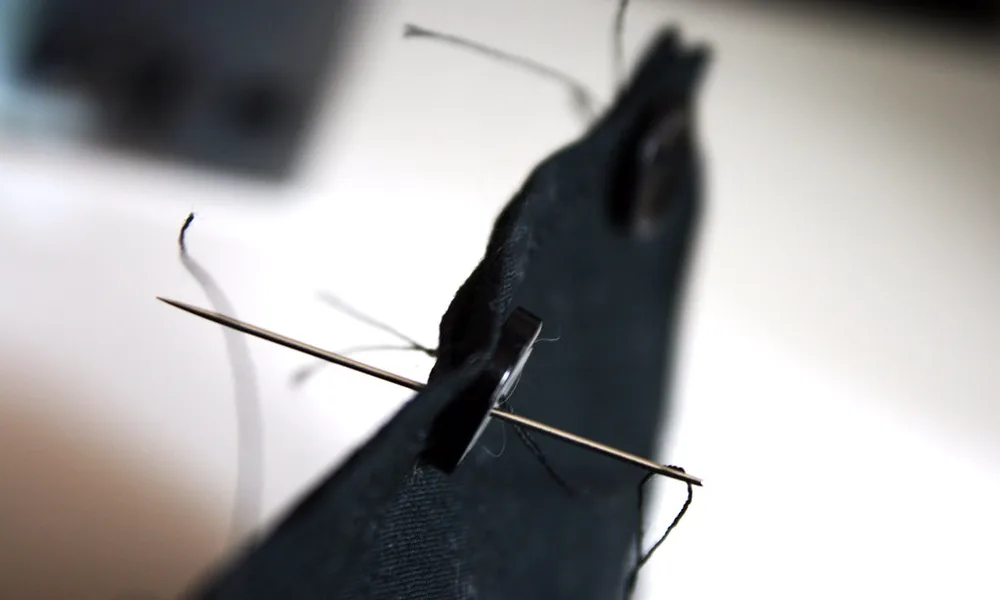
Lining skippers are the tailors whose work looks acceptable at collection and falls apart within weeks. The jacket feels light and cheap because the lining was left out or replaced with a thin substitute, the canvas that gives a lapel its shape was skipped, and the pressing was done quickly with a domestic iron instead of a proper press. Then the lapel starts to roll the wrong way, the front bubbles where the canvas should have held it flat, and the lining that was stitched in a hurry tears at the armhole. The warning sign is a price that seems too low for the work described, because linings, canvas and pressing are where a cheap tailor saves its money.
5. The price creepers: bills that grow between quote and collection
Price creepers quote one price at the counter and charge another at the till. The trouser hem was meant to cost one amount, but at collection there is a fee for the lining, a fee for the pressing, a fee for the rush, and sometimes a fee that nobody can explain at all. Honest tailors put a full price list on the wall and write the total on the ticket before the customer leaves. The defence is simple: ask for the total in writing before you leave the garment, including lining, pressing and any rush charge, and if the tailor cannot give you a number, the real number is the one you will not like.
6. The button losers: buttons, hooks and zips that fail within weeks
Buttons, hooks and zips are small, and a bad tailor treats them as an afterthought, which is why they fail first. A good tailor sews a button through with a thread shank so it sits properly, checks every hook and eye, and tests a replacement zip three times before handing the garment back. A button loser sews the button flat against the fabric with a few loose stitches, so it pops off the first time the jacket is buttoned, or fits a zip that catches from the first wear. The warning sign is a tailor who never checks the fastenings at the fitting.
7. The never-ready tailors: dates that slip with no call and no plan
The never-ready tailor is the mildest offender on this list until the day you need a suit for a wedding or an interview. The promised date passes, the shop says tomorrow, tomorrow passes, and nobody calls. A reliable tailor gives a date it can keep, writes it on the ticket, and calls if anything changes. The test is to ask what happens if the garment is not ready on the date promised, and to listen to the answer. A tailor that has a real answer, a named person to call and a plan for urgent orders is a tailor that keeps its promises.
What to avoid when choosing a tailor
The most common mistake is choosing a tailor by whichever shop is nearest, or by the lowest price on the street. Avoid any tailor that will not give a written total before you leave, any tailor that will not measure you properly and write the numbers down, and any tailor that rushes the fitting or refuses a second one when the first is wrong. Avoid handing over a whole suit on a first visit: test the tailor with one simple alteration first, check how it comes back, and only then trust it with the wedding suit or the good jacket. The same habit of testing a local service before committing applies well beyond the sewing room, and our guide to the worst vintage shops of 2026 makes the same point about sellers who rush you past the details.
Checklist: choosing a tailor in 2026
- Ask for the full total in writing before you leave the garment, including lining, pressing and any rush charge.
- Check that the tailor measures properly and writes every number down where it can be checked.
- Try the garment on at the fitting, walk, sit and reach, and check the fit from every angle in a full-length mirror.
- Inspect the hem, the buttons and the zip before you accept the garment, and ask for fixes there and then.
- Ask what is inside the jacket, lining and canvas included, and be wary of a price that seems too low for the work.
- Test a new tailor with one simple alteration first, and only trust it with important garments after it passes.
Frequently asked questions
How can I tell if a tailor is bad before I use one?
Watch the first fitting. A good tailor measures properly, writes the numbers down, pins the garment while you move, and checks it in a full-length mirror.
What should I do if my suit comes back with crooked shoulders?
Do not accept it and leave quietly. Try it on in the shop, show the tailor the uneven line, and ask for the shoulders to be corrected as part of the original job. A crooked shoulder is a fitting fault, not a feature of your body.
Why does my jacket look fine at collection and bad a month later?
The lining, canvas or pressing was probably skipped to save time and money. A jacket without proper canvas loses its shape, the lapel rolls the wrong way, and a hurried lining tears at the armhole.
Should a tailor charge extra for a second fitting?
Not when the first fitting was wrong because of the tailor’s work. A second fitting to correct a mistake is part of the job, and the price of fixing it should never fall on the customer. Agree this in writing before the work starts.
Is it safe to have a beaded or sequinned garment altered?
Only at a tailor that protects trims before sewing and checks them before pressing. Ask how the beads will be covered and what happens if one is lost. If the tailor says nothing special is needed, take the garment somewhere else.
What if the tailor misses my deadline?
Your ticket with the written date is your proof. Ask for a named person to follow up with and a clear plan for when the garment will be ready.
The bottom line
The worst tailors of 2026 are not hard to spot once you know the patterns: jackets that pull at the shoulder, hems that hang unevenly, measurements that were never taken, linings that were skipped, bills that grow at the till, buttons that pop off within weeks, and dates that keep slipping. Choose the tailor that measures properly, writes the price down, lets you move in the fitting, checks the fastenings and keeps its dates, and your clothes will fit the way they should for years. The same eye for honest service is worth using for holiday stays too, as our guide to the worst hotels of 2026 shows.