The Worst Jewellers of 2026
The worst jewellers of 2026 do not look like villains. They look like every other bright shop on the high street. The trouble starts when you ask a question. A vague answer about a stone, a valuation with no paperwork, a repair sent away with no return date — these are the small signs of a costly shop. This guide ranks the worst types of jeweller by what they do wrong, so you can tell a careful craftsperson from a counter that only wants the sale.
Key takeaways
- A jeweller who will not put a valuation, a price or a timescale in writing is a jeweller to avoid.
- Resizing and repairs should be explained before the work starts, including what could go wrong.
- Stones and metals should be named plainly, not hidden behind words like fine or top quality.
- Any repair that leaves the shop should come with a named workshop, a date and a receipt.
- Walk away from pressure: a good piece will still be there tomorrow, and a good jeweller knows it.
How the worst jewellers were chosen
Every type below was scored on five measures. Honesty comes first: does the shop say what a piece is made of, what a stone is, and what the work will cost, in words a customer can check? Craftsmanship is second, judged on whether repairs last or come back loose, scratched or weaker than before. Pricing is third: the real total once sizing, setting and cleaning are added, not the small number quoted at the counter. Care of the piece is fourth, because a jeweller who loses a stone has failed at the basic job. Aftercare is fifth: a written guarantee and a receipt naming the work done.
Two notes before the list. No single shop is named, because the same bad patterns appear in many places. These are patterns, not people: a good jeweller can have a bad day. Readers will recognise the same logic in our guides to the worst barbershops and the worst vintage shops.

Comparison table: the worst jewellers of 2026
| Rank | Jeweller type | Main fault | First warning sign |
|---|---|---|---|
| 1 | The pushy upsell counter | Pressure to spend more | A bigger stone pushed at once |
| 2 | The vague-valuation shop | No written valuation | Numbers that change by the day |
| 3 | The resizing bodger | Weakened shanks, poor joins | Same-day sizing promised always |
| 4 | The cloudy-cleaning counter | Harsh cleaning, loose stones | One bath for every piece |
| 5 | The no-paperwork trader | No receipts or certificates | Cash only, no written record |
| 6 | The repair-by-post middleman | Weeks away, no tracking | No bench visible in the shop |
| 7 | The trend-chasing boutique | Fashion sold as heirloom | Plating that wears off in weeks |
The worst jewellers of 2026
1. The pushy upsell counter: the sale matters more than the piece
The pushy upsell counter is the worst type because it turns a careful decision into a rushed one. You walk in with a budget, and within minutes you are shown a bigger stone and a matching piece you never asked for. The language is always urgent: a piece gone by tomorrow, a price that only holds today. The pressure works because jewellery is emotional, and the counter uses that worry to push the price up. The piece you leave with is rarely the piece you wanted.
Decide the budget before you walk in, and do not change it in the shop. A good jeweller shows you pieces inside the budget, and says so if the budget cannot buy what you imagined. A pushy counter treats a budget as an opening bid. If you feel hurried, leave. A good ring will still be there tomorrow.
2. The vague-valuation shop: numbers that move
A valuation should be a document: the piece described, the stones graded, the metal named, the value stated. The vague-valuation shop offers none of that. You get a number spoken across the counter, a different one next week, and a shrug when you ask what it is based on. For insurance, that vagueness is a real problem: a claim built on a spoken number is one the insurer can pick apart. For selling, it is worse: a shop that will not write a value down can always claim it meant something else.
Watch for the shop that values a piece in seconds without a loupe or a scale. A proper valuation takes time and leaves paper behind. Ask what the valuation covers, and ask for the description of the stones in writing. If the shop cannot describe the piece it has just valued, it has not valued anything at all.
3. The resizing bodger: a ring made weaker
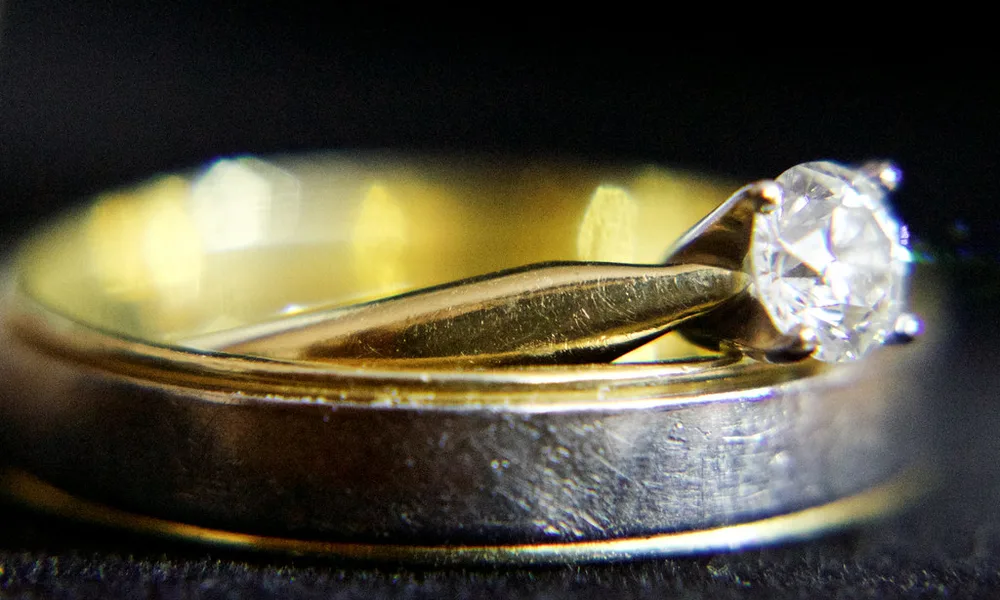
Resizing is skilled work: the shank must be cut, sized and rejoined cleanly, and the setting checked so no stone has loosened. The resizing bodger does it fast and cheap, and the ring pays for it. A join that is soldered badly leaves a thin spot that bends and eventually snaps. A shank stretched instead of sized properly thins all the way round. Stones set near the join work loose because the setting was never re-checked. The ring comes back the right size, and the failure arrives months later: a ring slipping off, a stone missing from its claw.
Ask how the sizing will be done and how long it will take before you hand the ring over. A careful jeweller explains how the ring will be sized, and warns you if the design makes it risky. A bodger promises same-day sizing for every ring, whatever the design. Some rings should not be sized at all, and an honest jeweller will tell you so rather than take the money.
4. The cloudy-cleaning counter: one bath for everything
Cleaning is the service every jeweller offers and the one the worst shops get wrong most casually. Different stones need different care: some hate heat, some hate vibration, some hate the dip. The cloudy-cleaning counter drops every piece into the same ultrasonic bath or the same jar of dip, whatever it is made of. Pearls go cloudy, soft stones chip, glued settings loosen. The piece comes back brighter for a day and damaged for good.
A good jeweller asks what the piece is before cleaning it, and says no to the bath when the stone needs a cloth and a brush instead. Watch for the counter that offers a free clean with no questions asked. Ask how your piece will be cleaned and whether the stones will be checked afterwards. A careful clean ends with the claws checked and the stones secure.
5. The no-paperwork trader: cash, no record, no comeback
Paperwork is the difference between a purchase and a gamble. A receipt names the piece, the metal, the stones and the price. A certificate names the stone and its grade. The no-paperwork trader offers none of these. The sale is cash, the receipt is a blank slip, and the piece is described in words that mean nothing. If the ring turns out plated rather than solid, there is no document that says otherwise.
The rule is simple: no paperwork, no purchase. A jeweller who will not write down what they are selling does not want to be held to it. The same test works in other trades, and our guide to the worst dry cleaners makes the same point about tickets that name nothing.
6. The repair-by-post middleman: your ring, somewhere else
Some jewellers have no bench at all. They take the ring, write a ticket, and send it to a workshop you will never see. That alone is not a crime; many good shops use specialists. The worst middlemen, though, cannot tell you where the piece is going, how long it will take, or who is responsible if it comes back damaged or does not come back at all. Weeks pass with no update. When the piece returns, the receipt names no parts, and if a stone is looser, the shop blames the distant workshop.
Before you hand a piece over, ask where it is going, when it will be back, and who pays if it is lost. A straight shop answers all three and puts them on the ticket. A middleman changes the subject. A shop that cannot name its workshop has already given up responsibility for your jewellery.

7. The trend-chasing boutique: fashion sold as forever
The trend-chasing boutique sells the look of the season as if it were the piece of a lifetime. Plated brass is displayed like solid gold, and crystals are described in words that sound like diamonds. The plating wears off within weeks, and the metal underneath tarnishes fast. The boutique has moved on to the next trend by the time you come back.
Fashion jewellery is fine when sold honestly, at a fashion price, for a season. The fault is the boutique that charges heirloom money for a seasonal piece and never says the word plated. Ask what the piece is made of and how long the finish should last. A vague answer is a boutique selling a trend as a treasure.
What to avoid when choosing a jeweller
The most common mistake is choosing by the window alone. A bright display says nothing about the bench at the back or the paperwork at the till. Avoid the trap by checking four things before you buy or leave a piece for repair: a written description of the piece and the price, a named metal and stone rather than vague praise, a workshop you can ask about, and a guarantee in writing. Look at how the shop treats the pieces already in for repair and how it talks about pieces it cannot fix; a jeweller who admits a limit is usually the one worth trusting.
Checklist: choosing a jeweller
- Ask for the metal, the stones and the price in writing before you buy or leave a piece.
- Check the piece is described plainly: solid or plated, stone type and grade.
- Ask how a repair will be done and how long it takes.
- Confirm where the piece goes if it leaves the shop, when it returns, and who is responsible.
- Check the claws and settings after any clean or repair.
- Take a photo of the piece before handing it over.
Frequently asked questions
How do I know if a ring is solid gold or plated?
Ask the jeweller to show you the hallmark and to state the metal in writing on the receipt. Plated pieces wear at the edges within weeks. If the shop will not put the metal in writing, do not buy.
Should a jeweller give me a written valuation?
Yes, for insurance or for sale. A proper valuation describes the piece and the stones, states the value and the date, and carries the jeweller’s name. A spoken number with no document is not a valuation.
How long should a ring resizing take?
A simple resizing usually takes a few days. A shop that promises same-day sizing for every ring is cutting corners.
Is ultrasonic cleaning safe for all jewellery?
No. Hard stones cope well, but pearls, soft stones and glued settings can be damaged by heat and vibration. A careful jeweller asks what the piece is before cleaning it.
What should a repair receipt say?
It should name the work done, the parts used, the price, the date and the guarantee period. A receipt that says only repair is not a record of anything.
What if a jeweller loses my stone during a repair?
A reputable shop takes responsibility and replaces the stone like for like. That is why the receipt matters.
Bottom line
The worst jewellers of 2026 share the same habits: pressure to spend more, valuations with no paperwork, resizing that weakens the ring, cleaning that loosens the stones, and repairs sent away with no name attached. Choose the jeweller who writes things down, names the metal and the stone, and checks the work afterwards.